April 11, 2026 • 6:18 AM ET
The Congressional Budget Office projects the Social Security OASI trust fund will be depleted by fiscal year 2032, one year earlier than its previous estimate. Current beneficiaries continue receiving full benefits on schedule.
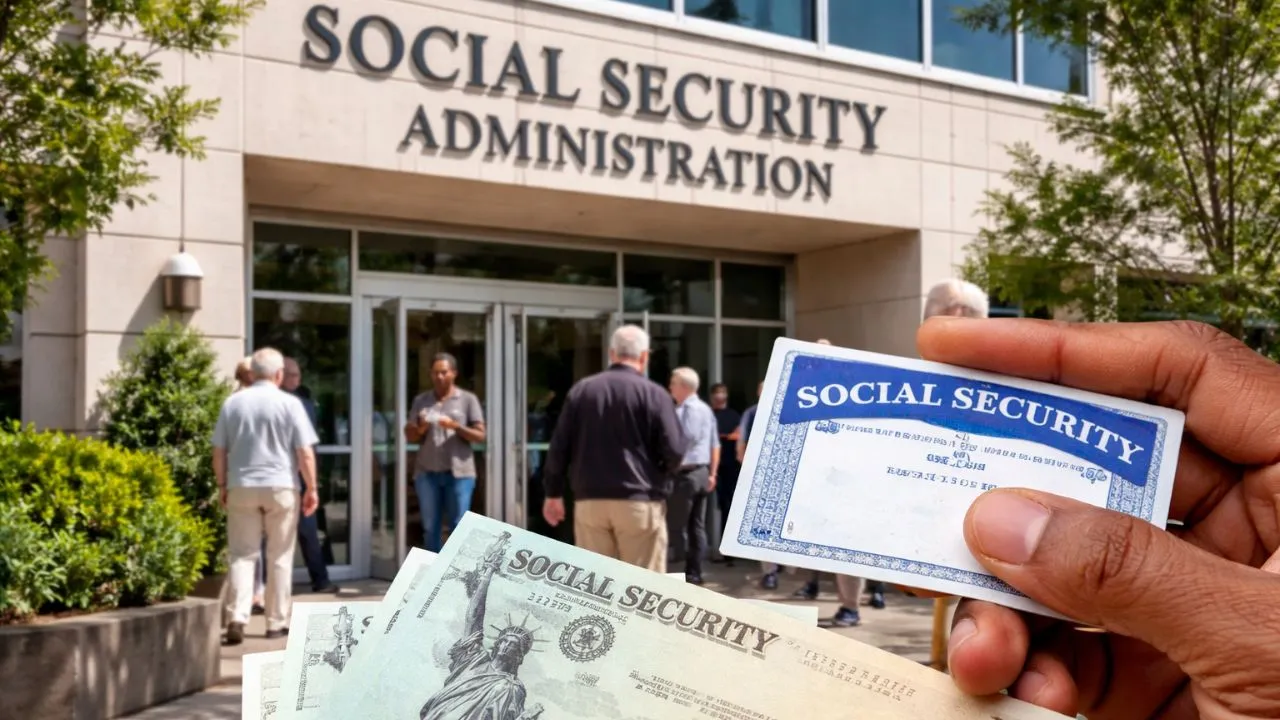
The Social Security trust fund that pays retirement benefits to 70 million Americans is projected to run out of reserves by 2032. The Congressional Budget Office published this estimate in its February 2026 CBO budget outlook, moving the depletion date forward by one year from its prior projection of 2033.
The finding does not mean payments will stop. It means Congress faces a shrinking window to address a long-term funding gap that, if left unresolved, would force automatic benefit reductions. This projection specifically applies to the Old Age and Survivors Insurance trust fund, which is the primary fund covering retirement and survivor benefits.
It does not include the separate Disability Insurance trust fund. The 2025 SSA trustees report had projected depletion of the OASI fund by 2033. The CBO’s more recent analysis, using updated economic and demographic assumptions, moves that date one year closer.
What Trust Fund Depletion Actually Means
The most important fact about this projection is what it does not mean. Trust fund depletion does not mean Social Security payments stop. The program collects payroll taxes from working Americans every week. That revenue continues flowing regardless of the trust fund balance. If the trust fund reaches zero, Social Security can still pay benefits from ongoing payroll tax collections.
The CBO estimates that payroll tax revenue would cover approximately 75% to 77% of scheduled benefits after depletion. In practical terms, a beneficiary receiving $2,000 per month could see that payment reduced to roughly $1,520 to $1,540 per month. Benefits would be reduced, not eliminated.
The reduction would apply across the board under current law unless Congress acts before the depletion date. Current beneficiaries can review SSA benefit information for their 2026 payment amounts.
The money movement system that delivers Social Security payments would continue operating normally. The issue is not a payment processing problem. It is a revenue gap between what the program collects and what it is scheduled to pay.
Why the Timeline Moved Forward
Several factors have accelerated the projected depletion date. The Social Security Fairness Act, enacted in January 2025, repealed two provisions that had reduced benefits for certain public-sector workers. That repeal increased total benefit obligations. The CBO estimates this change was the primary contributor to the earlier depletion projection.
Demographic trends continue to pressure the program. Approximately 10,000 baby boomers reach age 65 every day in the United States. The ratio of workers paying into the system relative to beneficiaries drawing from it continues to decline. In 1960, more than five workers supported each beneficiary.
That ratio has now fallen below three to one. Additionally, the CBO projects lower payroll tax revenue in coming years due to reduced immigration and slower employment growth.
These trends compound over time and widen the gap between revenue and obligations. The CBO projects spending from the OASI fund will rise from $1.5 trillion in fiscal year 2026 to over $2.5 trillion by 2036.
The effects are also connected to broader federal fiscal trends. As detailed in our analysis of Fed loss explained, interest expenses on the national debt are competing with mandatory spending programs for limited federal resources.
What This Means for Current Beneficiaries
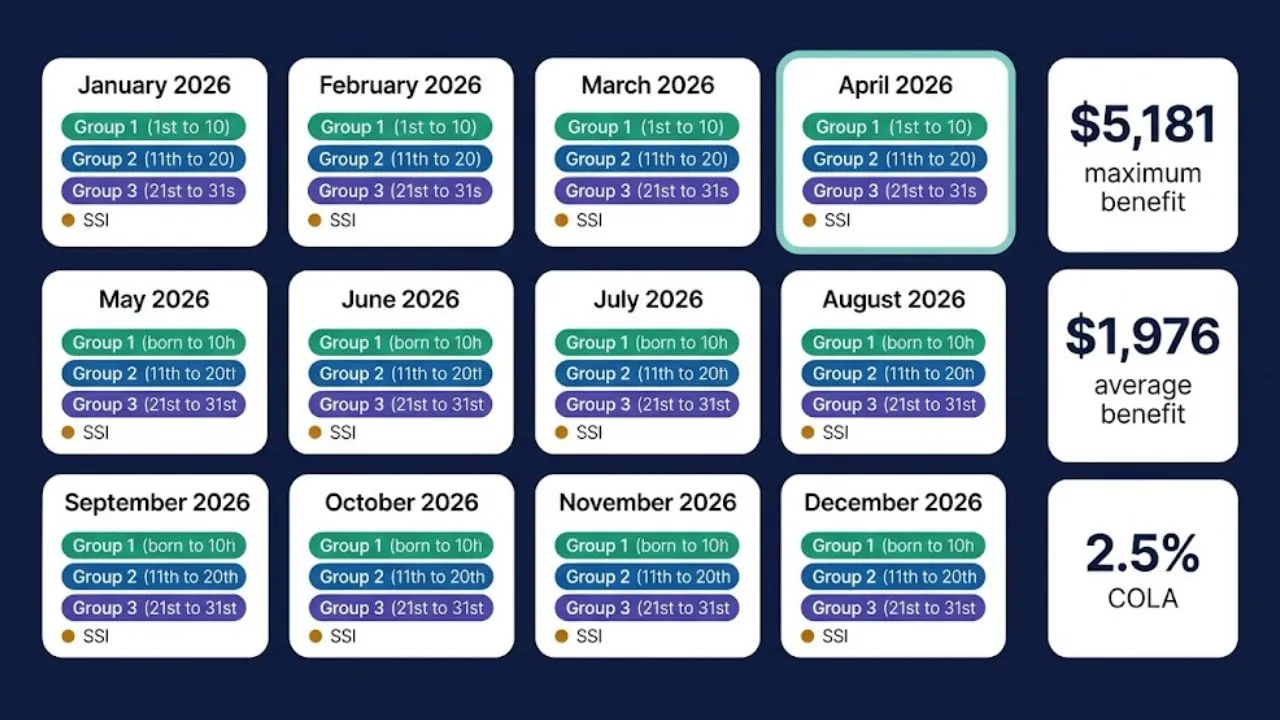
Americans currently receiving Social Security benefits are not at immediate risk. All 70 million beneficiaries will continue receiving their full scheduled payments for the next several years. The 2.8% cost of living adjustment for 2026 has already taken effect. Monthly payments are being deposited on schedule according to the payment schedule guide.
The trust fund issue is a long-term policy challenge, not a near-term payment emergency. Congress has historically acted before trust fund exhaustion.
The most significant precedent is the 1983 Social Security reform, when Congress raised the retirement age and increased payroll taxes at a point when the trust fund was within months of depletion. That legislation stabilized the program for decades. Policymakers face a similar, though not identical, situation today.
Several policy proposals are under discussion to address the projected shortfall. These include raising the payroll tax cap, which is currently set at $176,100 for 2026, meaning income above that amount is not subject to Social Security payroll taxes.
Other proposals include adjusting the full retirement age, modifying the formula used to calculate annual cost of living adjustments, or increasing the payroll tax rate itself. As of April 2026, none of these proposals have been enacted. The SSA staff reductions affecting agency operations are a separate issue from the trust fund’s fiscal health.
What This Means
The CBO’s projection is a fiscal warning, not a payment crisis. Social Security will not go bankrupt. Payroll taxes will continue funding the majority of benefits regardless of what happens to the trust fund.
However, the 2032 timeline is close enough that Americans planning for retirement should factor potential benefit reductions into their financial plans. The longer Congress waits to act, the more abrupt any future changes to taxes or benefits will need to be.
Social Security Outlook and What Beneficiaries Should Know
- Current beneficiaries should continue expecting full benefit payments through at least 2032 with no changes required on their part.
- Workers planning to retire in the next decade should review their Social Security estimates at ssa.gov and consider how a potential 23% to 25% benefit reduction would affect their retirement income.
- All workers should monitor Congressional action on Social Security reform, as any legislative changes would likely phase in gradually and affect future, not current, beneficiaries.
Editorial Note: Investozora is an independent news publication. This content is for informational purposes only. For official guidance, please visit the relevant .gov website.