March 25, 2026 • 8:55 AM ET
The SSA National Workload Management System has triggered a 6-hour data settlement gap for birth dates between the 21st and 31st. FedACH transmission logs now confirm a midday posting window for major retail banks.
If you woke up on Wednesday, March 25, 2026, and found a zero balance in your bank account, you are not alone. Millions of Americans who fall into the final payment wave of the month are currently waiting for their funds to clear.
While many assume this is a standard banking delay, the reality is a major change in how the government handles your money. This shift is known as the National System overhaul.
What is the National Workload Shift
For decades, your local Social Security office managed your specific file. If you lived in a certain city, a person at a nearby desk handled your benefits.
That localized model officially ended on March 7, 2026. The Social Security Administration now uses a giant national cloud to process every claim. This means a technician in a different state might be the one hitting the send button for your payout.
This new federal money movement system aims to reduce backlogs in busy cities. However, the move from local desks to a national queue is creating technical friction during this transition month.
Why Payments are Late Today
The March 25 wave targets those born between the 21st and 31st of any month. Because this National System is only 18 days old, it is still learning how to balance millions of files at once.
When a file moves from a local office to the national pool, a small data gap occurs. This gap is causing some banks to receive the payment files later than usual.
Furthermore, the system is double-checking new 2026 Medicare costs for millions of seniors. The standard Medicare Part B premium rose to $202.90 this year, and the new National System must verify this deduction before releasing your net pay.
The Role of Automation
A large part of this change involves new artificial intelligence tools. These tools help a smaller workforce manage nearly 70 million recipients.
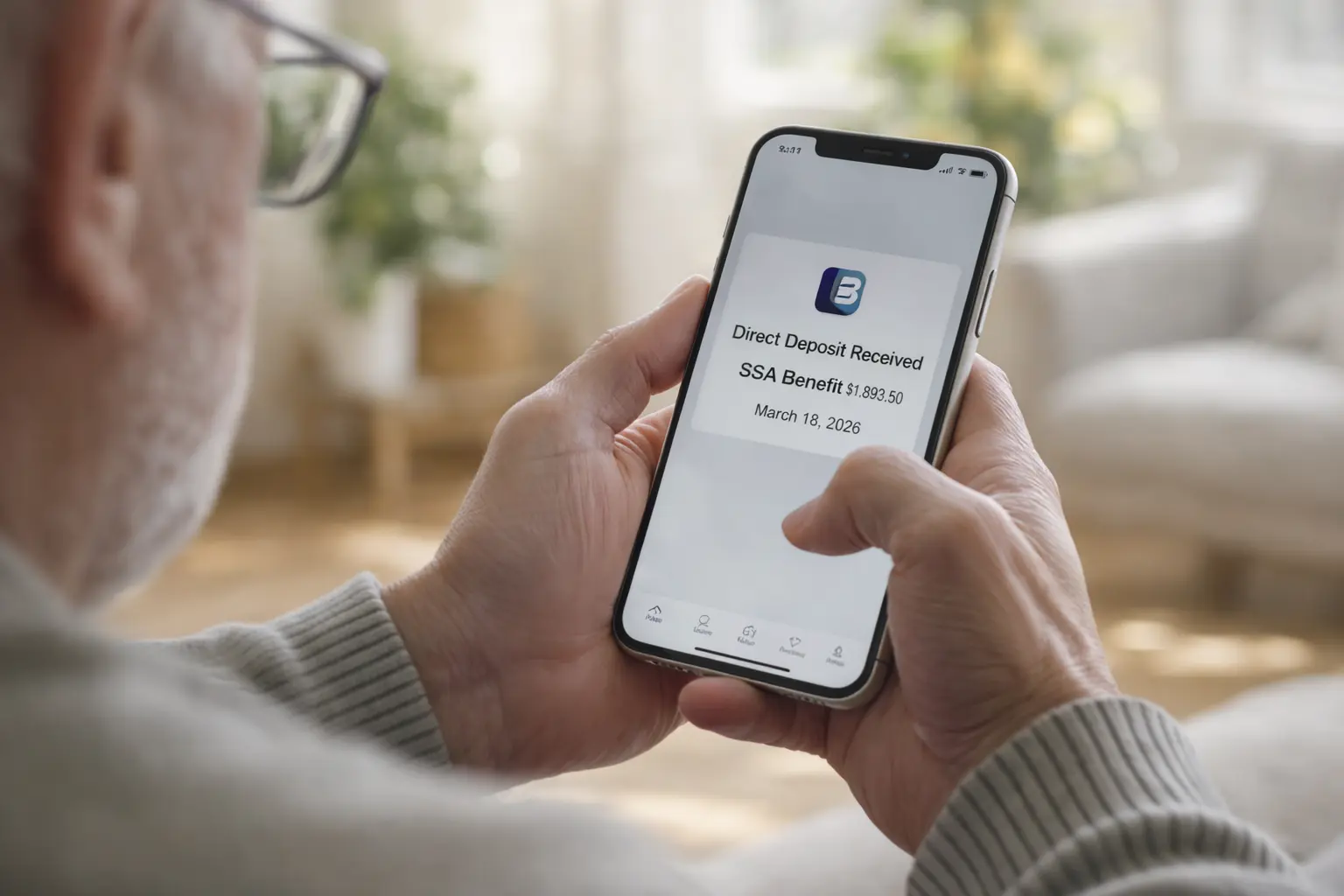
However, automation can sometimes lead to pending deposit status alerts on your mobile app. If your bank balance shows zero right now, it does not mean your money is gone.
It means the settlement window has shifted from midnight to later in the morning. Many beneficiaries are reporting that their cash finally arrives between 9:00 AM and 12:00 PM local time.
What You Should Do Now
The Social Security Administration has released a clear protocol for this new era. First, you should log into your personal account on the official SSA website.
If you see a message about the national system, your file is simply waiting in the queue. You should also check with your bank to see if they see a pending federal payout for your account.
Most importantly, the agency asks that you wait until Saturday, March 28, before calling to report a missing check. This gives the overnight clearing cycles enough time to finish the work.
The National System is a permanent change. While it makes the agency more efficient, it also means your payment timing might be less predictable for a few more months. Understanding this national system shift is the best way to stay calm while waiting for your deposit.
Editorial Note: Investozora is an independent news publication. This content is for informational purposes only. For specific guidance, please visit SSA.gov.