A massive digital surge of federal capital initiated a total transformation of American bank balances late last night. As of Tuesday March 10 2026 billions in government funds are currently transitioning from the federal core to private consumer ledgers.
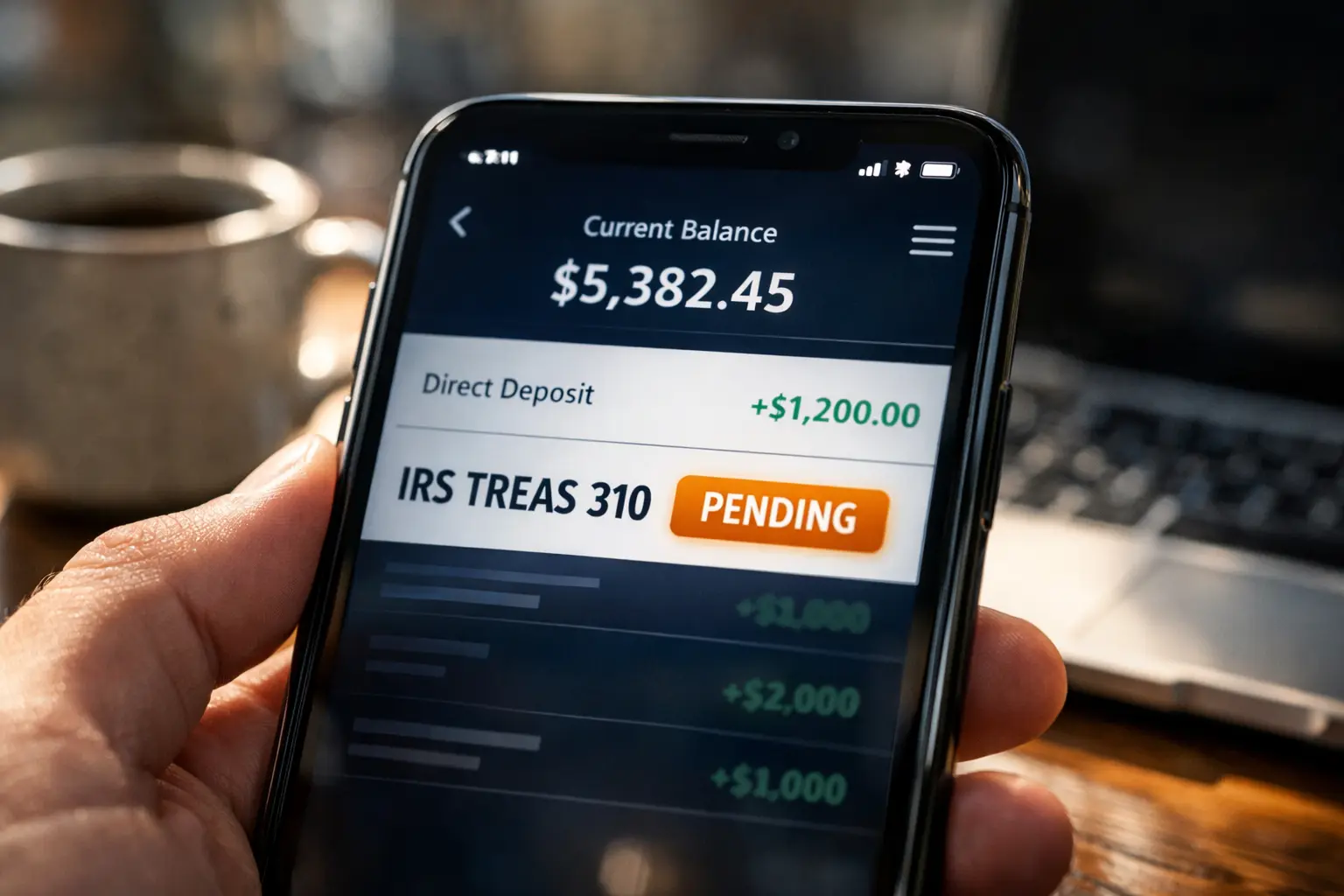
This historic liquidity movement includes both IRS tax refunds and Social Security benefits that millions of households expect today. While the Bureau of the Fiscal Service confirms the successful broadcast of these files the actual arrival time varies significantly. Many citizens feel intense anxiety as they watch neighbors confirm available balances while their own apps show zero.
This discrepancy creates a high-tension atmosphere across the country during this critical settlement window. You can verify the operational health of these payment rails on the official Federal Reserve Service Status website right now.
Institutional Mechanics of Federal Fund Batching
The speed of treasury deposits moving through banks depends largely on how individual financial institutions handle incoming automated clearing house batches. Many fintech companies and smaller credit unions prioritize immediate availability to gain a competitive edge.
These institutions often use early credit models that release funds the moment they receive a federal notification. In contrast larger national banks often follow a more rigid us money system protocol that includes multiple layers of verification.
This means that a person using a digital bank might receive funds at 4:00 AM while a traditional bank customer waits until noon. This invisible race between banking servers explains why some accounts clear first while others stay pending for hours.
Understanding the Role of Federal Reserve Routing
The us-money-movement-system-settlement-timeline is essential for anyone tracking a high-priority federal payment this morning. The Treasury Department typically sends out massive data files in waves to prevent the national banking grid from experiencing a crash.
These waves are picked up by the Federal Reserve and routed to the specific routing numbers of every bank. The ssa national system processing hub manages this flow to ensure every transaction meets strict security standards.
If your bank currently shows a pending status it means they have the record but are waiting for the next cycle. Most banks run these cycles every three to four hours during a major federal payout day.
Defining True Liquidity Versus Pending Balances
The concept of true liquidity available is the most important factor for families trying to pay bills on a Tuesday morning. Even if your mobile app shows a pending deposit you cannot always spend those funds immediately for transfers. Banks must reconcile their internal ledgers with the Federal Reserve before they allow the final withdrawal of government cash.
This creates a period of artificial delay where you can see the money but cannot use it. This banking liquidity shift is a standard risk management practice used by major national institutions. They want to ensure the federal file is 100 percent accurate before they take the risk of releasing the capital.
The Handshake Between Government and Private Banks
The official us money movement system settlement involves a complex handshake between the government and your local branch. This morning the Treasury is using same-day settlement windows to push as much cash as possible into the economy. However the sheer volume of the next deposit wave can create digital bottlenecks at regional processing centers.
These centers act as filters that sort millions of payments before they reach your specific account number. If your payment is for a significant amount like an IRS refund it may undergo extra scrutiny. This extra layer of safety is why some federal deposits seem to take longer than a standard check.
New National System Security Protocols
Many people are noticing that their ssa accounts suddenly showing new messages regarding the status of their March benefits. These messages often indicate that the account is in a final verification stage before the bank release. This happens because the major social security changes implemented this year require new data headers for every transaction.
These headers provide better security but they also mean your bank server must spend more time reading each file. This is why the overnight bank clearing process felt slightly slower for many people this morning. These technical barriers are temporary and usually resolve by the time the West Coast banks open.
Analyzing the Discrepancy in Portal Updates
The current federal payment status you see on government websites might not match your bank app for several hours. This lag is a frequent source of panic for people who are checking their balances every ten minutes. It is important to remember that the Treasury portal updates much faster than the average consumer banking portal.
While the government says the money is sent your bank may still be running its bank posting timing routine. Most banks prefer to update their public-facing systems in large blocks rather than individual updates. This strategy allows them to maintain stability while processing millions of incoming federal dollars simultaneously.
Financial Pressure and Consumer Expectations
The anxiety surrounding the arrival of these funds is often tied to the settlement window timing of household expenses. Many landlords and utility companies expect payments on a strict schedule which puts immense pressure on recipients.
If your treasury deposits moving through banks are not available by 9:00 AM it can ruin your planning for the day. This is especially true for those who saw their irs and ssa status changed overnight and expected cash at sunrise. The reality is that federal money often moves in a way that feels unpredictable to the consumer. Experts suggest waiting until at least noon before assuming there is a major problem.
What to Do If Your Funds Are Still Missing
For those who do not see their funds today the recovery process begins with identifying the location of the file. You can check the direct deposit pending section of your bank app to see if a future date is listed. Sometimes the Treasury sends the money early but the bank must hold it until Wednesday.
This often happens with Social Security payments scheduled for the second Wednesday of the month. If your bank confirms they have no record of the payment you should check the official Social Security website. Look for any ssa login alert notices that might explain a regional delay.
Moving Toward Real-Time Federal Payments
Ensuring that you have the right settings on your bank account can speed up your access to federal cash. Many people have moved to digital-first banks that specialize in faster processing during these windows. These banks often use the latest technology to bridge the gap between the government and the consumer.
If you are still waiting on a traditional bank you are experiencing the legacy speed of older rails. While these systems are safe they are not always the fastest way to get your money on a Tuesday. Most experts believe that the entire national system will move to an instant model soon.
National Economic Stability and Staggered Payouts
The government ensures the stability of the entire economy by managing the speed of these massive payouts. If every person in America received their where is my federal payment today march deposit at the same second it would crash the grid. The staggered release of treasury deposits moving through banks acts as a safety valve for the financial heart.
This allows every local branch to handle the influx of cash without their servers failing. While it feels frustrating on an individual level it is a necessary part of a stable national economy. Your money is protected by federal laws and will be available as soon as the system completes its cycle.
Author