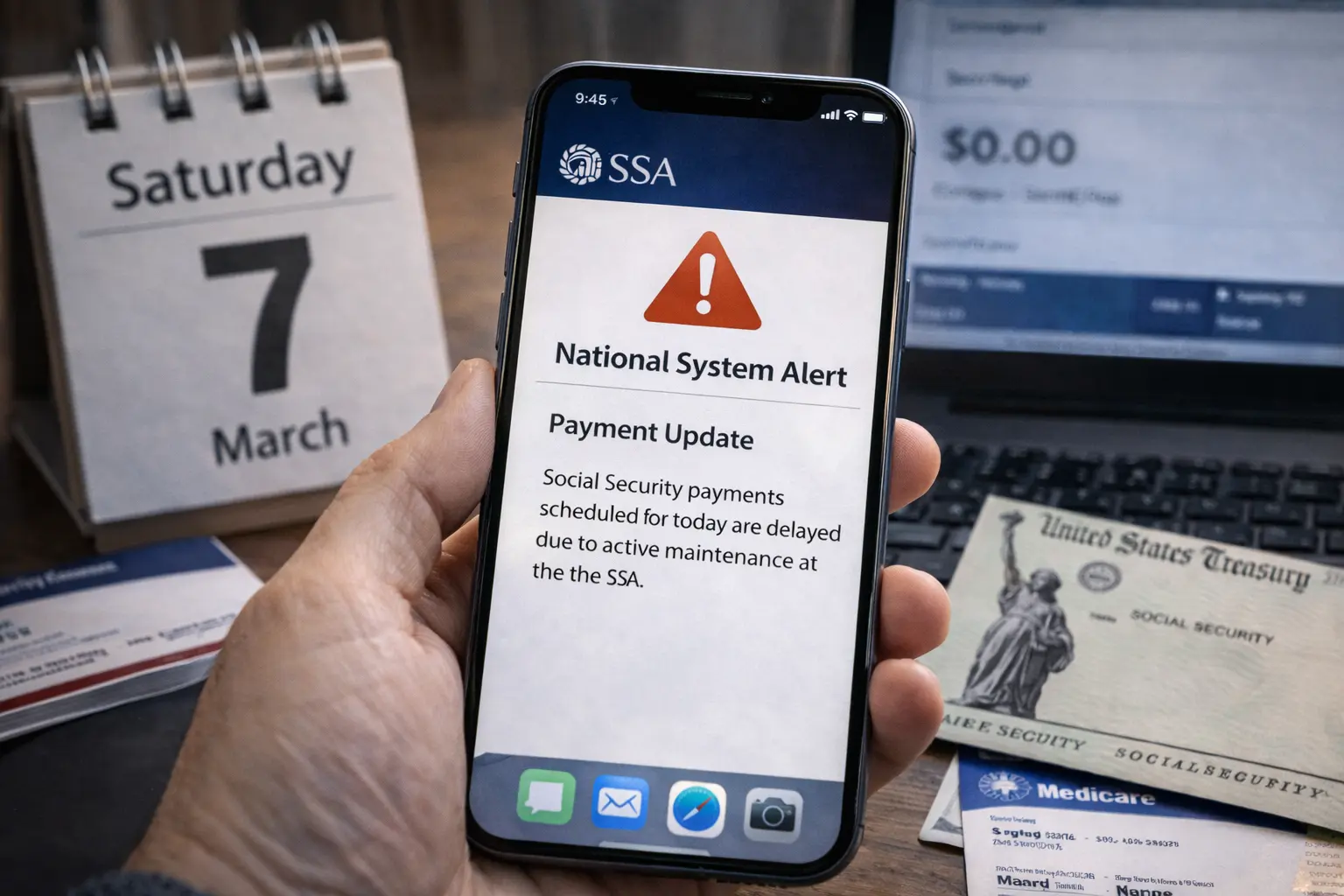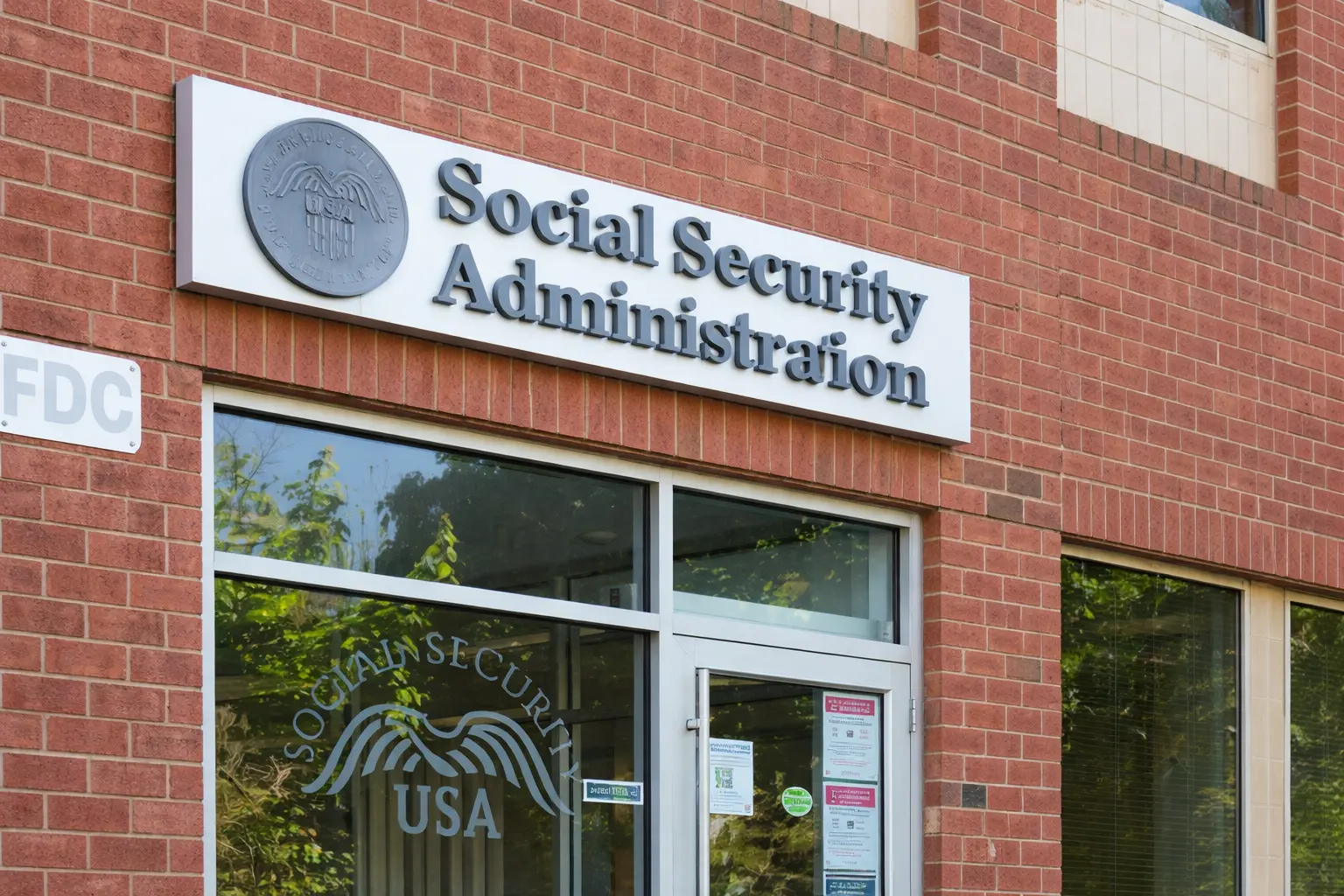
Across the United States this week, millions of Social Security beneficiaries began hearing about a major change arriving on March 7, 2026 and many immediately wondered the same thing: Will this affect my benefits or payments?
Search activity surged as discussions spread about a new nationwide system inside the Social Security Administration. The agency is launching one of the most significant operational changes in decades, replacing its long-standing office-by-office service structure with a centralized national network designed to manage appointments, claims, and service requests across the country.
For years, local Social Security field offices handled cases based on geography. That meant service speed often depended on where someone lived. Starting March 7, that structure begins to shift.
New systems, including the National Appointment Scheduling Calendar and National Workload Management network, allow cases to be distributed nationwide rather than handled only by a local office.
The change has created both curiosity and confusion among beneficiaries. More than 71 million Americans receive retirement, disability, or survivor benefits through Social Security, and many are trying to understand whether the new system will affect their payments.
The key point: monthly benefit amounts and scheduled deposits are not being reduced or canceled.
Instead, the update focuses on how administrative requests move through the agency’s internal system. For beneficiaries, it primarily affects how appointments, claims processing, and service interactions are handled moving forward.
Why the National System Launch Matters Right Now
The timing of this rollout is drawing attention nationwide. The new system begins as the March federal payment cycle moves through the banking network, a period when many beneficiaries are already checking their accounts and watching for updates from the Social Security Administration.
One of the main goals is to reduce long processing delays. Some disability claims currently take more than 230 days to process. By shifting to a national workload system, the agency plans to distribute cases across multiple offices and move requests through the system faster.
At the same time, some advocacy groups say the change could create concerns for complex cases. Instead of speaking with a local specialist, a representative in another state may now handle certain claims as the nationwide system begins operating.
Why Attention Is Rising Today
Interest around the March 7, 2026 update has accelerated. The Social Security Administration prepares to expand its centralized scheduling and claims processing systems nationwide. As administrative changes approach their implementation date, beneficiaries often check how the shift affects appointments, claim reviews, or communication with local offices.
Recent online discussions focused on whether the change alters payment schedules or requires action from current recipients. Available guidance indicates the transition is primarily operational. It aims to improve how the agency distributes service requests across its national network.
While the update modernizes internal workflows, the Social Security Administration expects to continue monthly retirement, disability, and survivor payments under the same established schedule. If you have concerns, you can track your SSA payments updates through official channels.
What the March 7 Administrative Shift Actually Means
Beginning March 7, 2026, the Social Security Administration expands a centralized national processing structure. This structure distributes appointment requests and claims more evenly across the country. Historically, local field offices handled many services almost entirely.
Under the expanded national system, a broader digital network may coordinate certain claims and scheduling requests. These requests no longer remain limited to a single regional office. The agency designed this change to reduce processing backlogs.
These backlogs grew in recent years as more Americans reached retirement age and disability applications increased. A centralized system allows the agency to route cases to available staff across multiple regions. This helps the agency process requests faster and maintain consistent service standards.
Why the Change Is Happening Right Now
The Social Security Administration has spent several years upgrading internal systems to handle rising demand. Millions of new retirees enter the system each year. Disability claims and survivor benefit requests continue to grow. At the same time, staffing levels at local field offices fluctuate depending on region and resources.
Centralized claims routing allows the agency to distribute workloads more efficiently. A claim no longer waits for staff in one specific location. Instead, it moves through a national processing queue. Available personnel can review and complete it there. The technology upgrade also improves tracking tools. Applicants can now see clearer status updates on their accounts.
Will Monthly Social Security Payments Change
The administrative shift does not affect benefit payments themselves. Retirement, disability, and survivor benefits will continue following the same monthly payment schedule used for years. The agency still issues payments according to eligibility category and birthdate timing. For beneficiaries who receive deposits through direct deposit, the federal payment infrastructure continues moving the funds before they appear in bank accounts.
That process involves Treasury authorization, settlement through the federal payment network, and final posting by individual banks. The March system update does not change those steps. You can learn more about the direct deposit process to understand how these funds arrive.
Will Social Security Beneficiaries Notice Any Differences Today?
Although payments continue normally, individuals interacting with the Social Security Administration for appointments, claim adjustments, or documentation may notice new communication methods. Updated digital channels may send scheduling confirmations. National call centers may coordinate certain requests rather than a single local office.
Transitions involving large administrative systems can occasionally create temporary confusion as new procedures take effect. In most cases, these changes simply reflect the agency shifting how it organizes requests behind the scenes. They do not alter benefits themselves. If you are ever worried about an SS deposit not showing on time, you can visit the official SSA website to view your payment schedule.
How the Federal Payment System Still Delivers Benefits
Even with administrative updates underway, the financial pipeline that delivers Social Security payments remains the same. Once the Social Security Administration authorizes a payment, the funds move through Treasury release and settlement networks. They reach the receiving bank after that. After settlement occurs, individual banks determine when deposits appear in customer accounts based on their internal posting schedules.
Readers who want to understand this infrastructure in greater detail can review explanations of the federal payment timeline. They can also learn about ACH liquidity and examine how the broader U.S. payment system works from authorization to bank availability.
The Bottom Line
The March 7 administrative shift represents a modernization effort inside the Social Security Administration. It does not represent a change to benefits themselves. The agency designed centralized scheduling and national claims routing to improve efficiency. It must do this as the number of beneficiaries continues to grow nationwide.
For the vast majority of recipients, monthly payments will arrive exactly as scheduled. The most noticeable differences will occur behind the scenes. The agency will change how it handles appointments, claims processing, and service coordination across its expanding national system.