
The U.S. economy grew at a 2.2% annual rate in the second quarter of 2026, substantially stronger than previously estimated, as new data raised estimates of business investment and consumer spending.
The Bureau of Economic Analysis revised real gross domestic product growth for April through June up from 1.5% in its second estimate, a 0.7-percentage-point revision, in its third estimate of second-quarter GDP, released September 30 at 8:30 a.m. EDT. First-quarter growth was also revised higher, to 2.5% from 2.1%.
The figures are seasonally adjusted and reported at annual rates. According to BEA Table 1.1.1 on real GDP growth, the second-quarter increase came from consumer spending, investment and exports, while higher imports subtracted from GDP.
Investment and consumer spending explain most of the revision
The most important change was inside investment. BEA said in its detailed third-estimate release that the upward revision included both private inventory investment and private fixed investment. Inventory estimates were raised for nonfarm businesses, including wholesale trade and mining, utilities and construction, while farm inventories were also revised higher.
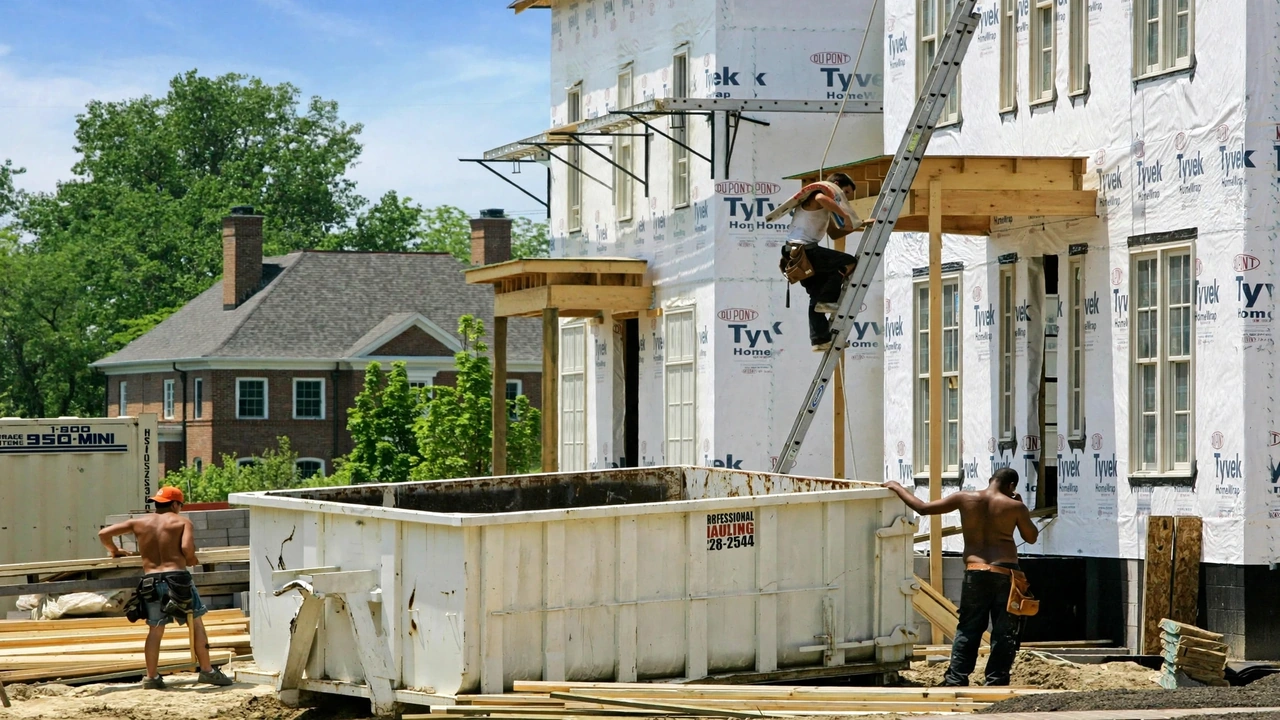
Within fixed investment, BEA identified stronger nonresidential structures particularly commercial and health-care construction, including data centers as a leading source of revision. Residential investment was also raised, led by home improvements. Those estimates incorporated revised Census construction data and Bureau of Labor Statistics payroll information.
Consumer spending was revised higher across both services and goods. Services revisions were led by recreation and other services, partly offset by weaker transportation services, while goods spending was lifted mainly by recreational goods and vehicles, including information-processing equipment. BEA also revised federal defense spending higher because of updated seasonal-adjustment factors.
Private domestic demand accelerated much faster than headline GDP
The stronger signal underneath the headline is real final sales to private domestic purchasers, which combines consumer spending with private fixed investment and strips out several more volatile GDP components.
According to BEA’s revised second-quarter estimates, that measure increased at a 4.6% annual rate in the second quarter, up from the previous estimate of 4.2%. It had grown only 1.8% in the first quarter after BEA’s annual revisions.
That means private domestic demand accelerated by 2.8 percentage points from the first quarter to the second, an Investozora calculation using BEA’s revised figures. It also grew 2.4 percentage points faster than headline GDP during the second quarter.
That distinction matters because GDP itself slowed modestly from the revised 2.5% first-quarter pace to 2.2%, while the private-demand measure accelerated sharply.
In an Investing.com analysis published by Adarsha Dhakal, the earlier 4.2% estimate for private domestic demand was identified as an important counterpoint to the then-reported 1.5% GDP growth rate. The third estimate strengthens that distinction: BEA now puts private domestic demand at 4.6% while simultaneously raising headline GDP to 2.2%.
Income data also moved closer to the stronger growth picture
BEA reported in the same third-estimate GDP release that real gross domestic income, which measures economic activity from the income side rather than the expenditure side, increased 2.6%, revised from 2.2%. The average of real GDP and real GDI rose 2.4%, up from the previous 1.8% estimate.
The revision therefore was broader than a single spending category. Output, income and private domestic demand all now show stronger second-quarter activity than the previous vintage suggested.
The annual update also changed the comparison period itself. BEA raised first-quarter GDP to 2.5%, while first-quarter real GDI was revised sharply higher to 2.5% from 1.2%.
For monetary-policy context, Investozora has separately examined the Federal Reserve’s 2026 growth and inflation outlook and the September rate increase to a 3.75%–4.00% target range. The GDP revision does not by itself determine the Fed’s next decision; it changes the evidence policymakers have on the strength of demand.
According to BEA’s current release schedule, the advance estimate for third-quarter 2026 GDP is scheduled for October 29 at 8:30 a.m. EDT. That release will show whether the stronger second-quarter private-demand picture carried into July through September.