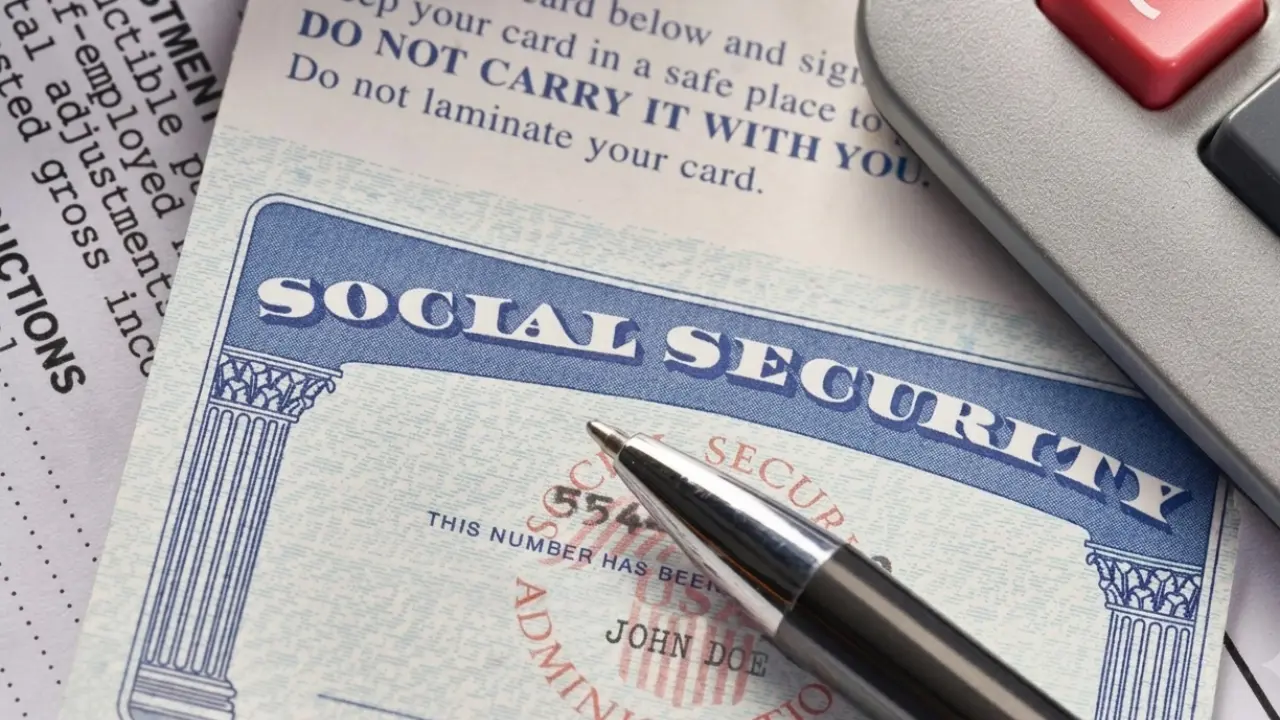
The Committee for a Responsible Federal Budget proposed capping Social Security benefits at $100,000 per year for high-earning couples. The Social Security Administration serves approximately 70 million Americans and has not issued an official response to the proposal.
A new proposal would cap Social Security benefits at $100,000 per year for wealthy couples, and it is landing at the worst possible moment for the agency responsible for delivering your April check.
The Social Security benefit cap proposal comes from the Committee for a Responsible Federal Budget. The think tank argues capping benefits for high earners could help close the program’s long-term funding gap. USA Today, CBS News, CNBC, and Fox Business all reported on it within hours of each other on Wednesday morning.
For most of the 70 million Americans who receive Social Security, the $100,000 cap would never apply. The average monthly benefit is approximately $1,976 — well below the proposed annual ceiling. The maximum benefit at full retirement age is about $3,822 per month (2026 estimate).
But the proposal is arriving during a period of significant operational pressure inside the SSA itself. That pressure is worth understanding before your April payment date.
What Is Happening Inside The SSA Right Now
The SSA announced on February 28, 2026 that it is reducing its workforce from approximately 57,000 to 50,000 employees. The agency confirmed this in an official press release on its website. That is a reduction of roughly 7,000 staff handling benefit processing, phone support, and field office operations.
At the same time the agency is implementing a major policy change. Starting April 14, 2026 the SSA will no longer accept direct deposit changes by phone. Anyone who needs to update their bank account information must use their online SSA account or visit a field office in person.
These two changes together mean the SSA is entering April with fewer staff handling more complex in-person and online transactions. For recipients whose April payment goes to a closed or outdated bank account, the resolution process will take longer than it did six months ago.
What The $100K Cap Proposal Actually Changes
The cap proposal does not affect the April 2026 payment cycle. It is a policy proposal — not a law, not a regulation, and not an SSA implementation directive. No Congressional committee has scheduled a vote. The SSA has issued no guidance on implementation.
However the proposal matters for two groups of current recipients right now.
High-earning couples receiving above $8,333 per month combined in Social Security benefits should log into their SSA online account and verify their current benefit amount and banking information. If this proposal moves toward legislation, benefit verification records established now will matter.
Recipients who planned to file for Social Security in 2026 or 2027 should be aware the proposal exists and is generating serious policy discussion. The Committee for a Responsible Federal Budget has a track record of influencing Congressional legislation on entitlement reform.
What To Do Before Your April Payment Date
Three steps. Do them this week.
First: log into your SSA account at ssa.gov/myaccount and confirm your current benefit amount, your scheduled payment date, and your direct deposit bank account information are all correct.
Second: if your bank account has changed in the last 90 days, update your direct deposit information now. After April 14, 2026 you cannot make this change by phone.
Third: if you receive above $4,000 per month in Social Security benefits, document your current benefit statement. Download a copy from your SSA account and save it. If means-testing legislation advances this year, having your current benefit on record is important.
The Social Security benefit cap proposal does not change your April check. The SSA workforce reduction and the April 14 direct deposit deadline do. Focus on what is confirmed and actionable right now.