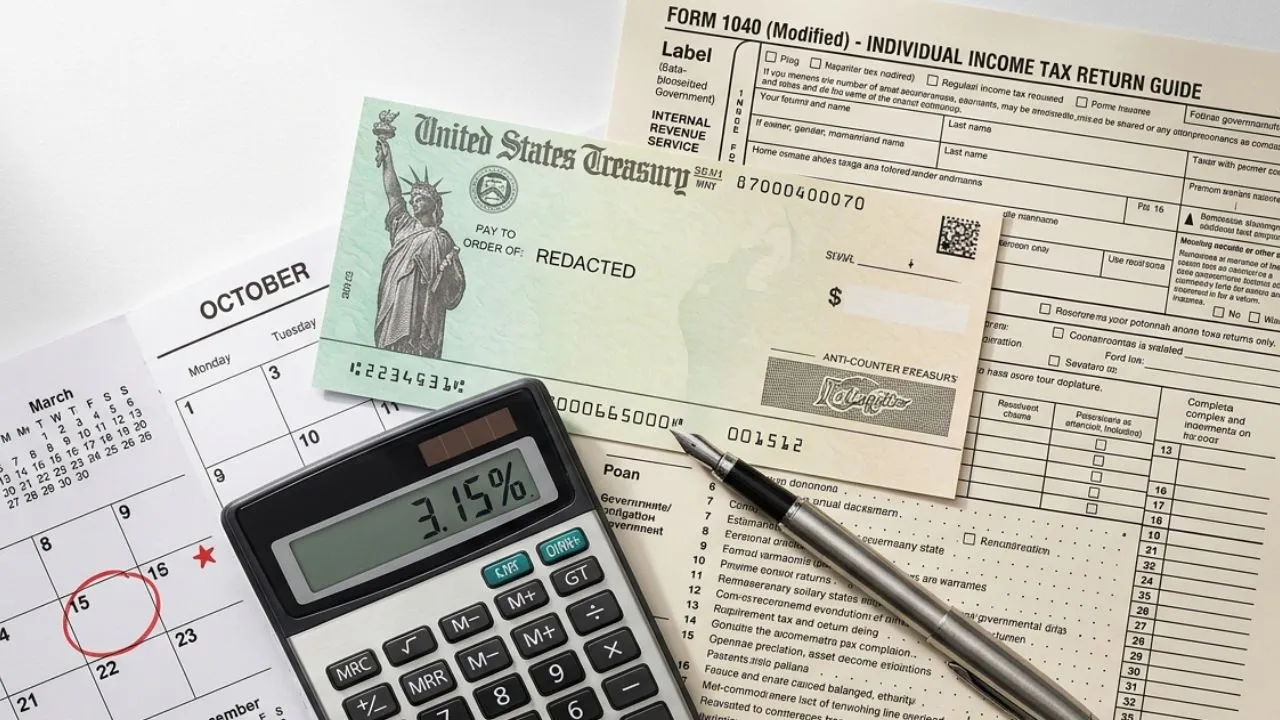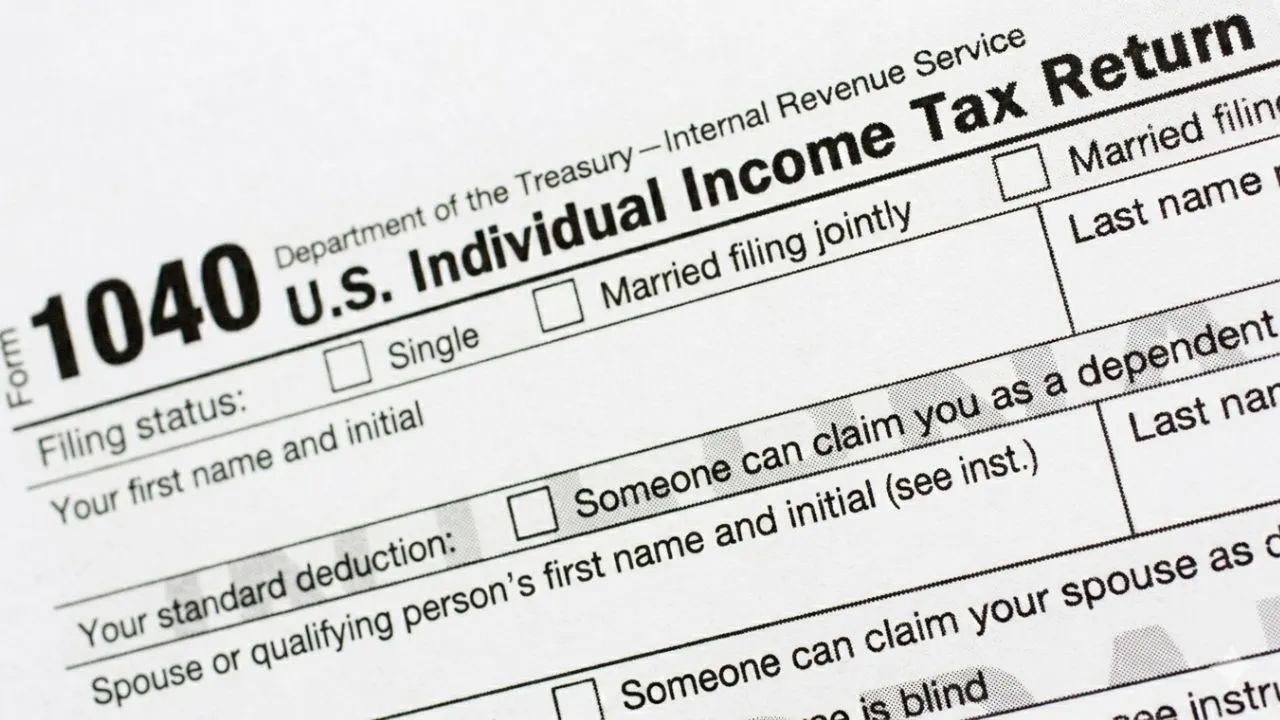


The IRS reports the average refund has reached $3,571 as of March 20, up 10.9% from $3,221 at the same point in 2025. The April 15 filing deadline is 4 days away.
The average IRS refund in 2026 is $350 larger than last year, and most people who have not yet filed still have time to claim it. According to IRS filing data, the agency has issued over $202 billion in total refunds this filing season. That represents a 12.9% jump from the same period in 2025.
The increase is not a coincidence. New federal tax deductions that took effect this year are putting real money back into the pockets of working Americans. If you have not filed yet, your IRS refund may be bigger than you expect.
The April 15 deadline is now just 4 days away. That leaves a narrow window for taxpayers to file, claim every deduction they qualify for, and receive a refund that reflects the full benefit of recent tax law changes.
Over 98% of refunds this season have been issued through direct deposit, and most arrived within 21 days. The money movement system that processes these payments is working. The question is whether you have filed in time to benefit from it.
Three Reasons Your IRS Refund Is Higher in 2026
The single biggest driver of the increase is the One Big Beautiful Bill Act, signed into law on July 4, 2025. This legislation created entirely new deductions that did not exist during the 2025 filing season.
Workers are now claiming these deductions on their 2025 tax year returns, and the result is a measurably larger average IRS refund across the board.
The first new deduction eliminates federal income tax on qualified tips. Service workers in restaurants, salons, rideshare, and other tipped occupations can deduct up to $25,000 in qualified tip income using the new Schedule 1-A.
This deduction phases out for individuals earning above $150,000 and joint filers above $300,000. For a server who earned $20,000 in tips last year, this deduction alone could reduce their taxable income by thousands of dollars. The IRS published Schedule 1-A guidance to help filers claim it correctly.
The second deduction covers qualified overtime pay. Workers covered by the Fair Labor Standards Act can deduct the premium portion of their overtime compensation. That means the “half” of “time and a half” is now deductible.
The maximum deduction is $12,500 for individuals and $25,000 for joint filers. This deduction also phases out above $150,000 in modified adjusted gross income. For millions of hourly workers who regularly put in extra shifts, this creates a direct reduction in taxable income that did not exist before.
The third factor is a combination of updated standard deduction amounts and an expanded Child Tax Credit. The standard deduction for single filers rose to $15,750 and to $31,500 for joint filers. The Child Tax Credit increased from $2,000 to $2,200 per qualifying child.
Together, these changes mean that many families owe less in federal taxes than they did last year, even before accounting for the new tip and overtime deductions. As a result, the average IRS refund reflects all of these provisions hitting at once.
What Taxpayers Should Do Before April 15
Four days remain before the filing deadline, and the most important step is straightforward. File electronically with direct deposit. Returns filed on paper take weeks longer to process, and the IRS is actively phasing out paper refund checks.
Over 98% of refunds this season went through direct deposit, according to IRS data. Filing electronically through IRS Free File or tax preparation software remains the fastest path to receiving your refund. You can check refund status using the Where’s My Refund tool on IRS.gov.
If you work in a tipped occupation, make sure your return includes the Schedule 1-A deduction. You do not need your employer to provide a separate tip breakdown for tax year 2025.
The IRS has issued transition relief that allows workers to calculate their own qualified tip amount from pay stubs and records. The same applies to overtime. If your employer did not separately report overtime premium pay on your W-2, you can still calculate the deductible amount yourself using payroll records.
Check your eligibility for the Earned Income Tax Credit and the Additional Child Tax Credit as well. These credits provide substantial refunds for lower and moderate income workers. Many eligible taxpayers miss these credits simply because they are unaware they qualify.
The IRS refund tracker allows you to monitor your return once filed. If you cannot complete your return by April 15, you can request a filing extension. However, an extension gives you more time to file, not more time to pay. Any estimated tax owed is still due by the deadline.
A Small Group May Also Receive Interest on Delayed Refunds
Some taxpayers are receiving slightly larger refunds because the IRS is paying interest on refunds that were delayed from prior tax years. Under Internal Revenue Code Section 6621, the IRS pays interest when it takes longer than 45 days after the filing deadline to issue a refund.
The interest rate for the second quarter of 2026 is 6% annually, down from 7% in the first quarter. This does not apply to most filers, but it explains why some refund amounts appear higher than expected.
If your prior year refund was delayed, the interest will be included in your payment automatically. You can review our refund processing guide for a full explanation of how IRS refund timelines work.
IRS Filing Actions Before the April 15 Deadline
- File your federal tax return electronically before April 15 and select direct deposit for the fastest refund.
- Claim the Schedule 1-A deduction if you earned qualified tips in 2025, using your own records if your employer did not provide a separate breakdown.
- Claim the overtime deduction if you received qualified overtime pay under the Fair Labor Standards Act during 2025.
- Verify your eligibility for the Earned Income Tax Credit and Child Tax Credit, which can significantly increase your IRS refund.
- If you cannot file by the deadline, submit Form 4868 for an extension, but pay any estimated balance owed by April 15 to avoid penalties.
The average IRS refund this season is $3,571. New deductions for tips, overtime, and an expanded Child Tax Credit mean your refund could be higher than last year. The refund deadline is expiring, and the window to act is closing fast.