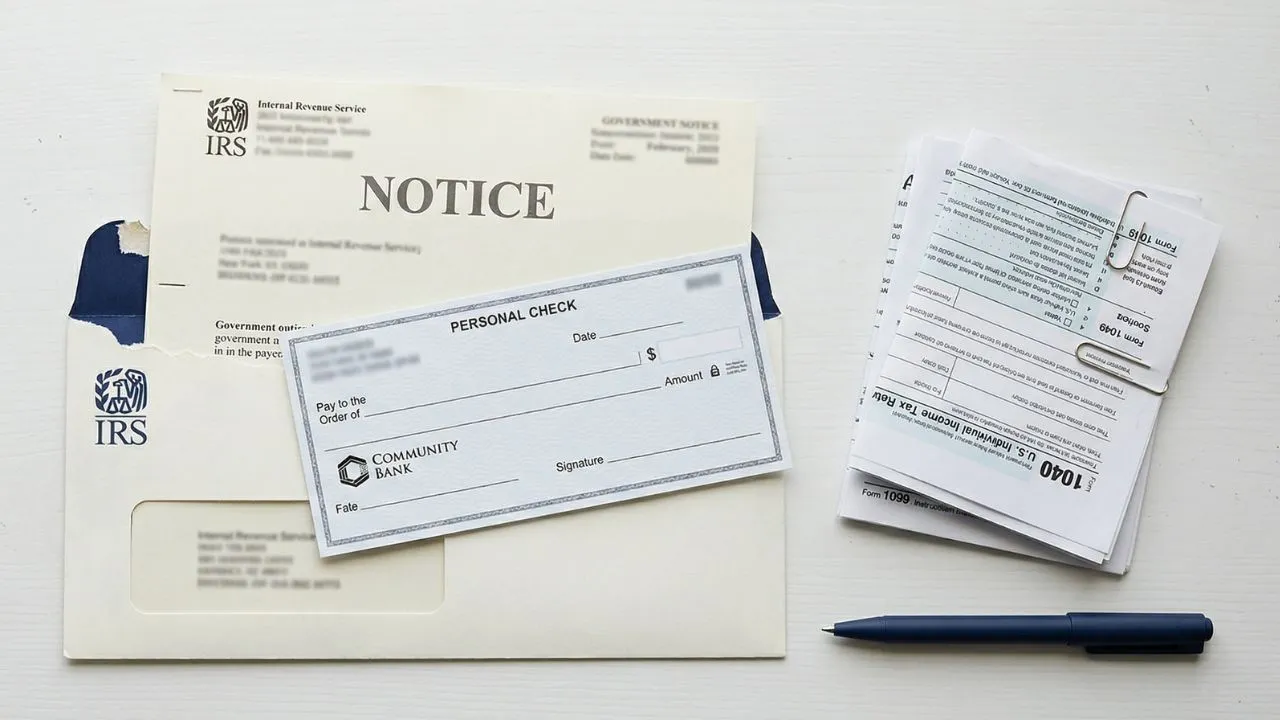


The IRS is currently processing 2025 tax year returns filed before the April 15, 2026 deadline. Taxpayers who filed electronically with direct deposit and have no errors or holds typically see refund deposits within 21 days of acceptance. Check your official refund status at IRS.gov/refunds.
The Individual Master File is the IRS database that controls the timing of every single tax refund deposited into an American bank account, and most of the people waiting on their money right now have never heard of it.
Understanding how the Individual Master File processes your return is the most direct way to interpret the status messages in the IRS app, understand why your refund hasn’t moved in days, and know precisely when to expect your deposit. Your refund does not release until this specific system approves it.
The Individual Master File, commonly called the IMF, is the IRS’s primary database for maintaining every individual taxpayer’s account. It stores your Social Security number, your filing history, your payment records, your refund status, and every transaction code that applies to your return, verified in the IRS’s own published Privacy Impact Assessment.
This is not an administrative side-note. The IMF is the system that physically controls whether your refund gets released to the Bureau of the Fiscal Service for payment or held for further review.
How the IMF Processes Your Return Week by Week
The IMF operates on two distinct processing tracks since the IRS implemented its Customer Account Data Engine 2 system, widely referred to as CADE2. Daily accounts post transactions every business day, Monday through Friday except holidays, with results visible in the IRS’s internal systems the following day and on taxpayer-facing transcripts the day after that.
Weekly accounts, identified by a cycle code ending in the digits 05, post all transactions once per week, specifically on Thursday, per the IRS processing schedule published in the Internal Revenue Manual.
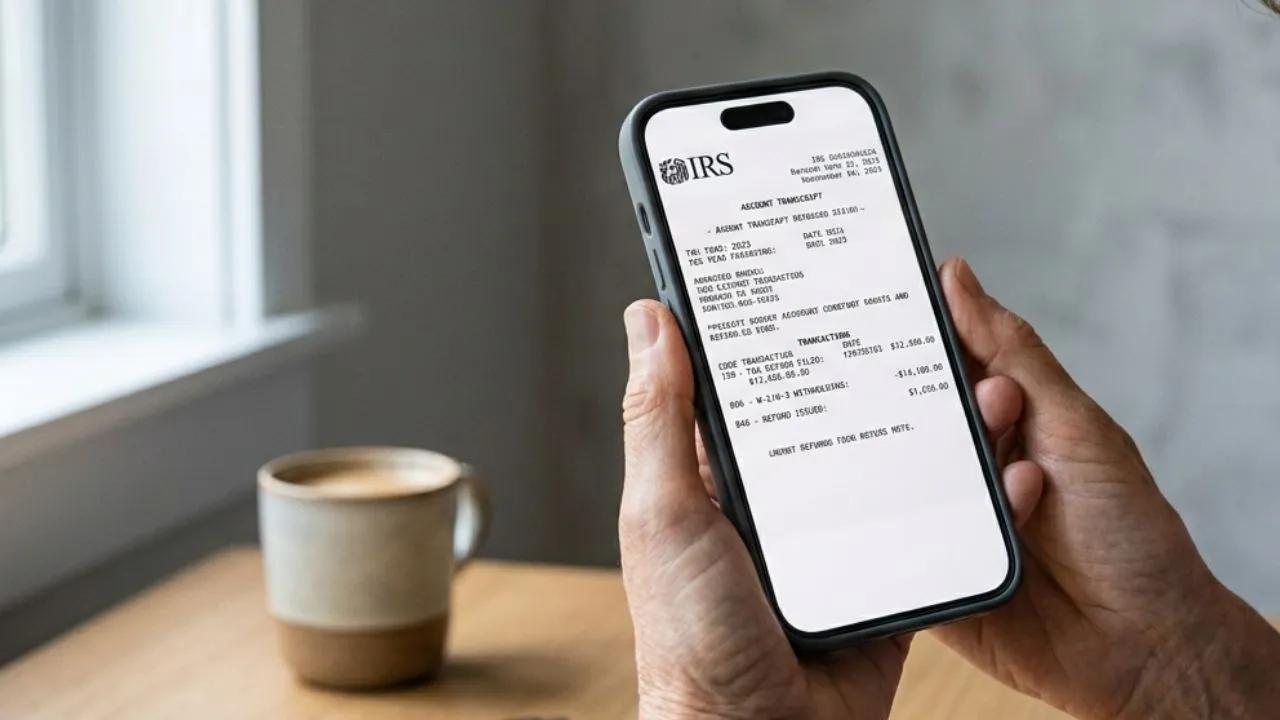
This is where your refund timeline is controlled. Your cycle code is an eight-digit number that appears on your IRS account transcript, accessible for free at IRS.gov. The format is YYYYCCDD. The first four digits are the year.

The next two are the processing cycle week of the year. The final two digits tell you the day of the week your account posted to the IMF: 01 means Friday, 02 means Monday, 03 means Tuesday, 04 means Wednesday, and 05 means Thursday.
A cycle code of 20261803, for example, means your return posted to the IMF during cycle week 18 of 2026 on a Tuesday. Why does this matter for your money? Because the IMF does not issue a refund the moment it posts your return. The system runs what is called a settlement and analysis sequence.
During that process, it checks your return against Social Security Administration records for SSN verification, cross-checks your reported income against third-party information returns submitted by your employer, confirms that no existing tax debts, federal student loan offsets, or child support garnishments apply to your account, and then generates the transaction code that authorizes payment. You can read the full mechanics of this in the IRS’s refund pipeline guide.
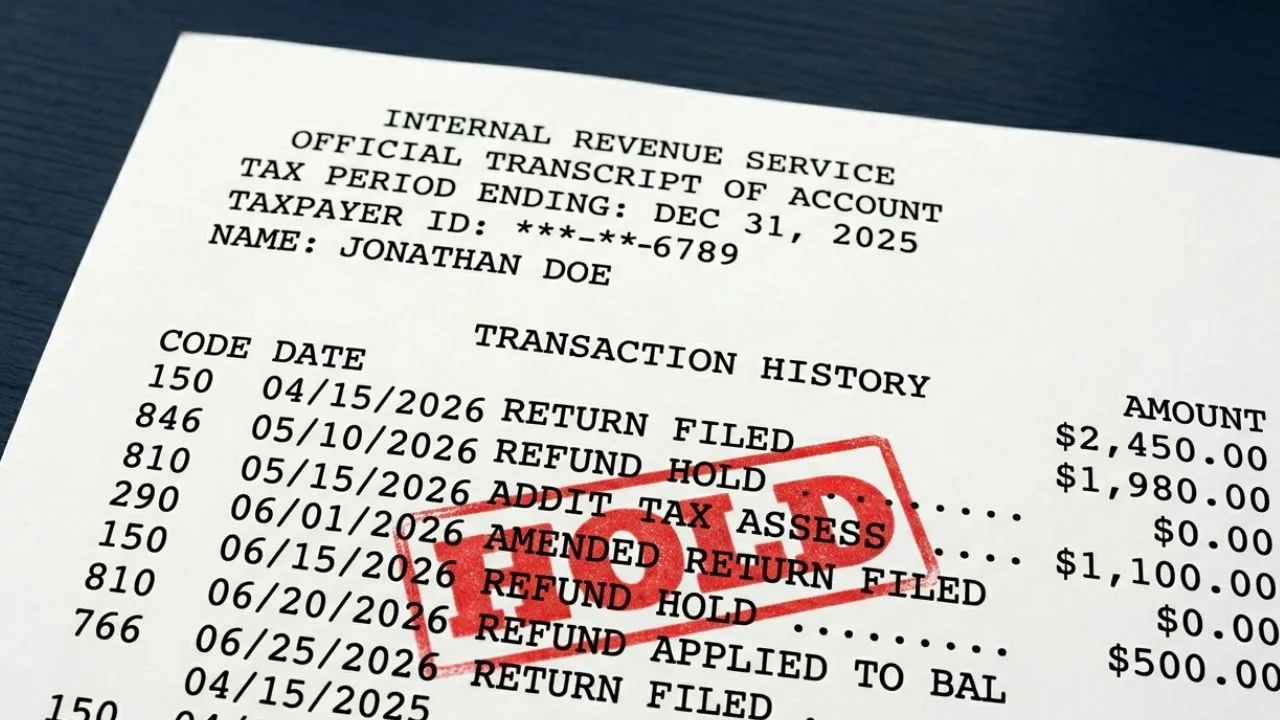
The transaction code you are watching for on your transcript is Code 846. That code, labeled “Refund Issued”, is the IMF’s authorization to the Bureau of the Fiscal Service to construct the payment file.
Without Code 846, your refund has not been released, regardless of what the “Where’s My Refund” tool shows. The IRS Code 846 explanation on Investozora documents exactly what that code means and when it appears.
The Bureau of the Fiscal Service at the U.S. Treasury then receives the authorized payment file from the IRS and routes it through the Federal Reserve’s ACH network to your financial institution. Your bank receives the file typically one to two business days before your official deposit date and may post it early depending on its internal policies. The IRS controls the release.
The Treasury routes the payment. The Fed settles it. Your bank posts it. Each handoff operates on its own schedule, which is why a refund can show as “sent” from the IRS while your bank account still shows nothing, a gap explained fully in federal payment timing.
What Delays the IMF and Holds Your Refund Back
The IMF places your return into a review hold whenever specific conditions are flagged during the settlement analysis. The most common holds follow a precise set of internal rules. Returns claiming the Earned Income Tax Credit or Additional Child Tax Credit are held by law under the PATH Act until mid-February each year, even if you filed in January. The IRS refund delay guide documents the specific statutory basis for this hold.
Transaction Code 570 appearing on your transcript means the IMF has flagged your account for “Additional Action Pending.” This does not mean you are being audited. It typically means the system found a mismatch between what you reported and what a third party reported, or that an identity verification check is in progress.
The account will not move to Code 846 until the Code 570 condition clears. The full operational details of this hold are covered in the IRS Code 570 guide. Returns filed on paper bypass the electronic intake queue entirely and enter a manual transcription process before they ever reach the IMF.
The IRS’s own processing guidelines acknowledge that paper returns take significantly longer, often six to eight weeks under normal conditions, because they must be manually keyed into the system before any automated IMF processing begins.
If you filed on paper, your cycle code will appear on your transcript only after that manual transcription step is complete. Understanding your refund timeline is critical for setting accurate expectations here.
After the PATH Act hold lifts, daily account holders typically see their Code 846 appear and their deposit post within one to two business days of their next IMF processing cycle. Weekly account holders wait until the Thursday processing run.
This is the precise mechanical reason why two people who filed on the same day can receive their refunds on different days, their account types, their cycle codes, and their specific hold conditions are all different variables inside the Individual Master File. If you filed and are still waiting, checking refund status through your IRS online account is the most accurate tool available.
What You Should Do Now
- Log in to your free IRS account and access your tax transcript. Locate your eight-digit cycle code and identify the last two digits to determine whether you have a daily or weekly processing account.
- Look for Transaction Code 846 on your transcript. If it is not present, your refund has not been authorized yet regardless of what the refund tool shows.
- If you see Transaction Code 570, do not call the IRS immediately. Wait one full processing cycle typically one week, to see if the hold clears automatically. If Code 570 remains after two full cycles without a corresponding notice in the mail, contact the IRS at 1-800-829-1040.
- Verify your direct deposit banking information is correct inside your IRS account. A refund sent to a wrong or closed account is governed by specific retrieval rules, detailed at wrong bank account procedures.
- Bookmark the official IRS refund tool and check it no more than once every 24 hours. The system updates once per day, and checking more frequently does not accelerate your Individual Master File processing cycle.