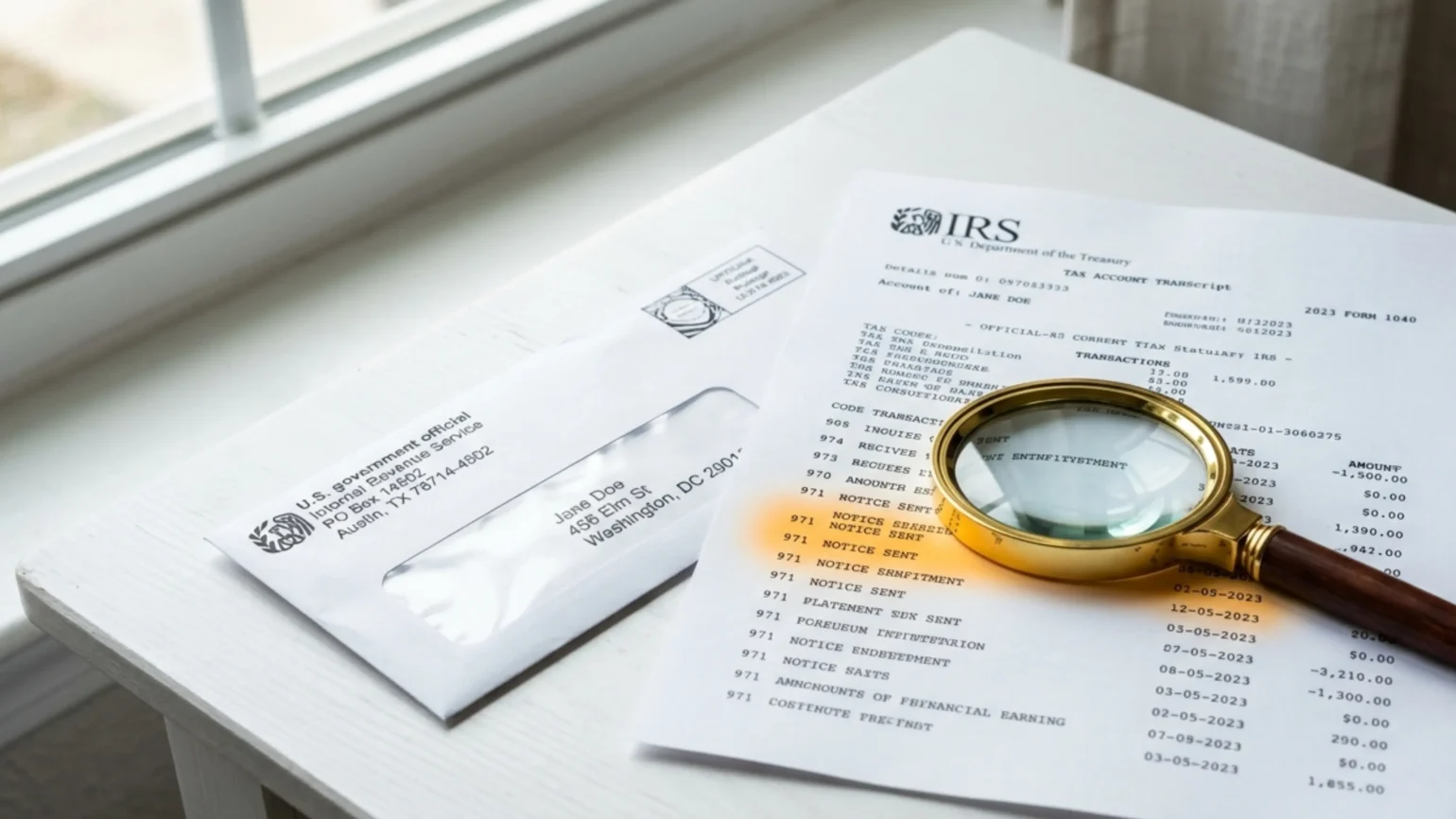
Updated: June 23, 2026 – IRS Code 971 appears on your tax account transcript when the IRS has generated and mailed a formal notice to your address. It does not automatically mean your refund is denied or your return is under criminal investigation.
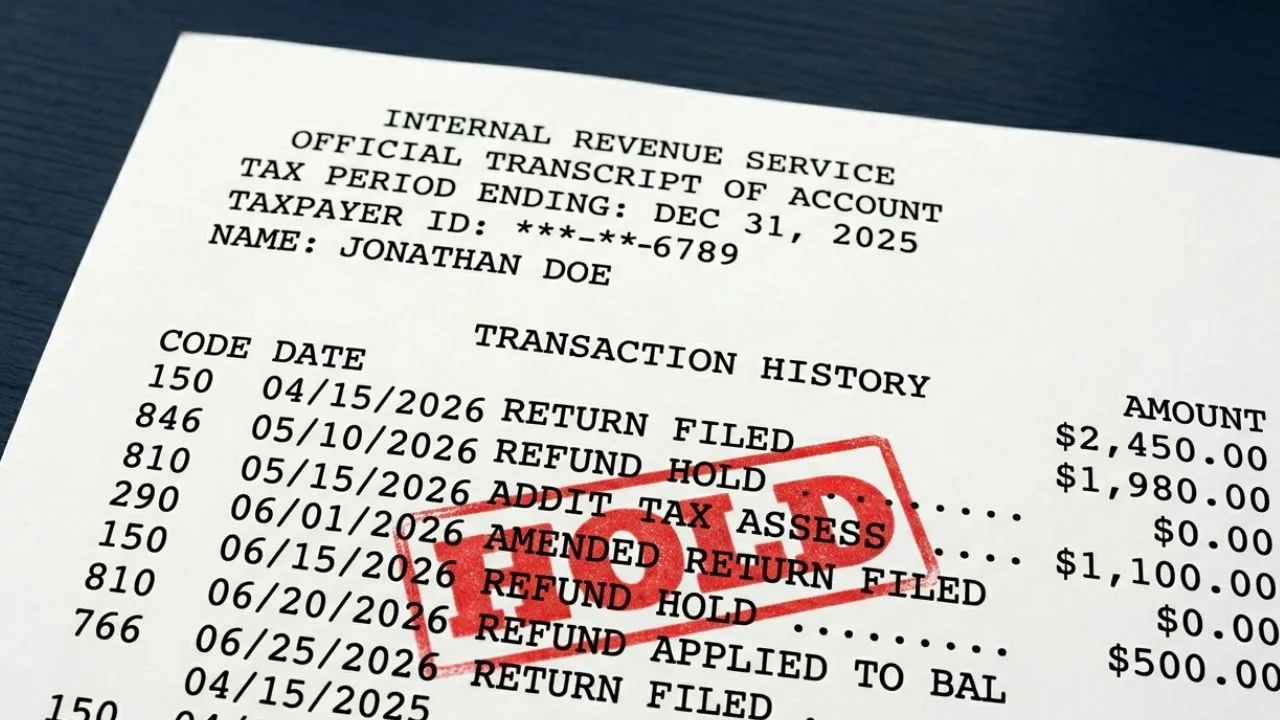
Code 971 is an informational marker recording that a communication event occurred. The specific notice type determines what action, if any, you must take. Code 971 most commonly appears alongside Code 570, which signals an account freeze requiring resolution before your refund processes.
The date next to Code 971 is the notice generation date, not the arrival date at your address. Allow seven to ten business days for mail delivery. Most Code 971 situations resolve within thirty to sixty days when the taxpayer responds promptly to the notice received.
What IRS Code 971 Means
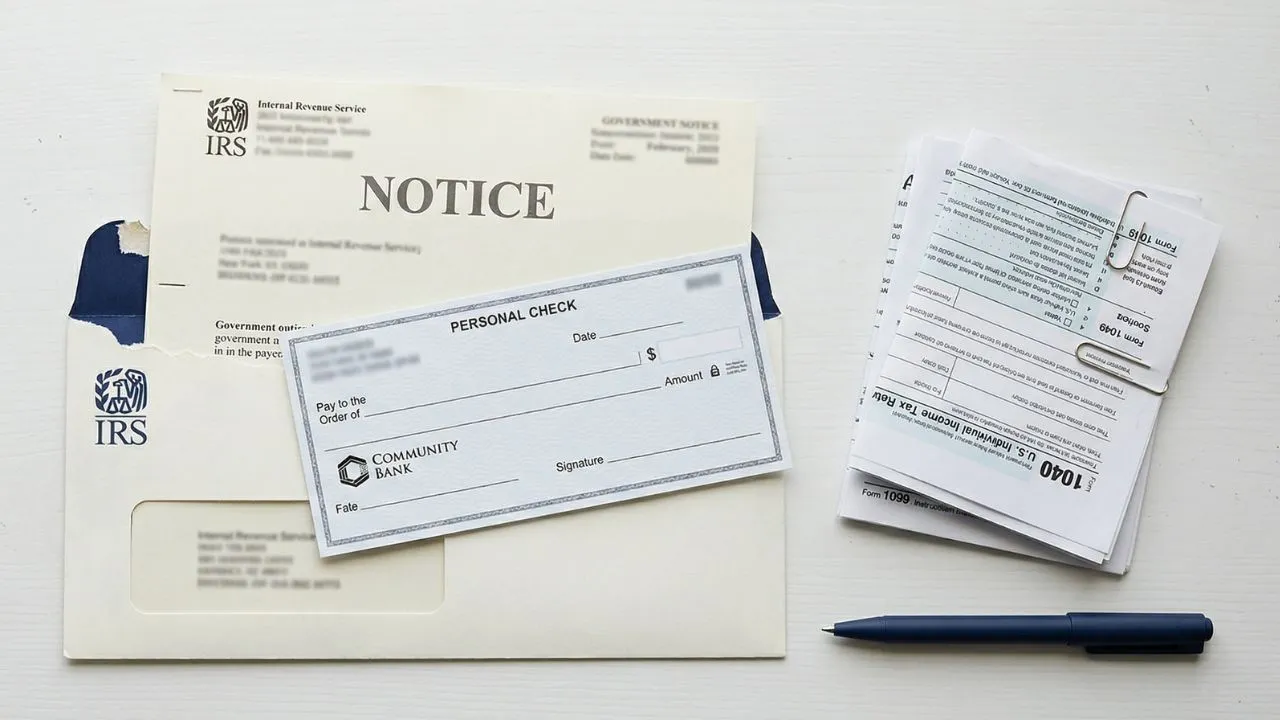
IRS Code 971 on your tax account transcript records that the IRS created and mailed an official notice to the address associated with your tax account. The code itself does not specify which notice was sent. You identify the specific notice by the CP number printed on the document that arrives in your mailbox.
The IRS uses Code 971 across a wide range of administrative actions, from routine informational letters to formal compliance notices requiring a response. Seeing Code 971 on your transcript means a communication event was logged in the IRS Individual Master File system. It does not by itself determine whether your refund will be delayed, reduced, or denied.
Code 971 is one of the most frequently searched IRS transcript codes because it appears in so many different processing scenarios. The IRS Individual Master File is the core database where every taxpayer action is recorded as a numbered transaction code. When you see Code 971, you are reading a raw entry from that database. The notice itself, delivered by mail, contains the human-readable explanation of why it was sent and what you must do.
The Bureau of the Fiscal Service at the U.S. Treasury cannot release your refund payment until the IRS system clears every hold code associated with your account. Code 971 sitting alongside Code 570 creates a processing sequence where the refund disbursement file cannot be transmitted to the Federal Reserve’s FedACH network until the underlying issue is resolved.
Understanding this connection between the IRS transcript and the payment pipeline explains why your refund pipeline timing depends on resolving Code 971 notices promptly.
The Federal Infrastructure Behind It
When you file a tax return, the IRS processes it through a series of automated validation, matching, and compliance filters. Each significant event in that process generates a numbered transaction code logged to your account transcript. Code 971 is one of the final administrative steps before either a hold is placed or a notice is sent to explain a previous hold.
The payment release chain works as follows. First, the IRS validates and accepts your return. Second, the automated systems apply any necessary holds, recorded as Code 570 on your transcript. Third, the IRS generates any required notices and logs Code 971.
Fourth, after the compliance review concludes and any required documentation is received, the IRS posts Code 846, which is the refund issued code. Fifth, the IRS transmits the payment authorization file to the Bureau of the Fiscal Service at the U.S. Department of the Treasury. Sixth, the Bureau submits the payment file to the Federal Reserve’s FedACH network. Seventh, your bank receives the file and posts the deposit to your account.
The entire chain from Code 846 to bank posting typically takes one to five business days, depending on your bank’s posting schedule and whether the settlement date falls on a business day.
The overnight clearing cycles and FedACH business day schedule govern exactly when your bank receives the file. What Code 971 affects is the upstream segment of this chain. Until the notice situation is resolved, Code 846 cannot post, and no payment file can be transmitted.
This institutional connection is why Code 971 deserves prompt attention. It is not a bureaucratic formality. It is a checkpoint in the federal payment authorization system that controls access to your money. The IRS refund status messages you see on Where’s My Refund reflect the upstream status of this same pipeline.
Every Notice Type Code 971 Can Trigger
Code 971 can appear in connection with dozens of different IRS notices. The most common fall into several functional categories.
Identity and authentication notices are the most frequently encountered. The CP01A sends an Identity Protection PIN. The CP05 tells you the IRS is reviewing your return and needs up to sixty days to verify information.
The CP05A specifically requests wage and income documentation. These notices do not mean you are accused of fraud. They mean the IRS’s automated systems flagged a discrepancy requiring human verification.
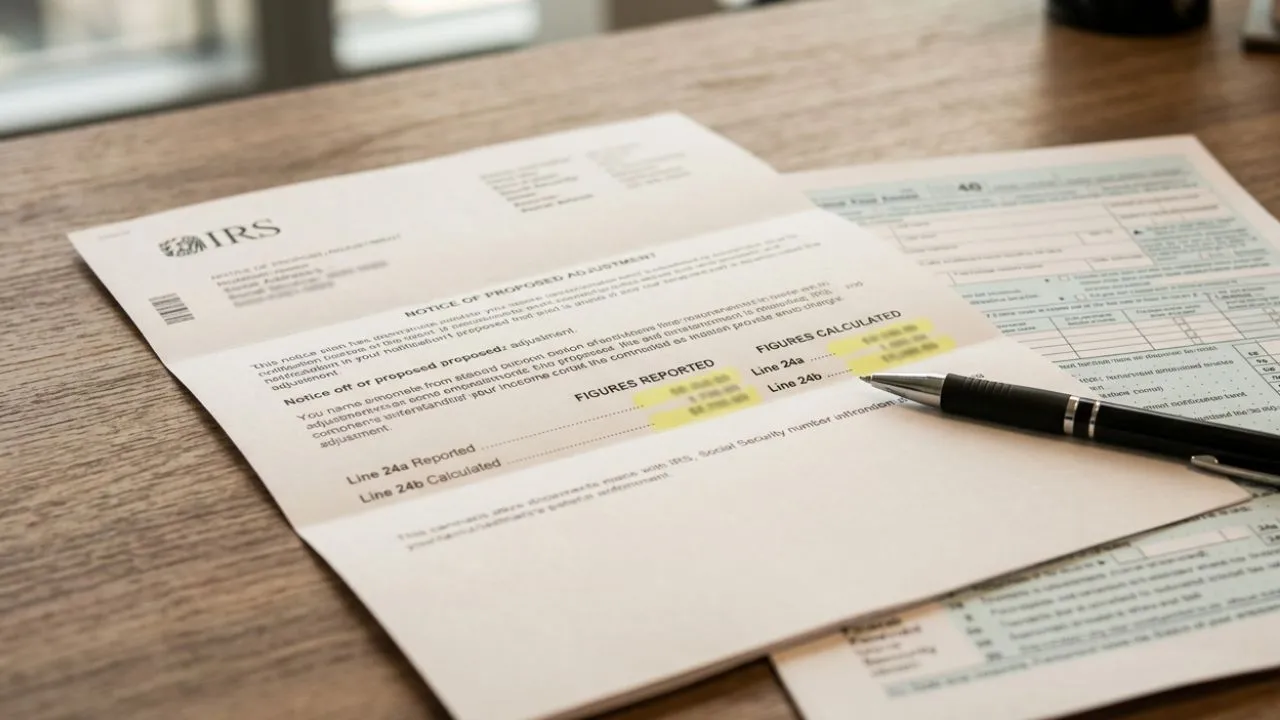
Math error and adjustment notices are the second most common category. The CP11 tells you the IRS changed your refund amount due to a calculation error. The CP12 informs you of changes that resulted in a different refund than you calculated. The CP16 explains an offset applied to your refund for a federal debt. Each of these notices appears on your transcript with Code 971 and typically a corresponding Code 570 preceding it.
The IRS Code 570 guide explains the freeze mechanism in detail. When Code 570 and Code 971 appear together, the 570 represents the hold and the 971 represents the notice explaining the hold. Your refund cannot move until the 570 is released by a subsequent Code 571, and Code 846 follows.
Offset and collection notices represent a third category. When the Treasury Offset Program intercepts your refund to satisfy a federal or state debt, Code 971 appears with the corresponding CP21 or CP22 series notice. The tax refund offset rules explain exactly which debts qualify for offset, in what priority order offsets are applied, and how to dispute an erroneous offset.
Amended return processing generates its own Code 971 pattern. When you file Form 1040-X, Code 971 appears at multiple points during the eighteen-to-twenty-week processing cycle. Each appearance marks a processing milestone rather than a problem. The IRS uses transcript codes to document every step of amended return handling.
Audit and examination notices represent the most serious category. CP2000 notices, which appear when the IRS identifies unreported income through automated matching with W-2s and 1099s, generate Code 971. The IRS CP2000 notice guide explains the response process, which requires a written reply within sixty days of the notice date.
Variations, Edge Cases, and Account Anomalies
The Code 971 with a future date is one of the most confusing variations. When your transcript shows a date in the future next to Code 971, it means the IRS has scheduled a notice to be generated on that future date. This is a system projection rather than a completed action. Check your transcript again after that date passes to see whether the notice actually generated as scheduled.
Duplicate Code 971 entries appear when the IRS sends multiple notices during a single processing sequence. This is common in cases involving both a preliminary review notice and a follow-up documentation request.
Each notice generates its own Code 971 entry. Two Code 971 entries do not mean two separate problems. They mean two separate communications about the same underlying issue.
The Code 971 without a corresponding Code 570 is a different scenario. When Code 971 appears alone without a freeze code preceding it, the notice was informational rather than action-triggering.
The IRS may have sent a confirmation of changes you requested, a notification of account activity, or a routine annual correspondence. These situations generally do not affect your refund timeline.
The PATH Act freeze pattern generates a specific combination that taxpayers often misread. During the mandatory EITC and ACTC verification period, which the PATH Act freeze mechanics explain in detail, Code 570 with a specific date appears alongside Code 971. This is a statutory freeze, not a compliance problem. It resolves automatically after the mandatory hold period ends, typically by mid-February for on-time filers.
Code 971 combined with Code 810 represents the most serious freeze scenario. Code 810 is a refund freeze that can only be released by a tax examiner, not automatically. The IRS Code 810 freeze guide explains the escalation pathway for this specific situation, which requires contacting the IRS directly rather than waiting for the freeze to resolve automatically.
Holiday and processing calendar impacts affect Code 971 dates in ways that confuse many taxpayers. The IRS processes transcripts on weekly cycles, with most updates posting on Wednesday nights for visibility Thursday mornings.
A Code 971 date that falls on a weekend or federal holiday shifts to the next business day. The IRS 21-day refund clock measures from acceptance date, not from the Code 971 date.
When Something Goes Wrong and What to Do
If your refund is delayed beyond twenty-one days and your transcript shows Code 971 with Code 570, the first action is to check your mailbox for the notice. The Code 971 date tells you approximately when it was generated. Allow seven to ten business days for delivery. If the notice does not arrive within two weeks of the Code 971 date, request a transcript of notices through your IRS online account at IRS.gov.
Your IRS online account allows you to view your account transcript, see posted notices in digital form, respond to some notices electronically, and check the status of your case. The online account is the fastest way to identify what the specific notice says without waiting for mail delivery.
If your transcript shows Code 971 alongside Code 570 and the freeze has not resolved after forty-five days, contact the IRS directly. The primary helpline for individual refund inquiries is 1-800-829-1040. Call before 8:00 AM Eastern Time to minimize hold times. Have your Social Security number, filing status, and the exact refund amount from your return available.
The Taxpayer Advocate Service at 1-877-777-4778 provides free assistance to taxpayers experiencing significant financial hardship caused by IRS delays. If your refund delay is causing you to miss rent, utilities, or essential medical expenses, the Taxpayer Advocate Service can expedite your case review. Their mandate is specifically to address situations where IRS processing delays create documented hardship.
If your Code 971 notice is a CP2000 proposing additional tax, respond in writing within sixty days of the notice date. Do not simply pay the proposed amount if you disagree with it. The CP2000 is a proposal, not a bill.
Your written response can accept, partially accept, or dispute the proposed changes, with supporting documentation. The IRS erroneous refund rules explain the related scenario where the IRS claims a refund was paid in error.
What You Should Do Now
- Log into your IRS online account at IRS.gov and download your most recent account transcript.
- Identify the Code 971 entry and note the date listed next to it.
- Count seven to ten business days from that date to estimate when your notice should arrive by mail.
- Retrieve the notice from your mailbox and record the CP number printed on the document.
- Read the response instructions carefully. Most IRS notices provide between 30 and 60 days to respond.
- If your transcript also shows Code 570, check back each Thursday morning to see whether Code 571 has posted, which indicates the freeze has been cleared.
- If Code 971 and Code 570 remain on your transcript for more than 45 days without a Code 846 posting, call the IRS at 1-800-829-1040 or contact the Taxpayer Advocate Service at 1-877-777-4778.
IRS Code 971 marks a communication event in your tax account record. Understanding the complete U.S. federal payment system that your refund must travel through after Code 971 resolves helps you see why prompt notice response directly shortens your wait.