



Updated: June 22, 2026 – If you owe the IRS money and cannot pay the full balance today, a formal installment agreement converts that debt into a structured monthly payment plan that stops collection actions, halts levies, and gives you up to 72 months to resolve the balance.
The IRS processes these agreements through an automated system that evaluates your total debt, your filing compliance history, and your application channel without any human agent involvement for balances under $50,000.
The IRS installment agreement system operates across three distinct tiers in 2026, each governed by a specific debt threshold that determines whether your application receives automatic approval, streamlined processing, or requires a full financial disclosure review.
Knowing which tier your debt falls into before you apply is the single most important factor in whether your application succeeds or fails. A single dollar over a threshold boundary changes the entire application process, the required documentation, and the fee structure. The IRS Online Payment Gateway is the primary application portal and is available between 6:00 AM and 12:30 AM ET.
How IRS Installment Agreement Tiers Work in 2026
The Guaranteed Installment Agreement covers total tax debt of $10,000 or less, inclusive of all accrued penalties and interest. At this threshold, the IRS is legally required to approve the plan if your requested term wraps within 36 months, all prior year returns are filed, and you have not had a prior installment agreement default within the last five years.
No financial disclosure form is required. No asset verification occurs. The application is a statutory right, not a discretionary approval. Setup fees for the Guaranteed tier are $31 for online Direct Debit applications and $130 for online manual payment applications.
The Streamlined Installment Agreement covers debts from $10,001 to $50,000 and allows up to 72 months to resolve the balance. This is the most commonly used tier. Like the Guaranteed tier, it requires no financial disclosure and no asset verification.
The IRS automated system evaluates your application entirely through transcript data: it checks that all prior year returns are filed, that your total liability including penalties and interest does not exceed $50,000, and that your proposed monthly payment meets the minimum threshold. The minimum monthly payment formula the system enforces is exact and non-negotiable.
Calculate Your IRS Installment Plan Below
IRS Installment Agreement Calculator
Updated for strict June 2026 automated IRS threshold and filing parameters. All calculations apply the regulatory 72-month amortization formula.
1. Input Debt Parameters
Enter your total liability including accrued penalties and interest. Range: $1,000 to $100,000.
2. Calculation Output
The formula the IRS automated system applies is:
Minimum Monthly Payment = Total Balance Owed ÷ 72 Months
On a $36,000 balance, the minimum the system will accept is $500 per month. Proposing any amount below this figure triggers an automatic rejection without human review. The system does not flag it or request a correction.
It simply declines the application. Interest compounds daily at the federal short-term rate plus 3%, which means every month a balance remains unpaid, the denominator grows, and the minimum payment required to stay in the Streamlined tier increases.
The Non-Streamlined Agreement applies to balances exceeding $50,000. At this threshold, automatic processing stops entirely. The applicant must submit Form 433-A for individual taxpayers or Form 433-F for businesses, which provide a complete picture of income, assets, monthly living expenses, and existing liabilities.
A tax agent manually reviews this documentation and negotiates a payment structure. Terms can extend to 120 months, but the approval is not automatic. The IRS retains full discretion to accept, modify, or decline the proposal based on the financial disclosure. The IRS tax debt guide covers the complete transcript verification process that precedes any installment application.
The Filing Compliance Requirement Is Absolute
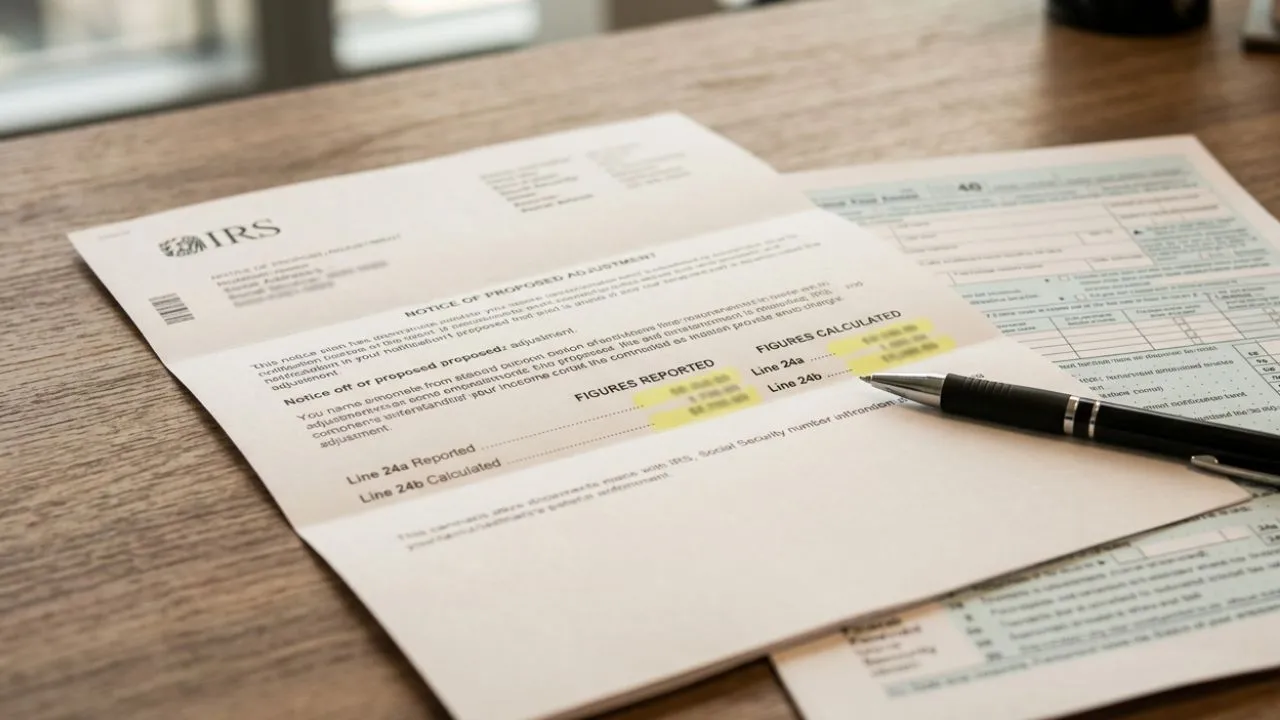
Before the IRS automated system evaluates a single dollar figure in your installment application, it runs a transcript check across every tax year from the prior decade. If any return shows a status other than Filed, the application fails immediately and permanently in that automated session. The system does not return a conditional rejection or a request for correction. It issues a hard failure and closes the application.
This is the most common reason Streamlined applications fail. A taxpayer with a $30,000 balance and a clean payment history discovers that a return from 2021 was never formally filed, only prepared. The return existed. The preparer had it. But it was never submitted. The application fails, collection actions resume, and the taxpayer must file the missing return, wait for it to be processed into the transcript system, and reapply from the beginning.
If you are approaching this process with any uncertainty about prior year filings, log into your IRS online account and request an Account Transcript for each year before submitting the installment application. The IRS individual master file processing framework explains exactly how the transcript system reads and records filing status codes.
The IRS refund status system and the installment agreement system share the same transcript infrastructure. A refund offset under the Treasury Offset Program can also affect an installment agreement if an existing federal debt triggers an automatic seizure of a refund you were expecting to apply toward the balance.
Fee Schedules, Setup Channels and Direct Debit Advantages
The setup fee structure is determined by two variables: the channel through which you apply and the payment method you select. Online applications processed through the IRS Online Payment Agreement platform cost $31 if you elect Automated Direct Debit and $130 if you elect manual payment. Paper applications submitted via Form 9465 cost $107 for Direct Debit and $225 for manual payment.
The Direct Debit Installment Agreement, known as the DDIA, carries two structural advantages beyond the lower setup fee. First, it virtually eliminates the risk of missed payments, which is the most common cause of installment agreement default.
A default reinstates full collection authority, including levy and lien filing, and requires a new application and a new fee to reinstate the agreement. Second, taxpayers with balances between $25,000 and $50,000 are generally required by the IRS to elect Direct Debit as a condition of Streamlined approval, making it not merely advantageous but mandatory in many cases.
The IRS late filing penalty and IRS interest on late refunds both compound in parallel with installment agreement interest, so understanding how these charges accumulate is essential to projecting the actual total cost of a payment plan versus a lump-sum resolution if either option is available.
Common Questions on IRS Installment Agreements
Can the IRS file a tax lien while an installment agreement is active?
For balances under $10,000, the IRS is generally prohibited from filing a Notice of Federal Tax Lien while a Guaranteed agreement is in good standing. For Streamlined agreements covering balances between $10,001 and $25,000, the IRS may file a lien but will typically withdraw it once the DDIA is established. For balances between $25,001 and $50,000 under Streamlined processing, a lien may be filed and will remain until the balance is paid in full.
What happens if a payment is missed?
The IRS sends a CP523 notice, which is a notice of intent to terminate the installment agreement. The taxpayer has 30 days to make the missed payment and bring the account current. If the account is not brought current within that window, the agreement terminates, the full balance becomes immediately collectible, and the IRS can proceed with levy actions.
Can the monthly payment amount be changed after the agreement is established?
Changes to an existing installment agreement require a formal modification request. The IRS charges a $10 fee to modify an existing agreement. The modified agreement must still meet the minimum monthly payment threshold. Requests to reduce a payment below the minimum require Non-Streamlined processing and full financial disclosure regardless of the original balance.
The complete system for how installment agreement payments flow through the federal payment infrastructure after the IRS accepts them is covered in the US money flow guide.
What You Should Do Now
- Log into your IRS online account at IRS and pull an Account Transcript for every tax year going back 10 years. Confirm every year shows a Filed status before submitting any installment application.
- Total your complete liability including all accrued penalties and interest. Determine which of the three tiers, Guaranteed, Streamlined, or Non-Streamlined, your balance falls into.
- If your balance is $50,000 or below, access the IRS Online Payment Agreement portal between 6:00 AM and 12:30 AM ET. Select the Direct Debit Installment Agreement track to minimize setup fees and eliminate missed-payment risk.
- Use the IRS installment agreement minimum payment formula, total balance divided by 72, to confirm your proposed monthly payment meets or exceeds the automated system’s threshold before submitting.
- If your balance exceeds $50,000, consult a tax professional or enrolled agent before applying, as the Non-Streamlined process involves financial disclosure documents that are reviewed by a human agent with discretion over the outcome.






One thought on “IRS Installment Agreement 2026: Step-by-Step Payment Plan Guide @import url("https://fonts.googleapis.com/css2?family=Poppins:wght@400;500;600&family=Source+Sans+3:wght@400;500;600;700&display=swap"); /* ========================================= NORMAL BYLINE ========================================= */ .izo-clean-byline { display: flex; align-items: center; justify-content: space-between; width: 100%; max-width: 620px; gap: 16px; margin-top: 4px; margin-bottom: 16px; font-family: "Poppins", Arial, sans-serif; } .izo-clean-byline-content { display: flex; flex-direction: column; justify-content: center; align-items: flex-start; min-width: 0; gap: 4px; line-height: 1.12; transform: translateY(-4px); font-family: "Poppins", Arial, sans-serif; } .izo-clean-author-wrap { position: relative; display: inline-block; width: fit-content; line-height: 1.12; margin: 0; padding: 0; outline: none; } .izo-by-label { font-family: "Poppins", Arial, sans-serif; font-size: 14px; font-weight: 400; color: #111; line-height: 1.12; margin-right: 3px; } .izo-clean-author-name { position: relative; display: inline-block; font-family: "Poppins", Arial, sans-serif; font-size: 14px; font-weight: 600; color: #111; cursor: pointer; line-height: 1.12; padding: 0; margin: 0; text-decoration-line: underline; text-decoration-color: #111; text-decoration-thickness: 1px; text-underline-offset: 1px; } .izo-clean-author-name::after { display: none; } .izo-clean-meta { font-family: "Poppins", Arial, sans-serif; font-size: 11px; font-weight: 400; color: #555; line-height: 1.12; margin: 0; padding: 0; } /* ========================================= RIGHT ACTIONS GOOGLE + SHARE ========================================= */ .izo-byline-actions { display: flex; align-items: center; justify-content: flex-end; gap: 7px; flex: 0 0 auto; position: relative; top: 6px; } /* ========================================= GOOGLE SOURCE BADGE ========================================= */ .izo-google-source-badge { display: inline-flex; align-items: center; justify-content: center; width: 34px; height: 34px; min-width: 34px; flex: 0 0 34px; padding: 6px; margin: 0; box-sizing: border-box; background: #ffffff !important; border: 1px solid rgba(85,85,85,0.30) !important; border-radius: 6px; box-shadow: none !important; text-decoration: none !important; overflow: hidden; transition: border-color 0.18s ease, background-color 0.18s ease; } .izo-google-source-badge img { display: block; width: 100%; height: 100%; max-width: 100%; object-fit: contain; object-position: center; margin: 0; padding: 0; border: 0 !important; border-radius: 0 !important; background: transparent !important; box-shadow: none !important; } .izo-google-source-badge:hover { background: #ffffff !important; border-color: rgba(85,85,85,0.45) !important; box-shadow: none !important; transform: none !important; } .izo-google-source-badge:focus { background: #ffffff !important; outline: 1px solid rgba(85,85,85,0.45); outline-offset: 2px; box-shadow: none !important; } /* ========================================= SHARE BUTTON ========================================= */ .izo-share-button { display: inline-flex; align-items: center; justify-content: center; width: 34px; height: 34px; min-width: 34px; flex: 0 0 34px; padding: 7px; margin: 0; box-sizing: border-box; background: #ffffff !important; border: 1px solid rgba(85,85,85,0.30) !important; border-radius: 6px; box-shadow: none !important; color: #333333 !important; cursor: pointer; text-decoration: none !important; overflow: hidden; appearance: none; -webkit-appearance: none; transition: border-color 0.18s ease, color 0.18s ease, background-color 0.18s ease; } .izo-share-button svg { display: block; width: 18px; height: 18px; fill: none; stroke: currentColor; stroke-width: 1.8; stroke-linecap: round; stroke-linejoin: round; margin: 0; padding: 0; } .izo-share-button:hover { background: #ffffff !important; border-color: rgba(85,85,85,0.45) !important; color: #111111 !important; box-shadow: none !important; transform: none !important; } .izo-share-button:focus { background: #ffffff !important; outline: 1px solid rgba(85,85,85,0.45); outline-offset: 2px; box-shadow: none !important; } /* ========================================= AUTHOR DETAILS CARD ========================================= */ .izo-clean-author-tooltip { position: absolute; top: calc(100% + 10px); left: 0; width: 440px; max-width: calc(100vw - 40px); background: #fff; color: #333; border: 1px solid #e5e5e5; border-radius: 8px; padding: 16px; font-family: "Source Sans 3", Arial, sans-serif; font-size: 13px; font-weight: 400 !important; line-height: 1.55; box-shadow: 0 8px 24px rgba(0,0,0,0.10); opacity: 0; visibility: hidden; transform: translateY(5px); transition: opacity 0.2s ease, transform 0.2s ease, visibility 0.2s ease; z-index: 9999; pointer-events: none; } /* ========================================= IMAGE + BIO ========================================= */ .izo-tooltip-main { display: flex; align-items: flex-start; gap: 14px; width: 100%; } .izo-tooltip-image { width: 96px; height: 96px; flex: 0 0 96px; object-fit: cover; object-position: center; display: block; border-radius: 6px; margin: 0; padding: 0; } .izo-tooltip-bio { flex: 1 1 auto; min-width: 0; font-family: "Source Sans 3", Arial, sans-serif; font-size: 13px; font-weight: 400; line-height: 1.55; color: #333; margin: 0; padding: 0; } .izo-clean-author-tooltip strong { font-family: "Source Sans 3", Arial, sans-serif; font-weight: 400 !important; } /* ========================================= DESKTOP HOVER ========================================= */ .izo-clean-author-wrap:hover .izo-clean-author-tooltip { opacity: 1; visibility: visible; transform: translateY(0); pointer-events: auto; } /* ========================================= KEYBOARD / MOBILE TAP ========================================= */ .izo-clean-author-wrap:focus .izo-clean-author-tooltip, .izo-clean-author-wrap:focus-within .izo-clean-author-tooltip { opacity: 1; visibility: visible; transform: translateY(0); pointer-events: auto; } /* ========================================= POPUP FOOTER SOCIALS | READ PROFILE ========================================= */ .izo-tooltip-footer { display: flex; align-items: center; gap: 14px; margin-top: 16px; width: 100%; } .izo-tooltip-socials { display: flex; align-items: center; gap: 14px; margin: 0; padding: 0; } .izo-tooltip-socials a { display: inline-flex; align-items: center; justify-content: center; width: 24px; height: 24px; color: #222; text-decoration: none; border: none; transition: opacity 0.2s ease, transform 0.2s ease; } .izo-tooltip-socials a:hover { opacity: 0.72; transform: translateY(-1px); } .izo-tooltip-socials svg { width: 21px; height: 21px; fill: currentColor; display: block; } /* Grey separator */ .izo-tooltip-separator { display: inline-flex; align-items: center; justify-content: center; color: #b5b5b5; font-family: "Source Sans 3", Arial, sans-serif; font-size: 20px; font-weight: 400; line-height: 1; margin: 0 1px; } /* Read profile */ .izo-clean-author-tooltip .izo-profile-link { display: inline-block; font-family: "Source Sans 3", Arial, sans-serif; font-size: 13px; font-weight: 600; color: #1a73e8; text-decoration: none; border-bottom: 1px solid #1a73e8; line-height: 1.25; white-space: nowrap; } /* ========================================= MOBILE ========================================= */ @media (max-width: 650px) { .izo-clean-byline { display: flex; flex-direction: row; align-items: center; justify-content: space-between; width: 100%; max-width: 100%; gap: 7px; margin-top: 3px; margin-bottom: 14px; flex-wrap: nowrap; } .izo-clean-byline-content { display: flex; flex-direction: column; flex: 1 1 auto; min-width: 0; max-width: calc(100% - 68px); gap: 3px; line-height: 1.12; transform: translateY(-4px); } .izo-clean-author-wrap { line-height: 1.12; margin: 0; padding: 0; max-width: 100%; white-space: nowrap; } .izo-by-label { font-size: 12px; line-height: 1.12; margin-right: 3px; } .izo-clean-author-name { font-size: 12px; font-weight: 600; line-height: 1.12; padding: 0; margin: 0; text-underline-offset: 1px; white-space: nowrap; } .izo-clean-meta { font-size: 9.5px; line-height: 1.12; margin: 0; padding: 0; color: #555; white-space: nowrap; } /* ========================================= GOOGLE + SHARE MOBILE STAY ON SAME ROW ========================================= */ .izo-byline-actions { display: flex; flex-direction: row; align-items: center; justify-content: flex-end; gap: 5px; flex: 0 0 auto; white-space: nowrap; position: relative; top: 5px; } /* GOOGLE MOBILE */ .izo-google-source-badge { width: 28px; height: 28px; min-width: 28px; flex: 0 0 28px; padding: 5px; border-radius: 5px; background: #ffffff !important; border: 1px solid rgba(85,85,85,0.30) !important; box-shadow: none !important; margin: 0; } .izo-google-source-badge img { width: 100%; height: 100%; } /* SHARE MOBILE */ .izo-share-button { width: 28px; height: 28px; min-width: 28px; flex: 0 0 28px; padding: 6px; border-radius: 5px; background: #ffffff !important; border: 1px solid rgba(85,85,85,0.30) !important; box-shadow: none !important; margin: 0; } .izo-share-button svg { width: 15px; height: 15px; stroke-width: 1.8; } /* ========================================= MOBILE AUTHOR CARD ========================================= */ .izo-clean-author-tooltip { width: min(340px, calc(100vw - 32px)); max-width: calc(100vw - 32px); padding: 14px; left: 0; font-size: 12.5px; line-height: 1.5; } .izo-tooltip-main { gap: 11px; align-items: flex-start; } .izo-tooltip-image { width: 82px; height: 82px; flex: 0 0 82px; border-radius: 5px; } .izo-tooltip-bio { font-size: 12.5px; line-height: 1.5; } /* Mobile footer */ .izo-tooltip-footer { gap: 11px; margin-top: 14px; flex-wrap: nowrap; } .izo-tooltip-socials { gap: 12px; } .izo-tooltip-socials a { width: 22px; height: 22px; } .izo-tooltip-socials svg { width: 20px; height: 20px; } .izo-tooltip-separator { font-size: 18px; margin: 0; } .izo-clean-author-tooltip .izo-profile-link { font-size: 12.5px; line-height: 1.2; } }
ByAdarsha Dhakal

Adarsha Dhakal is the Founder and Editor of Investozora, an independent U.S. financial news publication he launched in August 2025. He covers IRS tax refunds, Social Security benefit payments, federal payment systems, Federal Reserve policy, and U.S. Treasury operations, explaining how government financial decisions affect the daily lives of American households. All reporting is sourced directly from official government records including IRS.gov, SSA.gov, FederalReserve.gov, and fiscal.treasury.gov.
|
Read full profile →
Published Jun 14, 2026 · 12:25 PM ET · Updated 2 months ago

”