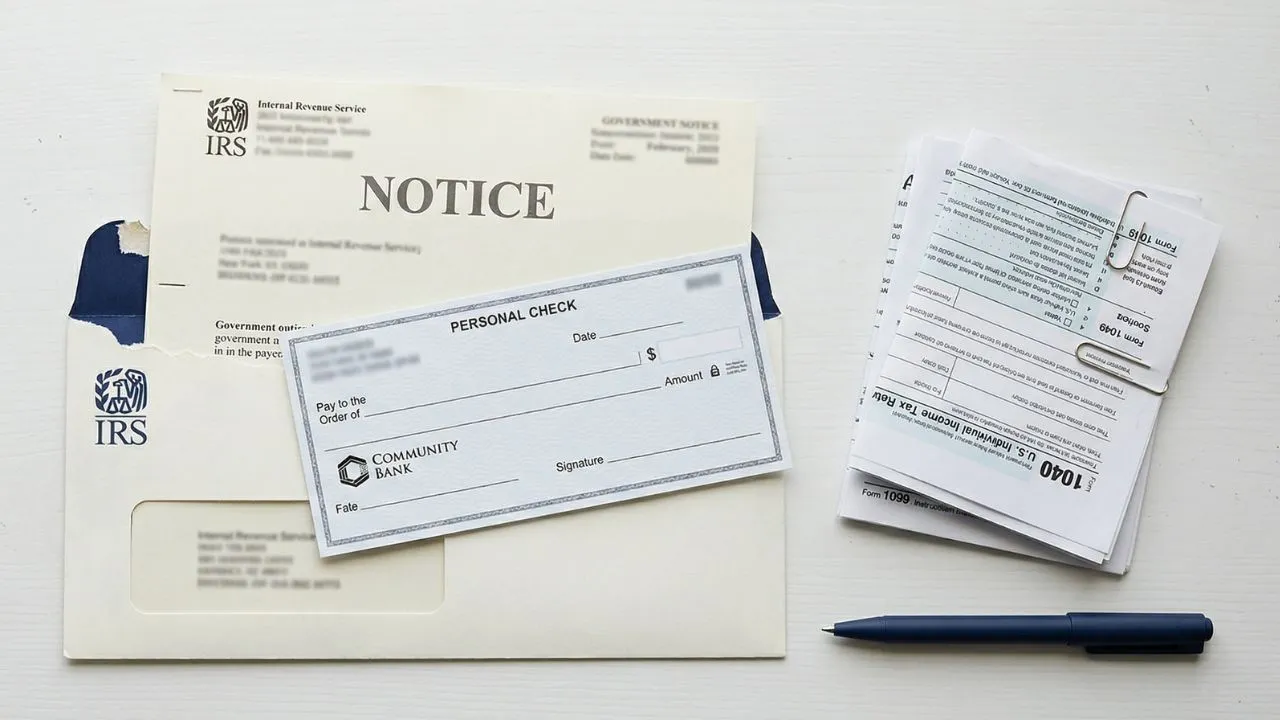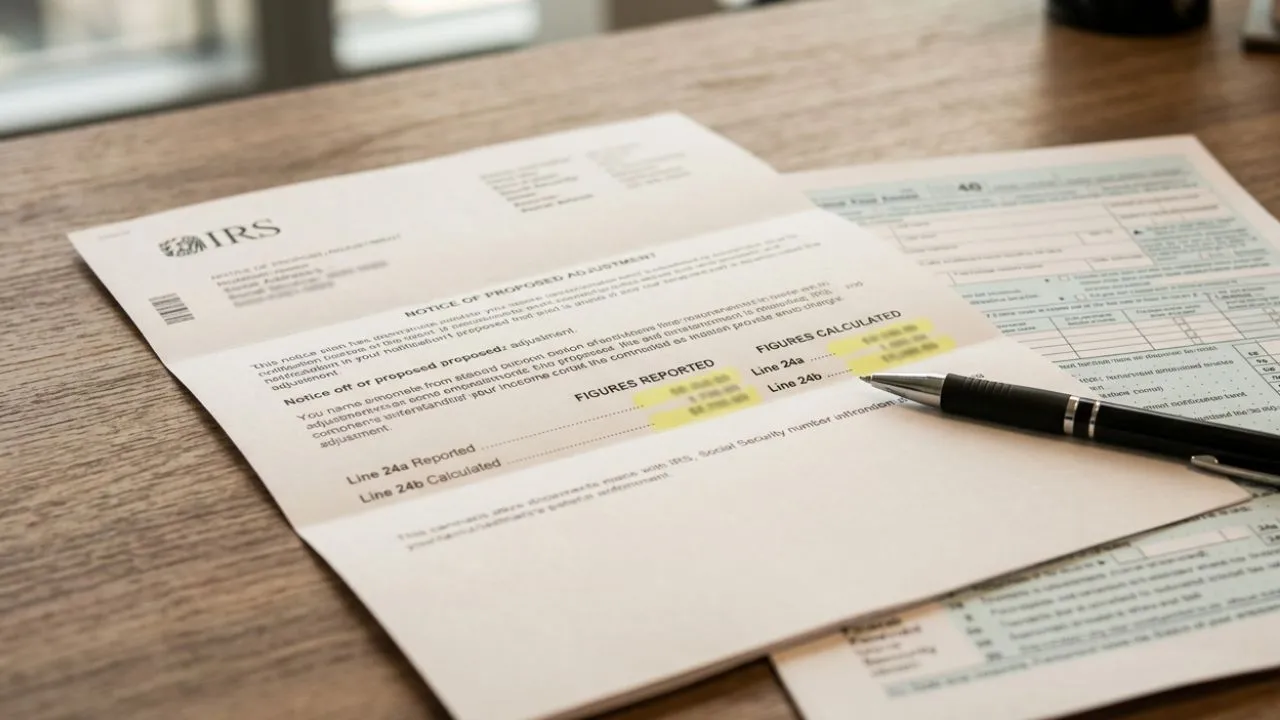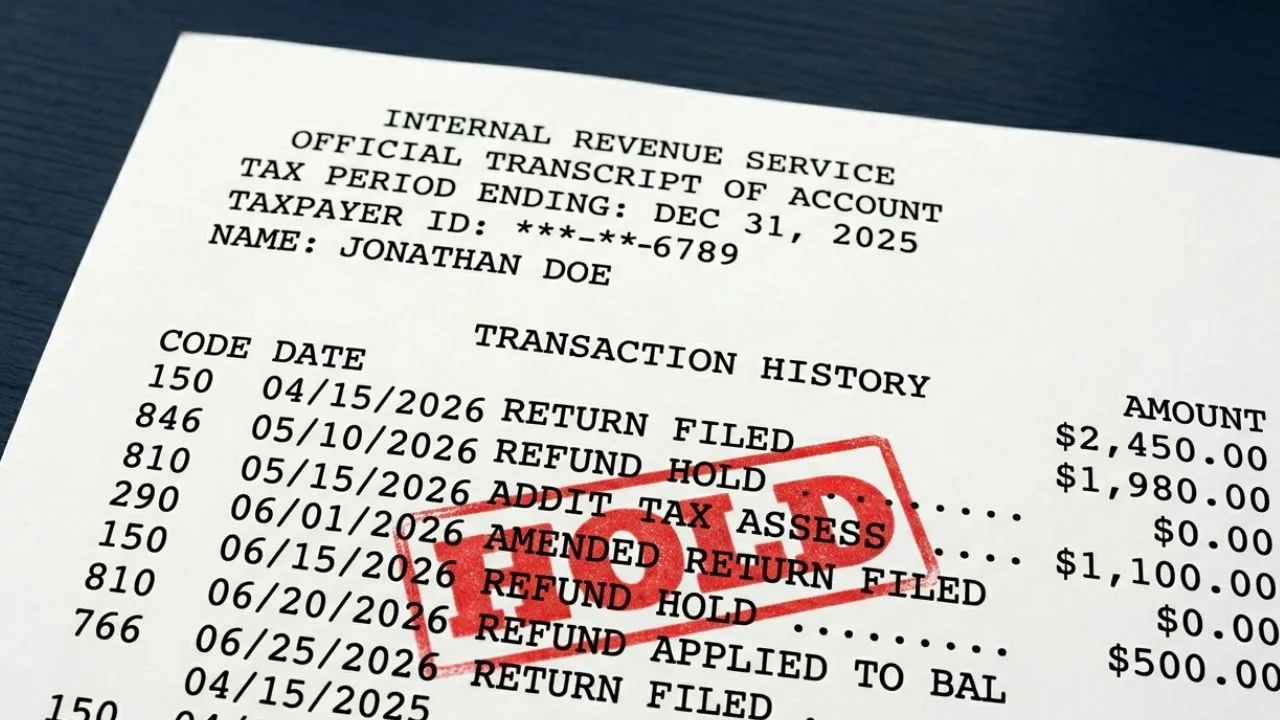
The IRS generally asks taxpayers to allow up to 60 days from the date of a CP05 notice for the review to be completed. Some cases may take longer, particularly when additional verification is required.
A CP05 notice means the IRS is reviewing your tax return before releasing your refund, usually to verify income, tax withholding, or a tax credit you claimed. The review does not mean you did anything wrong or that you are being audited in the traditional sense.
For most taxpayers, the next step is simply to review the notice, check that the information on their tax return is accurate, and wait for further instructions unless the IRS specifically requests documents.
What triggers this specific notice
The IRS sends a CP05 when something on your return needs a second look before your refund can move forward.
Common triggers include income reported on your return that doesn’t yet match employer or third-party filings on file, a large refundable credit claim such as the Earned Income Tax Credit, or a return flagged by the agency’s automated screening process described in the discriminant function scoring system.
Receiving this notice does not mean fraud is suspected. Most CP05 reviews close with no further action once the IRS confirms the numbers.
How this differs from an audit
A CP05 is narrower than a full audit. An audit typically examines multiple years, requests extensive documentation, and can result in additional tax owed, penalties, or a larger refund.
A CP05 review is usually limited to confirming specific line items tied directly to your refund, most often wage income, withholding amounts, or a particular credit. Many CP05 cases resolve automatically as the IRS’s internal systems catch up with employer filings, without the taxpayer submitting anything at all.
What a CP05 notice tells you
The letter confirms your return is under review and that no action is required unless the IRS contacts you again requesting documents. It typically does not give you a firm date the review will end, which is one of the most common sources of frustration for taxpayers checking their refund status daily during this period.
If the IRS needs something from you specifically, it will send a follow-up notice, most often a CP05A or CP05B, each requesting a defined set of documents.
How long a CP05 review takes
The IRS generally asks taxpayers to allow up to 60 days from the date of the CP05 notice for the review to be completed. Some cases may take longer, particularly when additional verification is required.
During this period, the standard 21-day refund expectation generally does not apply because the return is undergoing additional review. If 60 days pass with no update and no follow-up letter, contacting the IRS directly is a reasonable next step rather than continuing to wait indefinitely.
What to check yourself first
Before contacting the IRS, taxpayers should confirm their own return for simple mismatches: a transposed employer identification number, income reported on the wrong line, or a credit claimed without the required supporting schedule attached.
The Where’s My Refund tool will usually show a status of “still processing” during a CP05 review, since the tool isn’t built to explain the specific reason for a hold. Taxpayers checking that tool alongside a CP05 letter should expect the online status to lag behind what the letter says.
What happens if documents are requested
If the IRS follows up with a CP05A requesting income or withholding proof, gather W-2s, 1099s, and any pay stubs covering the tax year in question, then respond by the deadline printed on the letter itself.
Missing the deadline can delay the review because the IRS cannot complete the requested verification until it receives and processes the required information.
Responding early, completely, and exactly as requested can help avoid additional delays in a document-based review.
When to escalate the issue
If more than 60 days have passed since the CP05 notice without a resolution or follow-up letter, contacting the IRS directly is a reasonable next step. If normal IRS channels have not resolved the issue and the delay is causing genuine financial hardship, the Taxpayer Advocate Service may be able to help.
This is a legitimate escalation path built directly into the IRS structure, not an outside workaround, and it’s most effective once you can show the review has exceeded a normal timeframe.
How this fits the bigger refund pipeline
A CP05 is one of several holds that can interrupt the normal path a refund takes from return filing to bank deposit. Understanding where this notice sits in that larger process, alongside holds like refund code 570 or the eventual refund issued status, helps taxpayers recognize whether their situation is following a normal pattern or genuinely needs escalation.
The refund itself, once released, moves through the federal payment system the same way any other deposit does, following the same settlement window timing that governs ACH and Fedwire transfers.
Does CP05 mean an audit?
Not in the traditional sense. A CP05 notice generally means the IRS is reviewing specific information on your tax return before releasing your refund. The review may involve verifying reported income, federal income tax withholding, or certain tax credits.
Unlike a formal audit, a CP05 review is typically focused on specific items connected to the refund and does not automatically mean the IRS is conducting a broader examination of your tax return. Receiving the notice also does not, by itself, mean the IRS has determined that you made an error or committed fraud.
Will I owe more tax?
Not automatically. A CP05 notice does not mean the IRS has already determined that you owe additional money. In many cases, the review simply confirms that the information on the tax return matches the records available to the agency.
Additional tax could become an issue only if the IRS identifies a genuine discrepancy, such as income or withholding that does not match third-party records or a tax credit that the taxpayer was not eligible to claim. If the IRS determines that additional information is needed, it will generally send further instructions or a separate notice explaining what action is required.
Can I speed up CP05?
Usually, no. Calling the IRS generally cannot accelerate an automated verification or matching process that is already underway. However, contacting the IRS may help confirm whether the agency needs additional information or whether a separate notice has been issued.
If the review has continued beyond the timeframe stated in the CP05 notice without a refund, follow-up notice, or clear explanation, contacting the IRS becomes a reasonable next step to check whether additional action is required.
Does CP05 pause refunds?
The standard 21-day refund expectation generally does not apply once the IRS places a return under additional review. The return must complete the additional review before the IRS can determine whether the refund should be released.
This means taxpayers should not assume that a refund will arrive within the normal timeframe for a straightforward electronically filed return. Once the review is completed and the IRS confirms the refund is payable, the payment can move forward through the normal refund processing and deposit process.
What if my refund stays delayed?
If more than 60 days have passed since the CP05 notice and you have not received a follow-up letter or refund, contact the IRS to check the status of the case and determine whether any additional information is needed.
If the delay continues and is creating serious financial hardship, the Taxpayer Advocate Service may be an additional option for taxpayers who have been unable to resolve the issue through normal IRS channels. Taxpayers should be prepared to provide details about the notice, the length of the delay, and the steps they have already taken to resolve the matter.
Should I amend during CP05?
Generally, taxpayers should not file an amended return simply because they received a CP05 notice. If the information on the original return is accurate, filing an amendment during an active review may create additional processing complexity rather than resolve the underlying verification issue.
An amendment may be appropriate if you independently discover a genuine error on the original return. In that situation, taxpayers should carefully consider the circumstances and, where necessary, seek advice from a qualified tax professional before making changes while the original return remains under review.
Methodology: Notice codes and review procedures described in this article are drawn directly from IRS published notice explanations and the agency’s refund processing guidance.
Every notice code and procedural claim in this article is verified against official IRS.gov notice pages, current as of the last review date shown below.