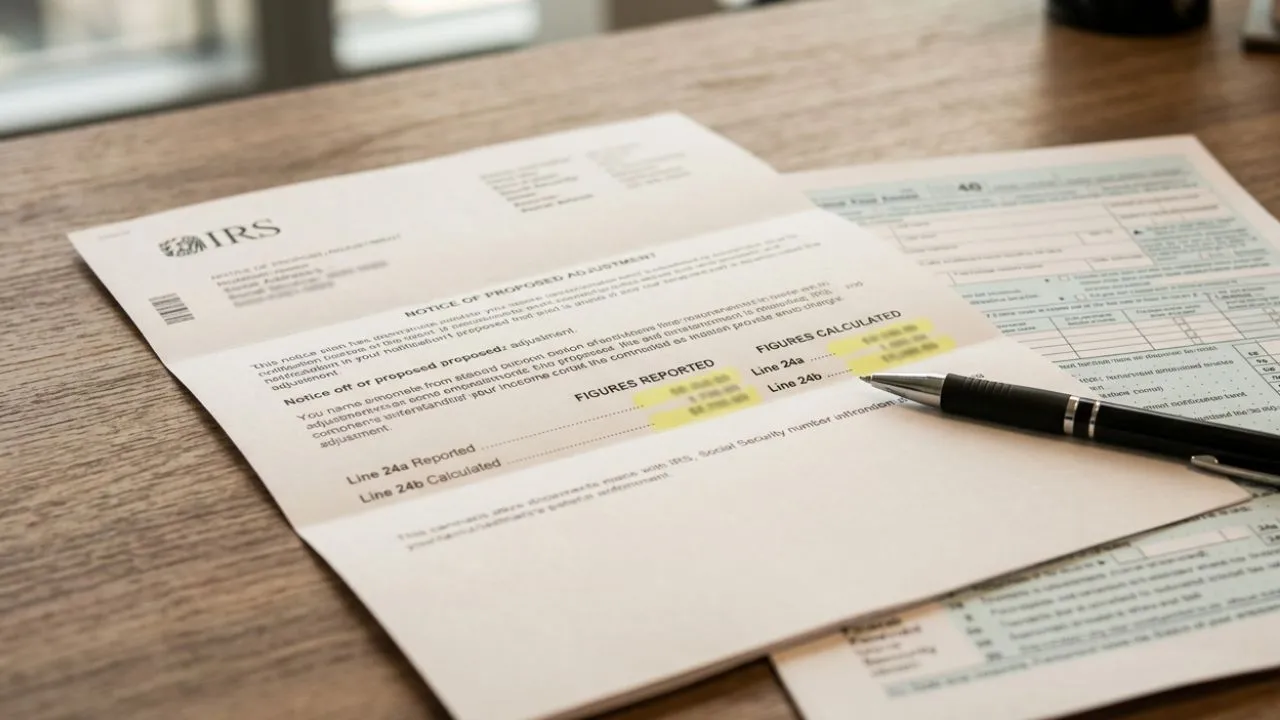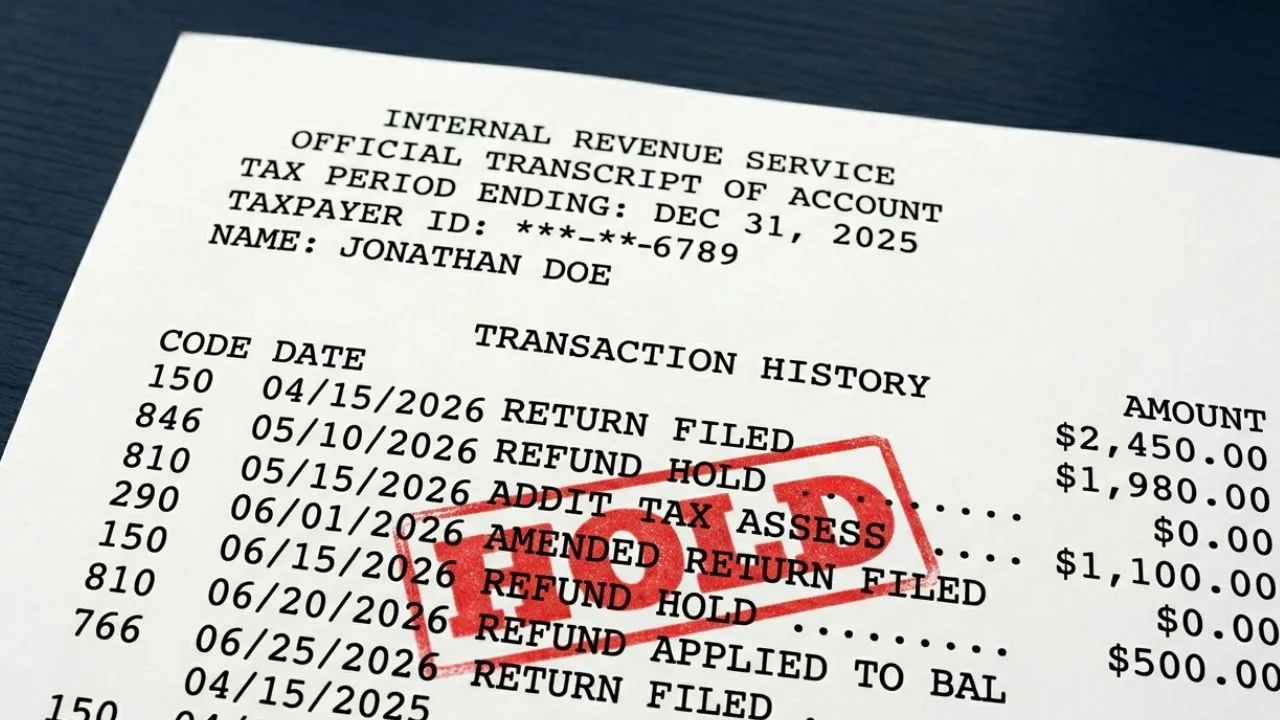

The Taxpayer Advocate Service confirmed in May 2026 that Notice CP53E is a genuine IRS notice, while warning that fraudulent copies are circulating with fake QR codes and phone numbers designed to steal banking information.
A specific piece of IRS mail has become an unusual flashpoint this filing season: taxpayers keep asking whether it is real. The notice, known as CP53E, is genuine, according to the Taxpayer Advocate Service, the independent watchdog office within the IRS.
But the confusion surrounding it is not irrational. The notice’s sudden jump in volume, combined with a wave of convincing fake versions circulating by mail and online, has left even careful taxpayers second-guessing a letter that, in most cases, simply needs a routine response.
Why the confusion started
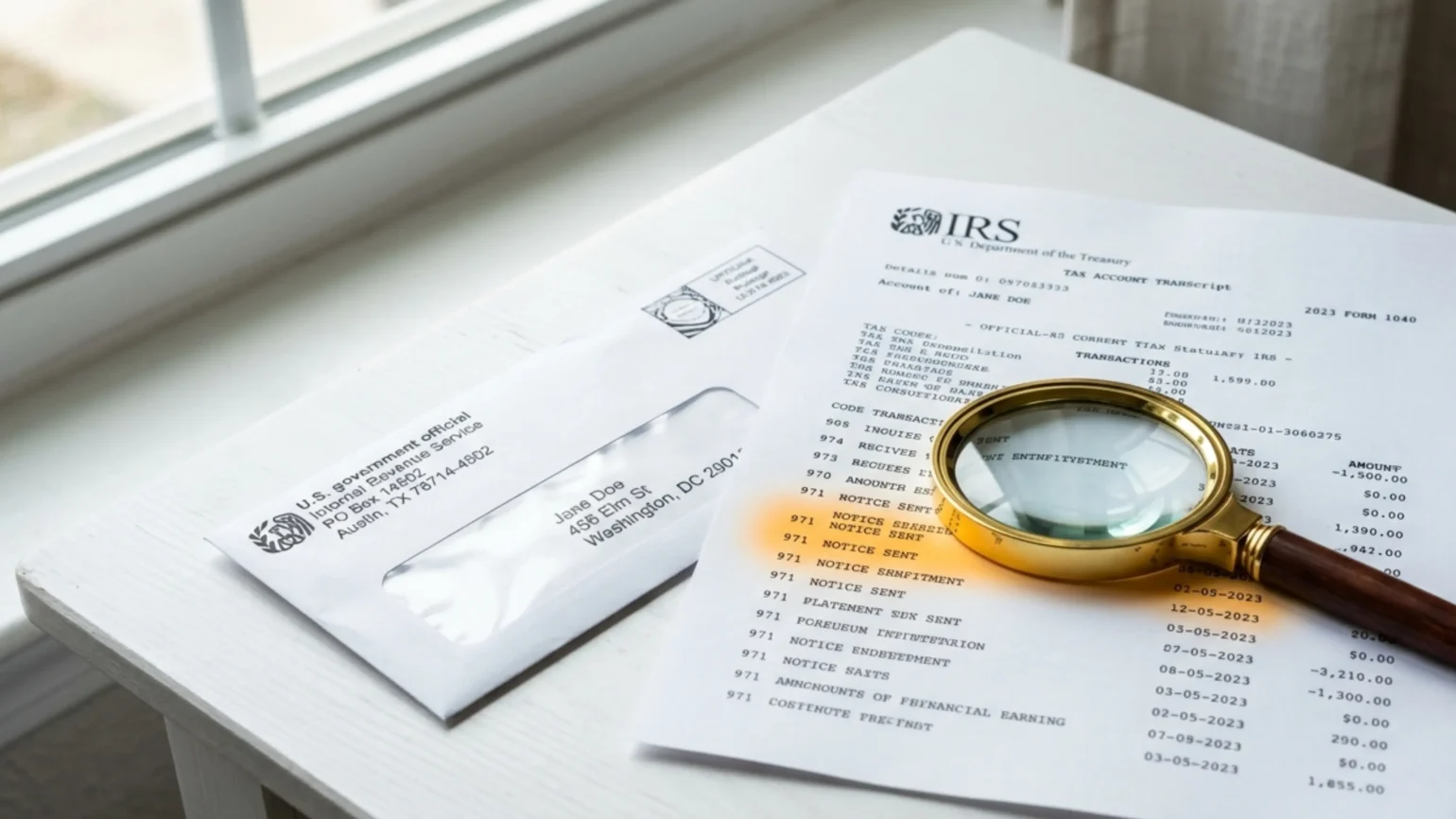
CP53E exists to solve a narrow, practical problem. When the IRS cannot deposit a refund electronically because a return is missing valid direct deposit details or the bank rejected the deposit, the agency sends this notice asking the taxpayer to add or correct that information through their IRS Online Account.
That process itself has not changed. What changed is the number of people receiving it. As this site’s coverage of the refund delay notices explains, congressional letters put the total near 1.4 million notices sent so far this filing season.
A volume driven directly by the government’s broader shift away from paper checks under Executive Order 14247. That surge created two separate problems that have blurred together in taxpayers’ minds.
First, some notices appear to have gone out in error, including to taxpayers who actually owed money rather than being due a refund; the American Institute of CPAs has publicly acknowledged this and advised that, until further guidance is issued, no further action is recommended for those specific cases.
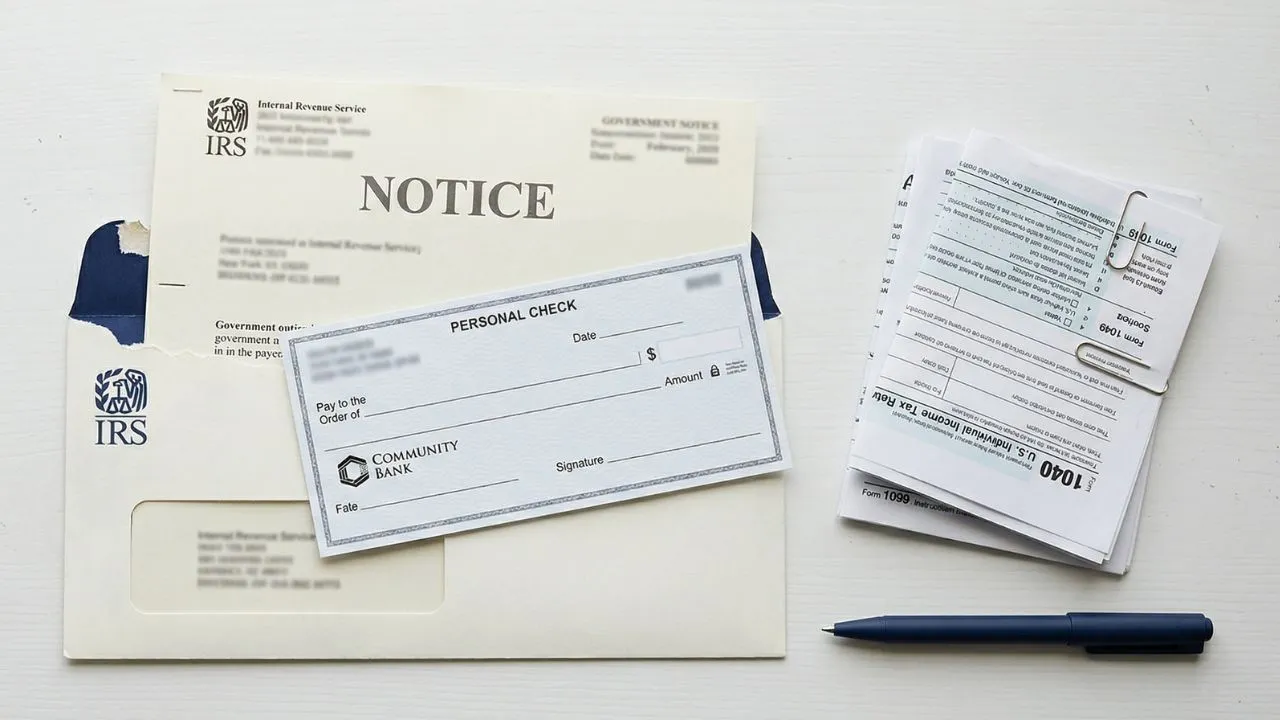
Second, and more seriously, scammers began producing counterfeit CP53E letters designed to look identical to the real notice, engineered specifically to steal bank account numbers and Social Security numbers from taxpayers who assume any official-looking letter must be legitimate.
How to tell the difference
The clearest, most repeated guidance across tax professionals and the Taxpayer Advocate Service comes down to one instruction: never act on a QR code, link, or phone number printed on the letter itself.
Type IRS.gov directly into a browser, log into your existing IRS Online Account, or create one, and check whether the notice actually appears there. If it does not, treat the physical letter with suspicion and do not enter any information based on it alone. The refund status guide on this site walks through how to navigate the IRS Online Account interface for taxpayers unfamiliar with it.
A second, equally important detail: the IRS will never ask for banking information by phone, text message, or email in connection with this notice, and IRS employees cannot update a taxpayer’s bank account information on their behalf under any circumstances.
Any communication claiming otherwise, regardless of how official it looks, is fraudulent. The genuine CP53E notice also arrives only once. If a taxpayer submits banking information and a second deposit attempt also fails, the IRS will not send a second CP53E chance; it defaults straight to issuing a paper check after roughly six weeks.
That single-notice design is worth knowing specifically because scammers have exploited the pressure it creates, sending fake follow-up letters that claim to offer taxpayers a second window to “unlock” or “reactivate” a frozen refund, a claim that does not match how the real process works.
What tax professionals are seeing
Accounting firms report a consistent pattern in the fraudulent versions: urgent language demanding immediate action, requests for personal or financial information through unsolicited emails or texts, and QR codes or links steering recipients to websites built to mimic IRS.gov.
One detail complicates detection further, according to the Taxpayer Advocate Service: some legitimate IRS notices do now include QR codes that correctly route to IRS.gov, which means the presence of a QR code alone is not a reliable red flag in either direction. The safer test is always to navigate to the government site manually rather than scanning anything printed on the letter, regardless of how it appears.
Tax preparers surveyed by industry groups describe fielding a steady stream of client calls asking whether their notice is real, with several confirming they had personally seen both authentic notices and convincing counterfeits pass across their desks in the same week.
That mix is precisely why blanket reassurance in either direction, “don’t worry, it’s fine” or “don’t trust any of it,” would be the wrong advice; the correct approach is case-by-case verification through the taxpayer’s own IRS Online Account, not a judgment based on how official any single letter looks.
The mismatched-notice cases
A separate strand of confusion involves taxpayers receiving a CP53E notice despite showing a balance due rather than a refund on their return, or despite an overpayment that was actually scheduled to apply toward next year’s estimated taxes rather than be refunded outright.
The IRS has acknowledged these mismatches are occurring and, through professional association guidance, has told taxpayers not to take further action on notices that clearly don’t match their filing situation, pending additional clarification.
That acknowledgment itself is a useful piece of context for any taxpayer holding a notice that doesn’t seem to line up with their return: it may be an administrative error rather than a sign of fraud, and it does not necessarily require the same urgent verification steps as a notice that does match an expected refund.
What you should do now
If a CP53E notice arrives at your address, do not scan any QR code or call any phone number printed on it. Go directly to IRS.gov, sign into or create your IRS Online Account, and confirm the notice is listed there before responding.
If your notice does not match your actual filing situation, such as showing a refund request when you know you owed money, hold off on acting and consult a tax professional rather than assuming either fraud or urgency. Report anything that still looks suspicious to phishing@irs.gov.