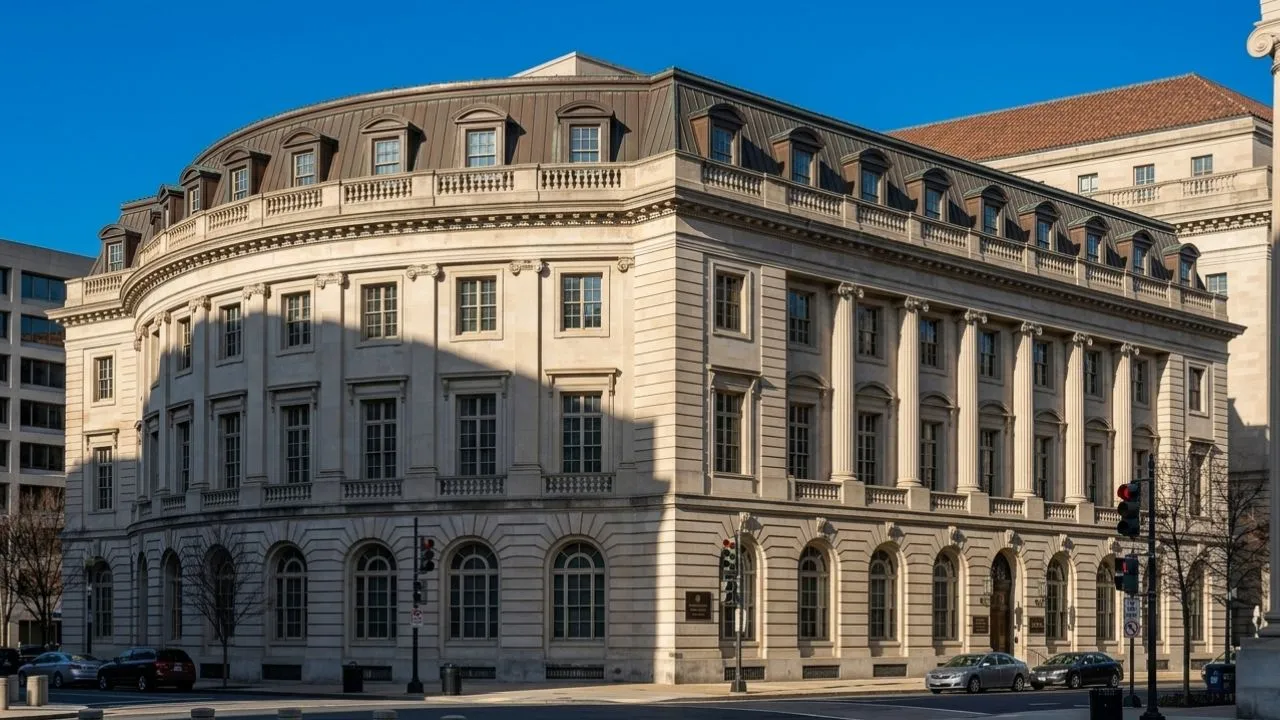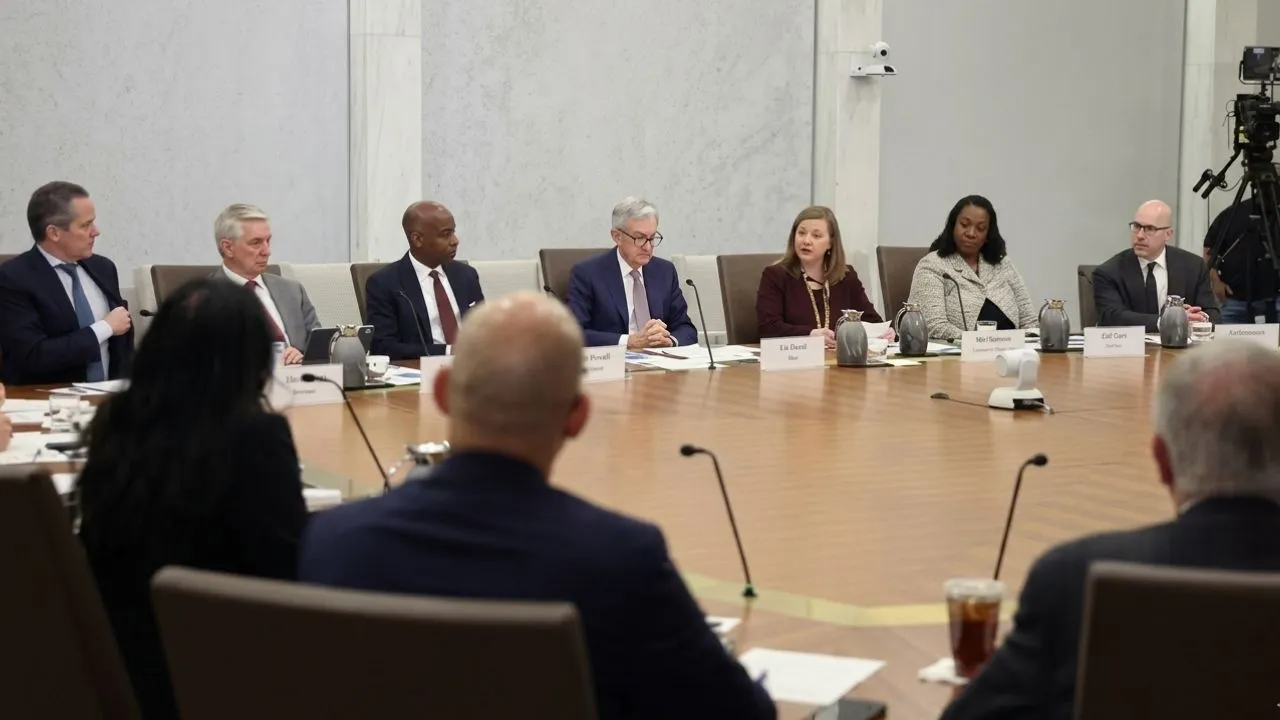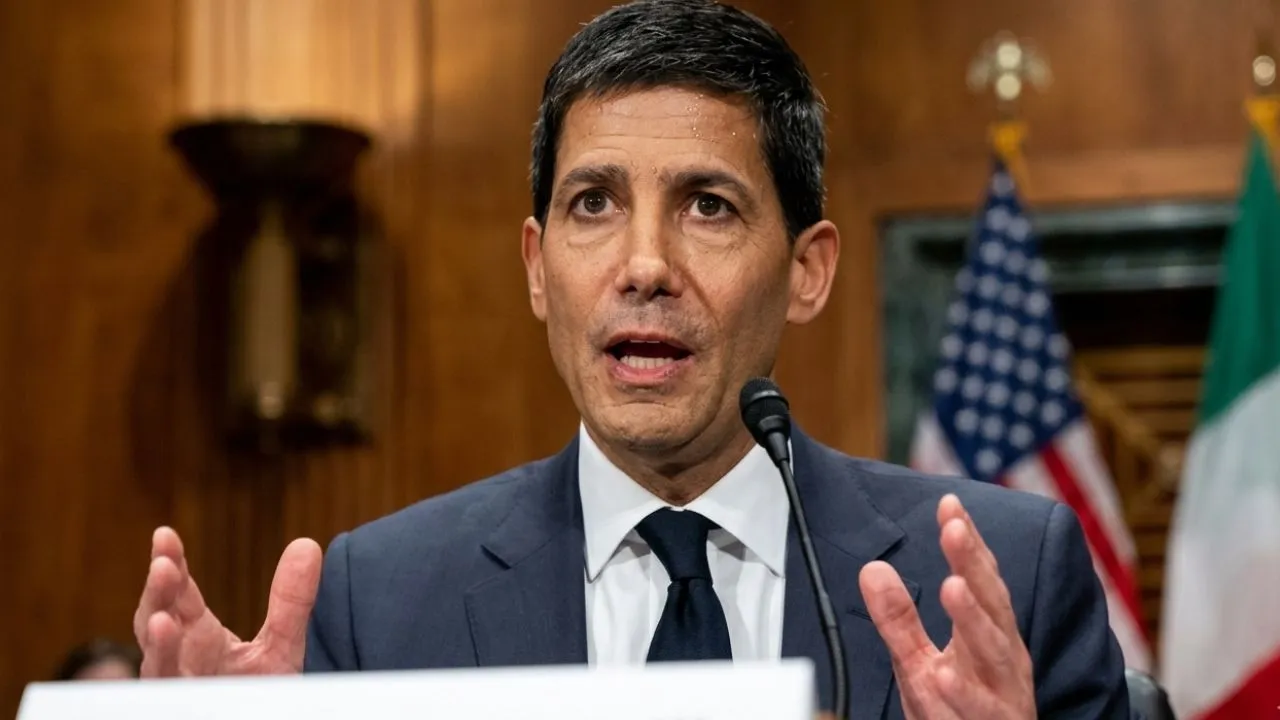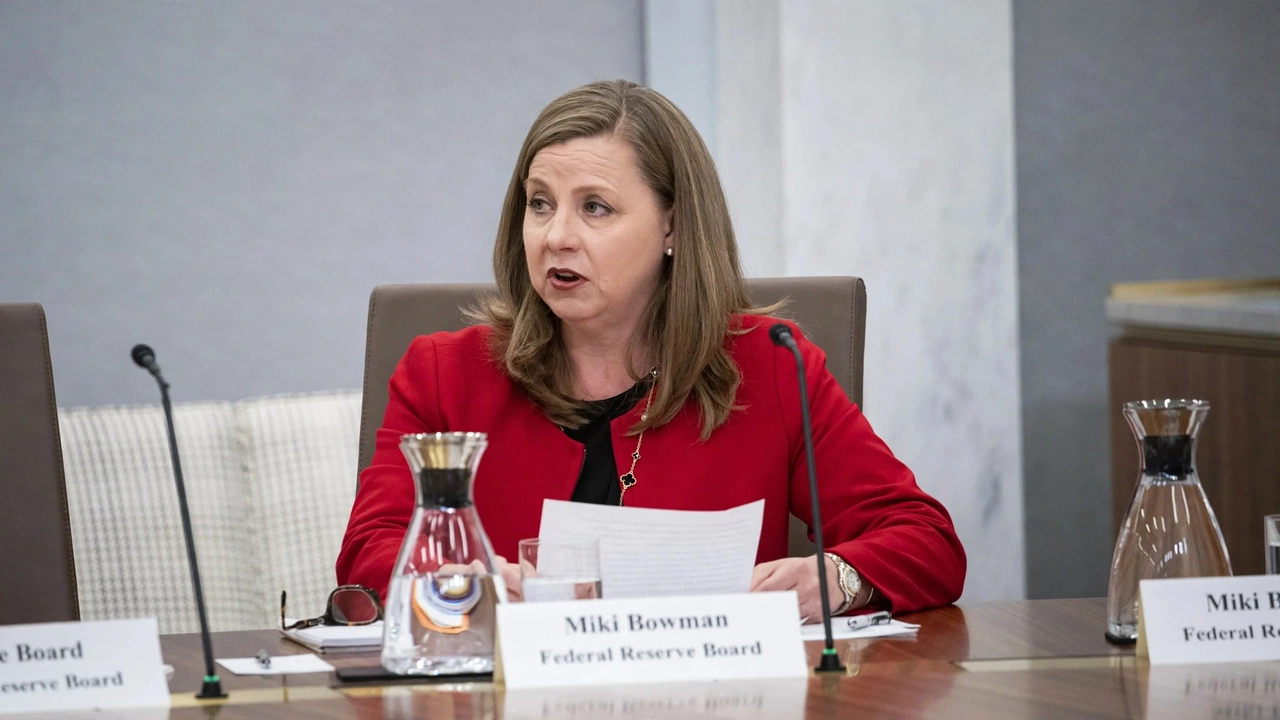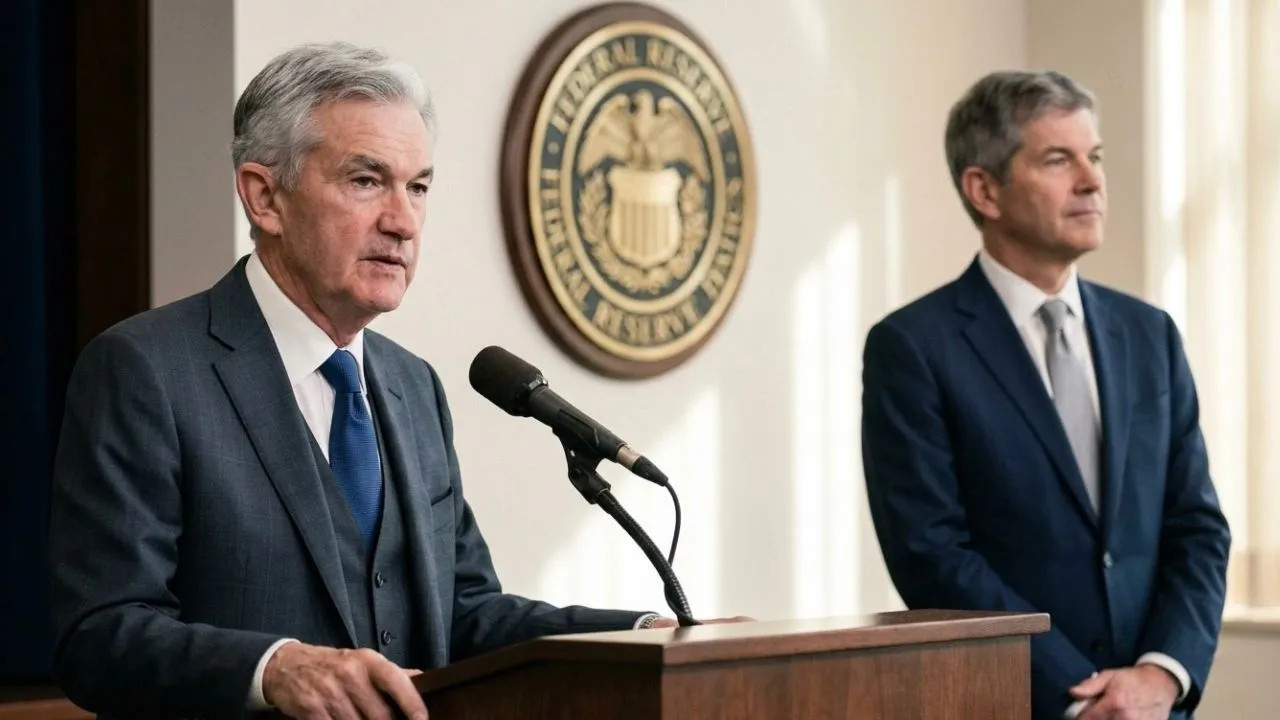
The April 29 hold Warsh inherited is now his baseline. The June 16 decision releases at 2:00 PM ET today. Dot plot projections publish simultaneously. Markets await Warsh’s first rate signal as chair.
Following the January and March sessions, the committee enters this meeting having maintained the federal funds rate at a target range of 3.50 to 3.75 percent. While this restrictive stance was designed to anchor inflation expectations, the current environment has diverged from earlier 2026 projections.
Brent crude volatility and a March CPI reading of 3.3 percent have tested the limits of the current “higher-for-longer” framework. The institutional significance of the April session is further amplified by the simultaneous Senate confirmation hearings for Kevin Warsh, the nominee to succeed Jerome Powell as Federal Reserve Chair.
This transition introduces a layer of policy uncertainty that extends beyond the immediate rate announcement. For institutional observers, the April 29 update serves as a primary signal of the Fed’s resolve in balancing geopolitical risk against long-term U.S. financial stability.
Where the Rate Stands and How It Got Here
The federal funds rate is currently set in a target range of 3.50 to 3.75 percent, as confirmed by the Federal Reserve’s March 18, 2026 policy statement. This is the rate at which banks lend to each other overnight, and it is the single most powerful tool the Fed uses to influence inflation, employment, and economic activity across the United States.
The committee held that rate unchanged at its January 27-28 meeting and again at its March 17-18 meeting. Both holds came despite at least one dissent in favor of a cut. According to the March FOMC minutes, Governor Christopher Waller voted to cut by 25 basis points at the January meeting, arguing that inflation was moving sufficiently toward target to justify easing.
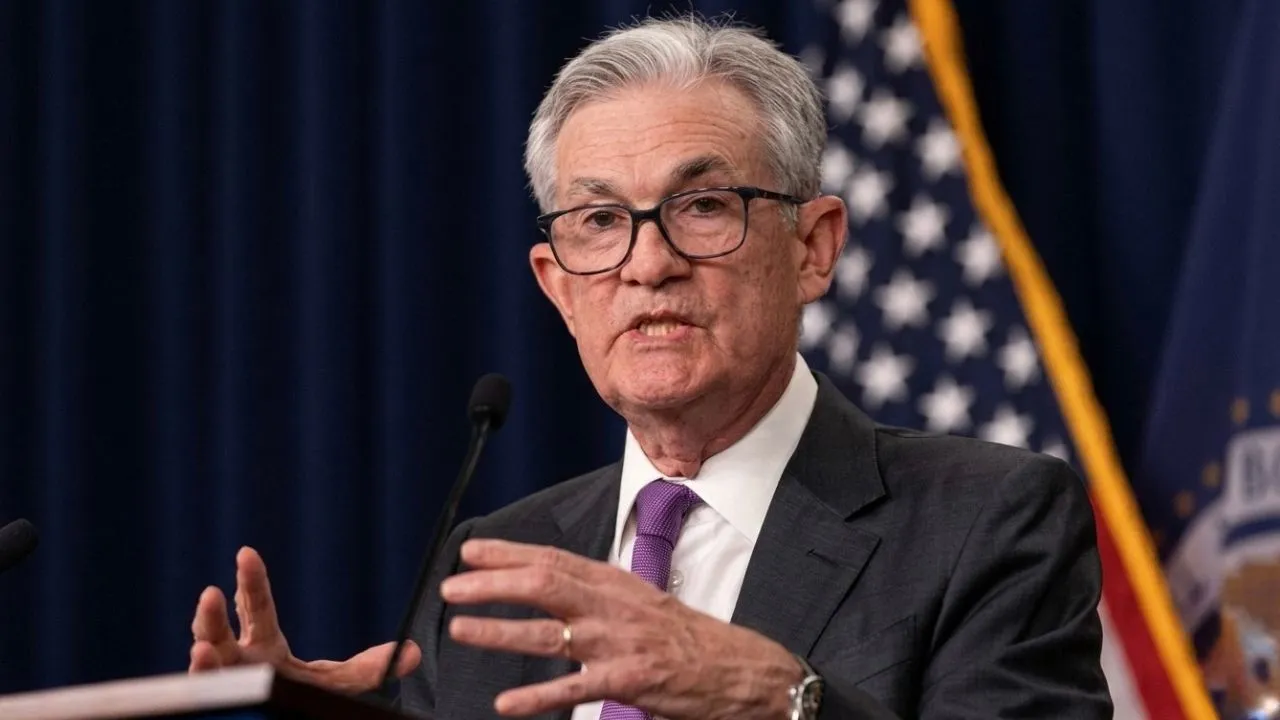
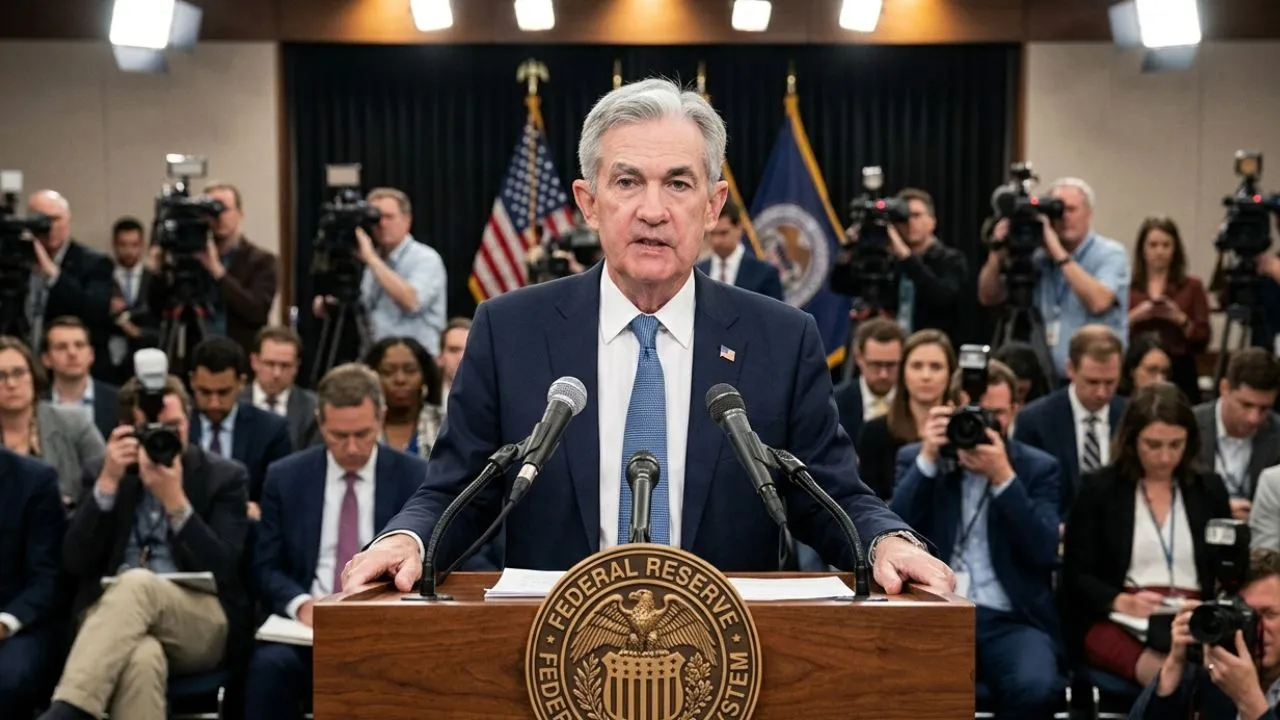
Governor Miran dissented at both the January and March meetings, also preferring a 25 basis point cut. The majority of the committee, however, cited “elevated uncertainty” and above-target inflation as justification for holding the rate steady.
The March minutes also acknowledged a new risk variable that was not present at the January meeting: rising energy prices driven by conflict in the Middle East and supply disruption concerns around the Strait of Hormuz, through which a significant share of global oil exports travel.
Higher energy prices feed directly into headline inflation metrics and complicate the Fed’s ability to justify rate cuts without appearing to abandon its inflation mandate. Deutsche Bank, in its current U.S. economic outlook, projects no rate changes from the Fed for the remainder of 2026.
The Warsh Confirmation Hearing and What It Means for Policy
The most consequential Federal Reserve story alongside the April 29 rate decision is the cleared confirmation path for Kevin Warsh, the former Fed governor nominated to succeed Jerome Powell as Federal Reserve Chair. Senator Thom Tillis removed his confirmation hold on April 25, following the DOJ’s decision to drop the criminal investigation of Powell on April 24.
Warsh’s confirmation hearing carries direct implications for the policy trajectory beyond April 29. The Fed Chair position carries substantial influence over the tone and direction of monetary policy deliberations, and Warsh’s views on inflation tolerance, the pace of rate normalization, and the Fed’s relationship with the executive branch will be closely scrutinized by markets, economists, and lawmakers during the hearing.
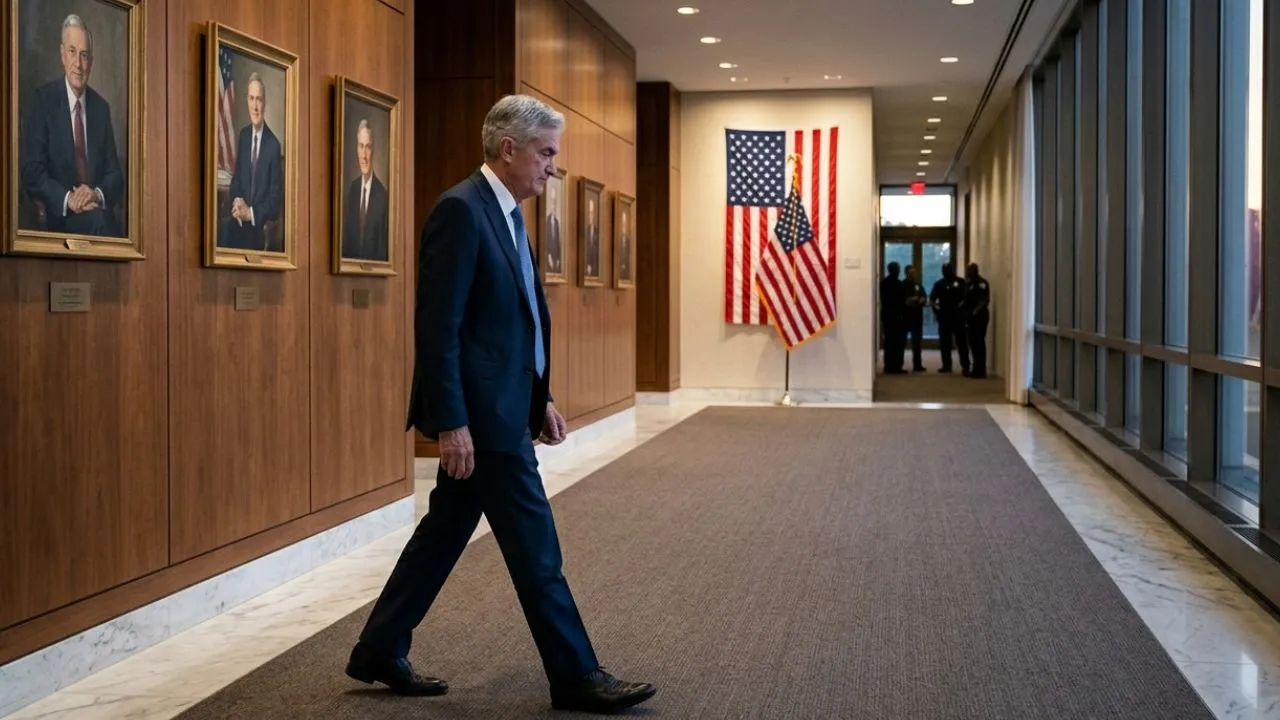
The confirmation timeline does not affect the April 29 decision. Powell remains Chair through May 15 and presides over the April 29 meeting, press conference, and rate announcement. Warsh’s first meeting as Chair will be the June 16-17 session, which includes the Summary of Economic Projections and the dot plot. The Warsh confirmation shapes the context in which the committee operates in the months ahead, and the April 29 decision becomes the baseline against which Warsh’s tenure will be measured.
The Federal Reserve operates as an independent agency within the U.S. government, setting monetary policy through the FOMC without direction from the White House or Congress. The Bureau of the Fiscal Service at the U.S.
Treasury handles federal payment disbursements, but it operates separately from the Fed’s monetary policy function. The two institutions intersect directly when Fed rate decisions affect the yields on Treasury securities and the cost of the government’s debt financing.
A rate hold in April, followed by potential cuts later in 2026, would affect the yield environment in which Treasury manages its borrowing and, downstream, the interest rates consumers pay on mortgages, auto loans, and credit cards.
What the April 29 Rate Decision Means for Your Money
For most Americans, Federal Reserve rate decisions translate into practical consequences across several financial categories. The current rate environment 3.50%–3.75% held through three consecutive meetings has kept borrowing costs elevated relative to the near-zero rates that prevailed from 2020 through 2022.
Savings account yields at banks and credit unions remain above 4 percent at many online institutions, a direct benefit of the elevated rate environment. A rate cut at or after the April 29 meeting would begin to compress these yields as banks pass lower rates through to depositors, typically within 60 to 90 days of a Fed move.
For consumers with variable-rate debt, including home equity lines of credit and adjustable-rate mortgages, a rate cut reduces borrowing costs. For consumers considering fixed-rate mortgages, the relevant rate is the 10-year Treasury yield, which responds to Fed expectations rather than the overnight rate directly.
Social Security beneficiaries have an indirect stake in the April 29 decision as well. The Fed’s monetary policy affects inflation, and inflation is the primary driver of the annual Cost-of-Living Adjustment applied to Social Security benefits each January.
The 2026 COLA was 2.8 percent, reflecting the inflation environment measured through September 2025. Whether 2027 COLA projections of 2.8 or 3.2 percent materialize depends in part on whether current inflation trends respond to the Fed’s current policy stance. For guidance on the Fed rate deposit timing and how FOMC decisions affect federal payment systems, see the Investozora analysis.
For a broader explanation of how the Federal Reserve’s policy framework operates and why rate decisions move through the economy the way they do, see the Fed policy explained guide. And for a strategic look at how global energy volatility is shifting the committee’s internal consensus, see the Investozora analysis on how the 2026 oil shock changed the FOMC vote.
What Happens Next
The April 28-29 FOMC meeting is the third of eight scheduled meetings for 2026. The next FOMC meeting is June 16-17, 2026, which will feature the updated Summary of Economic Projections including the dot plot forecasts for interest rates and unemployment through 2028. The full minutes of the April 28-29 meeting will be released on May 20, 2026. Between the April decision and the June meeting, three data releases will shape the committee’s assessment: the April employment report, the April CPI reading, and first quarter GDP revisions.
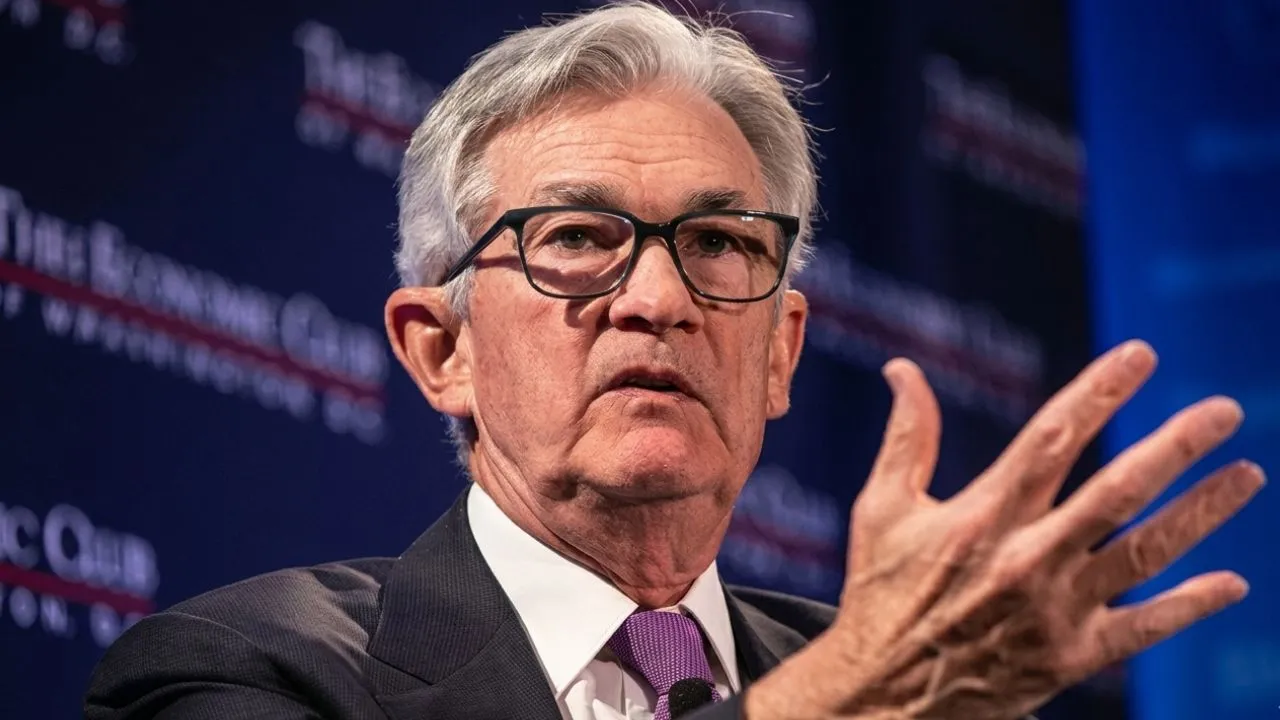
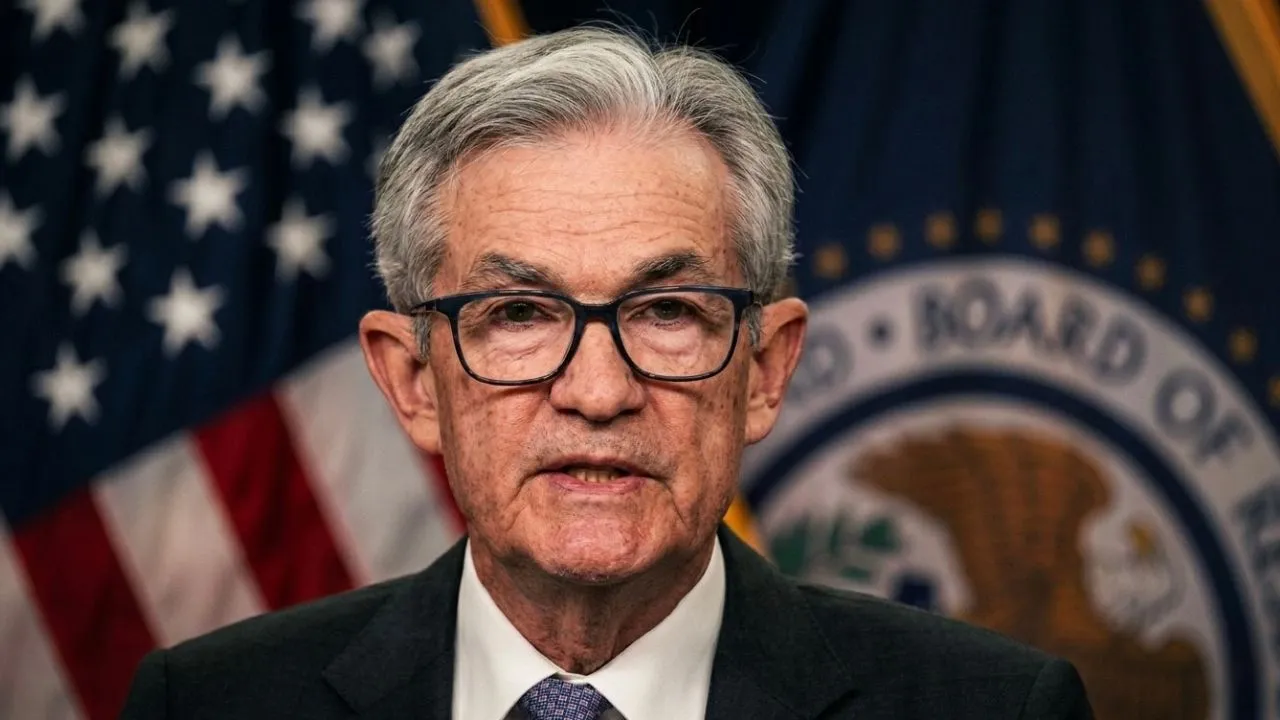
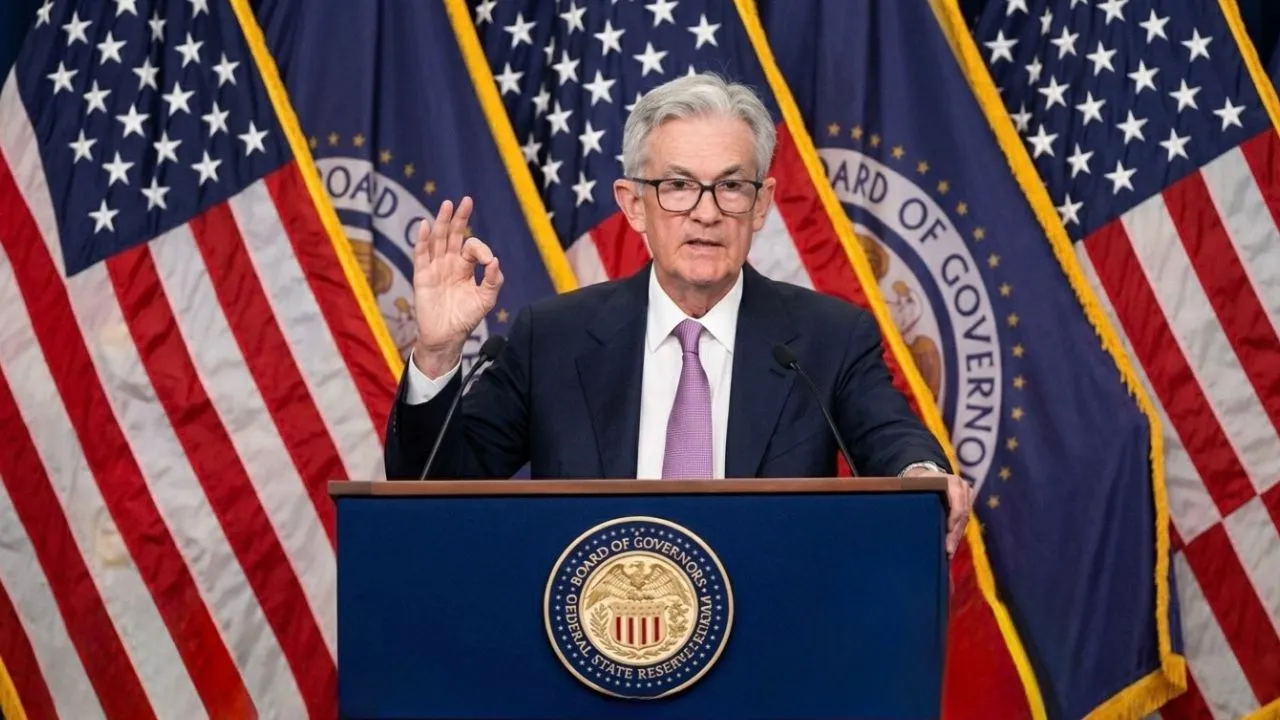
Markets will also be watching the press conference that Jerome Powell holds immediately following the 2:00 PM ET announcement on April 29. Powell’s language about the inflation outlook, the Iran situation, and the timeline for potential rate cuts will drive immediate market movement and will be parsed by analysts for signals about whether any 2026 cuts remain on the table.
For a full preview of the meeting’s expected agenda and the economic projections that will accompany it, see the FOMC meeting preview and the official FOMC calendar.
The April 28–29 FOMC meeting is a central pillar of the 2026 economic calendar. With the federal funds rate positioned at 3.50 to 3.75 percent, the focus remains on the transmission mechanism, how these decisions eventually move through the U.S. Treasury’s Bureau of the Fiscal Service and into the private banking sector. For a detailed view of this pipeline, the Investozora infrastructure guide provides the full picture.
What This Means
The April 29 rate decision will arrive against a backdrop of geopolitical risk, stubborn inflation, and a Fed leadership transition. The most likely outcome, a hold at 3.50 to 3.75 percent is already priced into markets. What matters for consumers, savers, and federal benefit recipients is the signal the committee sends about whether cuts are coming later in 2026, and what the Warsh confirmation means for the Fed’s policy posture in 2027 and beyond.
What You Should Do Now
- Read the April 29 Rate Decision at 2:00 PM ET. The Fed releases its official decision at federalreserve.gov . If you have a high yield savings account or a variable rate credit product, this is the moment that determines if your interest rates will change.
- Watch Powell’s 2:30 PM ET Press Conference on April 29. This is Jerome Powell’s final press conference as Fed Chair. He will address the current energy crisis, the inflation outlook, and whether he intends to remain on the Board of Governors after his Chair term expires May 15.
- If you are a Social Security recipient tracking the 2027 COLA outlook, follow the inflation data released between now and September 2026. The COLA is calculated from the CPI-W index, not directly from Fed decisions.
- Review the March FOMC minutes to understand the dissents and the “elevated uncertainty” language that will carry into the April meeting.