The bipartisan PACE Act has been introduced in Congress by Rep. Young Kim (R-CA) and would require the Federal Reserve to establish guidelines for nonbank financial institutions to access FedACH and FedNow payment services directly.
A bipartisan bill introduced in Congress would fundamentally change who can use the Federal Reserve’s payment infrastructure, and if passed, the PACE Act could mean faster deposits for tens of millions of Americans who bank through fintech apps.
The Payment Competition and Efficiency Act, introduced by Rep. Young Kim (R-CA), would require the Federal Reserve to establish formal guidelines allowing nonbank financial institutions, including fintechs and crypto firms to access the same payment rails that currently process every Social Security payment and IRS refund in the country.
Right now, that access belongs exclusively to banks holding Federal Reserve master accounts. The gap between who controls the system and who millions of Americans actually use to manage their money has never been larger.
What the PACE Act Would Actually Change
Today, when you receive a payment through Chime, Cash App, or Venmo, that money does not travel directly from the Federal Reserve to your account. It moves through a partner bank that holds a Fed master account, and that intermediary step adds time, cost, and dependency that fintechs have long argued is unnecessary.
The PACE Act would require the Fed to write new rules allowing qualifying nonbank institutions to connect directly to FedACH and FedNow. As explained in our money movement system guide, that intermediary layer is the single longest stop in the consumer deposit chain. Removing it would compress the timeline between payment authorization and account posting.


The Federal Reserve currently operates two primary payment rails targeted by this legislation. FedACH handles the bulk of U.S. electronic payments, including recurring government disbursements you can review how that system works in the FedACH settlement explained article.
Fed payment services FedNow, launched in July 2023, processes transactions in real time, 24 hours a day, seven days a week. FedNow service The PACE Act targets both systems and would require the Fed to set eligibility and compliance standards for nonbank applicants seeking direct access.
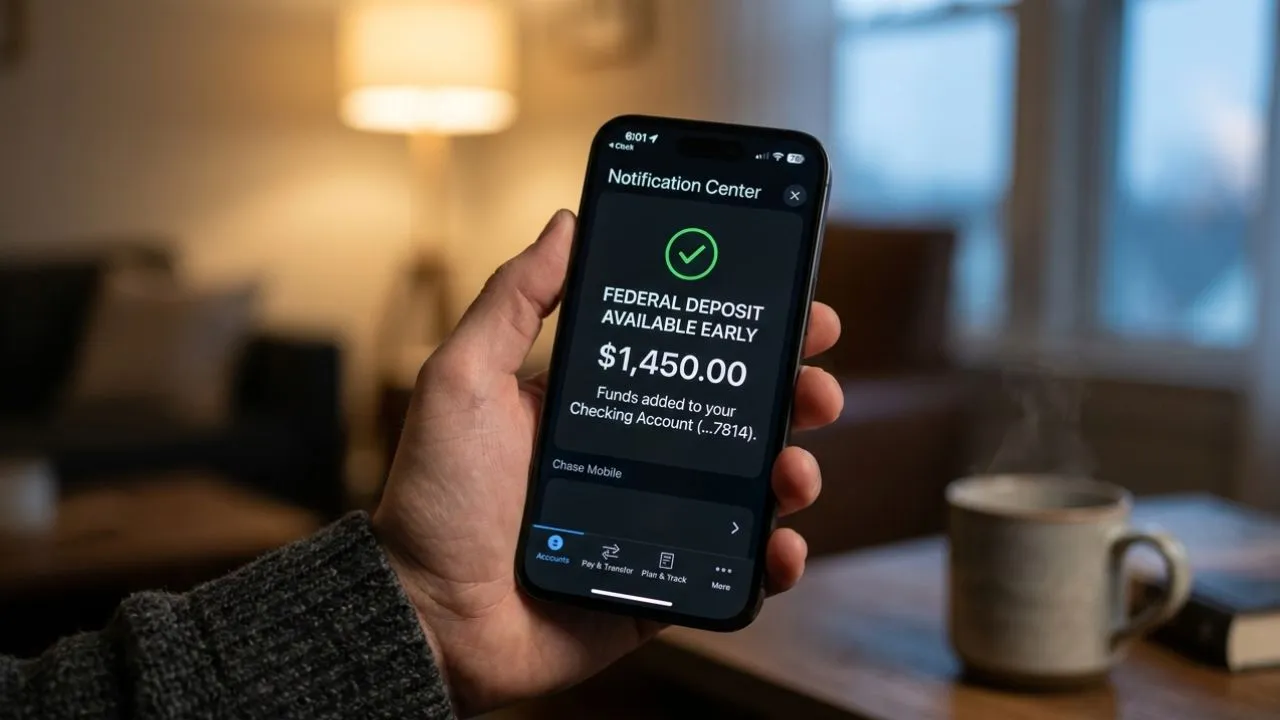
For consumers, the practical effect would be direct. Fintechs with Fed access would no longer need a bank intermediary to settle your paycheck or government benefit. That means faster posting, fewer intermediary holds, and a shorter chain between the payment source and your account balance.
Why Only Banks Have Access Now
Federal Reserve master accounts were designed for federally insured depository institutions, commercial banks and credit unions. The framework made sense when every significant financial transaction happened inside a chartered bank.
It does not account for an era when more than 70 million Americans use nonbank fintech platforms as their primary financial tool. Our federal payments guide explains in full how this infrastructure was built around traditional banking relationships that most Americans no longer rely on exclusively.
The Bureau of the Fiscal Service at the U.S. Treasury disburses federal payments, Social Security checks, IRS refunds, military pay through FedACH, which connects to receiving banks via their master accounts.
When a Chime user receives a Social Security payment, that payment moves from Treasury through FedACH to Chime’s partner bank, then to Chime’s internal system, and finally to the user’s account. The PACE Act would allow qualifying fintechs to receive that payment directly at the FedACH level, cutting at least one full settlement step from that chain.
Banks have historically resisted nonbank access to Fed rails, arguing that institutions without FDIC insurance and full banking charters should not connect directly to the central payment infrastructure. Supporters of the PACE Act argue the current system protects incumbent banks more than it protects consumers. The bill’s bipartisan authorship suggests that argument is gaining traction in both parties.
What This Means for Your Deposits
The PACE Act does not guarantee faster deposits on its own. It requires the Federal Reserve to establish guidelines, meaning rulemaking, comment periods, and implementation timelines that extend well beyond the bill’s passage.
If you currently receive Social Security or a direct deposit paycheck through a fintech platform, your payment timeline does not change the day this bill passes. What changes is the legal framework that could eventually allow your fintech provider to process payments without a partner bank.
Understanding where your deposit currently slows down is useful context regardless of the bill’s outcome. The deposit timing explained article covers exactly how each step in the current chain adds time to your posting window. The bill’s bipartisan momentum makes it more likely than previous fintech access proposals to advance through committee.
Whether the PACE Act becomes law, and how the Fed interprets any mandate it creates, will determine whether the speed improvements it promises ever reach a consumer’s actual account balance. For the full legislative text and current status, visit the Congress.gov bill page and search “Payment Competition and Efficiency Act.”
What You Should Do Now
- If you use a fintech app for direct deposits or Social Security payments, no action is required. Your payments process normally through existing partner bank arrangements.
- Check the bill’s status at Congress.gov by searching “Payment Competition and Efficiency Act” or “PACE Act” to track its progress through committee.
- Understand your current payment path using the money movement system guide to know exactly which institutions touch your deposit today.
- Review deposit timing with the deposit timing explained article to understand where delays currently occur in your payment chain.
- Read the official Fed overview at Fed payment services for confirmed information on Federal Reserve payment infrastructure.
The PACE Act represents the most significant proposed change to federal payment rail access in years. Whether it passes or stalls in committee, the debate it has opened about who controls access to America’s core payment infrastructure will shape how consumer deposits move for decades. For anyone who receives a federal payment or uses a fintech app, that conversation is worth following closely.