

The IRS continues processing 2025 tax year refunds through spring. If your bank deposit amount is lower than the refund the IRS approved, the Bureau of the Fiscal Service confirms four verified reasons that explain every documented type of deposit amount discrepancy.
Your bank account shows a deposit amount that is hundreds, sometimes thousands of dollars less than the refund the IRS approved, and the IRS website still confirms your refund was sent. The deposit amount your bank received is not wrong.
The difference between what the IRS approved and what posted to your account has a specific, documented cause in every case. There are four verified reasons why your deposit amount can be lower than the IRS-approved figure, and knowing each one tells you exactly where your money went and what to do about it.
The IRS does not disburse refund payments directly to your bank. When the IRS approves a refund, it forwards the payment authorization to the Bureau of the Fiscal Service, the payment arm of the U.S. Treasury Department. The Bureau then processes your deposit amount through the Federal Reserve’s FedACH network, which routes the transfer to your bank’s routing number.
At multiple points in that institutional pipeline, the deposit amount can be reduced before it ever reaches your account. Understanding the full money movement system that connects the IRS to your bank helps explain why these discrepancies occur.
Reason 1: The Treasury Offset Program Reduced Your Refund
The Treasury Offset Program (TOP) is the most common verified reason a bank deposit amount is lower than the IRS-approved refund. The Bureau of the Fiscal Service operates TOP as a federal debt collection mechanism.
Before releasing your refund deposit, the Bureau checks your name and Social Security number against a national database of federal and state debts. If a match is found, the Fiscal Service automatically withholds all or part of your deposit amount and applies it toward that debt, without any advance notice to your bank.
Debts that trigger a TOP reduction include past-due federal income taxes, defaulted federal student loans, child support arrears referred by a state agency, state income tax debt, and certain other federal agency obligations. The offset can reduce your deposit amount partially or eliminate it entirely depending on the debt balance.
The Bureau of the Fiscal Service sends a written notice to your last known address explaining what happened to your deposit amount, but that notice typically arrives after your bank has already posted the reduced amount which is why the discrepancy comes as a surprise.
If your deposit amount was reduced and you believe a TOP offset is responsible, the direct contact is the Bureau of the Fiscal Service TOP call center at 1-800-304-3107. That number confirms whether an offset occurred, which agency received the funds, and how to initiate a dispute if the offset was applied in error.
The Bureau publishes full TOP hotline info at fiscal.treasury.gov. For a deeper breakdown of how offset garnishment works and your rights under the program, the Treasury Offset Program article at Investozora covers every scenario.
Reason 2: Your Tax Preparer Deducted Filing Fees From Your Deposit
If you used a paid tax preparer and chose to have preparation fees deducted from your refund rather than paying upfront, the deposit amount that posts to your bank will be lower than the IRS-approved total by exactly the amount of those fees. This arrangement known as a refund transfer or bank product in the tax preparation industry, works through a third-party bank the preparer designates.
The IRS sends your full deposit amount to that third-party bank. The bank deducts the preparation fees and forwards the remainder to your account. The deposit amount shortfall here is not a government action. The IRS approved and sent the full amount. A private banking intermediary reduced it before the funds reached you.
If your deposit amount is lower by $100 to $500 and you used a paid preparer this season, a refund transfer fee deduction is almost certainly the cause. The bank product disclosure form you signed at the time of filing shows the exact fee amount. The IRS refund adjustments page at irs.gov addresses this scenario directly.
Reason 3: Your Deposit Was Split Across Multiple Accounts
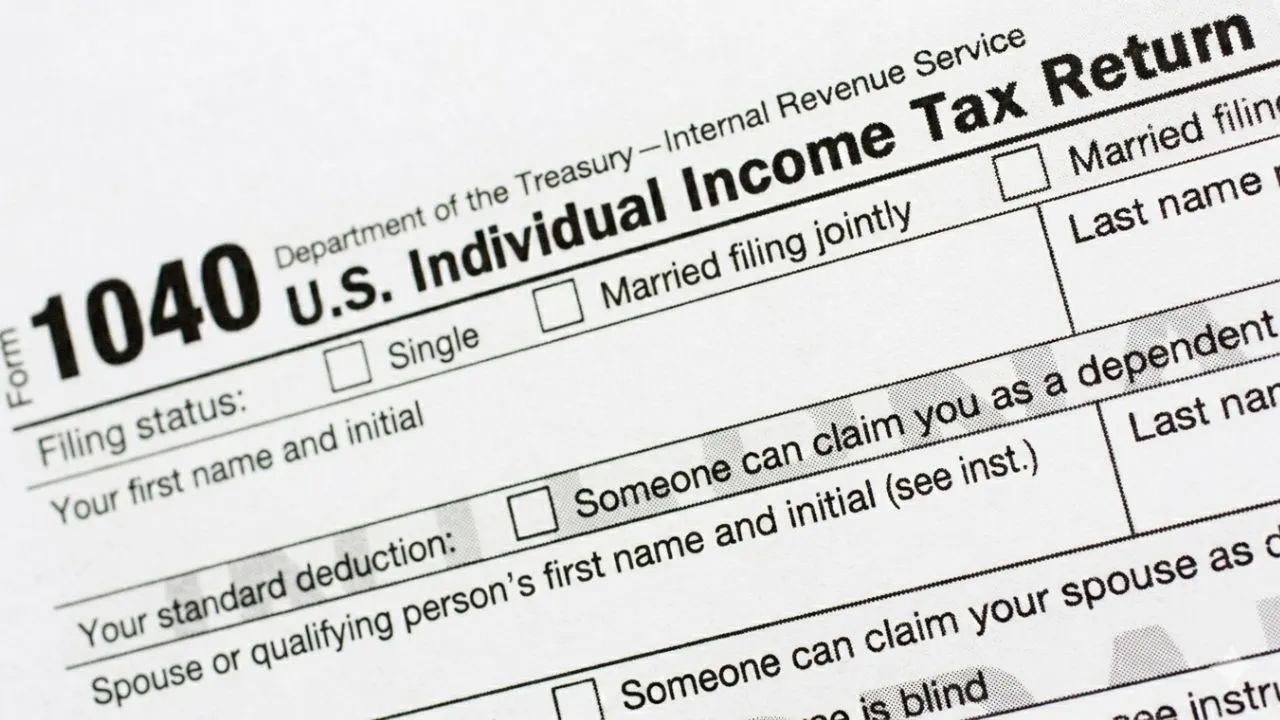
The IRS allows taxpayers to direct their refund into up to three separate bank accounts by filing Form 8888 with their return. If you elected this option, each account will receive only the portion you designated not the full IRS-approved total.
Every account gets its own individual ACH transaction for its specific allocated deposit amount. The IRS page on IRS direct deposit explains how split deposits are structured and how to verify which accounts were designated.
This is a straightforward arithmetic explanation for a deposit amount discrepancy that surprises taxpayers who split their refund during filing and forgot about it by the time the deposit arrived months later.
If your total approved refund was $3,200 and you split it as $2,200 to your checking account and $1,000 to your savings account, each account will show a deposit amount smaller than the IRS-approved figure. Your filed return and the Form 8888 attachment show the exact allocation you designated.
Reason 4: The IRS Adjusted Your Refund After You Filed
The IRS has authority to recalculate your refund after your return is filed and after the originally approved amount appears in the Where’s My Refund tool. These post-filing adjustments occur when the IRS identifies a math error on your return, when you claimed a credit the IRS determines you do not qualify for, or when an amended return changes the original refund calculation.
The deposit amount your bank receives reflects the adjusted figure, not the original IRS-approved total you saw online. When the IRS adjusts your deposit amount, it issues a written CP notice by mail explaining the specific change and the reason for the revised figure. That notice is sent to your address of record and typically arrives within two to four weeks of the adjusted deposit posting.
If your deposit amount is lower than expected and no IRS notice has arrived yet, you can check for any recalculations through the Where’s My Refund tool at irs.gov. The federal payments guide explains how post-filing adjustments move through the federal payment pipeline before they reach your bank.
How All Four Reasons Connect to the Same Payment Pipeline
Every IRS refund follows the same institutional path regardless of which of the four reasons applies to your deposit amount. The IRS approves the refund and forwards a payment authorization to the Bureau of the Fiscal Service.
The Bureau screens the deposit amount against the TOP database and applies any offsets. It then prepares the net deposit and submits the payment file to the FedACH system, which routes the deposit to your bank’s routing number. Your bank posts the deposit amount to your account on the ACH effective date, typically the same business day or the following morning.
By the time a deposit amount posts to your account, it has cleared the IRS, the Bureau of the Fiscal Service, and the FedACH network before reaching your bank. A discrepancy can originate at the Bureau through a TOP offset, at a third-party bank through a preparer fee deduction, at the routing level through a split deposit, or at the IRS itself through a post-filing adjustment.
A separate scenario, where the IRS shows a refund as sent but your balance shows zero entirely is a timing issue rather than an amount discrepancy, and reflects the payment still moving through the ACH network rather than any reduction to your deposit amount.
What You Should Do Now
Check the IRS Where’s My Refund tool first. Confirm the exact dollar amount the IRS approved and sent. If that figure matches your deposit, the difference was not IRS-generated, look at a preparer fee or split deposit.
Call 1-800-304-3107 if you suspect a TOP offset. The Bureau of the Fiscal Service TOP call center confirms whether an offset occurred, which agency received the funds, and how to dispute an incorrect garnishment.
Review your tax preparer paperwork. If you used a paid preparer, locate the bank product disclosure form from filing. It states the exact fee amount deducted from your deposit.
Check your filed return for Form 8888. If you elected a split deposit, Form 8888 shows the allocation to each account. The amounts on that form will add up to the full IRS-approved deposit amount.
Wait for your CP notice if an adjustment occurred. A written IRS notice explaining any recalculation arrives within two to four weeks. That notice contains the specific reason for the deposit amount difference and the exact revised figure.
Your deposit amount discrepancy has a specific, documented explanation in every case. Each of the four reasons above has a defined resolution path through official .gov channels.