
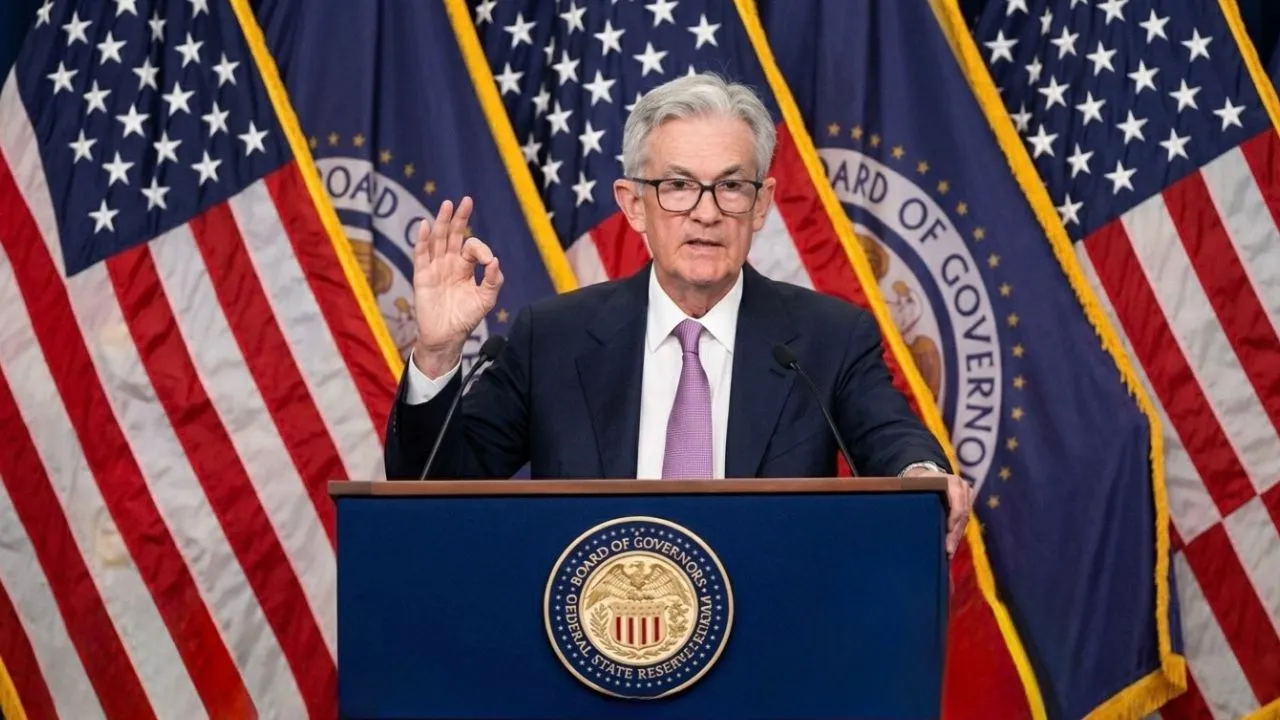
The Federal Reserve concludes its April 28-29 meeting on April 29. At 2:00 PM ET, the committee announces whether to hold, cut, or raise the rate that determines what every savings account, CD, and money market fund in the country pays you.
Here is exactly what each outcome means for your money, what specific words to watch for in the April 29 statement, and what to do the moment the announcement lands.
If you are earning 4.0 to 4.5 percent annually on a high yield savings account right now, your yield is a direct consequence of the savings rate Fed decision the committee last made in January 2026. The Fed has held at 3.50 to 3.75 percent for three consecutive meetings.
That consecutive hold is the reason competitive online banks are still offering yields that would have seemed extraordinary three years ago. The April 29 announcement will either protect that yield, threaten it, or send a signal that banks will begin trimming it within weeks, even before the Fed officially cuts.
CME FedWatch currently places a 99.9 percent probability on a hold at April 29 meeting. Polymarket confirms that number. In practice, a hold is not in doubt. What is in doubt is the language the committee uses to describe the hold, and that language is what will actually move your savings rate in the weeks that follow.
What Each Outcome Actually Means for Your Savings Account
A rate hold with no language change is the cleanest outcome for savers. If the Fed holds at 3.50 to 3.75 percent and the statement language from March is unchanged, competitive banks have no reason to adjust their savings APY. Your yield stays where it is. You do nothing.
A rate hold with dovish language is the scenario that should put savers on alert. Dovish language means the committee is signaling it expects to cut rates sooner than markets had assumed. Banks do not wait for an actual Fed cut to lower savings yields.
When a major bank’s treasury desk reads a dovish Fed statement, deposit rate adjustments begin internally within days and reach customers within 30 to 60 days. You may not see a formal Fed cut until June or September, but your bank’s savings APY could drop before either of those meetings if 2:00 PM ET on April 29, language opens the door.
A rate hold with hawkish language is the best short term outcome for savers. Hawkish language means the committee sees inflation risks that push rate cuts further into the future. If the Fed signals it needs more evidence that inflation is cooling before it will cut, banks have reason to keep savings yields elevated through the summer.
The March CPI reading of 3.3 percent year over year, sharply up from February’s 2.4 percent driven by Middle East oil supply disruptions and war related commodity shocks, has already shifted market expectations for 2026 cuts toward later in the year. A hawkish statement on April 29 could push those expectations even further out, which is directly favorable for savers.
A rate cut, which carries a 0.1 percent probability according to CME FedWatch, would immediately begin lowering the base that banks use to price deposit accounts. Savings yields at competitive banks would begin falling within days. This outcome is essentially impossible given current inflation data, but it is worth understanding the mechanism.
The institution behind your savings rate is the Federal Reserve’s Federal Open Market Committee, which sets the federal funds rate target. That target rate is what banks charge each other for overnight lending, and it serves as the floor beneath which competitive savings yields cannot sustainably sit.
When the FOMC raises or lowers that rate, every bank in the country recalculates what it must pay to attract and hold deposits. The Fed does not set your savings APY directly. It sets the cost of money itself, and your APY follows.
The Exact Words to Watch in the April 29 statement
The Fed changes approximately two to three words per statement. Those small changes move billions of dollars. Here are the specific phrases that matter for your savings rate tomorrow.
Watch for any change to the phrase “elevated uncertainty.” The March statement used this language to describe the economic environment. If the April statement drops “elevated” or replaces the phrase entirely, it signals the committee believes conditions are stabilizing, which is a step toward cuts, which is a warning for savers.
Watch for any change to the language around “appropriate stance of monetary policy.” The March statement said the committee judges its current stance as appropriate while it watches for further evidence. Any softening of this language, any suggestion that the stance may become “less restrictive” or that cuts are being “considered,” is a dovish signal.
Watch for any new language about energy prices or the Middle East. The March CPI spike to 3.3 percent was driven significantly by oil supply disruptions. If the April statement explicitly attributes recent inflation to temporary supply factors and signals confidence that those factors will reverse, that is a dovish signal even if the rate holds. It tells banks the Fed sees the inflation spike as temporary, which is one step closer to a cut.
Watch for any change in the dissent count. In both the January and March meetings, FOMC members Miran and Waller dissented, preferring a 25 basis point cut. If the number of dissents increases, it signals growing internal pressure for cuts, which is a leading indicator for savers that yields may not stay elevated through year end. You can read the full March FOMC statement directly at the Federal Reserve’s official press release page to compare it word for word against the April 29 release.
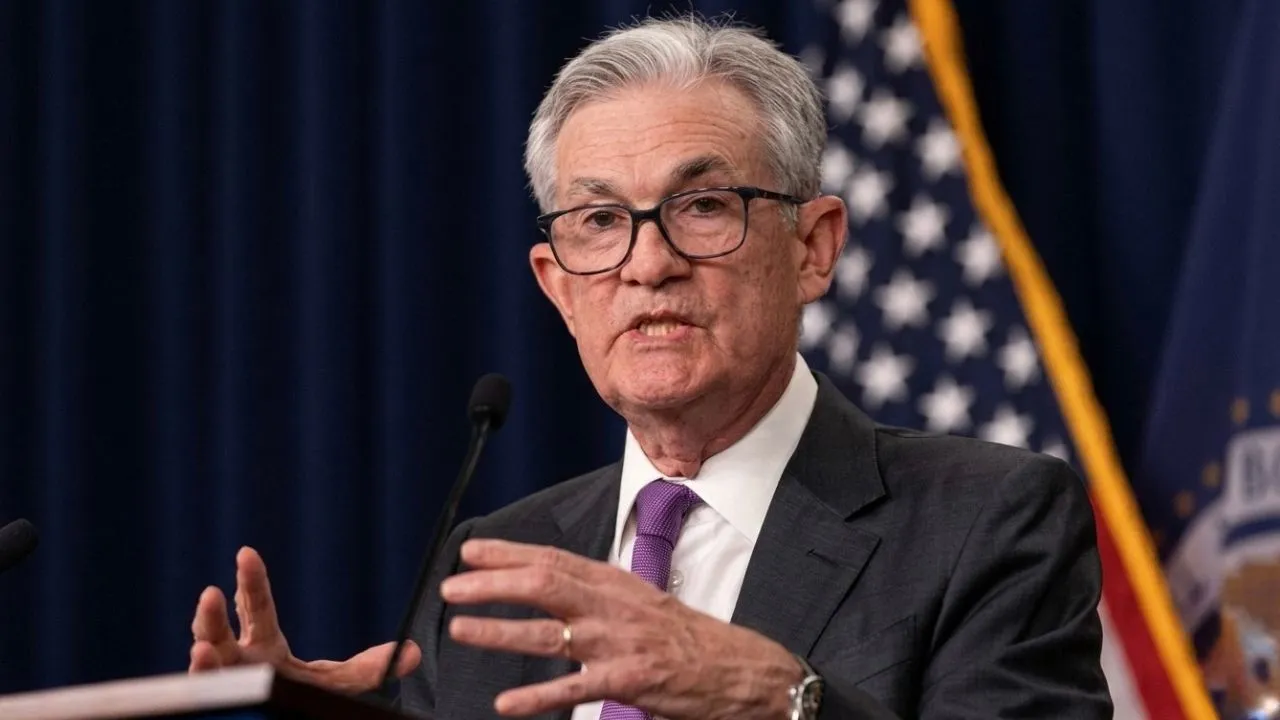
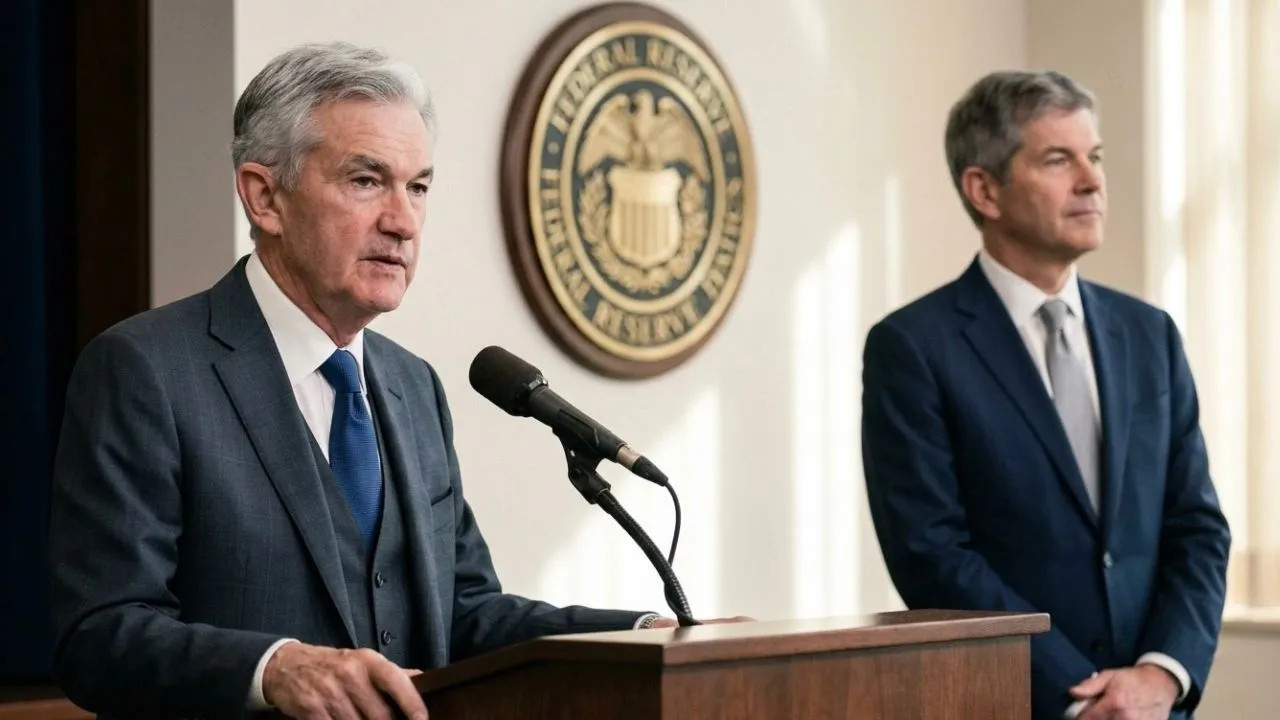
Powell’s press conference follows at 2:30 PM ET. The press conference often matters more than the statement for near term market signals. Reporters will push Powell on the inflation picture, the timeline for cuts, and his own future at the institution. His final press conference as Chair is an occasion where candor, if it comes, will move markets.
The Warsh Transition and What It Means for Savers Through Year End
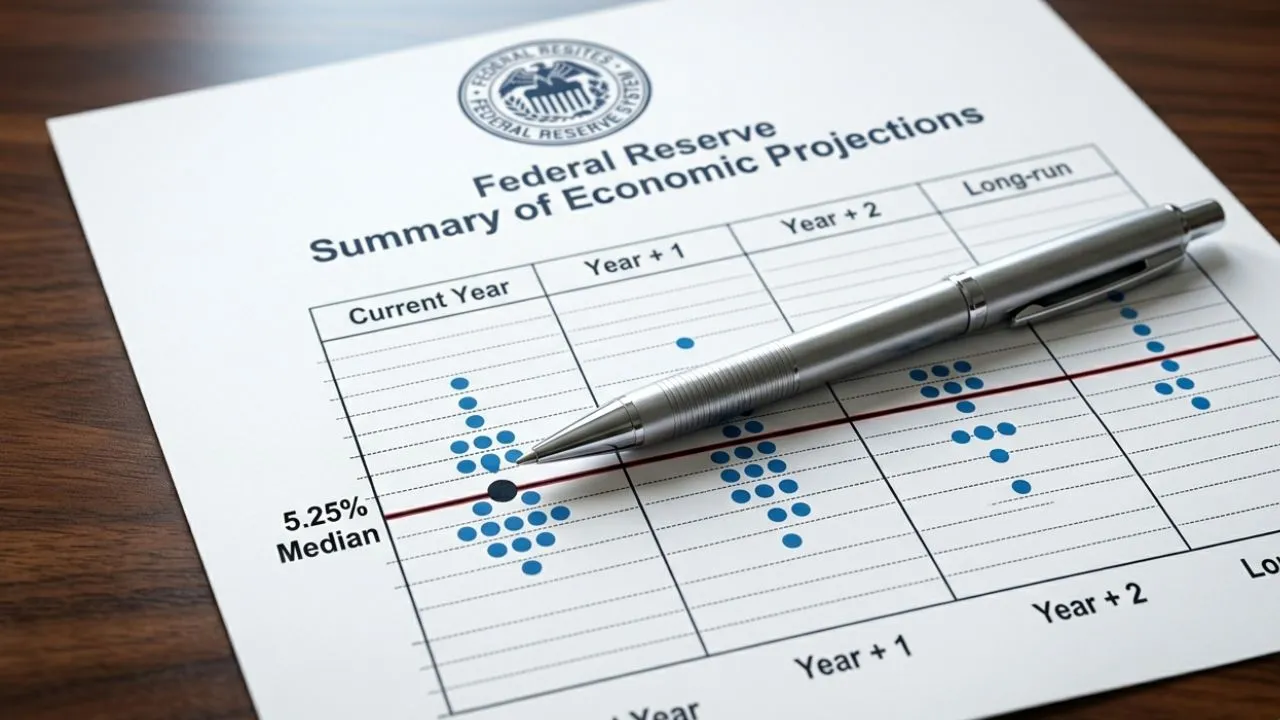
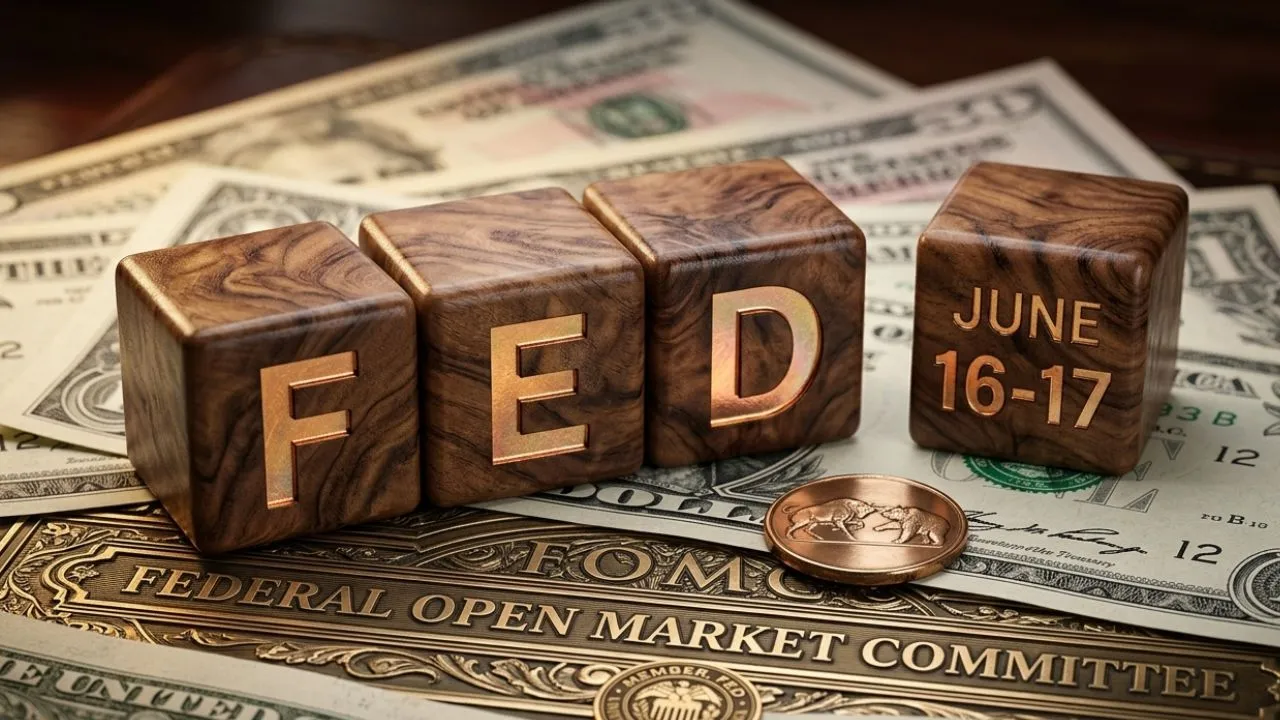
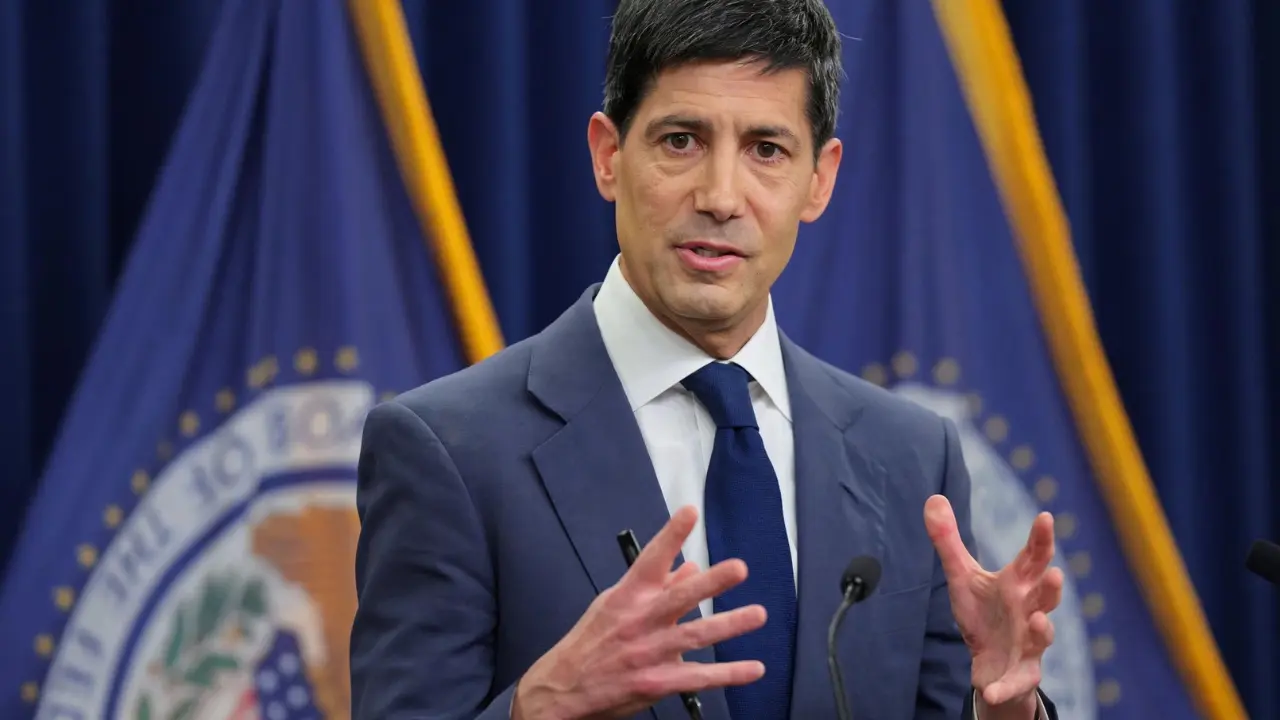
This is Powell’s final FOMC meeting as Fed Chair. His term expires May 15, 2026. Kevin Warsh, whose Senate confirmation path was cleared after Senator Tillis removed his hold, takes over after that date. The June 16 to 17 meeting will be Warsh’s first as Chair, and it includes the Summary of Economic Projections, the dot plot that maps where each committee member expects rates to go through 2026 and beyond.
Warsh’s policy history and public statements reflect a preference for tighter monetary conditions relative to the median of Fed leadership during the post-2020 period. For savers, a Warsh Fed is historically a better environment than a more accommodative Fed.
A Chair who is cautious about cutting rates means a longer runway for elevated savings yields. Deutsche Bank currently projects no rate changes for the remainder of 2026. The broader market consensus expects two 25 basis point cuts later in 2026, timing pushed back from earlier expectations largely because of the March CPI data. If Warsh’s policy instincts lean tighter, those cuts may come even later than the market expects.
For people holding long term CDs locked in at current rates, a Warsh era that delays cuts is the most favorable outcome. For people on variable rate products, including HELOCs and adjustable rate mortgages, the picture is more complicated. Mortgage rates on 30 year fixed products are currently sitting in the upper 5 to low 6 percent range.
A prolonged hold, while good for savers, means those rates stay elevated as well. The same savings rate Fed decision that protects your savings yield is the one that keeps your borrowing costs high. The Fed does not optimize for one side of that equation.
The IRS underpayment interest rate, which many self employed Americans and investors pay when they underestimate quarterly tax liability, is also affected by the federal funds rate. It is calculated as the federal short term rate plus 3 percentage points, and it adjusts quarterly.
A prolonged hold means that cost stays elevated for taxpayers carrying underpayment balances. You can review the current underpayment rate and how it is calculated through the Federal Reserve’s monetary policy calendar, which also lists all upcoming decision dates.
For a deeper explanation of how the Federal Reserve’s rate decisions flow through to the timing of bank deposits and savings rate adjustments, the Federal Reserve rate decision deposit timing guide at Investozora explains the full mechanism. Understanding Federal Reserve policy explained from the institutional level up helps clarify why the Fed moves cautiously even when individual data points seem to call for action.
Your Action Plan for the Fed Decision
- Set a reminder for 2:00 PM ET on April 29. The Fed statement is released at exactly that time at federalreserve.gov. Read the first paragraph of the statement before reading any news coverage of it.
- Watch Powell’s press conference at 2:30 PM ET. Livestream available at the Federal Reserve’s live broadcast page . Pay attention to any language about energy prices, the timeline for cuts, or his confidence in the inflation trajectory.
- Within 48 hours of the announcement, visit your bank’s savings account page directly. Do not wait for an email notification. Banks are not required to give advance notice of deposit rate changes. If the statement was dovish, your rate may already be queued for reduction.
- Compare your current savings APY against the top three competitive online banks. If your current bank is already 0.25 to 0.50 percentage points below the market leader, the next rate environment regardless of whether the Fed cuts is not the moment to stay loyal to a below market yield.
- If you are considering locking a CD at current rates, the window between now and the June 16 to 17 meeting is the most relevant planning horizon. The dot plot released at that meeting will give the clearest signal of where rates are heading for the rest of 2026.
The savings rate Fed decision on April 29 is not just a headline for investors and economists. It is the number that determines what your money earns while it sits in your account. Knowing exactly what to watch, and what each outcome means in plain terms, is how you stay ahead of it rather than react to it.
To understand how the broader U.S. payment infrastructure connects savings rates to federal disbursement systems, the U.S. money movement system guide explains the full institutional picture.