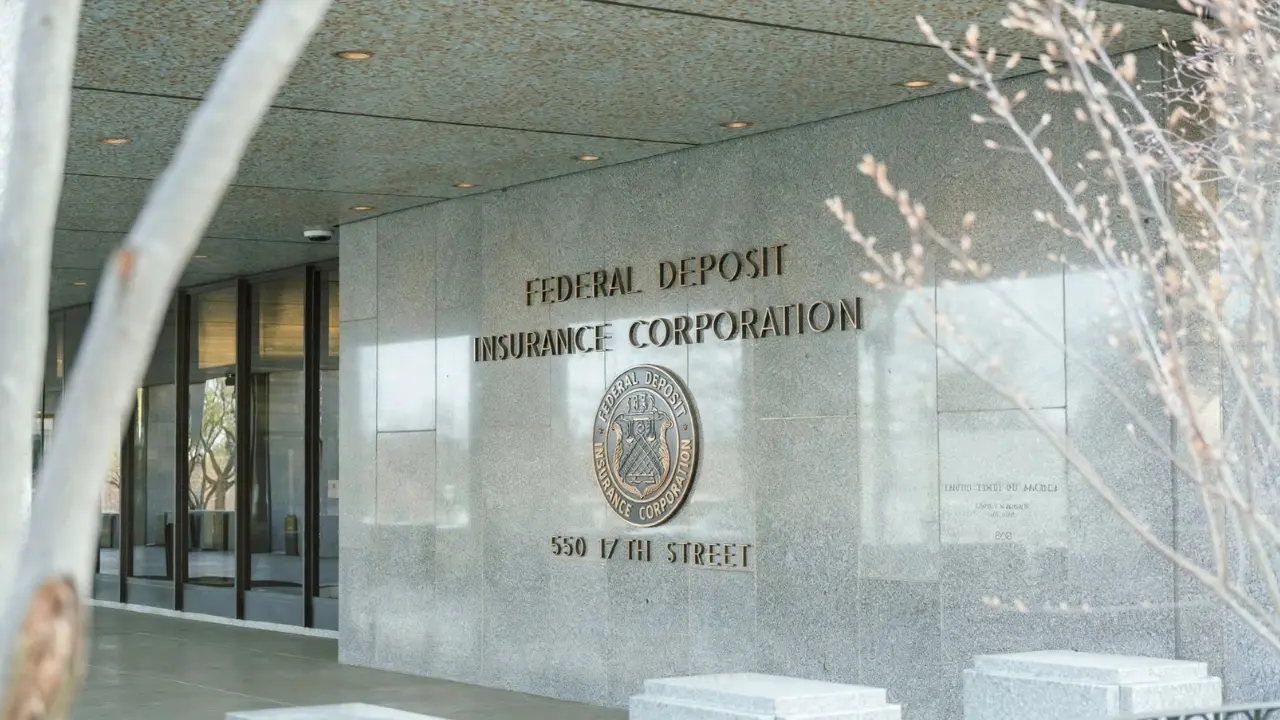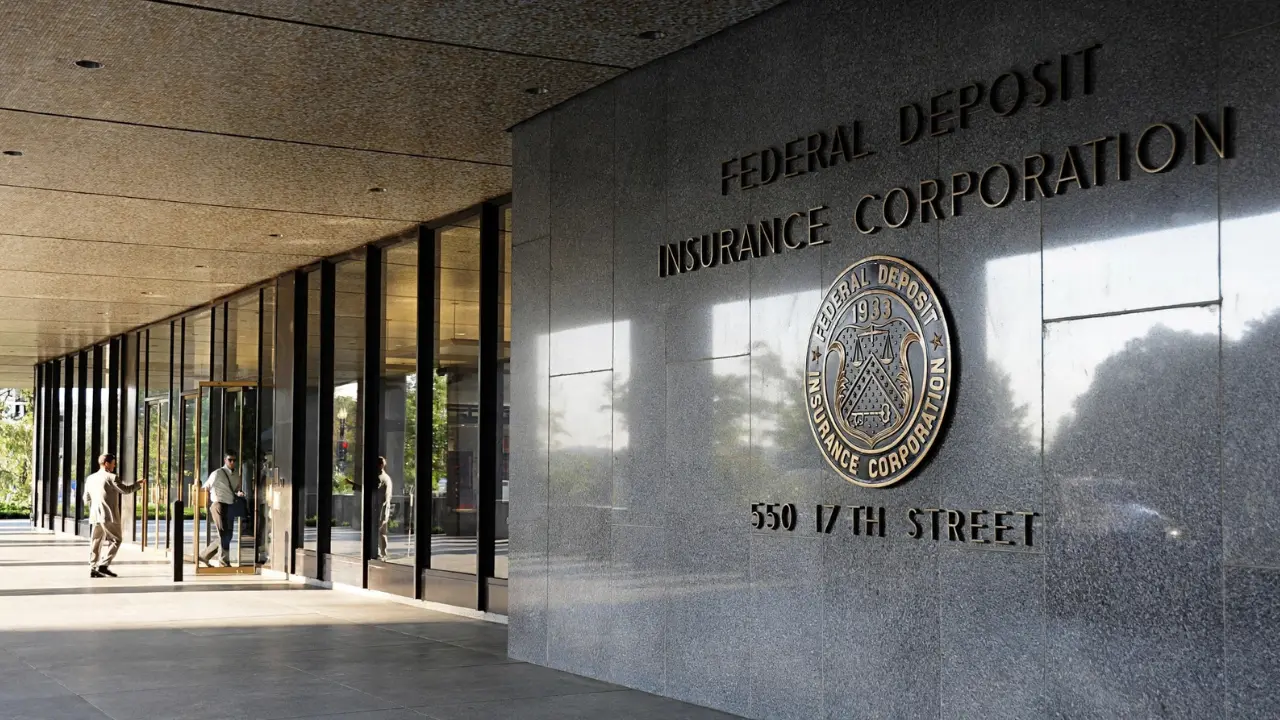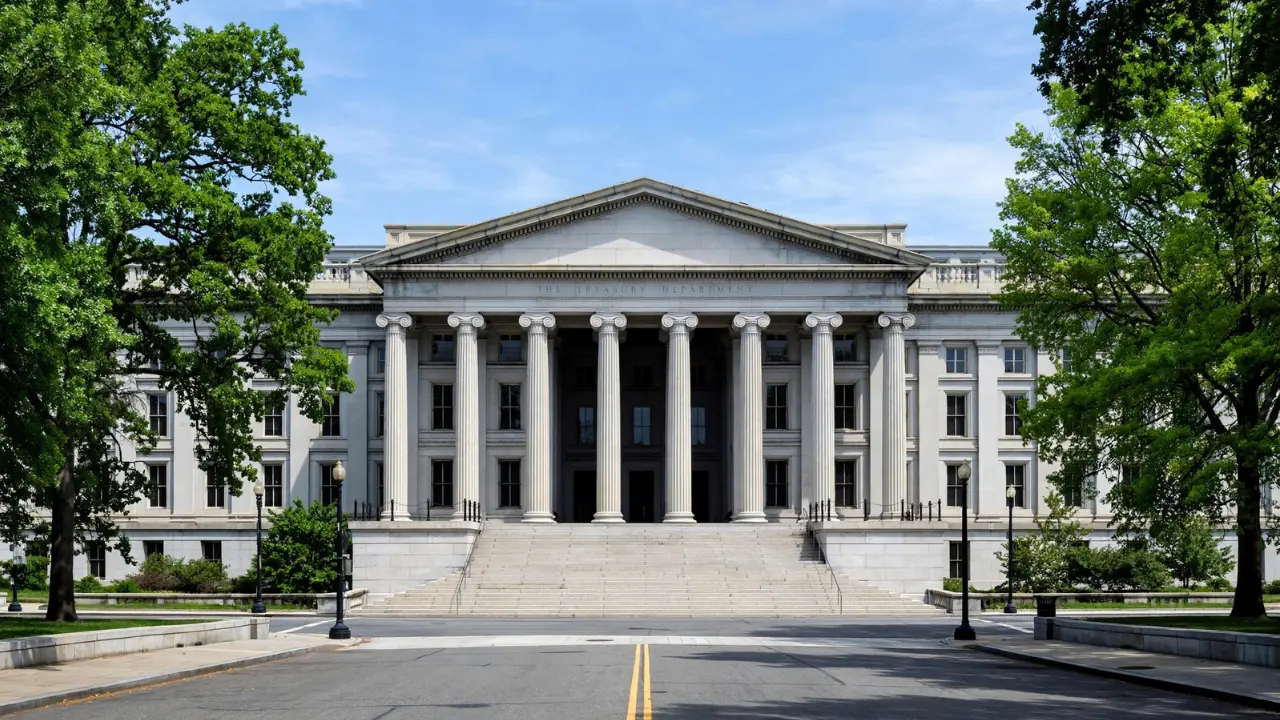

Right now, your bank is legally allowed to receive your paycheck overnight and hold it until the end of the business day. Most banks don’t do this most post between midnight and 9 AM, but some do, and nothing in current federal banking law has ever required a specific morning deadline. Until now.
A confirmed rule change by NACHA, the body that governs the direct deposit rule 2026 landscape for every American with a bank account, will require every financial institution in the country to post ACH credit payments by 9 AM local time starting September 2026. If you have ever checked your phone at 6 AM wondering where your money is, this law was written for you.
The direct deposit rule 2026 change is not a proposal. It is not pending Congressional approval. NACHA’s operating rules govern the ACH network as a condition of membership, and every bank and credit union in America participates in that network. The rule does not require legislation, it requires compliance from every institution already inside the system.
What the NACHA Rule Actually Changes — and When It Kicks In
Today, federal banking law requires banks to make ACH credit deposits available by the next business day. That is the rule. But there is no specific time-of-day requirement within that rule and that gap has created a fragmented system where one customer receives their paycheck at 3 AM while another, at a different bank, waits until noon. Both banks are following the law. Both outcomes are legal.
The NACHA September 2026 rule closes that gap permanently. Every institution participating in the ACH network which covers virtually all banks, credit unions, and financial institutions operating in the United States must make ACH credits available to account holders by 9 AM local time on the settlement date.


This applies to payroll direct deposits, federal government disbursements including Social Security and IRS refunds, and every other ACH credit transaction processed through the network.
The Federal Reserve’s FedACH service already settles standard ACH credits at 8:30 AM Eastern Time on the settlement date, as documented in the FedACH processing schedule. Banks receive those funds at 8:30 AM Eastern. Under the new rule, they have thirty minutes to post them. The institutional gap between when Treasury’s system releases money and when your bank shows it to you is being closed by regulation.
NACHA has been expanding Same Day ACH in phases since 2016. The 9 AM posting requirement is the next step in that evolution, a direct result of years of consumer pressure and regulatory momentum pushing the network toward real-time availability. For a complete explanation of how money moves from the Federal Reserve through commercial banks, see our payment system guide.
What This Means for Social Security, IRS Refunds, and Government Payments
Every federal government payment flows through the ACH network. Social Security benefits, IRS tax refunds, VA disability payments, and all other federal disbursements originate from the U.S. Treasury’s Bureau of the Fiscal Service, which submits payment files to the Federal Reserve’s FedACH network for routing to recipient banks.
The Bureau of the Fiscal Service is the institution that actually moves the money, the IRS authorizes your refund, but Treasury sends it. The September 2026 rule applies to every one of these transactions.
For the estimated 65 million Americans receiving Social Security by direct deposit, the practical effect is guaranteed morning access. Today, a beneficiary whose payment posts on a Wednesday might see it anywhere from midnight to late afternoon, depending solely on which bank they use.
Starting September 2026, that variance disappears. Every bank must post by 9 AM local time, regardless of institution size, charter type, or internal processing schedule.
For IRS refund recipients, the same timeline applies. Once the Bureau of the Fiscal Service releases your refund file through FedACH, your bank must post it by 9 AM on the effective settlement date.
You can track your refund status through the IRS system and understand the full bank posting times breakdown in our dedicated guide. For the moment your refund leaves government systems and enters the banking network, see our direct deposit timing reference.
Early Direct Deposit Users — Does This Change Anything for You?
If you bank with a neobank like Chime or Varo and regularly receive your paycheck one to two days early, the September 2026 rule does not change your experience. Early direct deposit works differently from standard posting.
These institutions release funds when they receive the incoming ACH file which arrives before the official settlement date. The 9 AM rule applies on the settlement date, which, for early-deposit customers, has already passed before the money appears.
The rule’s practical impact is largest for customers of traditional banks and credit unions where deposits currently arrive in the afternoon or at end of business. If your bank today posts at noon or 3 PM, September 2026 forces it to post by 9 AM. If your bank already posts at midnight or 6 AM, you may not notice any change except that the guarantee is now law.
What this rule also does is create a floor for consumer protection. Today, a bank that changes its internal processing schedule to a later posting time faces no regulatory consequence. Starting September 2026, 9 AM is the legal ceiling, not a voluntary best practice. For the full picture of how FedACH delays affect your payment timeline today and what changes after September, see our explainer on pending deposit rules.
What You Should Do Now
- Mark September 2026 as the effective date, no action is required from you, but check your bank’s current posting policy at your institution’s online FAQ.
- If your bank currently posts deposits in the afternoon, the September 2026 rule means morning posting becomes a legal requirement for your institution.
- Social Security recipients: starting September 2026, your bank must post your payment by 9 AM local time, the same rule applies to your benefit payment as to any private payroll deposit.
- IRS refund recipients: once your refund enters the ACH network, the September 2026 rule guarantees 9 AM posting on the settlement date, use our direct deposit timing guide to understand exactly when that clock starts.
- Visit the FedACH processing schedule to see the existing Federal Reserve settlement timeline this rule builds upon.
The direct deposit rule 2026 is the most significant change to U.S. deposit availability requirements in years. For the complete institutional explanation of how money moves from Treasury to your bank account, see our payment system guide.
Editorial Note: Investozora is an independent news publication. This content is for informational purposes only. For official guidance, please visit nacha.org or frbservices.org.