 Prefer Investozora on Google
Get real-time financial updates.
May 8, 2026 • 4:35 AM ET
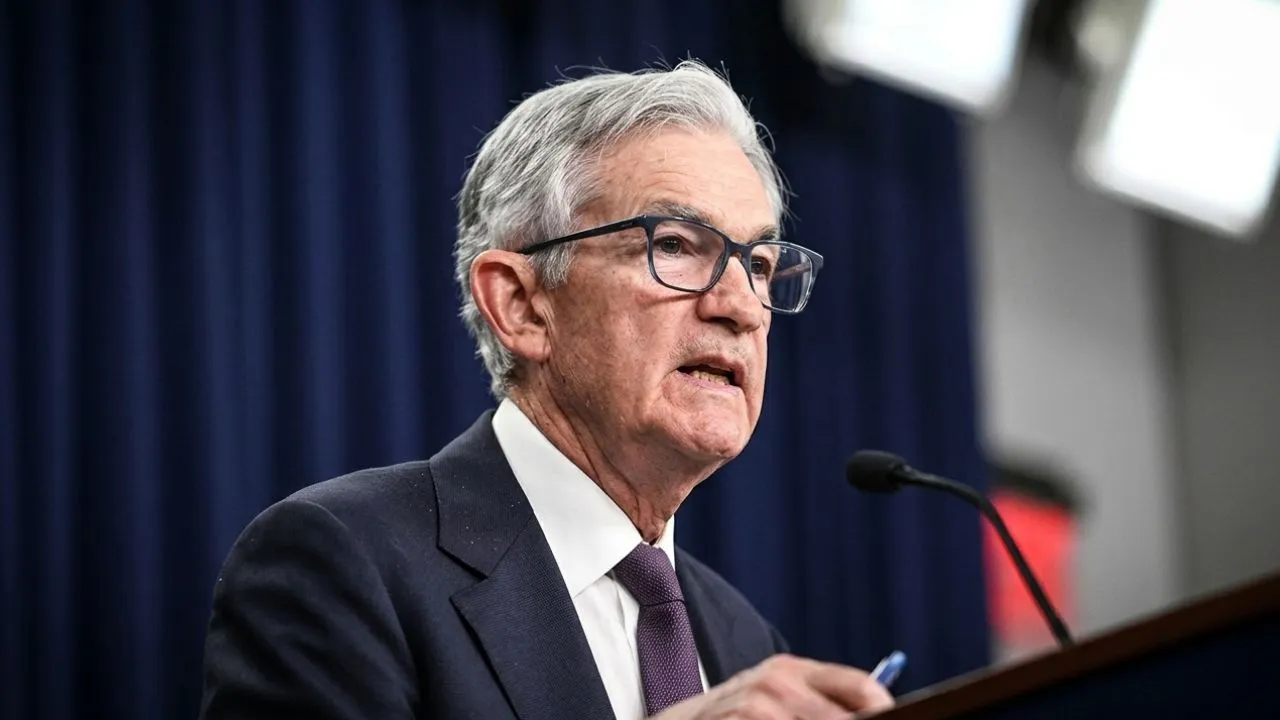
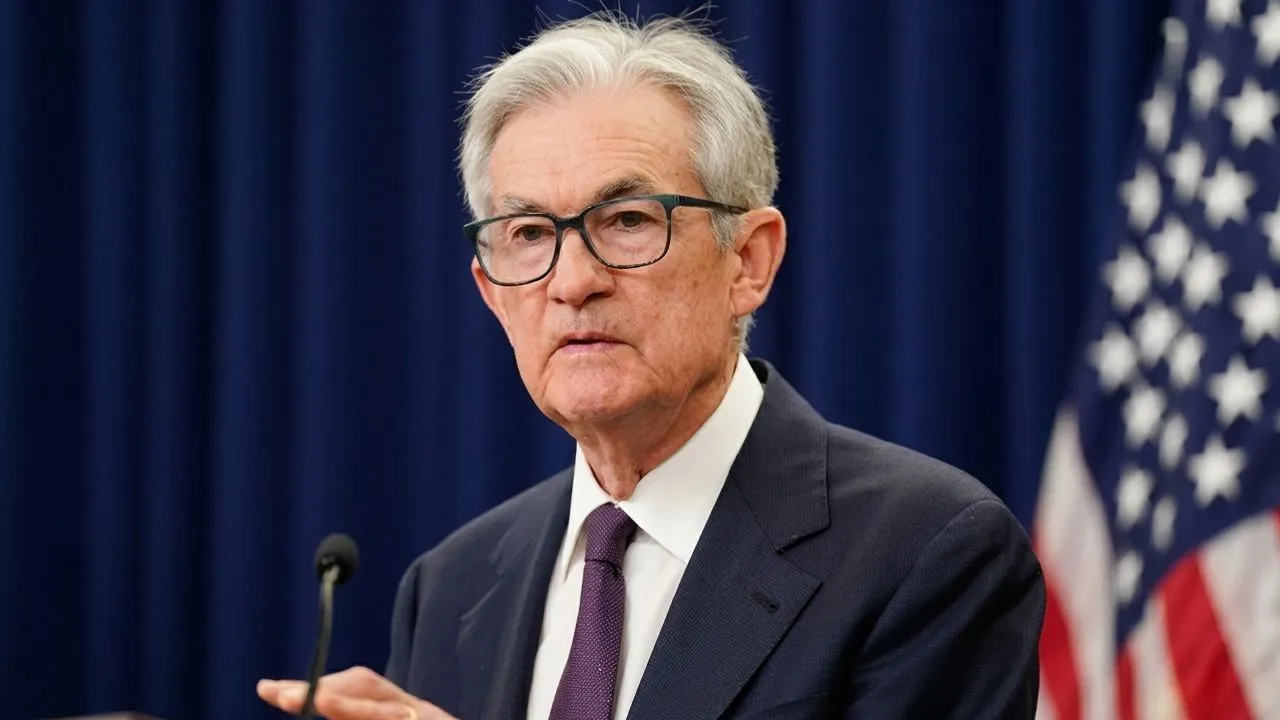
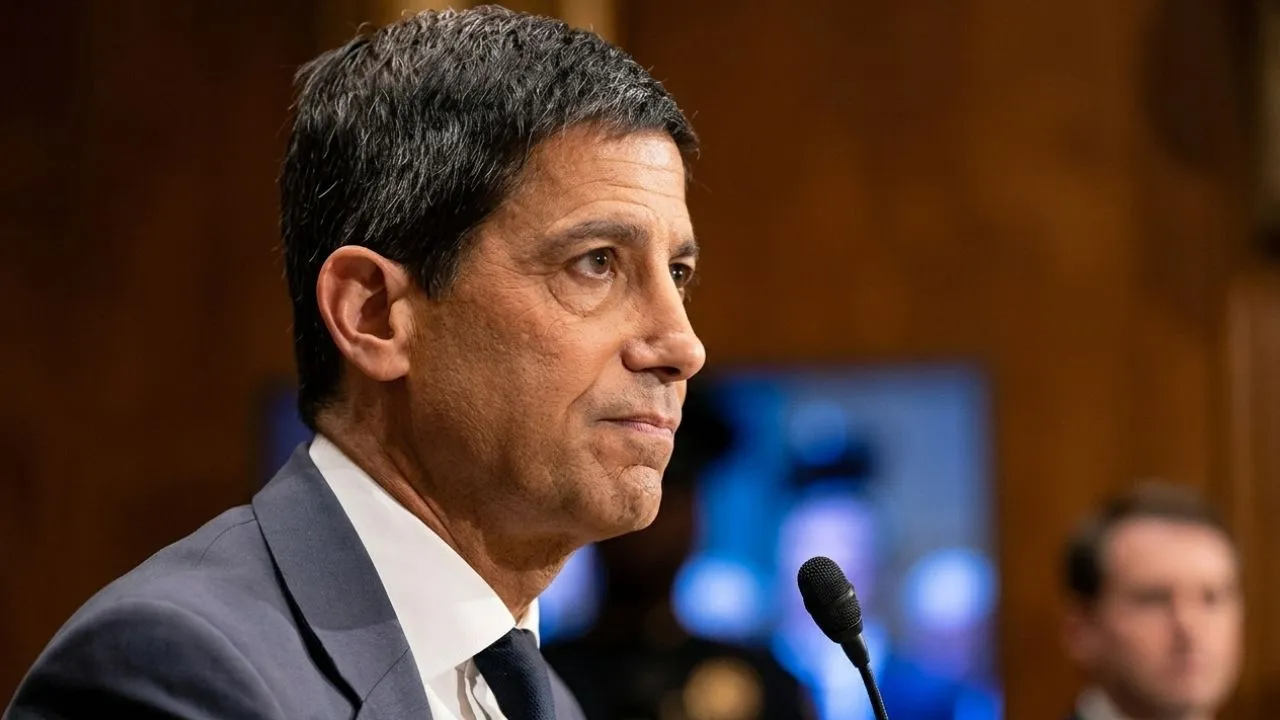
The Senate Banking Committee cleared Kevin Warsh’s nomination for Federal Reserve chair. The full Senate floor vote is the final procedural step before Warsh can be sworn in as the next chair.
Kevin Warsh cleared the Senate Banking Committee and is now one full Senate floor vote from becoming the next chair of the Federal Reserve. For the roughly 130 million American households carrying mortgages, savings accounts, car loans, or credit card debt, this vote is the most consequential financial policy event of 2026.
The Senate Banking Committee is the first of two confirmation gates every Federal Reserve chair nominee must pass. The committee evaluates the nominee’s qualifications, monetary policy philosophy, and regulatory views in public hearings before voting on whether to advance the nomination to the full Senate. A simple majority of committee members is required to advance.
Once the committee clears a nominee, Senate leadership schedules a full floor vote. A simple majority of all 100 senators confirms. The nominee is then sworn in at the Federal Reserve in Washington and immediately becomes the presiding officer of the Federal Open Market Committee.
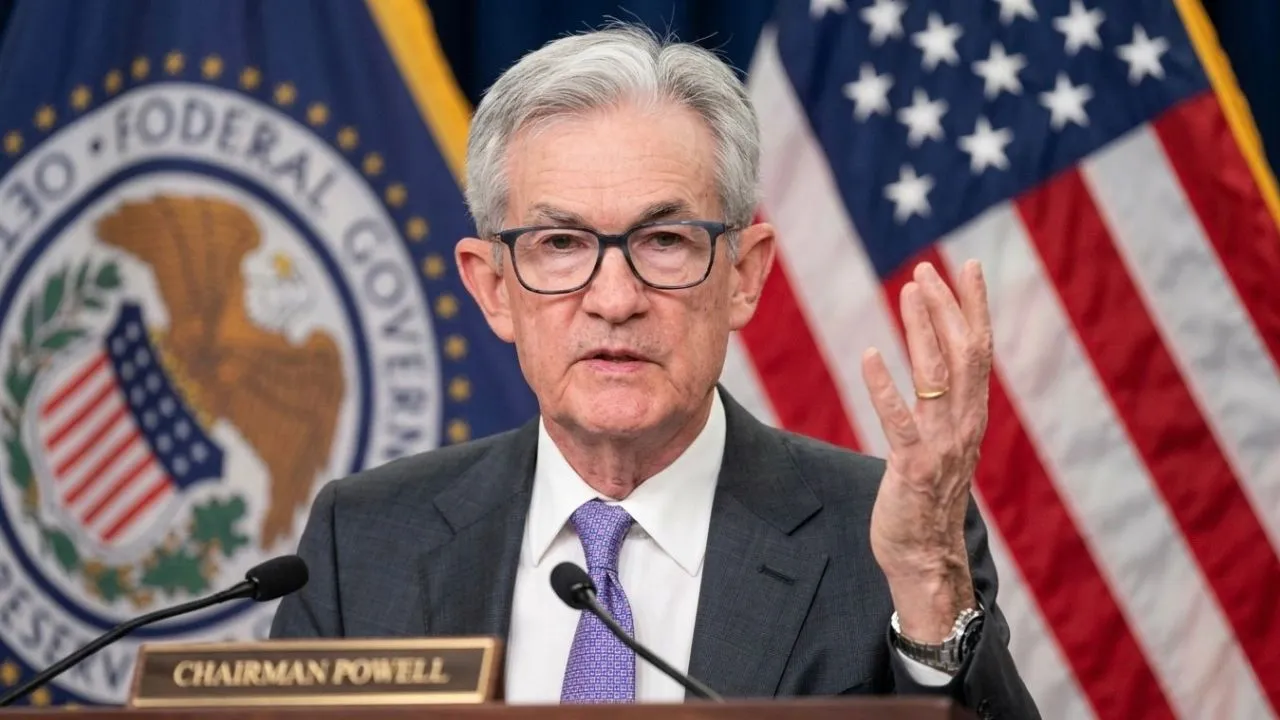
Jerome Powell will remain a member of the Federal Reserve Board of Governors after stepping down as chair. As detailed in our reporting on Powell’s board role, Powell continues voting on rate decisions as a governor even after Warsh takes the chair position. This means the FOMC that Warsh inherits is not a blank slate. It is a committee where Powell, a documented advocate of patient rate reduction, retains a vote.
What the Senate Floor Vote Timeline Looks Like
Senate floor votes on Federal Reserve nominees are not spontaneous. They require Senate Majority Leader scheduling, a cloture vote to end debate (which requires 60 votes to invoke), and then a final confirmation vote requiring 51 votes. If cloture is invoked on a simple party-line motion, the timeline from committee clearance to floor vote typically runs 10 to 21 days.
Federal Reserve Policy
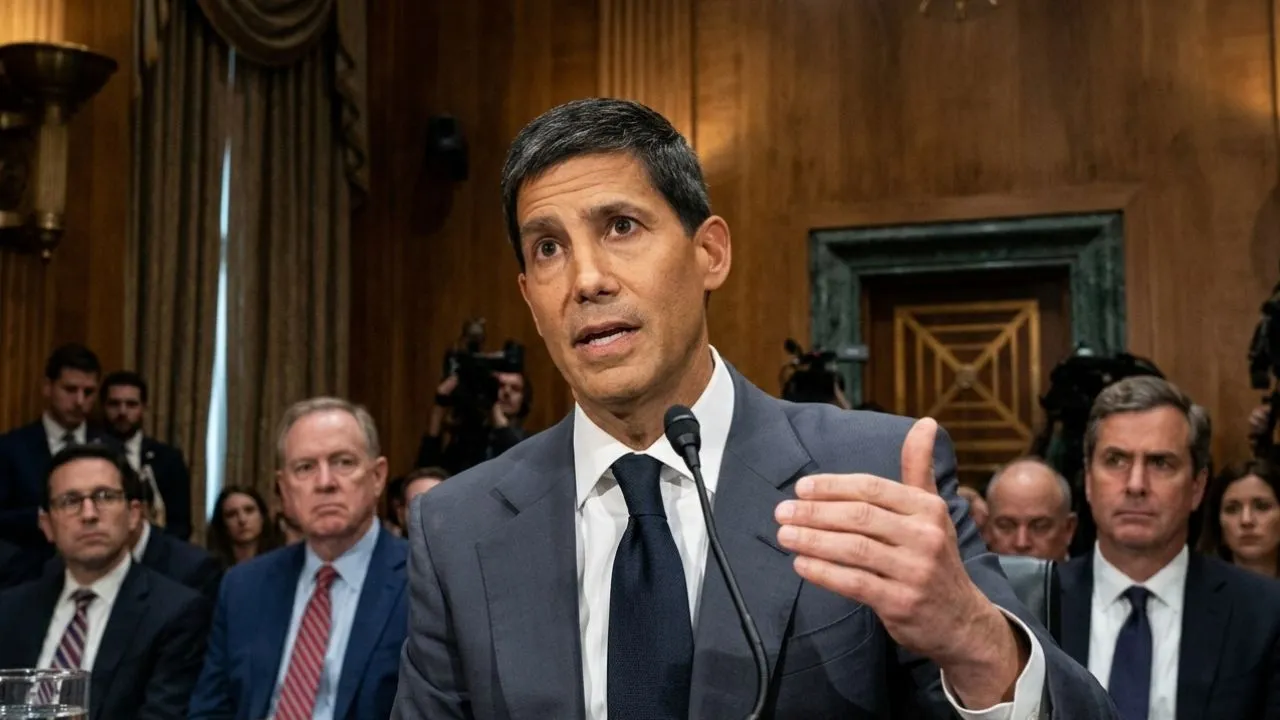
Kevin Warsh Is Days From Running the Fed — What Changes Next
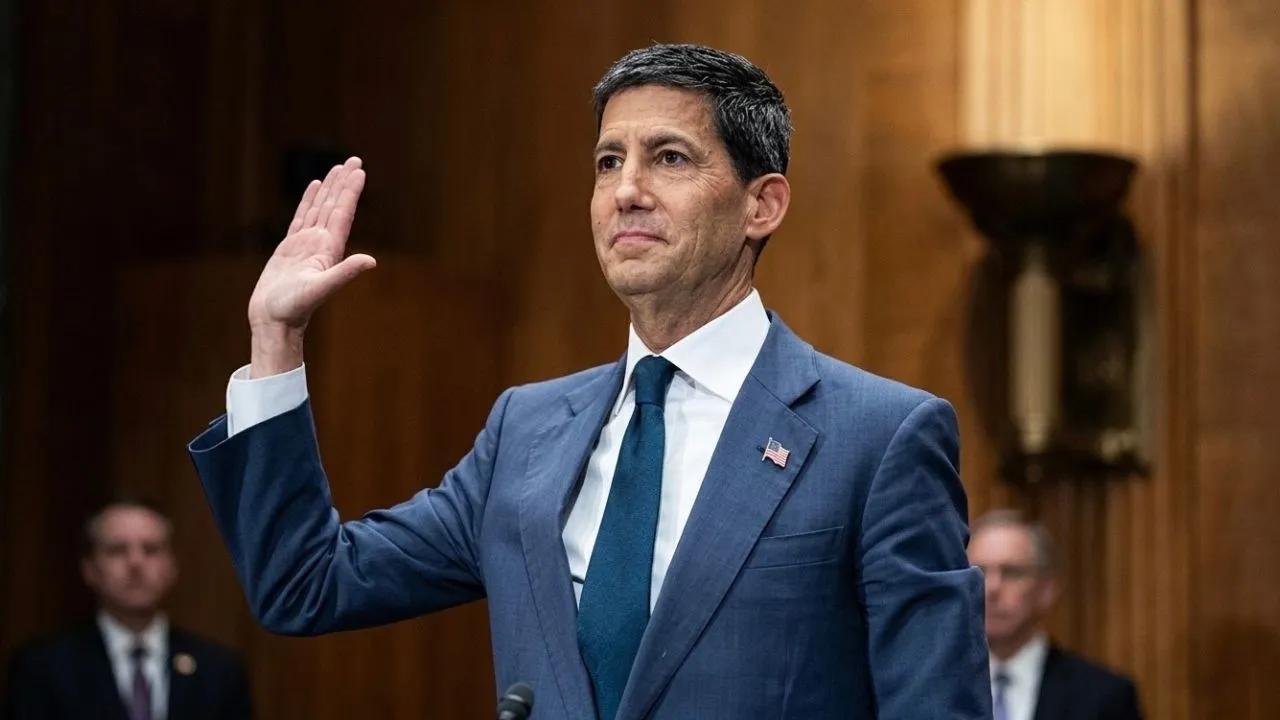
Kevin Warsh Is One Senate Vote Away From Running the Fed
The critical variable is whether any senator places a hold on the nomination, which can delay scheduling indefinitely without triggering a formal vote. Holds are typically used as negotiating leverage and are lifted when the holding senator secures a commitment from leadership or the nominee. Based on the confirmed vote sequence for Warsh and current Senate floor scheduling, a full vote before Memorial Day is the working scenario.
The Senate Banking Committee’s public confirmation proceedings are published at banking.senate.gov. The official Senate floor schedule, including cloture filings and confirmation vote notices, is published at senate.gov. Neither site has posted a specific floor vote date as of publication.
What Warsh’s Confirmation Means for Interest Rates
Kevin Warsh served as a Federal Reserve governor from 2006 to 2011. His published writings and testimony consistently emphasize a tighter monetary policy stance than the Federal Reserve’s current trajectory. Warsh has argued that the Fed should normalize its balance sheet more aggressively and that inflation risks should be weighted heavily in rate decisions.
The Federal Open Market Committee held rates at 4.25 to 4.50 percent at its May 6 and 7 meeting. As covered in our May FOMC analysis, the committee cited persistent uncertainty about the inflation path before signaling any rate reduction. Warsh inherits a committee that is already in hold mode. His confirmation does not change the current rate. It changes the committee’s forward guidance philosophy.
The Federal Reserve’s rate target is the single most powerful price signal in the U.S. economy. It determines what banks charge each other overnight, which cascades into every consumer lending rate.
A chair who leans toward holding rates higher for longer produces measurably different outcomes for mortgage holders, small business borrowers, and savings account holders than a chair who leans toward earlier cuts. For the full breakdown of how the Fed rate affects your specific accounts, see our guide on how rates move through the financial system.
What Happens Next And What This Means for You
If Warsh is confirmed before June, he will preside over the June 17 and 18 FOMC meeting. That meeting is the first in the 2026 calendar that would have included updated Summary of Economic Projections, the so-called dot plot, which publicly reveals where each FOMC member expects rates to go over the next three years. A Warsh-led dot plot would provide the first direct public signal of the new chair’s rate path expectations.
Warsh would also immediately begin the process of selecting a new Federal Reserve vice chair and potentially reshaping the staffing of the Fed’s Board of Governors through future nominations. The Board currently has two vacant governor seats. Those nominations go through the same Senate Banking Committee confirmation process.
What You Should Do Now
- Check your mortgage’s rate type. If you carry a variable-rate mortgage, HELOC, or adjustable-rate loan, monitor the FOMC calendar for rate decision dates.
- If you hold high-yield savings accounts, check your institution’s rate terms. Banks typically reprice savings accounts within 30 days of FOMC decisions.
- Follow the official Senate floor schedule for confirmation vote announcements.