 Prefer Investozora on Google
Get real-time financial updates.
May 7, 2026 • 7:05 AM ET
The Federal Open Market Committee held the federal funds rate at 4.25% to 4.50% at the conclusion of its May 6–7 meeting. The decision was unanimous. Source: Federal Reserve .
The Federal Reserve held its benchmark interest rate at 4.25 to 4.50 percent on May 7, 2026, leaving borrowing costs unchanged for American households at the same level set in December 2024.
The Federal Open Market Committee voted unanimously to hold, and the statement released at 2:00 PM Eastern time contained three specific signals that directly affect when rates will change and what that means for your savings, mortgage, and debt.
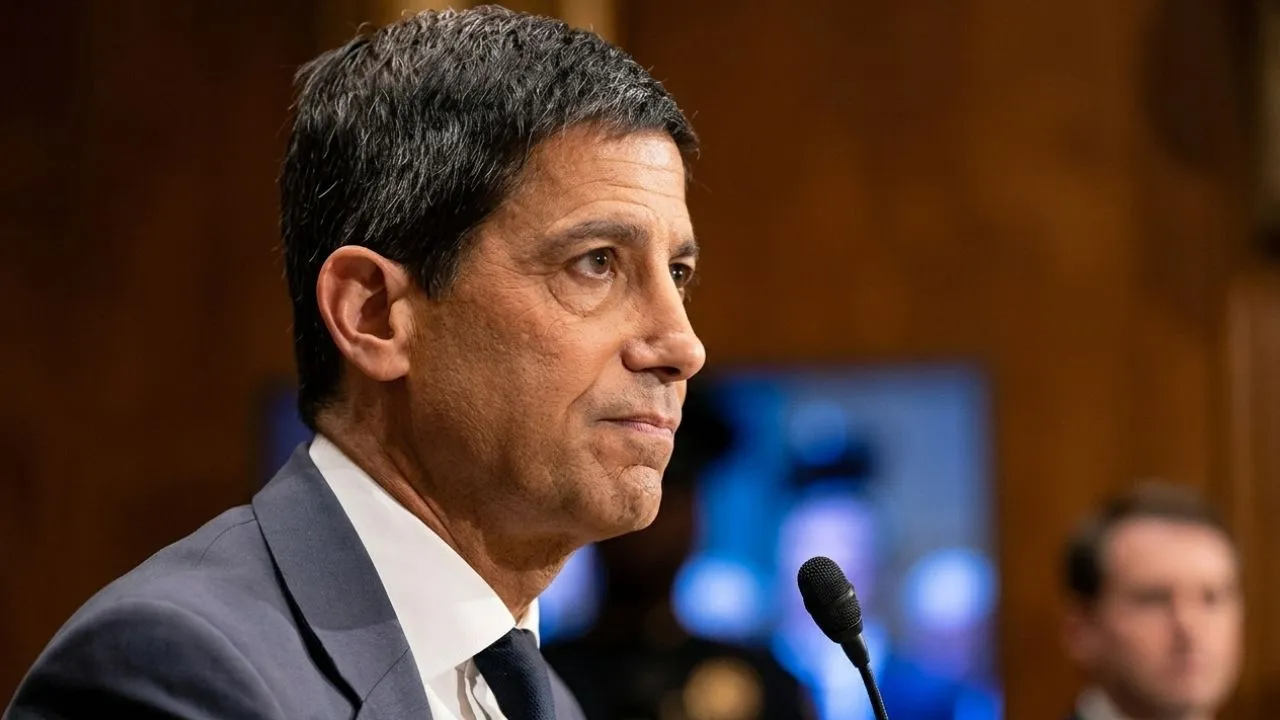
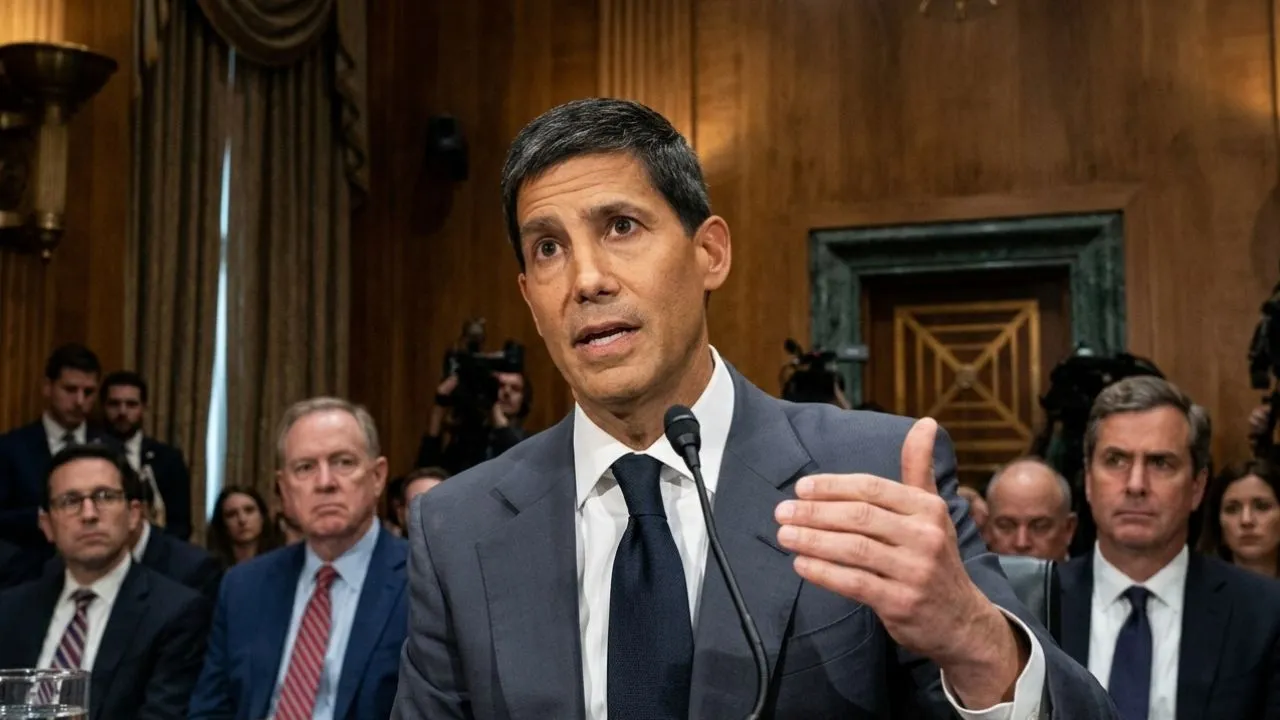
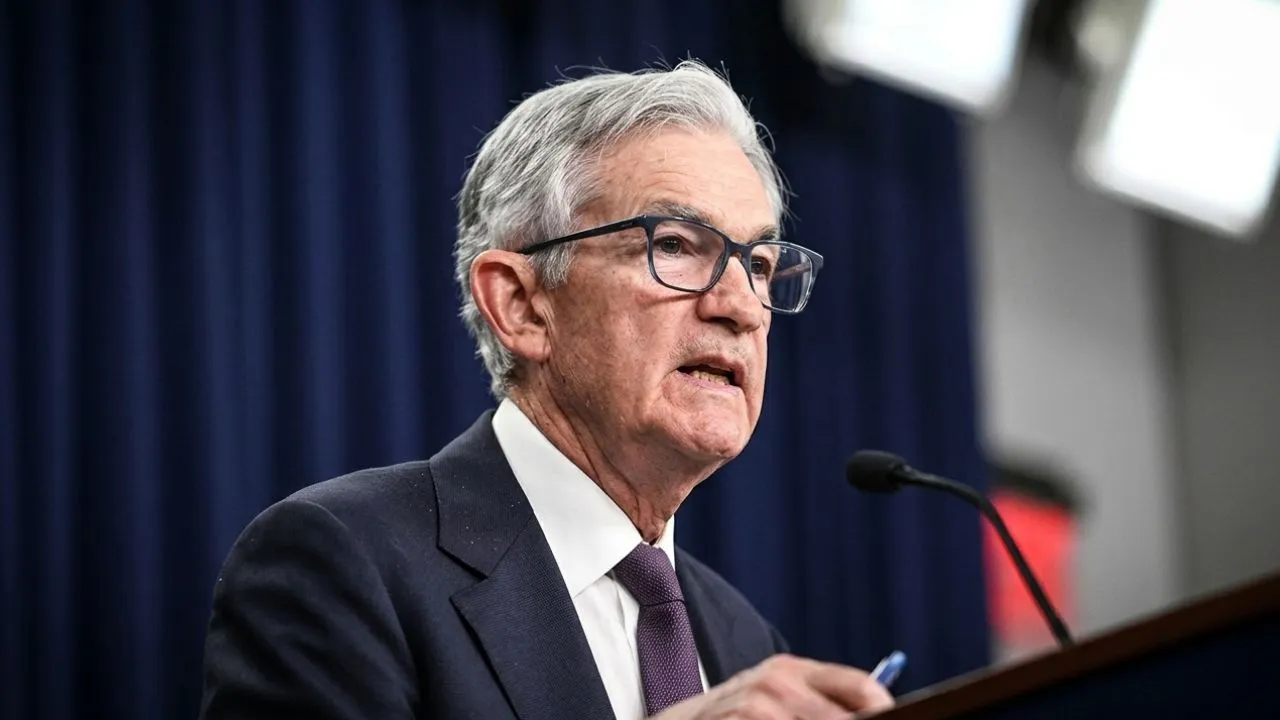
This rate hold is significant for a reason beyond the decision itself. It is the final FOMC meeting chaired by Jerome Powell before Kevin Warsh, if confirmed by the Senate, takes the chair.
The monetary policy framework Powell leaves behind, including the committee’s current language on inflation and the employment mandate, is the framework Warsh will inherit. As reported in our Warsh vote coverage, the Senate floor vote is the remaining step before that transition completes.
The Federal Reserve’s rate decisions flow through the U.S. financial system through a specific institutional channel. The Bureau of the Fiscal Service at the U.S. Treasury disburses every federal payment using the same FedACH network whose pricing the Fed rate directly influences. For the complete picture of how Fed policy reaches your bank account, see our guide on how money moves through the federal system.
Three Signals Inside the May 7 Statement
The FOMC statement is a precisely drafted legal document that encodes forward guidance in specific word choices. Three elements of the May 7 statement carry direct practical meaning.
First, the committee retained the phrase “uncertainty about the economic outlook has increased.” This language has appeared in each statement since February 2026 and signals that the committee does not believe it has enough clarity on the inflation trajectory to reduce rates.
Federal Reserve Policy
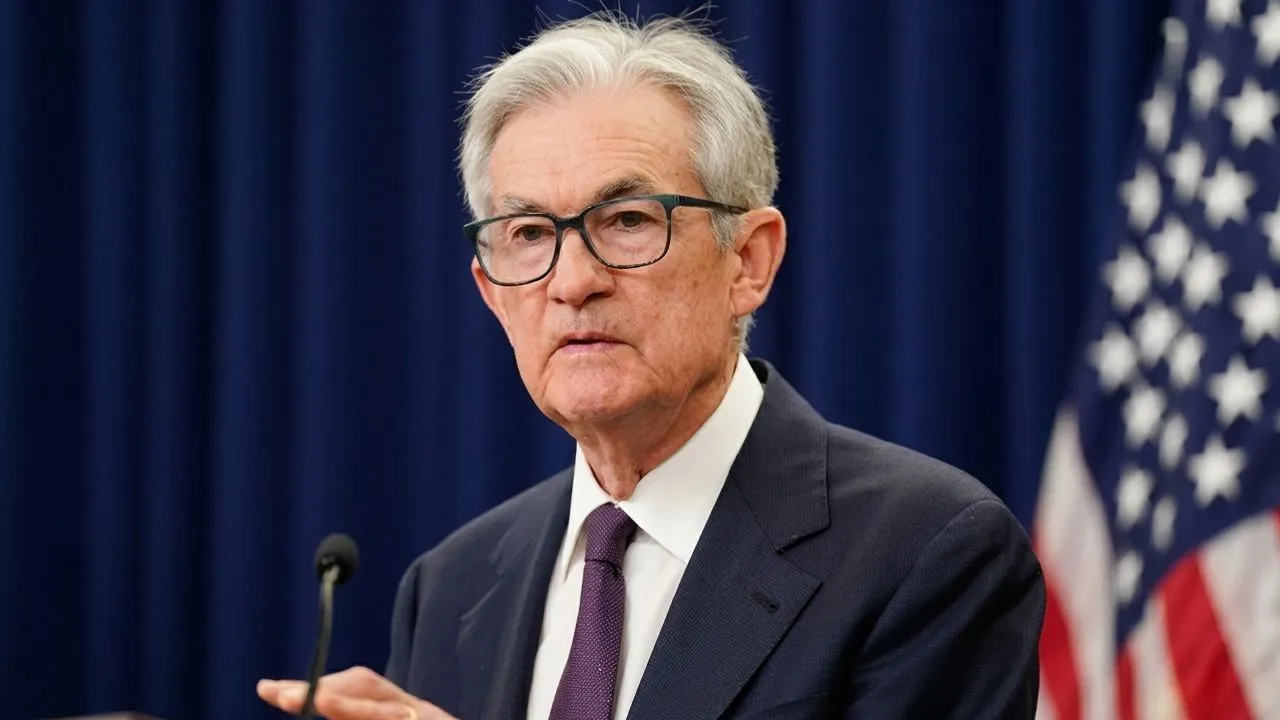
The Fed Just Decided on Rates — What It Means for Your Money
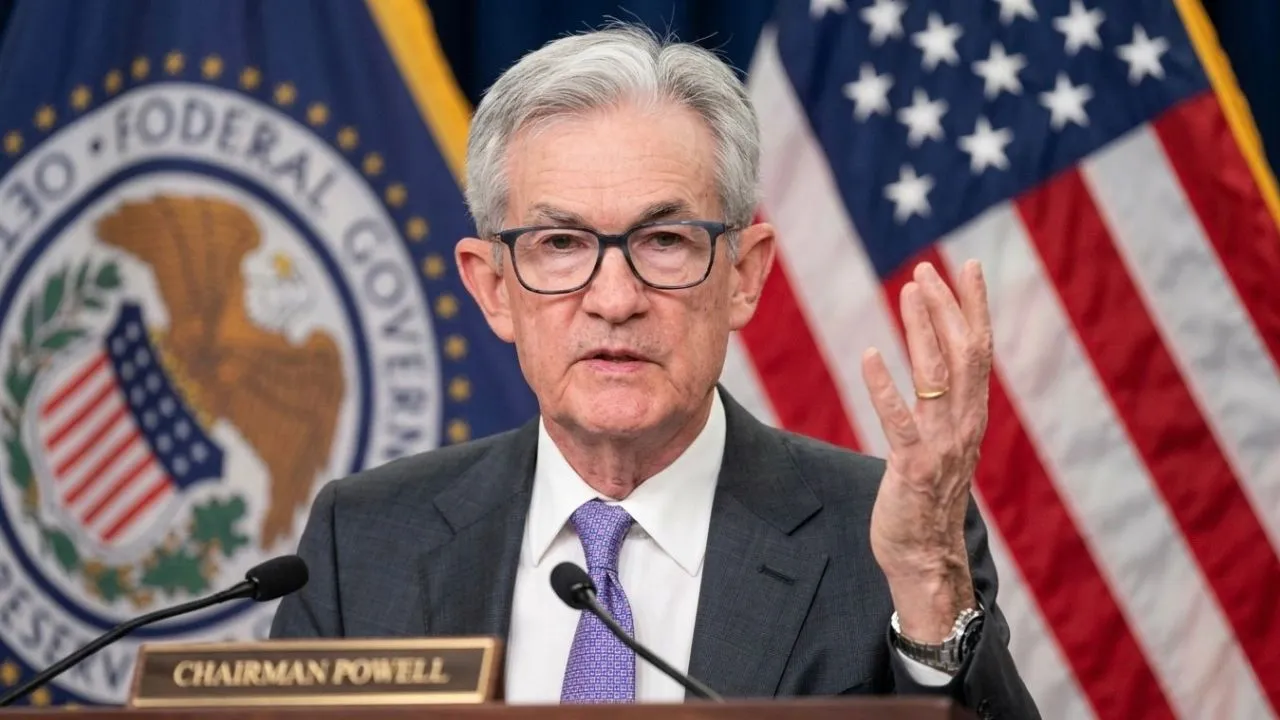
Fed Rate Decision Is Out — What Changes for Your Money Now
The Fed’s dual mandate is maximum employment and stable prices, meaning 2 percent annual inflation over time. May’s statement listed both mandates as concerns, which is more cautious than the February and March statements that weighted inflation as the primary concern.
Second, the committee removed the phrase referencing “progress toward the 2 percent inflation goal.” Removing that phrase is not accidental. It signals that committee members see the recent services inflation data and import price increases as potential stalling points rather than continuing progress.
The Bureau of Labor Statistics publishes CPI monthly at bls.gov and the April 2026 CPI data will be released May 13. That data will either validate or challenge the Fed’s caution.
Third, the committee did not include dissenting votes. Previous meetings in this rate-hold cycle have occasionally seen one member dissent in favor of a cut. Unanimity on a hold is the strongest possible signal that the committee sees no imminent case for reduction. For context on how the April meeting’s internal dynamics set up this outcome, see our April dissent analysis.
What the Rate Hold Means for Your Money
For savings account holders, the 4.25 to 4.50 percent federal funds rate means high-yield savings accounts currently offering 4.0 to 4.8 percent annual percentage yield will hold near those levels. Banks reprice savings accounts within 30 days of Fed decisions. A continued hold means no reduction in savings yields through at least the June FOMC meeting on June 17 and 18.
For mortgage holders, the 30-year fixed mortgage rate, which tracks the 10-year Treasury yield more than the Fed funds rate directly, will remain influenced by inflation expectations embedded in bond markets. The current rate hold removes one downward pressure on mortgage rates but does not independently push them higher.
Variable-rate products including HELOCs and adjustable-rate mortgages are more directly linked to the federal funds rate and will hold at current levels as long as the FOMC holds. For the detailed breakdown of how Fed rate decisions affect your specific accounts, see our savings rate guide.
What Happens Next
The next FOMC meeting is June 17 and 18, 2026. Between now and that meeting, three data releases will significantly shape the committee’s calculus: the April CPI on May 13, the May jobs report on June 6, and the May CPI on June 11.
All three are released before the June meeting and will be the primary inputs into whether the committee shifts its language toward signaling a future cut. If Kevin Warsh is confirmed before June 17, he will chair the June meeting.
The significance of that scenario is that Warsh would immediately face a committee divided on rate path timing, a set of data that may or may not support a cut, and a market pricing in two cuts before year end. His first public press conference as chair would be one of the most consequential in recent Fed history.
What You Should Do Now
- Check whether your savings account rate is promotional or tied to the Fed. If it tracks Fed policy, it will not decrease until the FOMC cuts.
- If you have a HELOC or adjustable-rate mortgage, know your rate reset date and compare it to the FOMC calendar .
- Mark May 13 on your calendar. The April CPI release from BLS CPI will be the first signal of whether the June meeting brings a policy shift.