 Prefer Investozora on Google
Get real-time financial updates.
May 8, 2026 • 12:13 PM ET
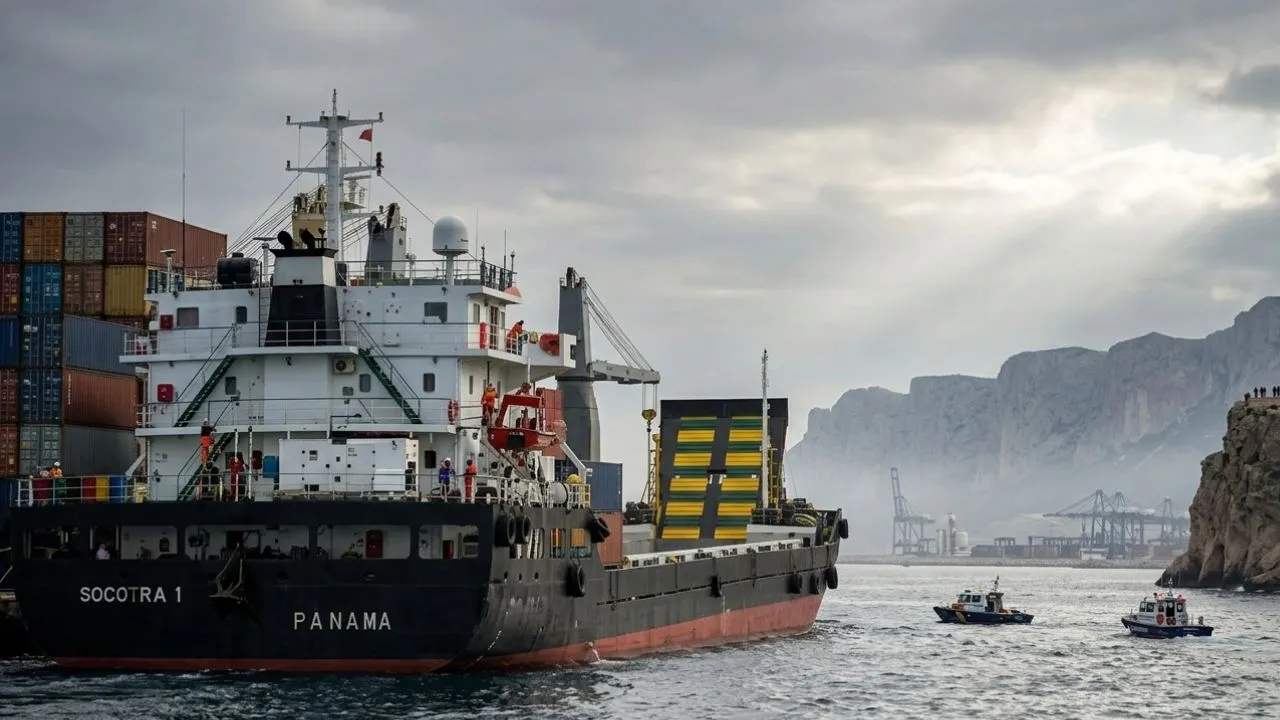
US Central Command confirmed US forces intercepted Iranian attacks on three Navy vessels transiting the Strait of Hormuz. Crude oil prices moved higher following the exchange.
US forces and Iranian military units exchanged fire in the Strait of Hormuz on May 8, and within hours crude oil prices moved in a direction that will reach your gas station, your utility bill, and your grocery receipt before this week ends.
The Strait of Hormuz is the most consequential oil chokepoint on earth. When it becomes a combat zone, the price of every energy-dependent product in the American economy shifts in response.
The US Energy Information Administration documented that approximately 21 million barrels of crude oil transit the Strait of Hormuz daily, representing roughly 21 percent of total global petroleum liquids.
No alternative route exists for most of that volume. Suez, Panama, and the Cape of Good Hope cannot absorb the displacement. A sustained closure or a credible threat of closure triggers immediate price increases in futures markets, which flow into retail gasoline prices typically within 10 to 14 days.
The EIA tracks these dynamics at eia.gov/petroleum. Our earlier report on the Hormuz gas price timeline from last week detailed how the first disruption wave reached American pumps. Today’s exchange is the second escalation within the same cycle.
What the May 8 Exchange Means for Oil Prices
The US Central Command confirmed at centcom.mil that US forces intercepted Iranian attacks on three Navy vessels transiting the Strait. The ceasefire that the Trump administration announced earlier this week remains formally in place according to White House statements, but active military exchanges within the ceasefire’s geographic scope represent a qualitative escalation. Oil markets read the distinction between a formal ceasefire and actual cessation of hostilities.

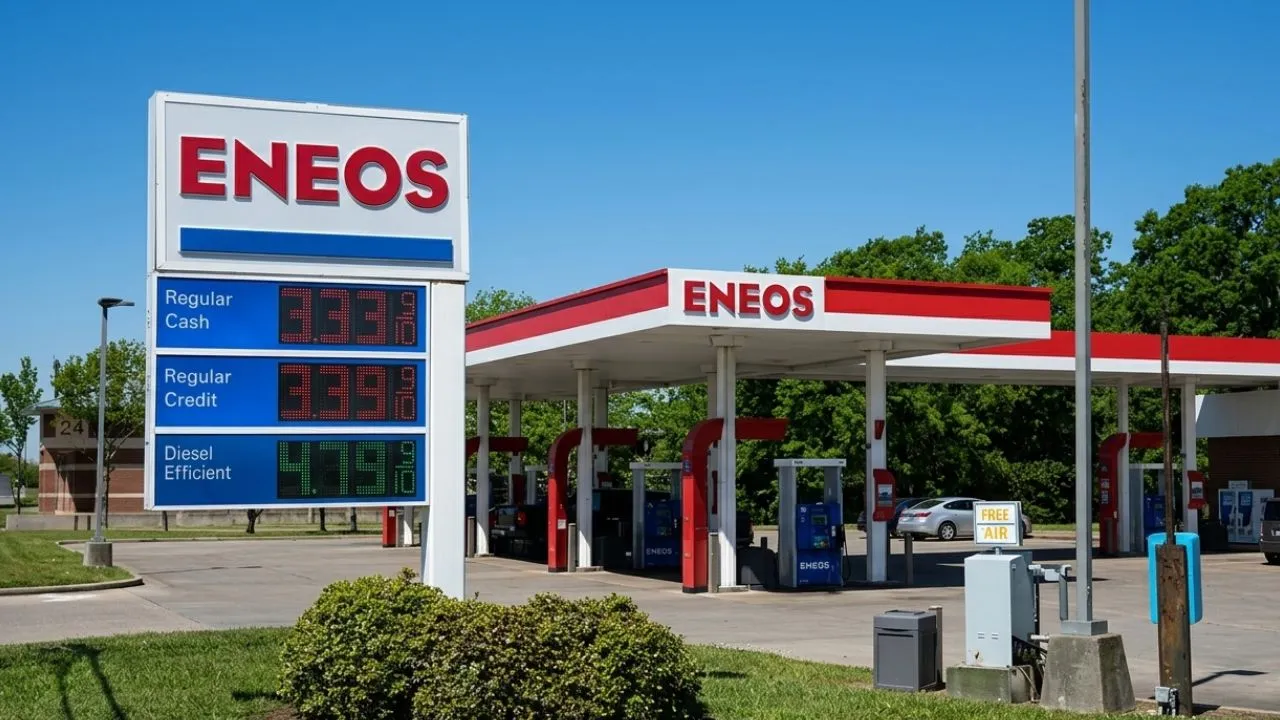
The EIA’s weekly petroleum report, published at eia.gov/petroleum, provides the authoritative measure of how supply disruption data translates into retail price changes. The key number is the US average retail gasoline price, which the EIA updates each Monday. The agency’s current analysis of Hormuz traffic and price scenarios is the only official forecast Americans should use for planning purposes.
Crude oil prices respond faster than retail gasoline prices because futures contracts reprice instantly on news, while retail prices reprice as stations sell through existing inventory and replenish at higher wholesale costs.
A $5 per barrel move in crude oil translates to approximately 12 cents per gallon at retail gasoline within two to three weeks. The Federal Reserve monitors energy prices through the Personal Consumption Expenditures deflator but explicitly excludes energy from its preferred core PCE measure.
This means oil price spikes affect Americans’ budgets directly without necessarily changing the Fed’s rate calculation. For the full picture of how energy costs interact with Federal Reserve policy signals, see our FOMC May decision analysis.
How This Reaches Your Household Budget
The Hormuz disruption reaches American households through three channels. The first is direct fuel costs. Every gallon of gasoline purchased at the pump includes crude oil as the primary cost input. A sustained Hormuz disruption lasting more than 30 days would produce a gasoline price increase visible to every driver.
The second channel is diesel, which powers the trucks, trains, and ships that move every product in the American supply chain. Higher diesel costs increase the delivered price of food, manufactured goods, and building materials within 30 to 60 days. This channel is slower than gasoline but broader in its household impact because it affects the cost of nearly everything.
The third channel is natural gas, which is connected to Hormuz through liquefied natural gas export competition. When Hormuz disruption reduces LNG availability for international buyers, those buyers bid up spot prices globally, which affects US natural gas prices through export market linkage. Home heating, electricity generation, and industrial production costs all respond to sustained natural gas price increases.
The compounding effect of all three channels is what the Federal Reserve means when it references energy-driven inflation. For the complete picture of how the US money movement system transmits commodity price shocks from global markets to household budgets, see our money system guide.
What Happens Next
The critical variable is duration. A single day of military exchange followed by restored ceasefire conditions typically produces a price spike in futures markets that dissipates within one to two weeks.
A sustained escalation lasting more than two weeks historically produces retail price increases that persist for four to six weeks after the original disruption. US CENTCOM updates on Hormuz operations are published at centcom.mil as they are confirmed.
What You Should Do Now
- Check your local gasoline price today at the EIA tracker . This gives you the baseline before any Hormuz-related pricing flows through.
- If you drive frequently for work, consider whether filling your tank today versus waiting two weeks changes your cost meaningfully based on your baseline reading.
- Monitor EIA reports , released every Wednesday, for the official measurement of how this disruption is affecting US fuel costs.