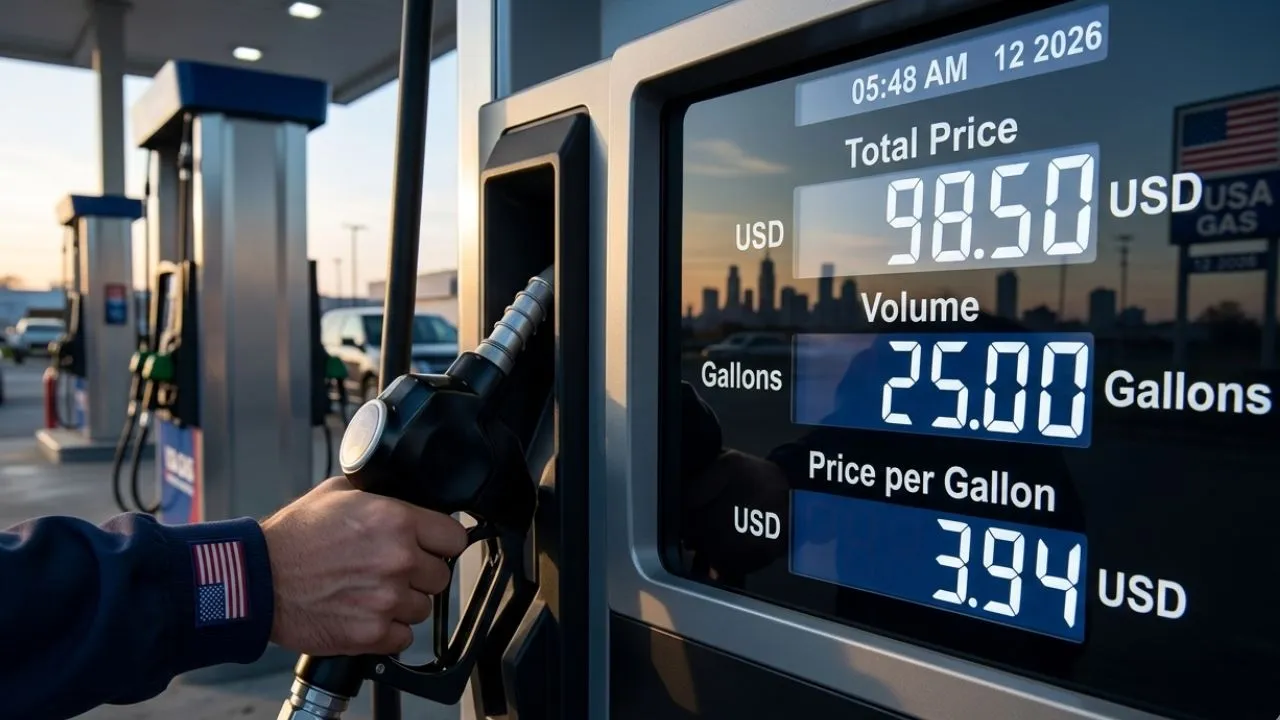
The April 2026 CPI released this morning by the Bureau of Labor Statistics is not a routine data point. The April CPI 2026 is the number that determines whether Kevin Warsh raises interest rates at his first Fed meeting on June 16, how large your Social Security check will be in January 2027, and why your grocery bill is higher than it was in February.
Energy prices driven by the Strait of Hormuz disruption are the primary force behind this report, and this morning’s data confirms the disruption is not fading. The April CPI 2026 is the most consequential inflation reading in two years for ordinary American households.
What the April CPI Number Actually Shows
March CPI came in at 3.3 percent year-over-year with a 0.9 percent monthly increase, confirmed at bls.gov. Gasoline alone rose 21.2 percent in a single month during March, the steepest monthly energy spike in four years.
April is the follow-through month. Energy prices measured in April reflect mid-April gasoline costs, which remained elevated as the Hormuz oil disruption entered its third consecutive month.

April headline CPI was forecast at 3.7 to 3.8 percent year-over-year before today’s BLS release, based on bank economist projections cited by Kiplinger and Bank of America research. Update this section with the exact released figure immediately from bls.gov/cpi.
Core CPI, which strips out food and energy, tells the secondary story. If core is accelerating above 2.9 percent annually, the Hormuz shock has begun bleeding into services: rent, healthcare, transportation. The Dallas Fed confirmed in research published at dallasfed.org that a three-quarter Hormuz closure adds 1.1 percentage points to 2026 annual inflation.
The closure began March 4. Three quarters from that date puts the impact window through approximately September 2026. The implication is that today’s elevated reading is not the peak.
What This Number Does to Your 2027 Social Security Check
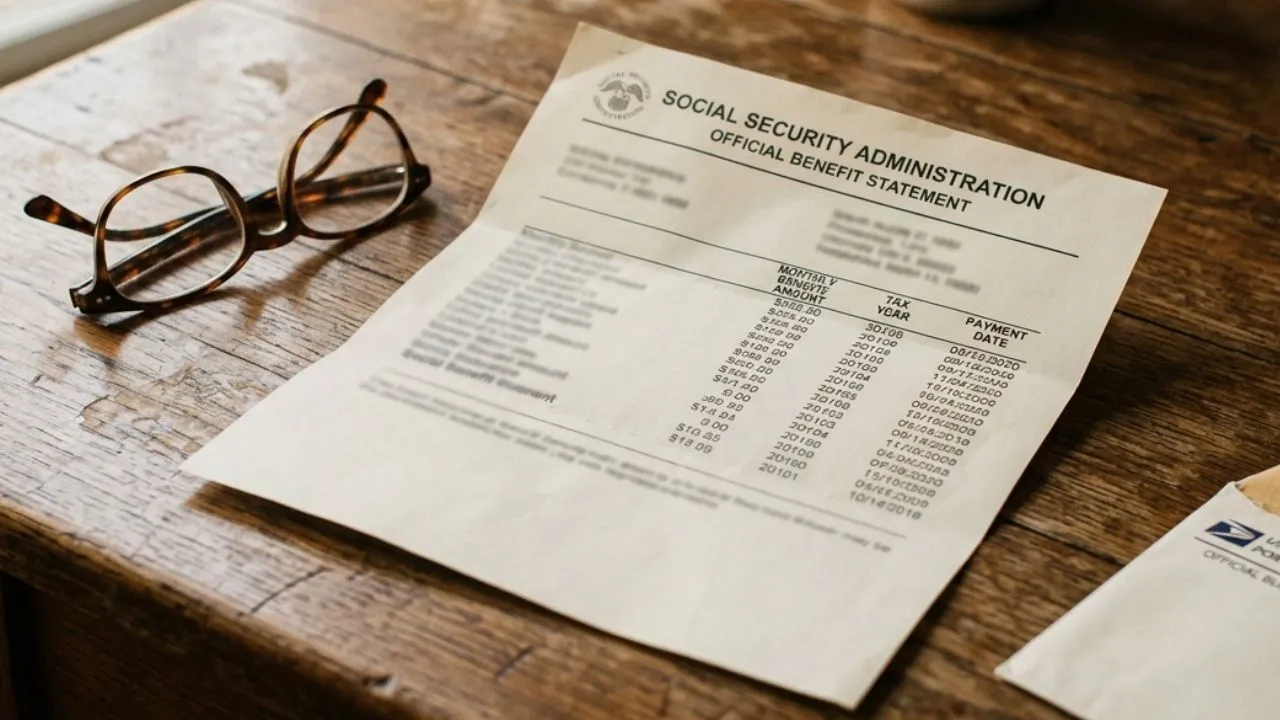
This is the calculation no other outlet is running today. The Social Security Administration calculates the 2027 COLA using the average CPI-W for July, August, and September 2026, the third quarter, confirmed at ssa.gov/cola. April’s CPI-W is the fourth month of 2026 and feeds the analyst projections for where Q3 will land.
Before the Hormuz crisis, the Senior Citizens League projected a 2027 COLA of 2.8 percent based on January and February data. After March’s 3.3% spike, senior analyst Mary Johnson raised her estimate to 3.2 percent. A sustained elevated April reading strengthens the case for a higher 2027 adjustment.
The math for the average recipient: the current average Social Security benefit is $2,079.49 per month as of March 2026, confirmed through SSA data. At a 3.2 percent COLA, that is approximately $66 more per month in January 2027. At a 4.0 percent COLA, approximately $83 more.
But Medicare Part B premiums are projected to rise $15 to $17 per month, absorbing a portion of any increase for dual enrollees. The SSA calculates and submits benefit amounts to the Bureau of the Fiscal Service at the U.S. Treasury, which disburses through the FedACH network.
The COLA Medicare offset affects what SSA submits to Treasury before the payment ever enters the disbursement pipeline. The money movement system itself does not change. What changes is the dollar amount flowing through it.
What Kevin Warsh Sees in This Number at His First Fed Meeting
Warsh assumes the Fed chair no later than May 15. His first FOMC meeting is June 16 to 17. The April CPI is the most current inflation data he inherits. Three April 29 FOMC dissenters already wanted to remove the easing bias from the policy statement because of energy-driven inflation, confirmed through the federalreserve.gov April 29 statement.
If April CPI confirms the trend at or above 3.7 percent year-over-year with energy still the primary driver, the hawkish case strengthens materially. This does not mean a rate hike on June 16. It means the probability of any 2026 rate cut is approaching zero based on current trajectory.
For savers: competitive deposit rates persist through June 17 at minimum. For mortgage shoppers: the 30-year fixed rate environment above 6 percent is not improving this year. For CD holders: current rates are worth locking if instruments meet your needs, before the June 16 decision clarifies the path.
The Fed rate hold May 7 decision remains the last confirmed policy action before Warsh takes over. Today’s CPI is what his first meeting must answer.
What Happens Next: The Six Data Points That Matter
May CPI releases in June and is the next monthly reading Warsh sees before his first decision. June 16 to 17 FOMC is Warsh’s first rate meeting. July CPI, releasing in August, enters the official Q3 COLA calculation window.
August and September CPI complete the Q3 average. October 2026 is when SSA announces the official 2027 COLA. January 2027 is when your check changes. Track the monthly CPI-W at bls.gov/cpi and the FOMC calendar at federalreserve.gov.
What This Means
- Check the actual April CPI figure at BLS.gov today and note the CPI-W specifically, not just the headline number.
- If April CPI-W holds above 3.3%, your 2027 Social Security COLA will likely exceed 3.2% but Medicare Part B partially offsets the gain.
- For mortgage planning: do not expect 30-year fixed rate improvement before the June 16 Warsh decision.
- For CD planning: rates remain competitive through at minimum June 17; lock instruments that meet your needs now.
- Track monthly CPI-W at bls.gov/cpi and follow the 2027 COLA analysis at Investozora.