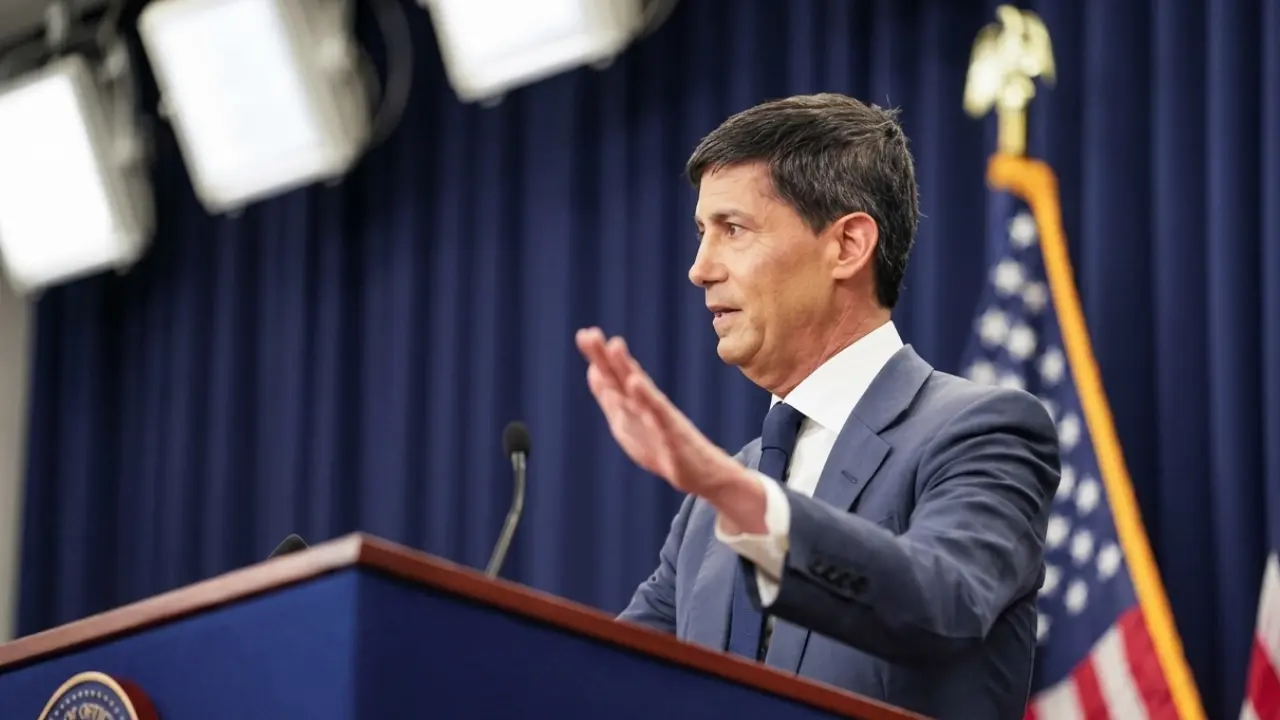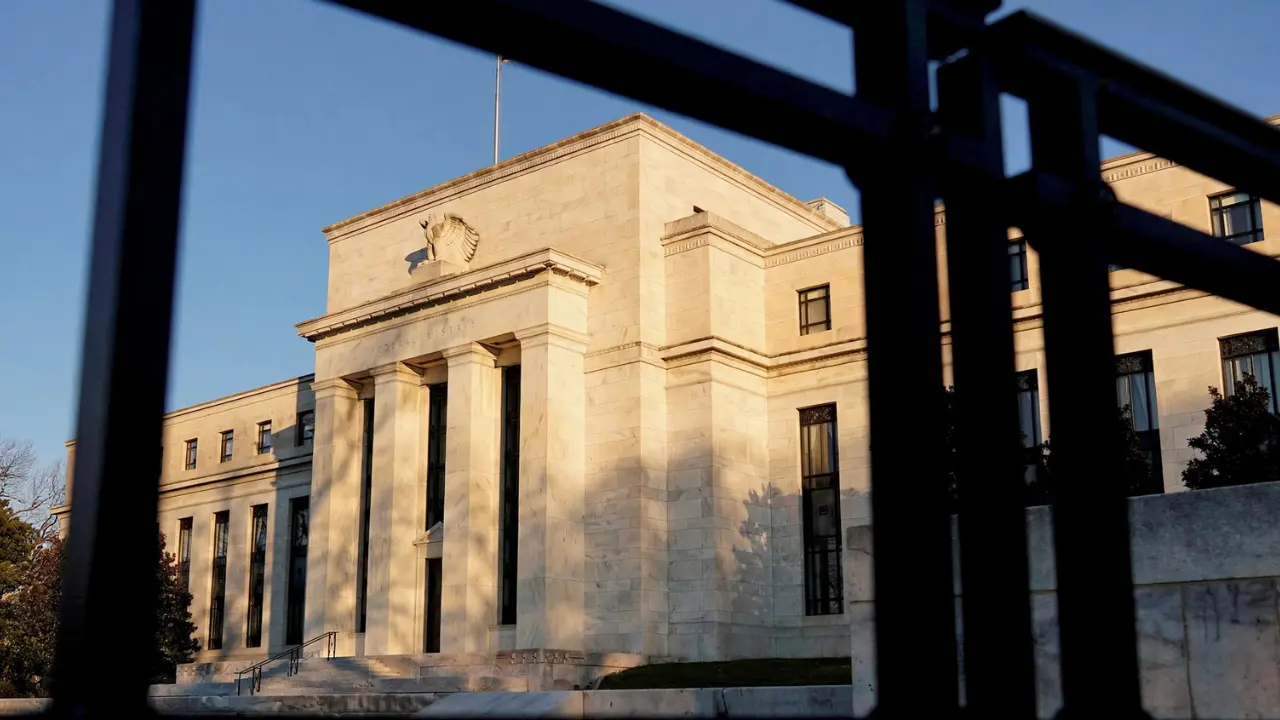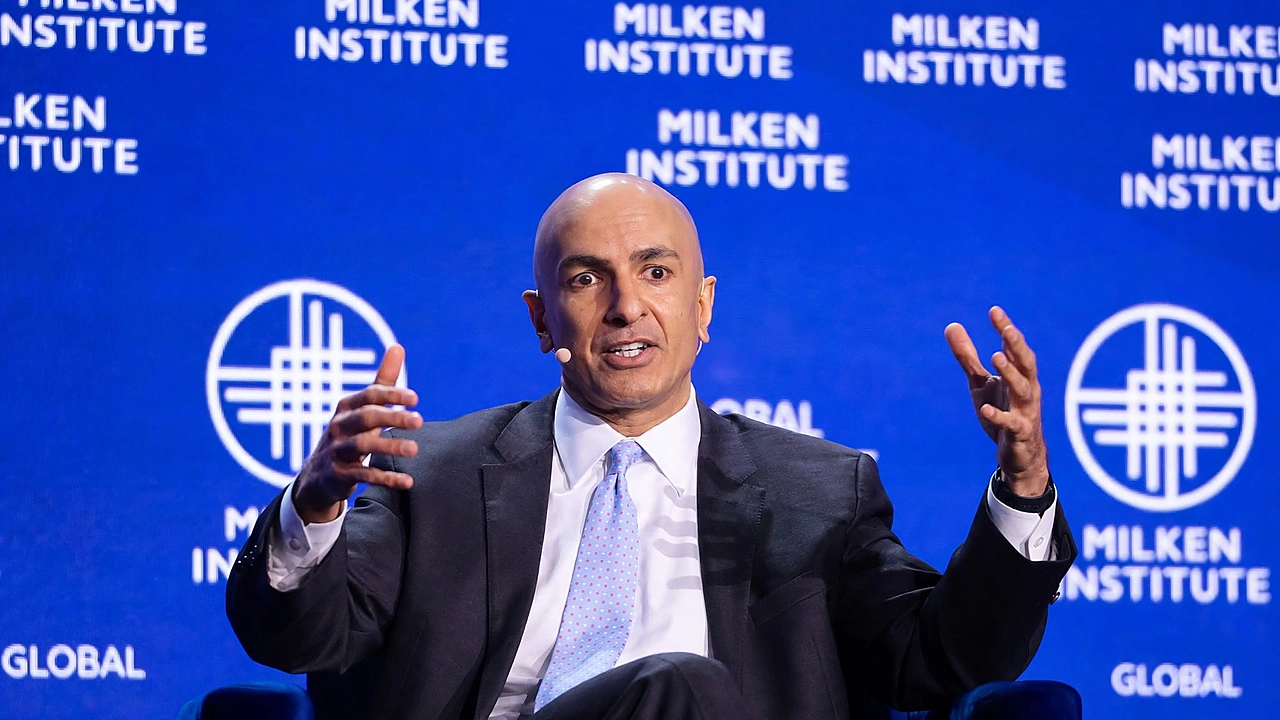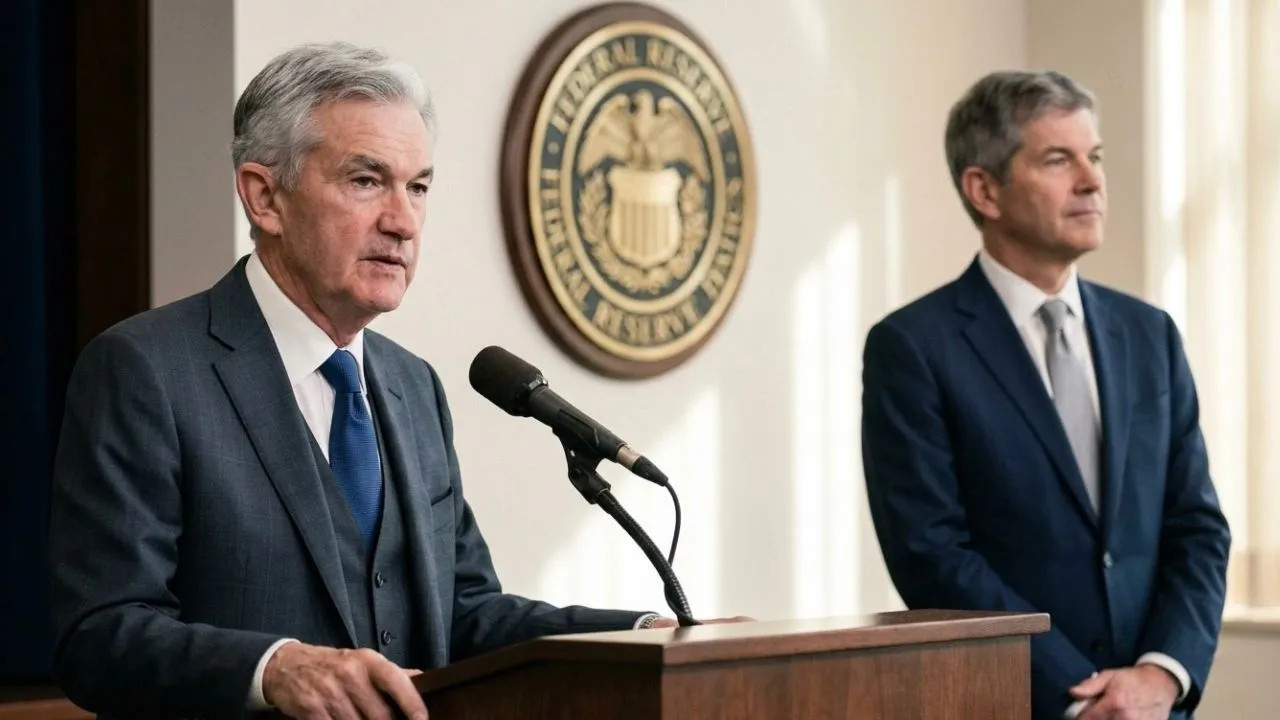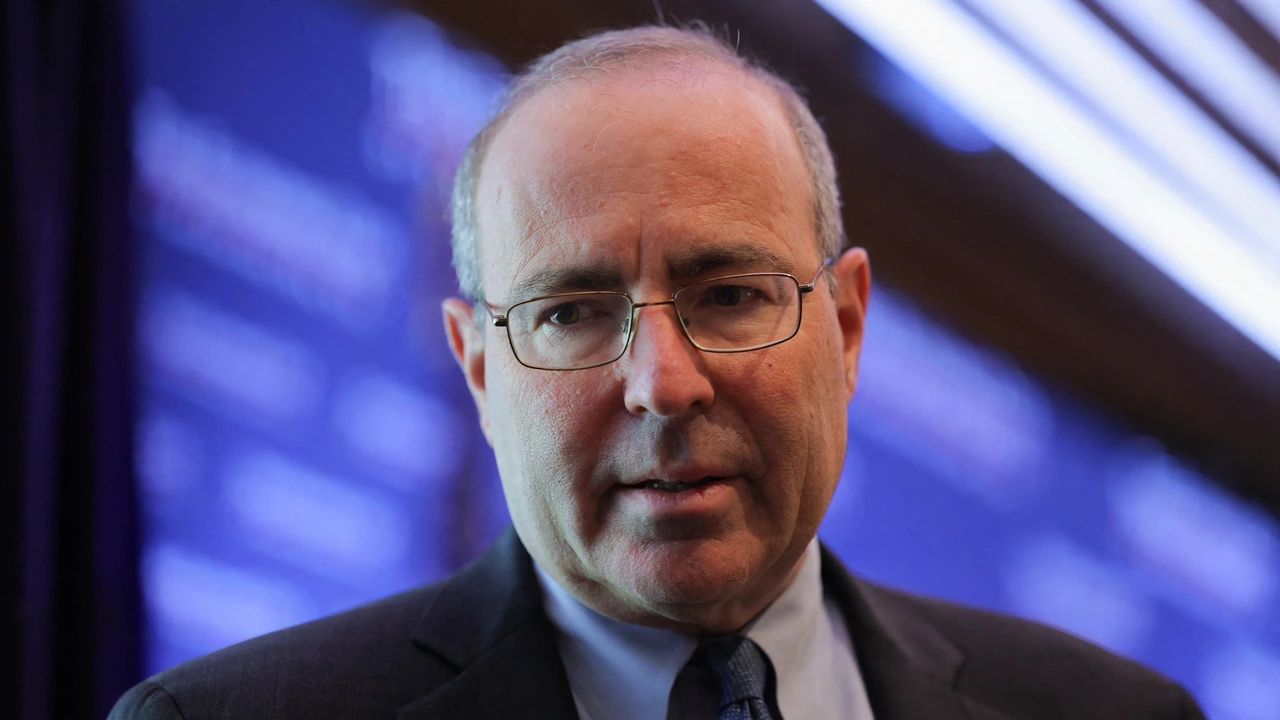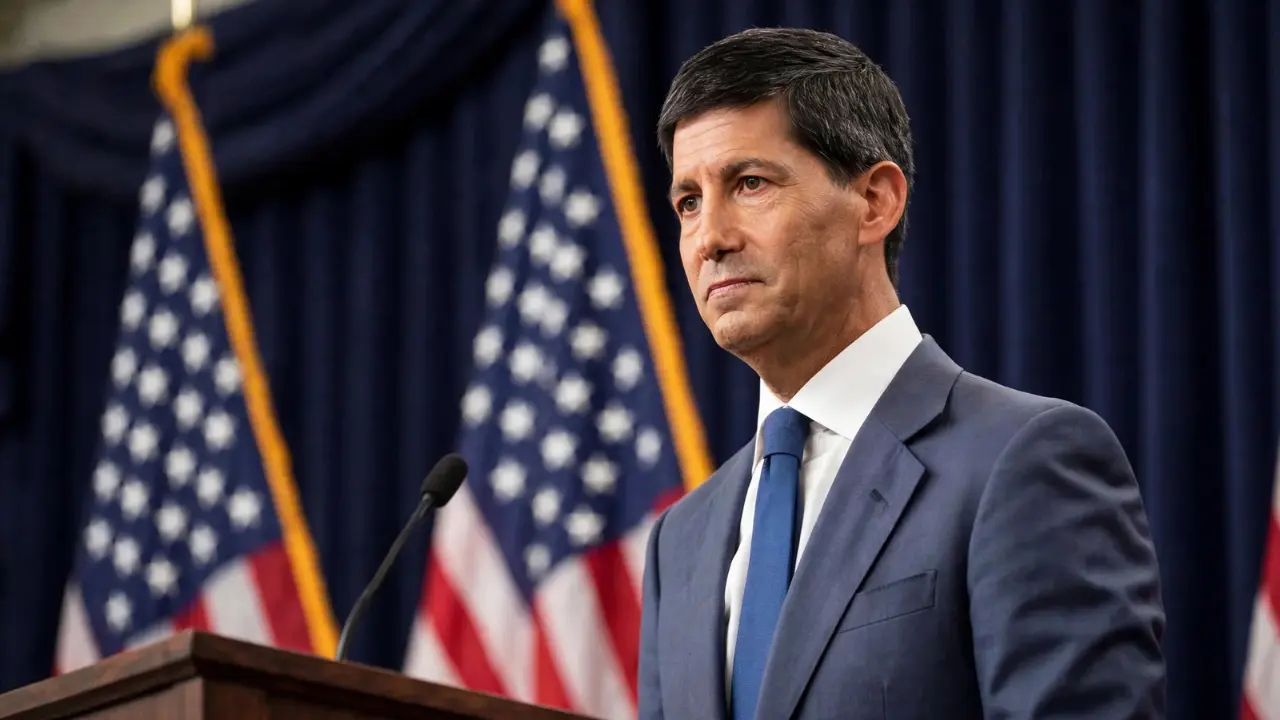

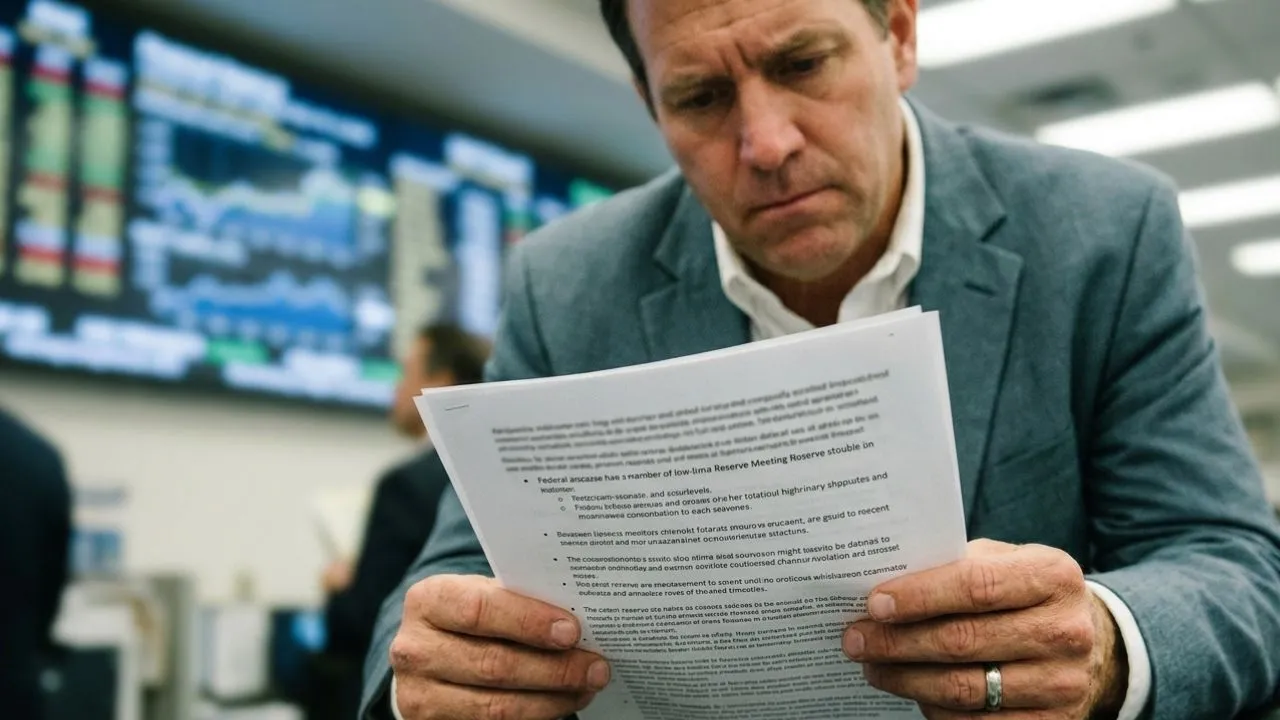
The internal debate documented in the April 29 minutes culminated today when Warsh voted for the first time at 2:00 PM ET, with the committee division mapped there producing a public outcome in the afternoon’s statement.
FOMC minutes are the detailed notes the Federal Reserve publishes after every interest rate meeting. They reveal what all 19 Fed officials said about inflation, the economy, and where rates are headed, not just the final decision announced on meeting day.
Released approximately three weeks after each meeting and confirmed at federalreserve.gov, they routinely move markets and directly affect the savings account rates, mortgage rates, and CD yields that 150 million American households depend on.
FOMC minutes release remains confirmed for May 20, 2:00 PM ET on federalreserve.gov, reinforcing timing and policy focus.
What FOMC Minutes Are and Why They Move Markets
The official FOMC statement released on meeting day is the committee’s agreed-upon public language. What the FOMC minutes May 20 document will reveal is everything behind that statement: which officials argued for what, which inflation risks worried them most, which economic indicators they emphasized, and where genuine disagreement exists inside the Federal Reserve.

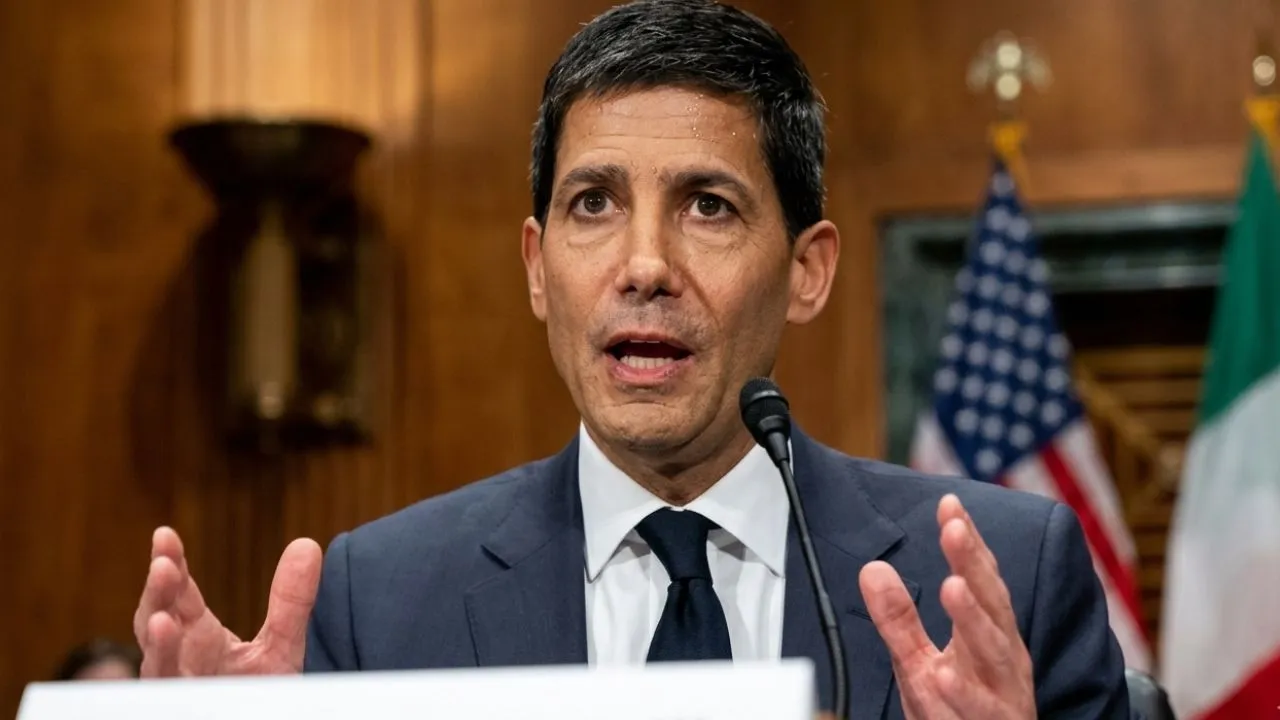
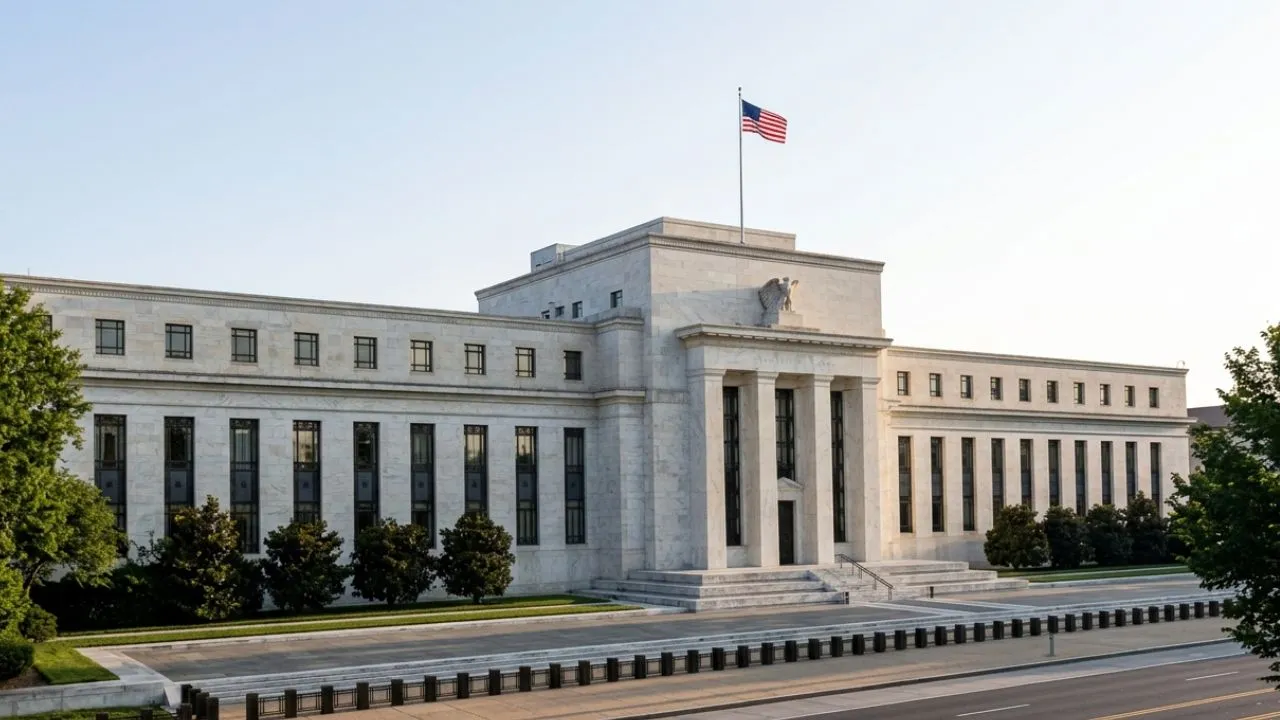
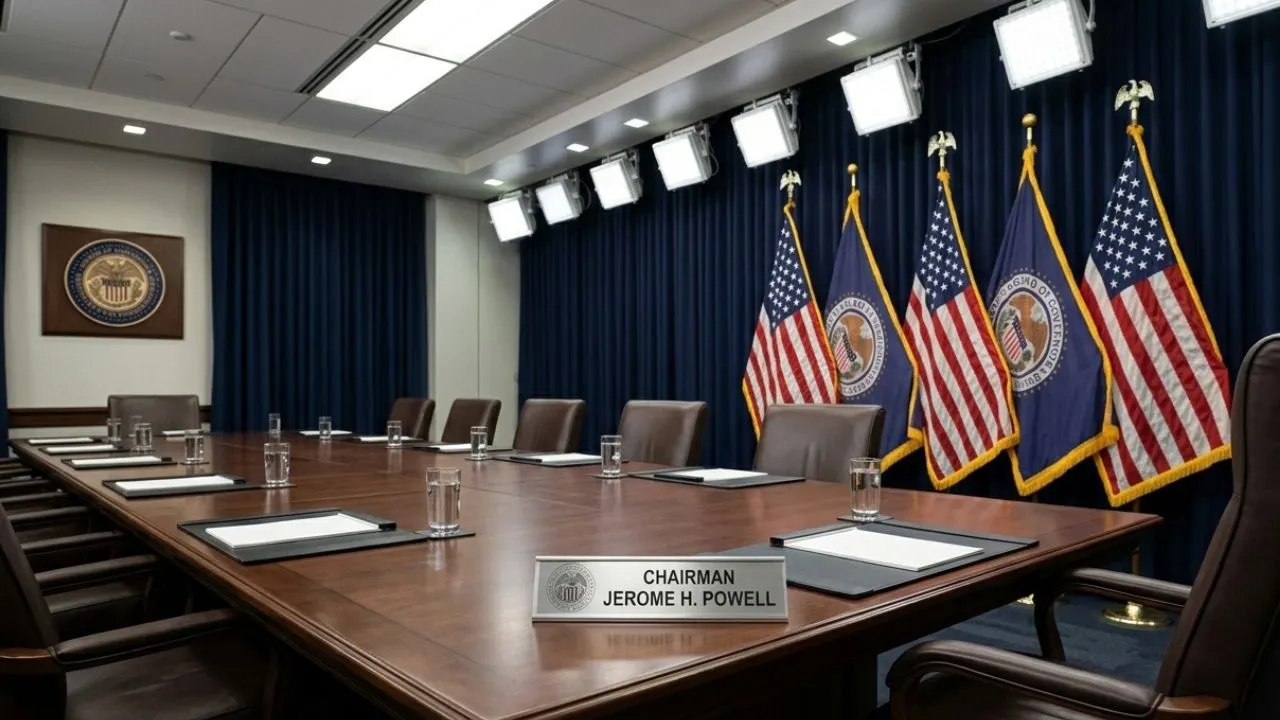
This is the difference between the announcement and the full internal record. The FOMC has 12 voting members at any given meeting: the 7 governors plus 5 rotating regional bank presidents, confirmed at federalreserve.gov. But all 19 FOMC participants, the 12 voters plus 7 non-voting regional presidents, participate in every meeting discussion, and all their views appear in the minutes.
The money movement system that delivers your federal payments operates independently of these rate decisions. What changes based on FOMC minutes is what banks charge and pay, not when or how federal payments move.
What the May 6 to 7 Minutes Will Specifically Reveal
Three items define what analysts and ordinary savers should watch for when the minutes release at 2:00 PM ET on May 20. First: the full internal debate over the easing bias language. The April 29 meeting had three hawkish dissenters arguing for removing language that signals future rate cuts, confirmed through the federalreserve.gov April 29 statement.
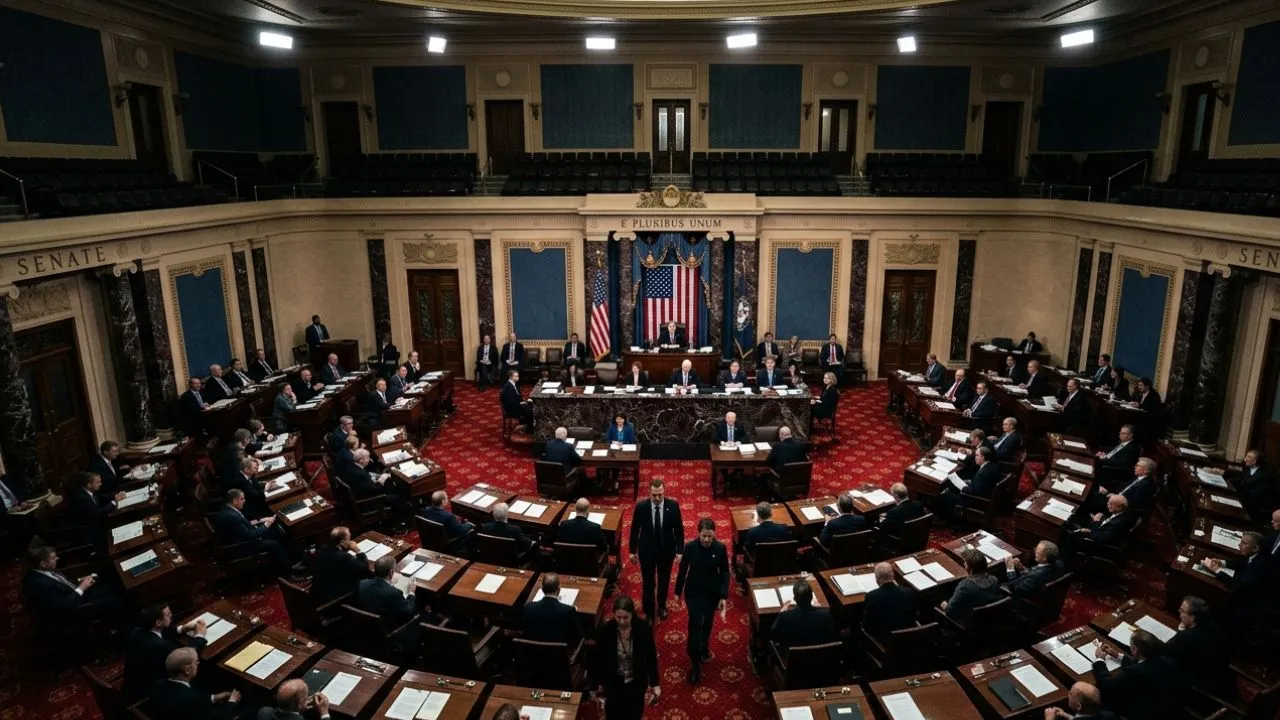
The May 6 to 7 meeting occurred with Kevin Warsh’s confirmation advancing through the Senate. How many participants argued against keeping that language, and how explicitly?
Second: the inflation discussion in precise terms. March CPI came in at 3.3 percent year-over-year with a 0.9 percent monthly spike driven by a 21.2 percent gasoline increase, confirmed at bls.gov. What did FOMC participants say about whether Hormuz-driven energy inflation would be transitory or persistent through the rest of 2026?
The Dallas Fed confirmed that a three-quarter Hormuz closure adds 1.1 percentage points to annual inflation, and the closure is now in its third month. Third: how explicitly the minutes record rate hike discussion.
Was a 2026 rate hike mentioned as a fringe scenario or a genuine internal debate? That distinction will move markets more than any other single phrase in the document. The Warsh confirmation and the FOMC minutes signals articles at Investozora provide the full context for reading these signals.
The five specific signals inside the May 20 document that telegraph June 16 are mapped in full at the FOMC minutes May 20 five signals analysis. The broader market context of how these minutes interact with Warsh’s confirmed chairmanship is covered in the June 16 FOMC first meeting preview.
The Warsh June 16 rate hike consumer impact translates each possible minutes outcome into exact dollar changes for savings accounts, mortgages, and CDs.
How FOMC Minutes Affect Your Savings Account, CDs, and Mortgage Rate
The minutes do not directly change the federal funds rate, currently at 3.5 to 3.75 percent as confirmed in the April 29 FOMC statement. They shift market expectations of future rate changes, and those shifted expectations immediately move the longer-term interest rates that banks use to price financial products.
If the May 20 minutes reveal broader internal support for rate hikes than the April 29 statement suggested, markets will price in a meaningfully higher probability of a June 16 rate hike. That repricing pushes up the 10-year Treasury yield, which pushes up 30-year mortgage rates within days.
For savers: if the minutes indicate rates stay higher for longer, competitive savings and CD rates persist through at least late 2026. For mortgage shoppers: a hawkish minutes surprise means no rate relief this year. For CD holders with instruments maturing before June 17, the minutes signal whether to reinvest at current rates or accept that rates may rise further.
The rate decisions and deposits guide at Investozora explains exactly how FOMC decisions flow into the products at your bank. The Fed rate hold May 7 analysis provides the baseline for understanding what the minutes are updating.
The FOMC minutes document is structured in a consistent format across all releases. The first section covers the financial market developments observed between meetings. The second covers the staff’s economic outlook.
The third is the most important for consumers: the section titled “Participants’ Views on Current Conditions and the Economic Outlook,” where all 19 officials’ positions on inflation, employment, and the appropriate rate path are recorded.
This is the section that moves mortgage rates and savings APYs within hours of release. The five signals analysis maps exactly which language patterns in this section signal a June 16 rate hike versus a hold. The how the Fed controls savings rates guide explains the transmission from the language in this document to your bank account balance.
What the May 20 Minutes Preview for June 16 Under Warsh
The FOMC minutes May 20 release functions simultaneously as the post-mortem on May 6 to 7 and the clearest preview available of what June 16 to 17 will look like under Warsh. The minutes contain participant economic projections language, inflation risk assessments, and committee views on the appropriate policy path going forward.
These are the exact inputs Warsh inherits 27 days before his first rate decision. The May 20 minutes preview at Investozora identified the three signals to track. Historically, the minutes that reveal broader internal consensus for a policy shift than the statement implied cause the most significant market moves.
The March 2022 minutes revealed aggressive internal rate hike discussion and the 10-year yield jumped 20 basis points the same day. The December 2023 minutes revealed broader dovish pivot discussion and markets rallied sharply. On May 20 at 2:00 PM, watch federalreserve.gov directly. This article will update the LIVE UPDATE box with the three key findings within hours of release.
What You Should Do Now
- Updated confirmation of May 20, 2:00 PM ET release on federalreserve.gov reinforcing timing and policy focus.
- Focus on three signals: how many participants discussed rate hike scenarios, whether the easing bias is contested broadly or narrowly, and what energy inflation projections participants cited.
- If the minutes reveal broader rate hike discussion than expected, consider locking CD rates before June 16 if you have maturing instruments in that window.
- If the minutes show committee-wide patience, the current savings and CD rate environment likely persists through late 2026.
- Return to this article on May 20: the LIVE UPDATE box will carry the actual key findings within hours of the 2:00 PM release.