
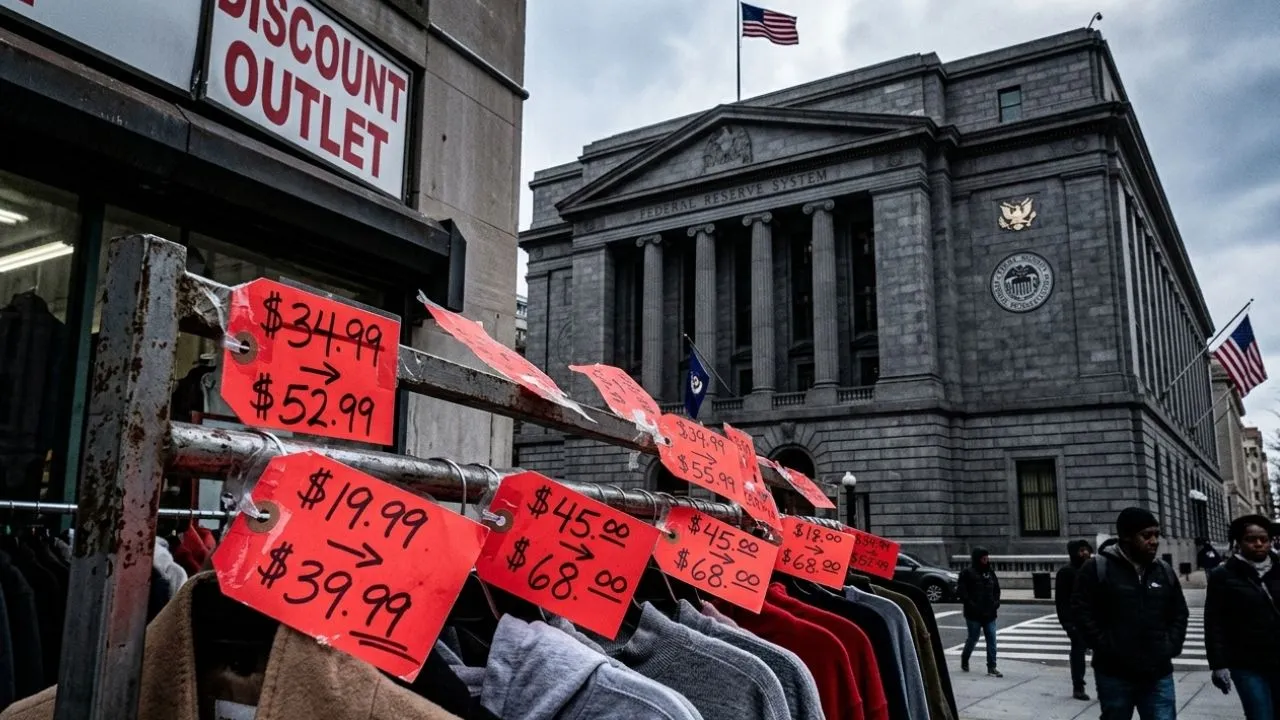
The Bureau of Labor Statistics reported April 2026 Producer Price Index at 6% year-over-year, while April CPI came in at 3.8% year-over-year, released May 12. Both measures remain above the Federal Reserve’s 2% target.
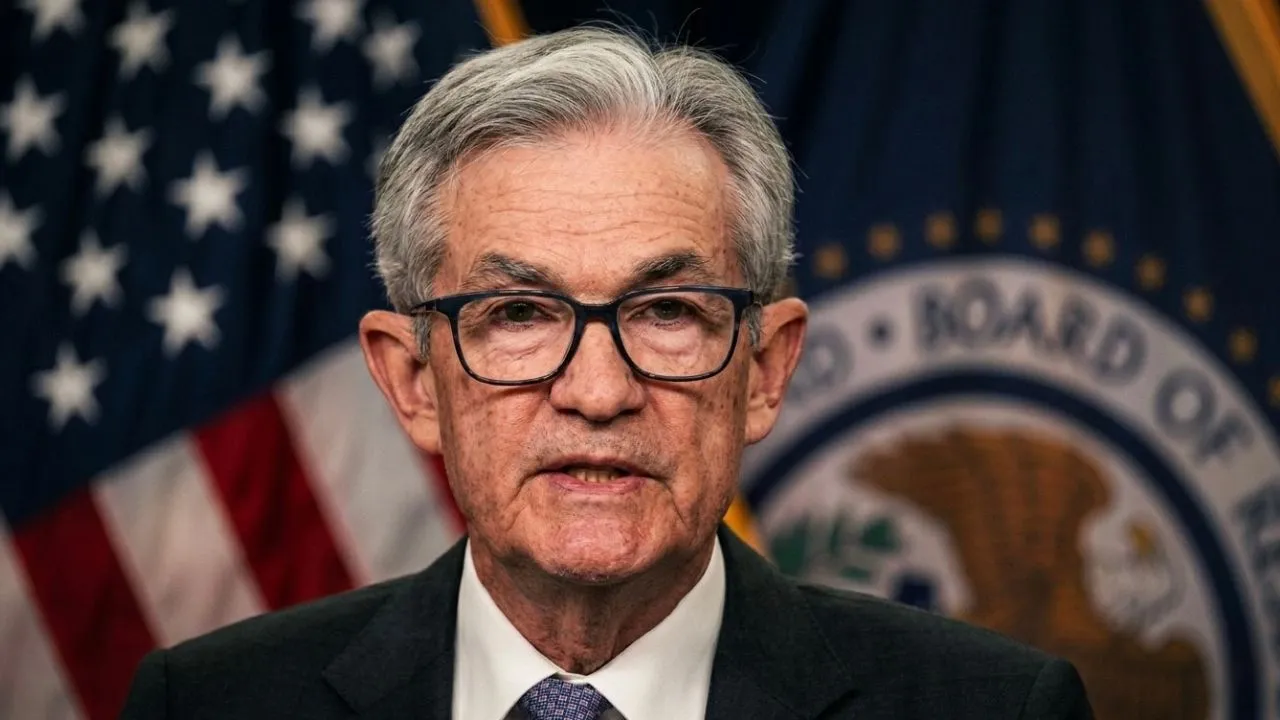
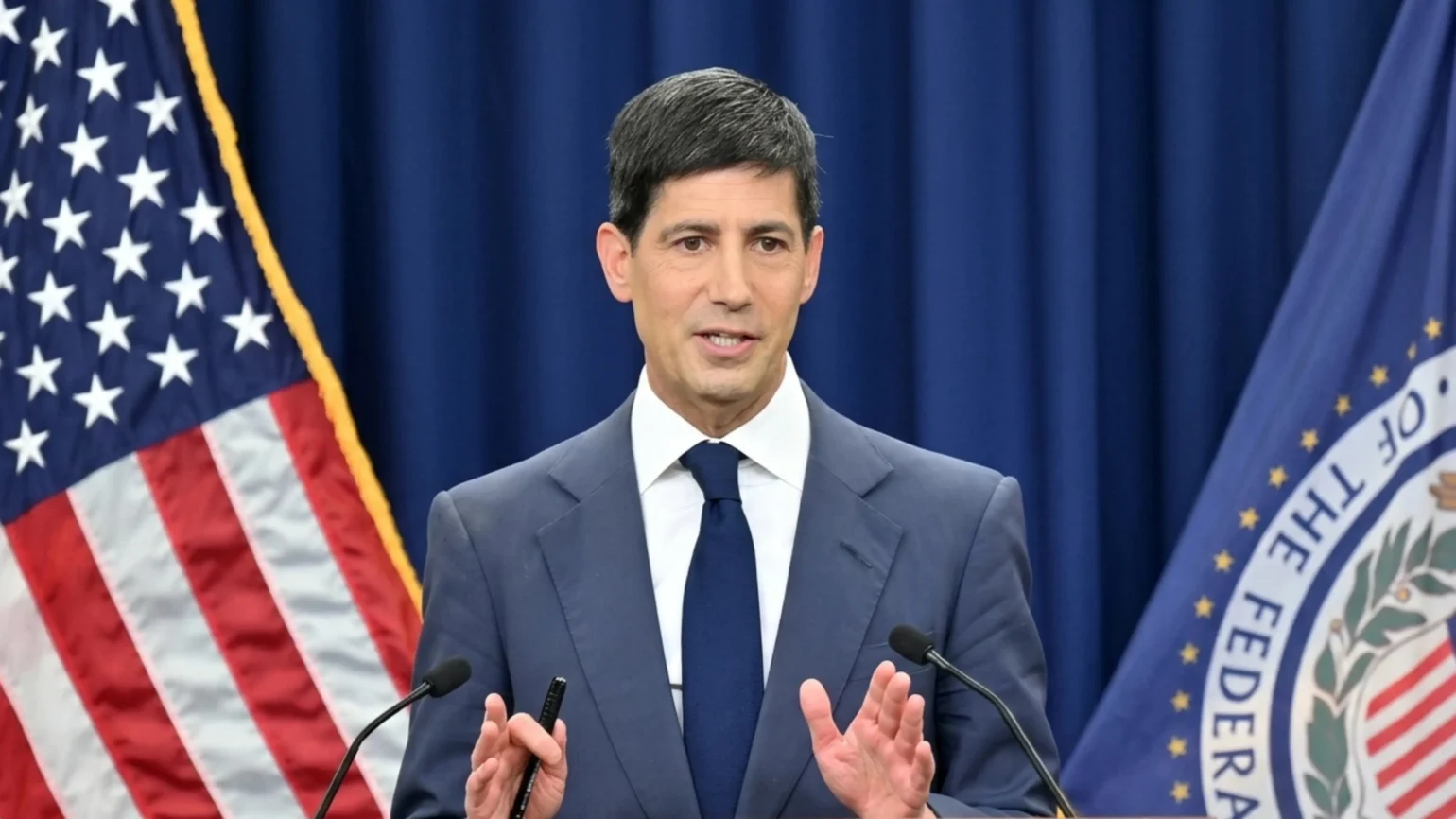
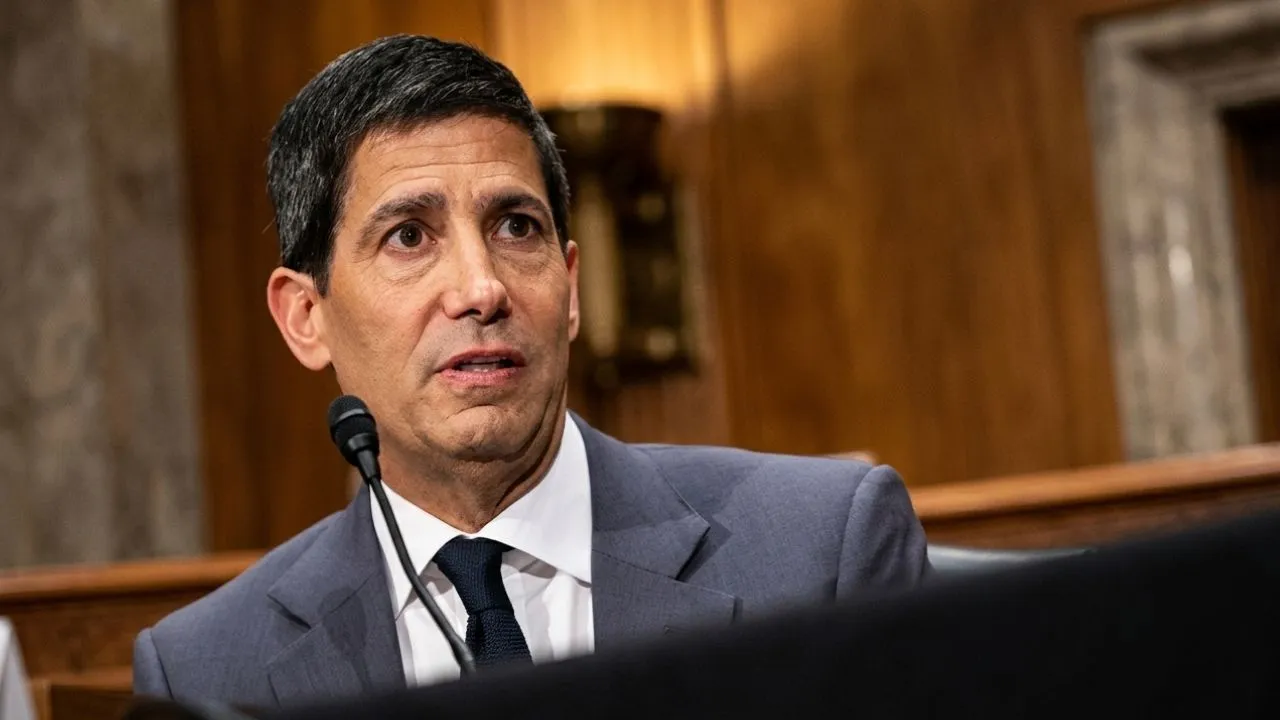
The data, according to the BLS producer prices, highlights continued inflation pressure as New Fed Chair Kevin Warsh prepares for his first FOMC rate decision meeting on June 16 and 17, 2026.
On May 13, the highest wholesale inflation reading since 2022. PPI measures inflation at the production and wholesale level before it reaches consumers. When PPI spikes, CPI follows within two to four weeks.
The April PPI at 6% means consumer inflation, already at 3.8% in April, has not yet fully reflected the pricing pressures already embedded in the wholesale economy. Nobody has connected this data to the Warsh confirmation and the June 16 FOMC meeting for ordinary Americans. Investozora does it here.
What PPI Is and Why 6 Percent Is the Number That Changes Everything
The Producer Price Index measures inflation at the wholesale and production level before it reaches consumers at the store. When producers pay more for raw materials, energy, and labor, they pass those costs forward through the supply chain. PPI leads CPI by approximately two to four weeks. That relationship is established methodology confirmed by BLS research.
April 2026 PPI at 6% year-over-year means consumer inflation at 3.8% in April has not yet absorbed the full pricing pressure already baked into the production economy. The Strait of Hormuz disruption since March 4, confirmed by U.S. CENTCOM at centcom.mil, is the primary driver.


Energy is the largest single input cost for manufactured goods. When diesel prices rise, every product that moves by truck, ship, or rail becomes more expensive to produce and deliver.
Dallas Federal Reserve research published in April 2026 confirms a three-quarter Hormuz closure adds 1.1 percentage points to 2026 headline inflation. The PPI reading confirms this energy shock has now moved fully into the production pipeline. For the full inflation sequence from Hormuz to consumer prices, see our Hormuz gas price analysis.
What PPI at 6 Percent Means for Warsh’s June 16 Decision
The Federal Reserve operates under a dual mandate: price stability at a 2% inflation target and maximum employment. With PPI at 6% and CPI at 3.8%, the inflation side of the mandate is being violated in both the leading indicator and the current measure simultaneously. This is the data environment Kevin Warsh inherits on his first day as chair.
Boston Fed President Susan Collins stated on May 13 that she sees scenarios in which the Fed could be tightening. Yardeni Research titled their May 14 analysis “From Cuts to Hikes: The Fed’s Shifting Calculus.”
Three FOMC participants already dissented from the easing bias at the April 29 meeting, before PPI at 6% was confirmed. Markets are now pricing higher rate hike odds for June 16 than at any point in 2026.
Warsh’s stated approach differs fundamentally from Powell’s. Warsh has indicated he prefers fewer forward guidance signals and more meeting-by-meeting data dependence.
That means the June 16 FOMC meeting could produce a rate hike without prior telegraphing, a significant departure from the Powell era where the Fed signaled moves weeks in advance. The May 20 FOMC minutes will be the first clear preview. See our FOMC minutes reading guide and the Warsh confirmation article for the full policy context.
What PPI at 6 Percent Does to Your Social Security Check, Savings, and Mortgage
Three specific personal finance connections from a single BLS data release.
First, Social Security COLA for 2027. The 2027 COLA formula uses Q3 2026 CPI-W data from July through September, confirmed at ssa.gov. PPI at 6% feeding into CPI over the coming months means Q3 CPI-W could run above the current 3.9% estimate. Some analysts are now projecting 4.2%.
Every 0.1 percentage point increase in the final CPI-W figure adds approximately $2 to $4 to the average monthly benefit in January 2027. For our full COLA projection, see the 2027 COLA forecast.
Second, savings accounts and CDs. If Warsh raises rates on June 16, savings account rates improve within one to two weeks. Current high-yield savings accounts at 4.5% to 5.0% nationally could increase. If you have a CD maturing before June 17, the reinvestment environment may improve after the June 16 decision.
Third, mortgages. A June 16 rate hike pushes the 30-year fixed rate, currently above 6.3%, higher. A 25-basis-point hike costs approximately $40 more per month on a $350,000 loan or $14,400 over 30 years. Mortgage relief is not in the 2026 outlook under current conditions.
See our money movement system guide for how each of these channels operates from the federal funds rate to your bank account.
The Sequence of Events Between Now and June 16
May 20 at 2:00 PM ET: The FOMC minutes from the May 6 and 7 meeting release at federalreserve.gov. These minutes document committee sentiment before PPI at 6% was confirmed and before Warsh was seated. If they show six or more participants flagging rate hike scenarios, June 16 becomes near-certain for a hike.
Late May: The May PPI release will confirm whether 6% in April was a one-month spike or a sustained trend. If May PPI comes in above 5.5%, Warsh has no data-driven justification to hold rates with an easing bias intact.
Approximately June 10 through 12: May CPI releases. This is the final major inflation data point before June 16. If May CPI rises from April’s 3.8%, a Warsh hike becomes the consensus expectation across all major financial institutions.
June 16 and 17: Warsh chairs his first FOMC meeting. The first dot plot under his leadership is released. His press conference signals the direction of monetary policy for the next 12 months.
What This Means
- PPI at 6% means consumer inflation at 3.8% has not yet absorbed the full wholesale pricing pressure. May and June CPI are likely to be higher than April.
- Rate hike odds for June 16 are rising, not falling, based on confirmed BLS data.
- For savers: if you have a CD maturing before July 31, consider holding in high-yield savings through June 16 before reinvesting at the potentially higher post-hike rate.
- For Social Security recipients: PPI at 6% supports a 4.2% COLA estimate for 2027, above the current 3.9% baseline projection.
- For mortgage shoppers: the data trajectory makes a rate cut before mid-2027 implausible under current conditions. Factor this into any purchase or refinance timeline.