

The divided committee documented here votes today at 2:00 PM ET. Whether the hawkish bloc holds or splinters is revealed in the rate decision and the dissent count published in today’s official statement.
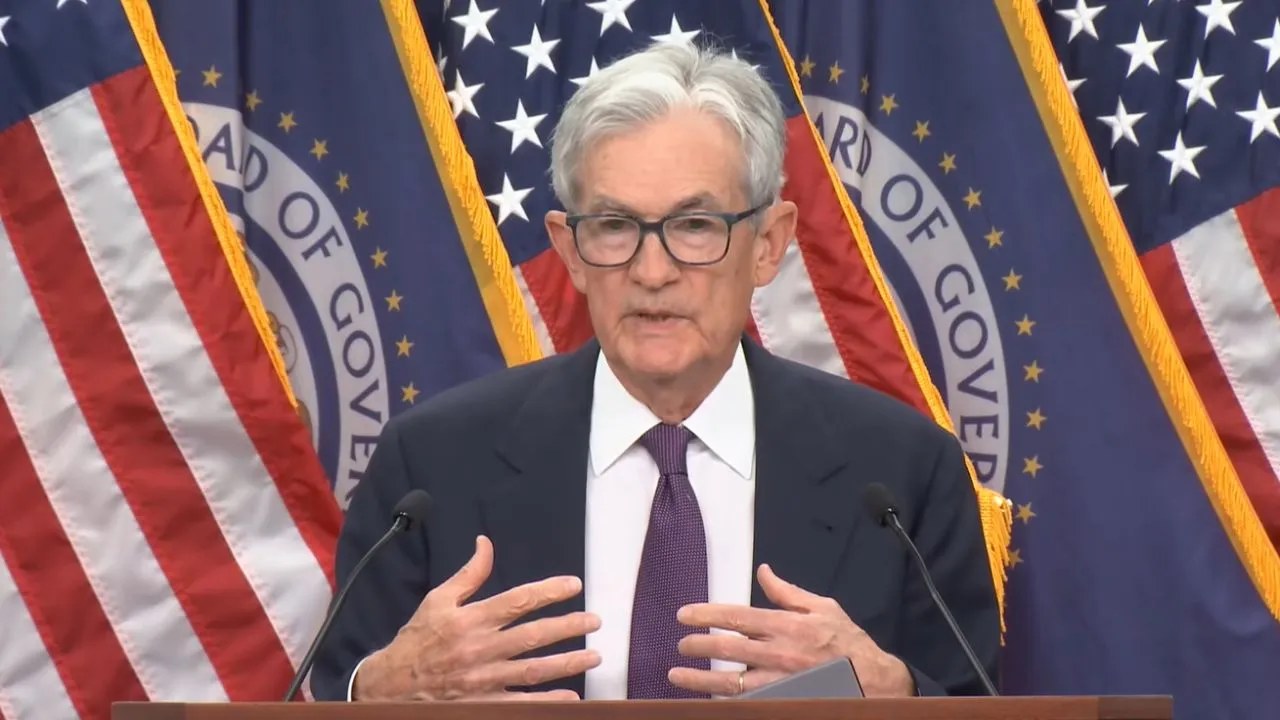
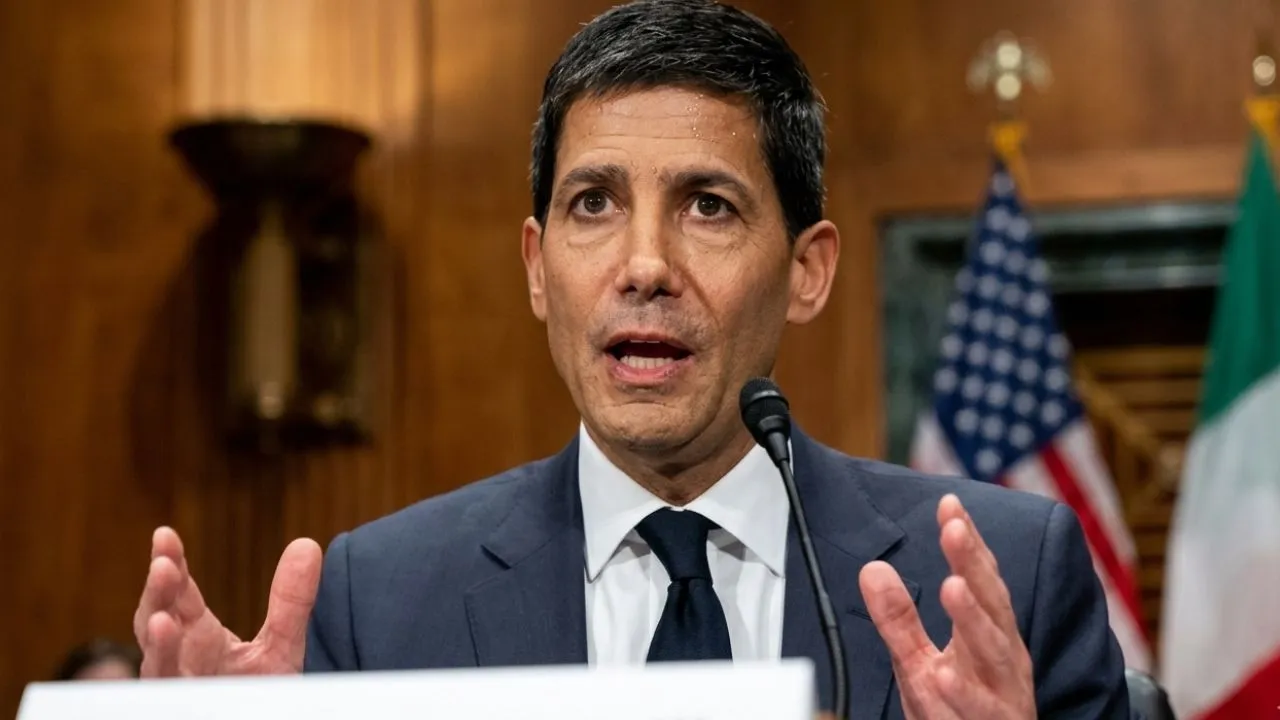
Kevin Warsh is inheriting the most divided Federal Reserve committee since October 1992. The April 29 FOMC vote split 8 to 4, with four officials dissenting against the policy statement. Three of those dissenters argued inflation remains too high to keep dovish language.
One voted for a rate cut. Warsh chairs his first June 16 meeting with this divided committee. Kevin Warsh is walking into the Federal Reserve’s most fractured committee in more than three decades.
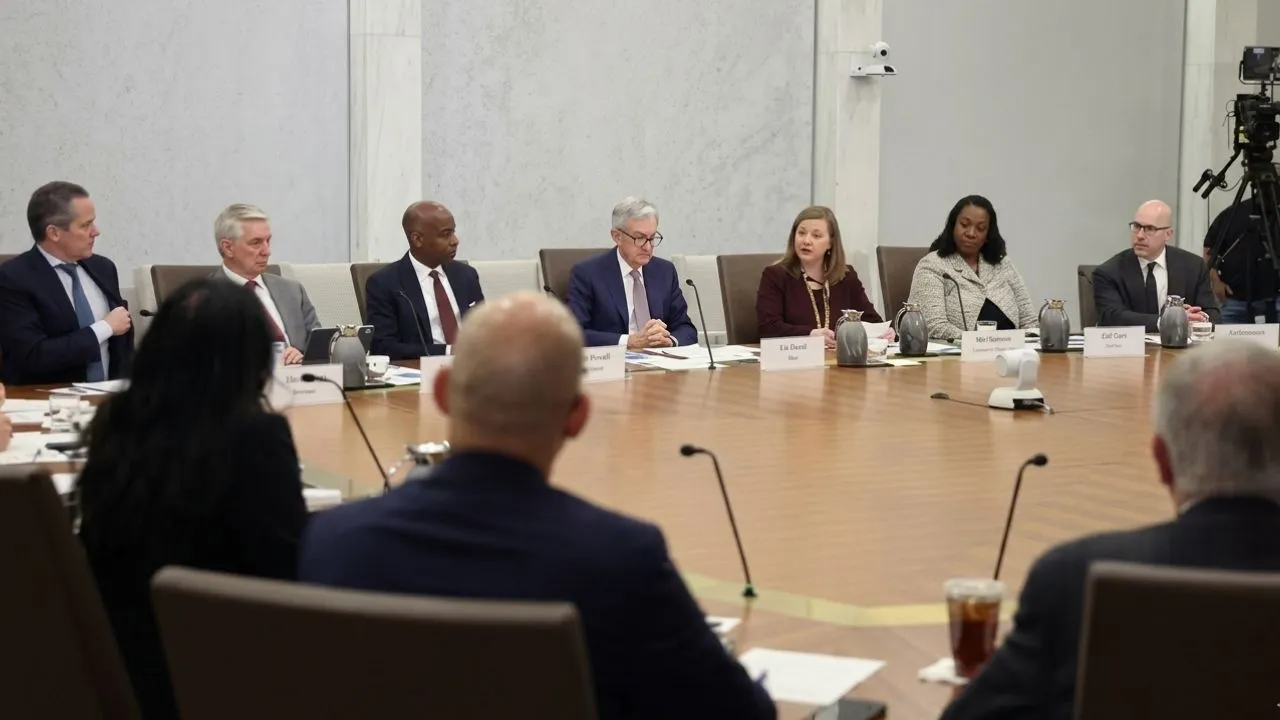
The April 29 FOMC meeting produced a 8-to-4 vote, the most dissent since October 1992, per the official Federal Reserve statement. Four officials disagreed with the final policy outcome, and they disagreed in opposite directions. One voted to cut rates immediately.
Three objected to language that markets interpreted as signaling future cuts were coming, because they believe inflation is still too high to make that promise. Warsh now chairs this divided room for the first time on June 16 to 17. The outcome of that single meeting will move what every American pays for a mortgage, earns on savings, and locks in on a CD.
The federal funds rate sits at 3.5% to 3.75%, confirmed at the April 29 meeting. The U.S. money movement system explains how a Fed vote at that rate level transmits through the banking system to reach consumer accounts within 14 to 30 days.
The May 20 FOMC minutes, releasing at 2 PM ET three days from now, will reveal exactly how intense the internal debate was at the May 6 to 7 meeting before Warsh took over.
Why the 8 to 4 split is the most important number for your money
Most Fed decisions pass 11 to 1 or 12 to 0. A four-dissent vote is extraordinary. The last time it happened was October 1992, when the committee was navigating a post-recession environment that looks nothing like today’s inflation surge. The significance is not the number itself but what the four dissents represent as a picture of the room Warsh must lead.
Stephen Miran voted to cut rates by 25 basis points immediately. Miran has since resigned from the Fed board, per CNN reporting, removing one voice from the dovish wing.
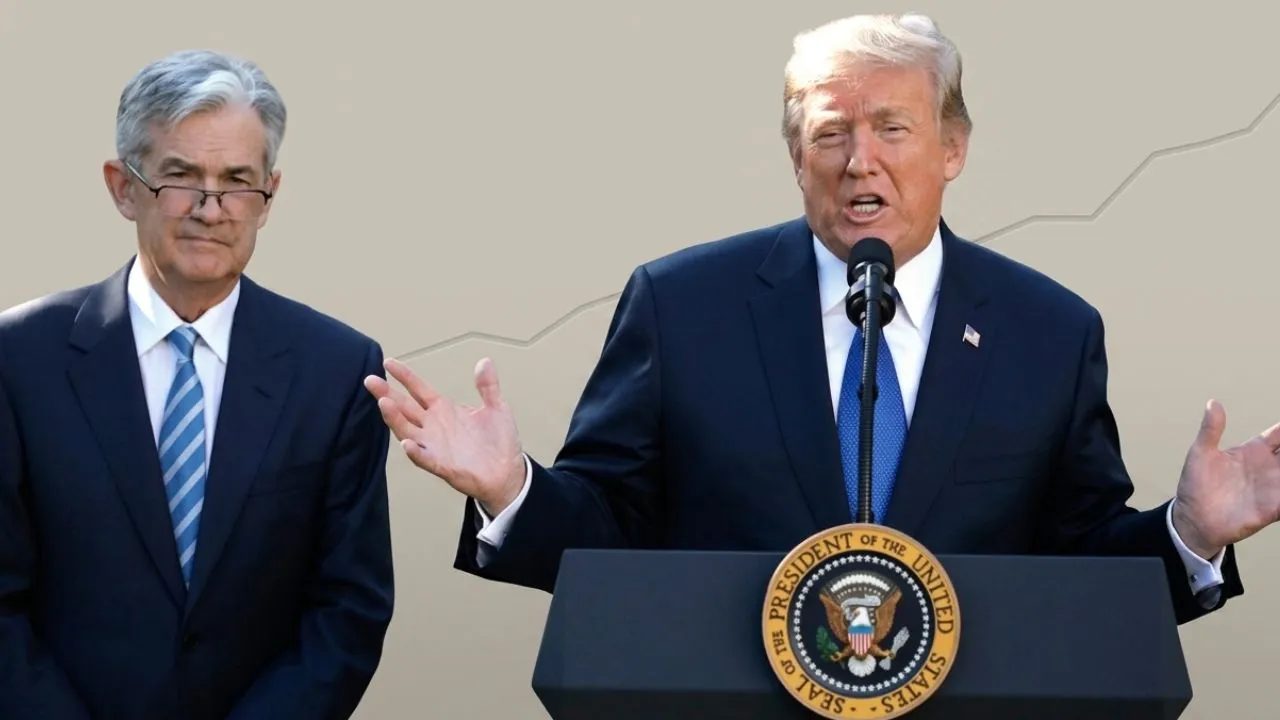
But three regional bank presidents, based on the confirmed dissent pattern from the April 29 FOMC statement, objected to language they viewed as telegraphing future rate cuts when inflation is running at 3.8% annually per BLS and wholesale prices at 6.0% per BLS PPI.
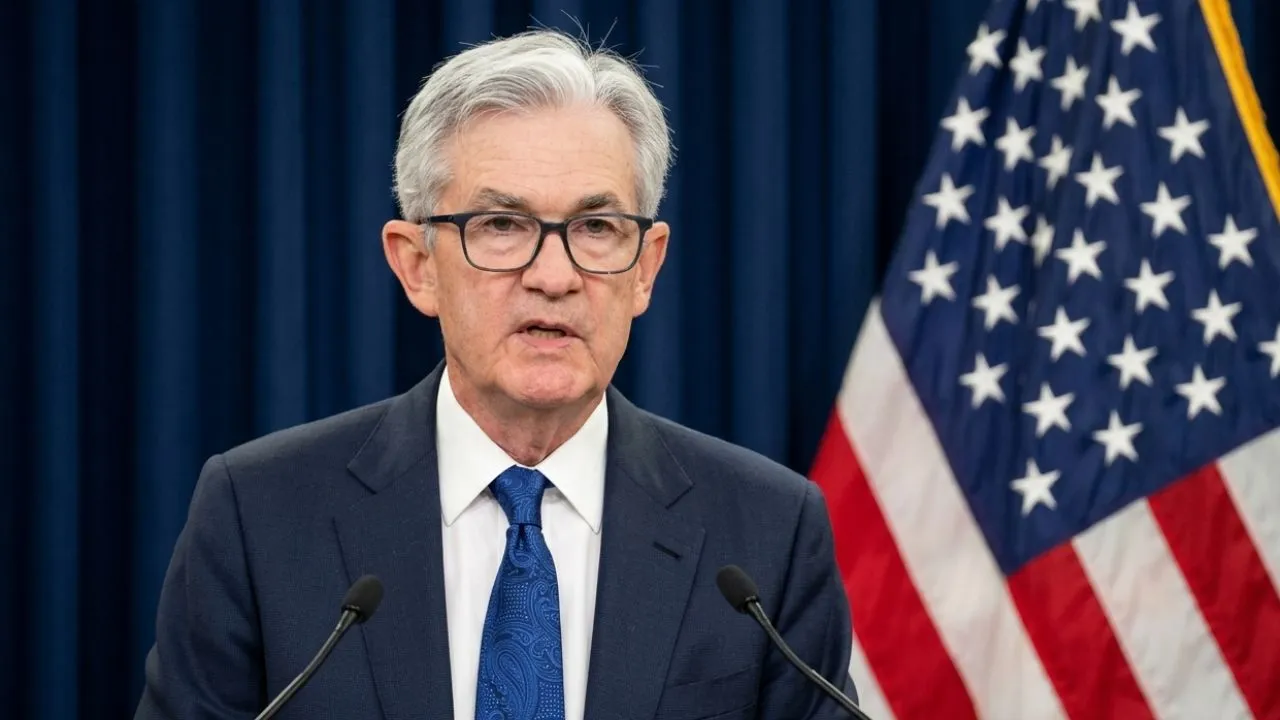
Those three are hawkish. They believe rates should go higher, not lower. Warsh controls the agenda and the statement language but holds only one vote on the 12-member committee. To move rates in either direction, he needs a majority.
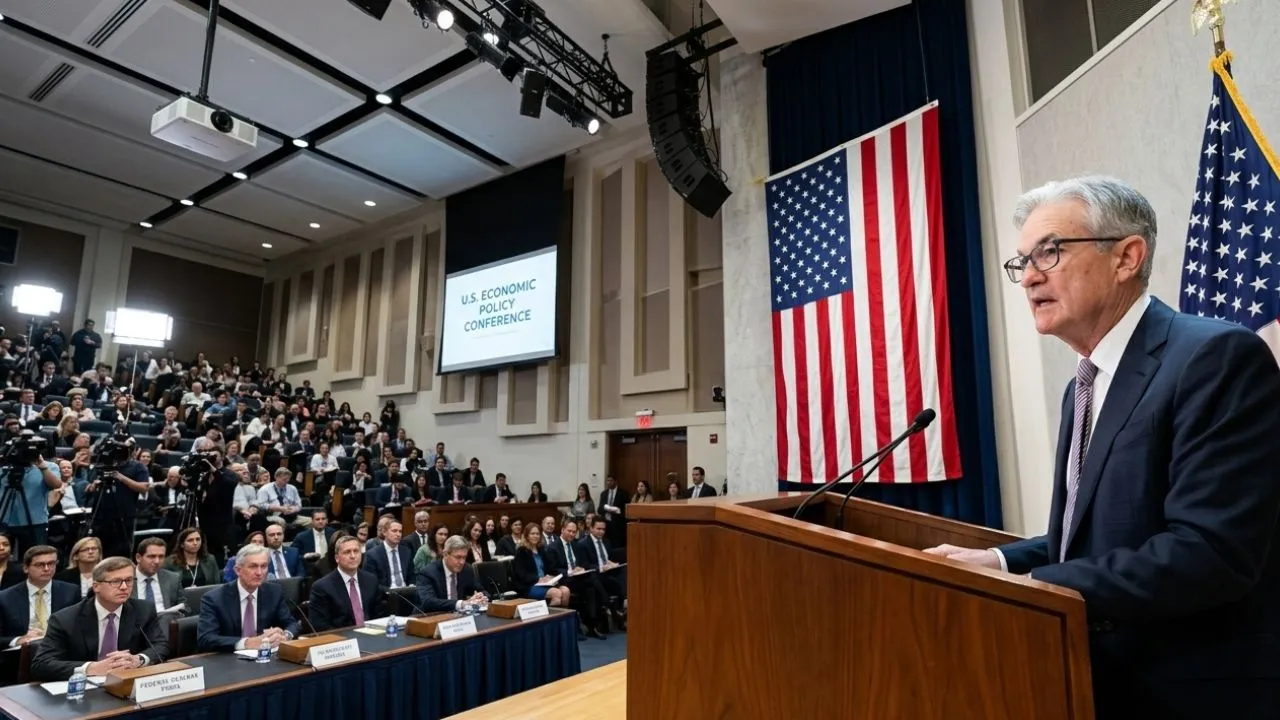
The committee Warsh inherits has at minimum three members who believe rates may need to rise, one dovish vacancy from Miran’s exit, and Powell serving as a governor with a vote and his own well-documented preference for patience. Warsh cannot simply will the committee into his position.
He needs to persuade, and the May 20 minutes will reveal what the internal persuasion dynamics looked like at the last meeting before he became chair. The FOMC minutes May 20 rate hike analysis covers what specific language in the document will signal June 16. The five signals guide identifies what to watch at 2 PM ET on Tuesday.
What the divided committee means for your savings and mortgage before June 16
A deeply divided committee creates a specific kind of market uncertainty that directly affects consumer financial products before the Fed even votes. When traders and bond market participants cannot confidently predict the outcome of a known upcoming FOMC meeting, they add a risk premium to Treasury yields.
That risk premium flows directly into mortgage rates through the standard spread lenders add above the 10-year Treasury yield, as confirmed by Federal Reserve H.15 daily rate data. This means a divided FOMC is actually more expensive for mortgage shoppers right now than a unified committee would be, even if that unified committee held rates steady.
Uncertainty itself adds basis points to your mortgage quote. If the May 20 minutes show that the committee debate was intense and unresolved, that uncertainty premium widens further between now and June 16.
For savers, the dynamic works differently. A divided committee cannot commit to future cuts. Banks that price high-yield savings APYs based on expected future Fed rate paths will hold APYs higher for longer when the committee’s direction is unclear.
The how the Fed controls savings rates guide explains the exact bank pricing mechanism. The Warsh June 16 rate hike impact covers the dollar outcome for savings accounts and mortgages under each possible scenario. The Bureau of the Fiscal Service at the U.S. Treasury disburses all Social Security payments, IRS refunds, and federal payments through FedACH.
The overnight rate environment that Warsh and his divided committee manage affects the settlement costs inside that network and the returns that financial institutions earn on reserve balances, which ultimately feeds into consumer pricing.
What happens next and what to watch before June 16
The single most important event before June 16 is the May 20 minutes release at 2 PM ET on Tuesday. These notes will show every word of the internal debate from the May 6 to 7 meeting.
The frequency of phrases like “a number of participants” versus “several participants” versus “most participants” when discussing rate hike scenarios tells you exactly how large the hawkish bloc inside the committee actually is.
What you should do now
- Watch the 10-year Treasury yield at 2 PM ET on Tuesday, May 20. If it rises more than 7 basis points in the first 30 minutes after the minutes release, the market is reading the internal debate as hawkish and June 16 becomes a live rate hike question.
- Check your current savings APY against competitive offers. A divided hawkish committee means current high rates are likely to hold through at least June 16 regardless of the actual vote.
- If you are shopping for a mortgage, understand that your rate quote already contains a committee-division premium. The minutes on May 20 will either expand or compress that premium within 48 hours.
- Read the FOMC May 20 full analysis before checking any financial commentary on Tuesday. The raw Fed document is the primary source.