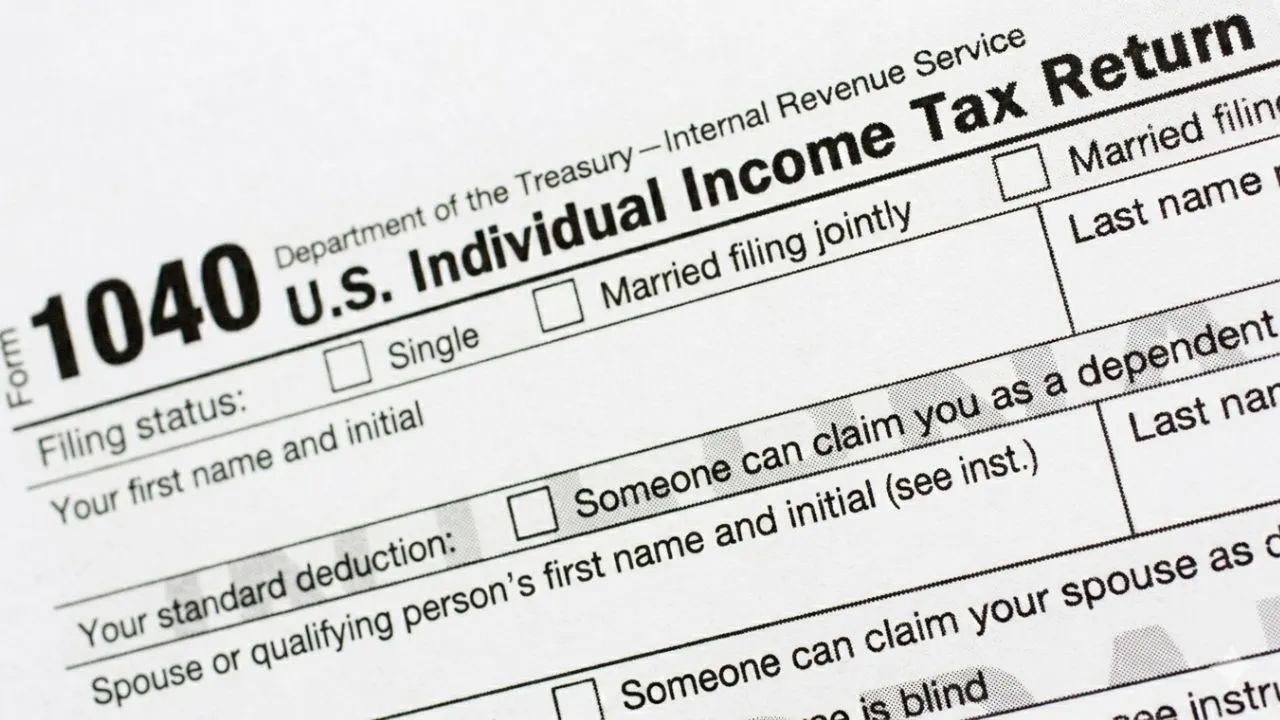

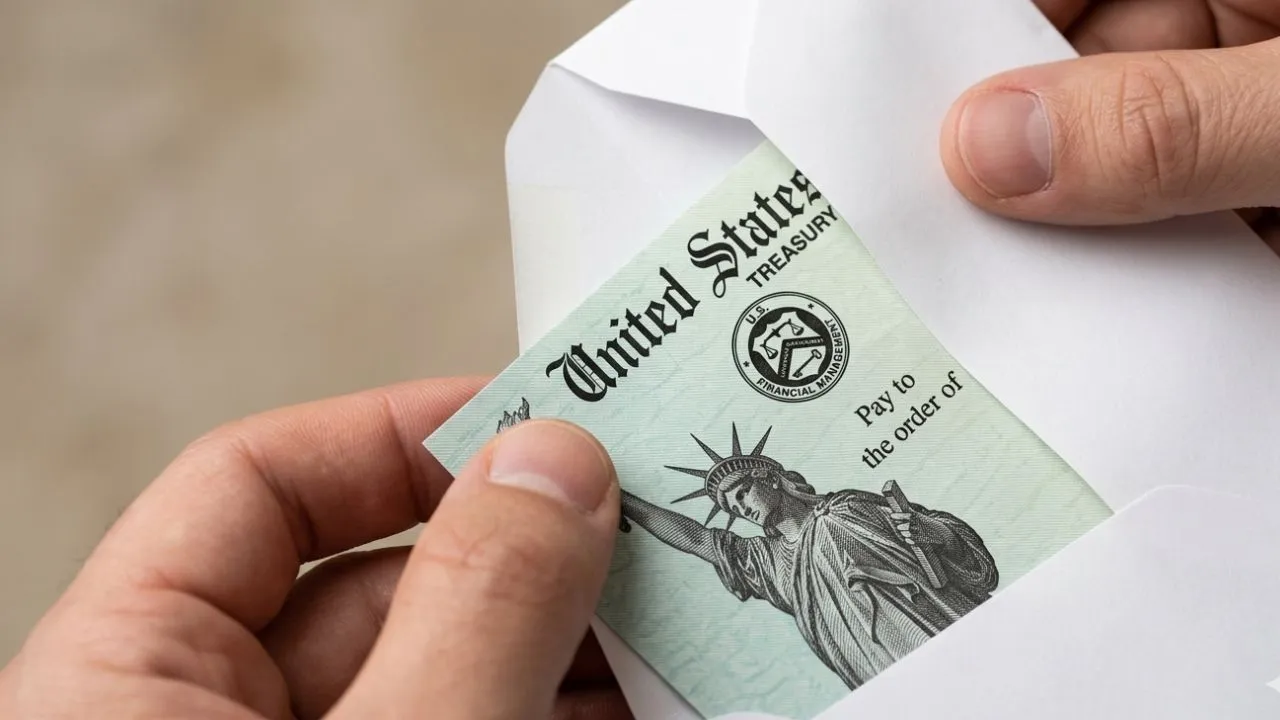
The IRS published its 2026 Dirty Dozen tax scams warning, including the erroneous refund scheme, at irs.gov/newsroom. Separately, U.S. District Judge Kathleen Williams in Miami ordered the Trump legal team to respond to the court’s concerns about the $10 billion IRS lawsuit dismissal by June 12, 2026.
Two IRS Threats Collide
Two separate IRS developments broke simultaneously this week, and both involve money appearing in bank accounts in ways that do not follow normal rules. One is a federal court case involving $10 billion. The other is a street-level cybercrime operation targeting ordinary taxpayers. Understanding both is now financially urgent.
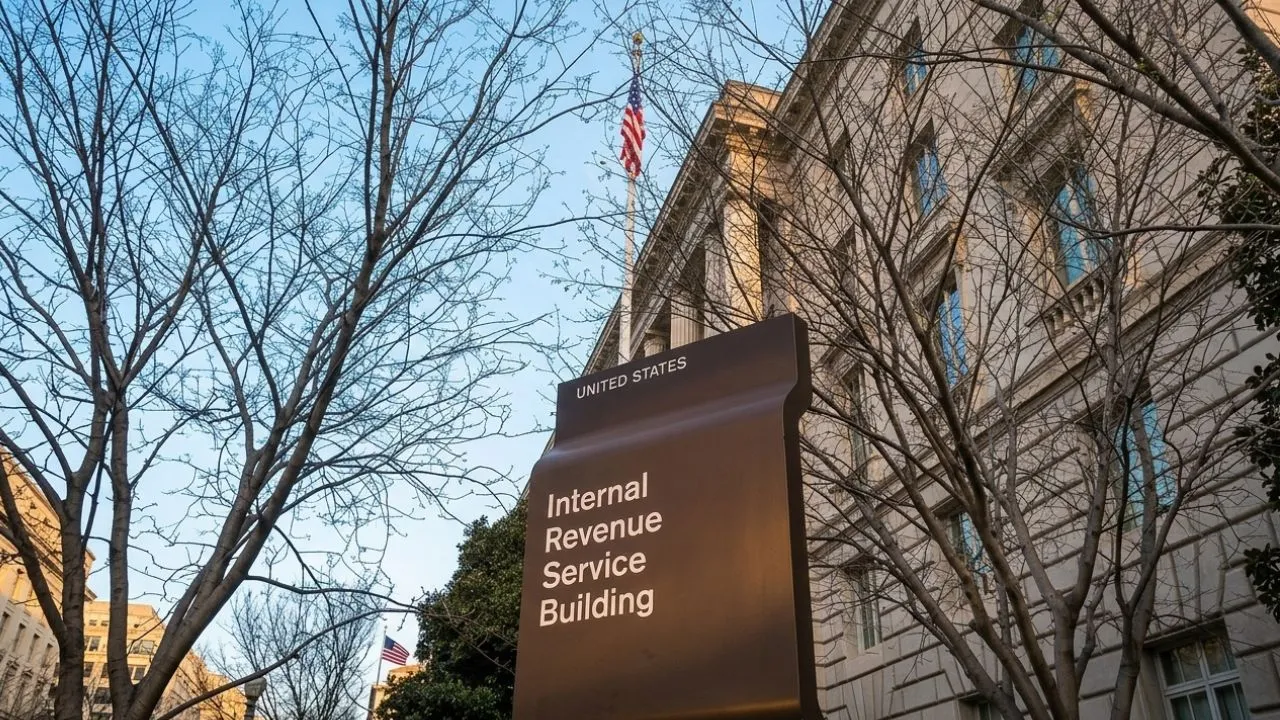
Starting with the threat that hits closest to home: the IRS has formally warned Americans in its 2026 Dirty Dozen compilation that a sophisticated erroneous refund scam is actively targeting taxpayers across the country.



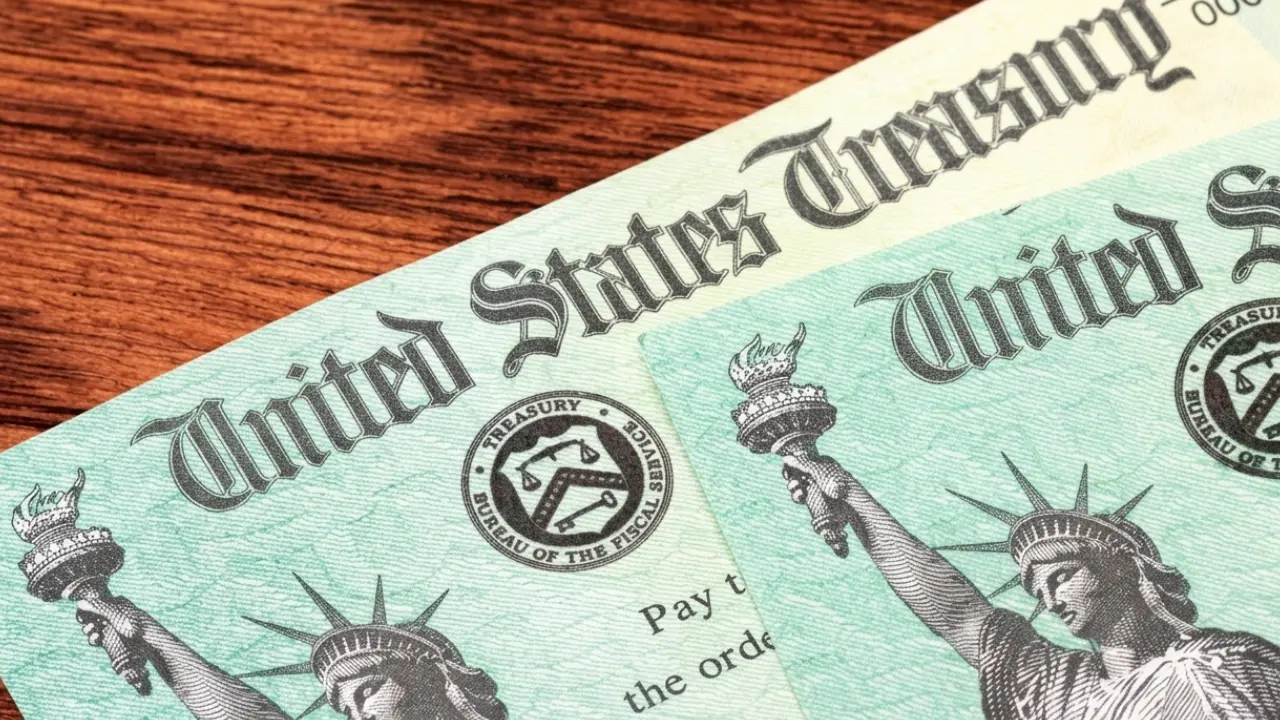
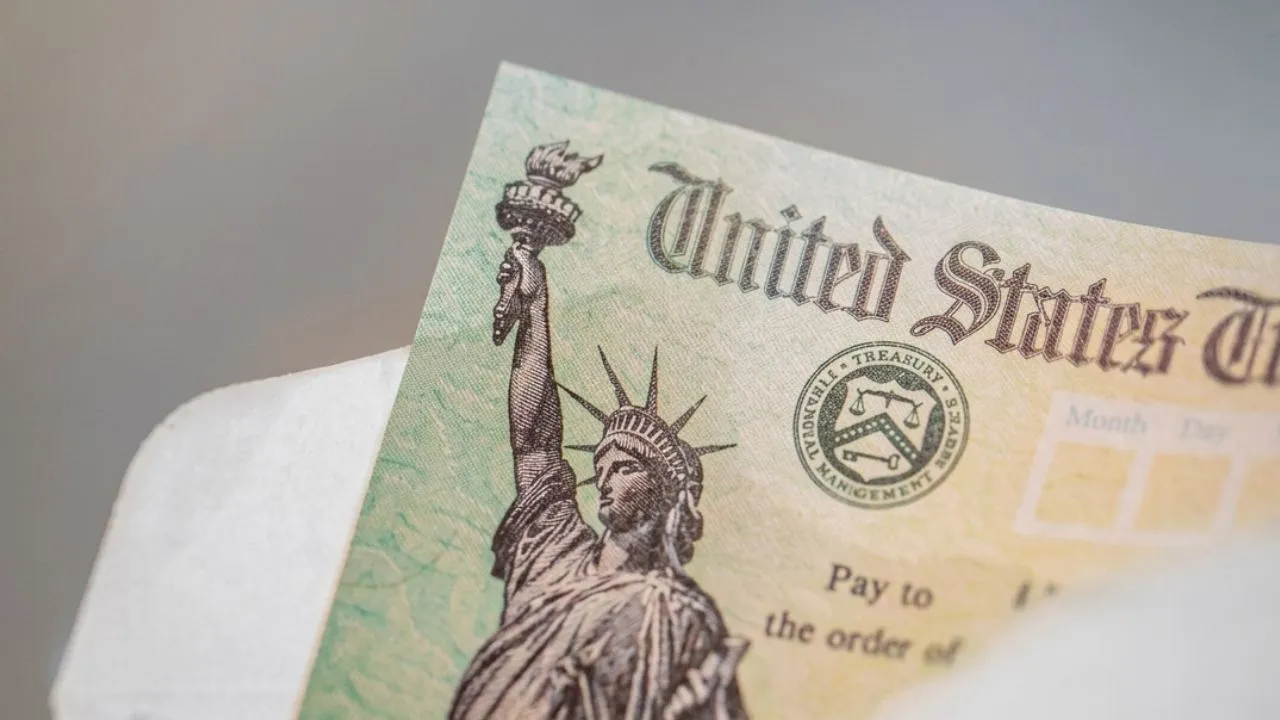
The scheme does not begin with a suspicious phone call. It begins with real money arriving in your real bank account from the IRS. The IRS refund scam works because the first step looks completely legitimate.
Cybercriminals obtain tax data through breaches of professional tax preparers, accounting firms, and payroll processors. They use that stolen data to file accurate fraudulent tax returns in the victim’s name, directing the IRS to deposit a refund directly into the victim’s genuine bank account.
The refund processes normally. It appears in your account just like any other IRS deposit. Nothing in the initial deposit signals fraud. The full IRS warning is published at the IRS Dirty Dozen newsroom page.
How the Extortion Works
The second phase of the IRS refund scam begins within days of the deposit. The victim receives a call, a text, or an email from someone claiming to be an IRS agent or a collections representative. The caller uses AI-generated voice mimicry or spoofed government caller ID numbers to appear credible.
They tell the victim that the refund was deposited in error and must be returned immediately. They demand wire transfers, money orders, or gift cards. They threaten arrest, Social Security number suspension, and immediate legal action if the victim does not comply within hours.
The IRS does not call taxpayers to demand immediate gift card payments. The IRS does not suspend Social Security numbers. The IRS does not use private collection agencies that demand same-day wire transfers.
These facts are documented at the IRS Taxpayer Advocate Service. If you receive a communication matching this pattern and you have an unexpected deposit in your account, contact the IRS directly at 1-800-829-1040 before taking any action.
For anyone who has already sent money in response to such a call, the IRS refund wrong bank account guide explains the recovery process and the timeline for disputed deposit claims.
The $10 Billion Case Reopened
On May 29, 2026, U.S. District Judge Kathleen Williams in Miami took the unusual step of formally reopening Donald Trump’s $10 billion lawsuit against the IRS and the Department of Treasury. The case concerns the unauthorized leak of Trump’s personal tax returns to ProPublica in 2021.
The original lawsuit was voluntarily dismissed by the Trump legal team earlier this year as part of negotiations to establish a $1.8 billion Anti-Weaponization Fund intended to compensate individuals who claimed government targeting.
Judge Williams did not accept the voluntary dismissal. She determined that the court had independent grounds to examine whether the dismissal was collusive, whether it was premised on deception of the court, or whether the proposed fund settlement circumvented the judicial process. The Trump legal team has until June 12, 2026 to respond to the court’s detailed concerns.
The case sits at the intersection of executive branch conduct, IRS institutional authority, and federal court oversight. The background on the original settlement talks is covered in the Trump IRS 10 billion lawsuit settlement article.
The reopened case does not affect how the IRS processes refunds or conducts audits in the near term. However, it places additional public attention on IRS institutional integrity at the same moment the agency is warning taxpayers about aggressive impersonation schemes.
The IRS audit selection system, including the Discriminant Function scoring model that flags returns for examination, operates independently of any political litigation. The IRS audit selection mechanics article explains that system.
What You Should Do Now
- Check your bank account right now for any unexpected deposit described as a tax refund or IRS payment that you did not initiate. Log the exact amount and the posting date before doing anything else.
- If an unexpected deposit appears, do not spend it and do not send it anywhere. Call the IRS directly at 1-800-829-1040 to verify whether a legitimate refund was issued to your account and to report any contact you have received demanding its return.
- If you receive any call claiming to be the IRS and demanding immediate payment by wire, gift card, or money order, hang up. The IRS communicates by mail first. The IRS refund scam relies on urgency and fear. Neither is a signal from a legitimate government agency.
- Review your IRS transcript at IRS.gov to see whether a return was filed under your Social Security number that you did not file yourself. An unexpected transcript entry is a fraud indicator requiring immediate action.
- The IRS refund status guide and the money movement system explain how legitimate IRS deposits reach your bank and what the real timeline looks like so you can distinguish genuine deposits from fraudulent ones.