

The Bureau of Labor Statistics confirms the May 2026 Employment Situation Summary releases on Friday, June 5, 2026, at 8:30 AM Eastern Time, per the official release calendar at BLS.gov.
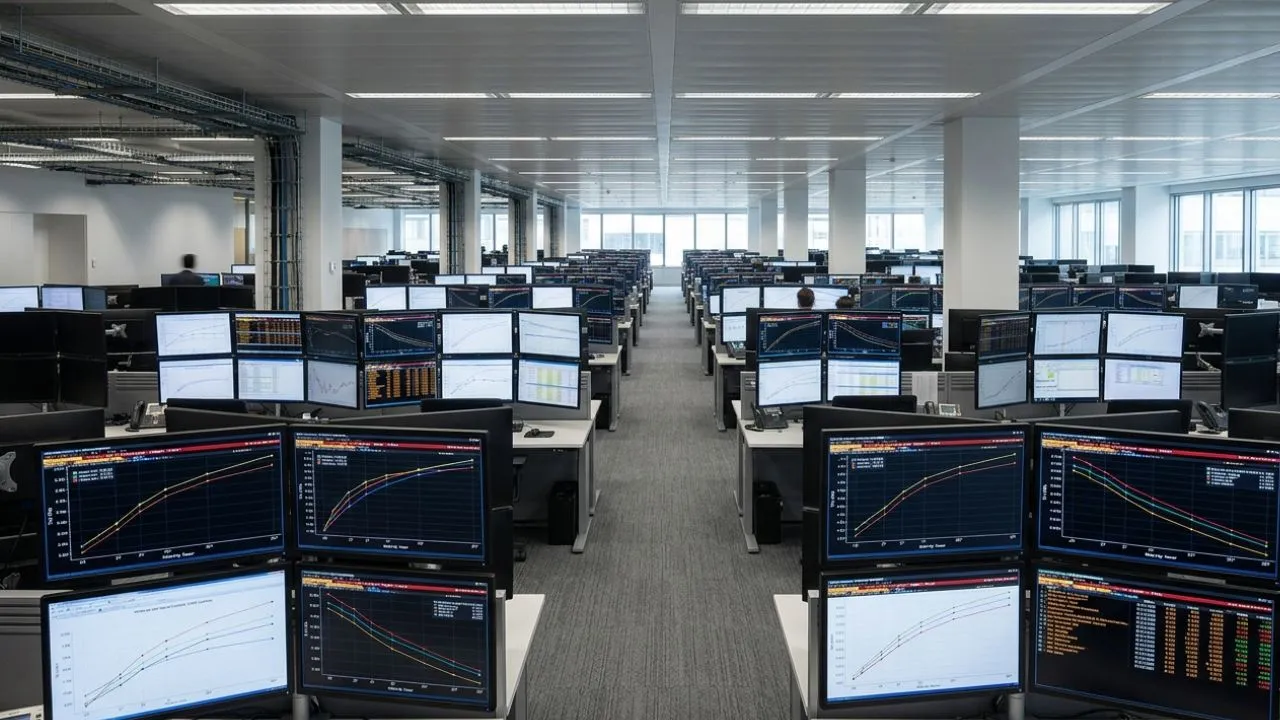
The bond market is moving at a pace that institutional traders describe as the most aggressive repositioning toward higher rates since the months before the 2007 financial crisis. This is not an abstract market signal.
It directly determines what your savings account pays, what your mortgage renewal costs, and what the Federal Reserve does on June 16. The sequence connecting those three outcomes runs through a single piece of data releasing this Friday at 8:30 AM.
The Bureau of Labor Statistics publishes the May 2026 Employment Situation Summary on June 5. Institutional fixed-income desks are positioned ahead of that number because the Fed has made clear that the labor market condition is one of the two variables guiding its June 16 decision.

The other variable is inflation, which has already printed above target in three consecutive months. If June 5 shows strong job growth and low unemployment, the Fed has both conditions it needs to justify a rate hike. If the jobs number comes in weak, the calculation changes. Bond traders are currently betting the number is strong.
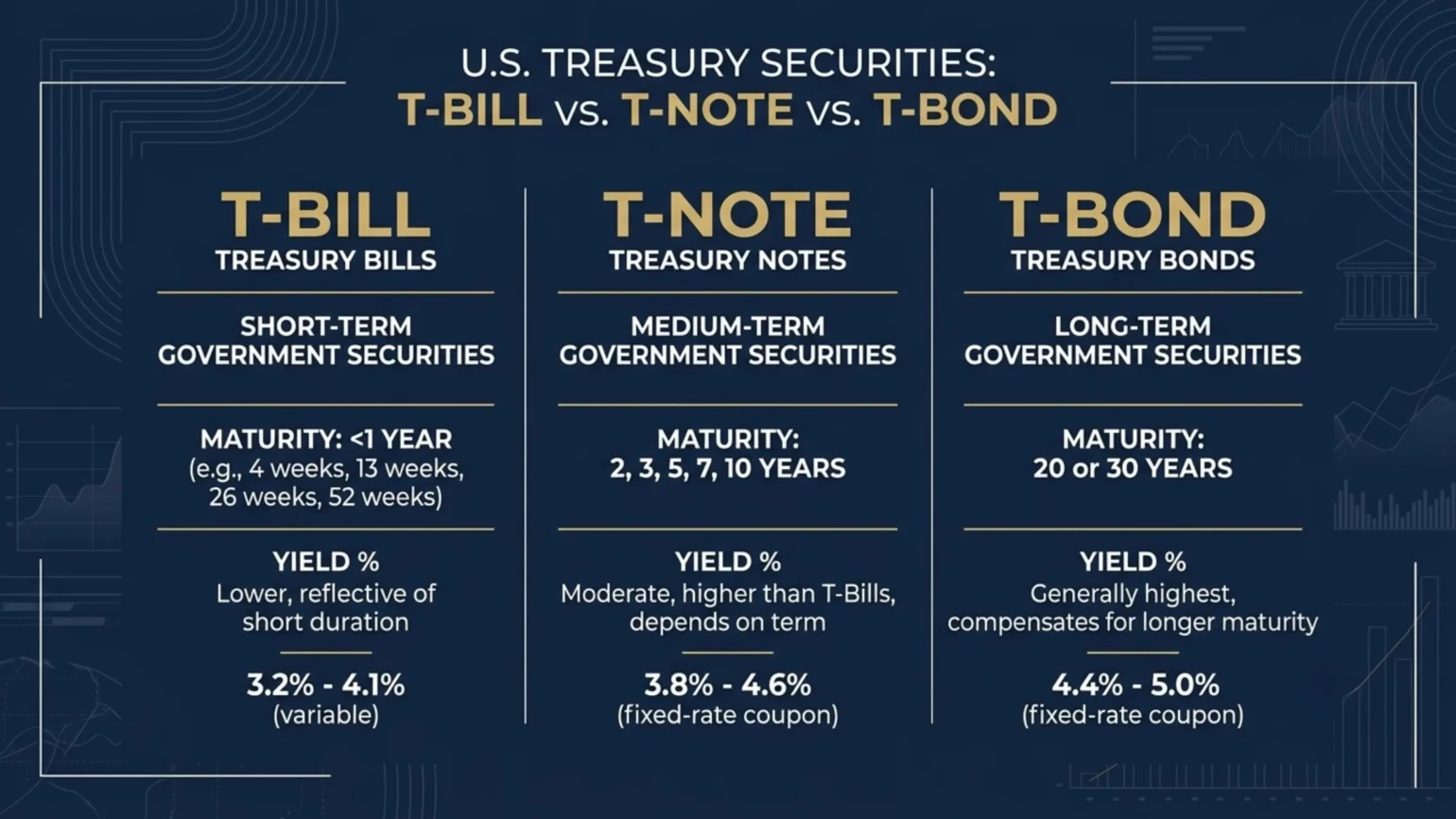
That bet is expressed through selling long-term Treasury bonds, which pushes their prices down and their yields up. Current Treasury yield data is updated daily at the U.S. Treasury yield curve page.
The practical translation of rising Treasury yields for everyday savers is that short-duration instruments are paying competitive rates right now. Three-month and six-month Treasury bills are reflecting the market’s expectation of a higher federal funds rate, making them among the most attractive risk-free cash positions available to retail investors at this moment in the rate cycle.
Long-term bond values move in the opposite direction. Anyone holding long-duration bond funds in a retirement account is watching the value of those holdings decline as yields rise.
The PCE inflation data released last week confirmed that the Fed’s preferred price measure remains above its 2% target. Combined with the bond market’s repositioning, the June 16 FOMC meeting is now the most consequential rate decision in over a year.
Kevin Warsh, who took the Fed chair position on May 22, will preside over his first rate decision under conditions that Powell specifically described as the ultimate institutional test of central bank independence. The FOMC June 16 rate hike article details the full Committee landscape.
The global labor picture adds pressure from outside the domestic data. Tech sector restructuring and union contract disputes in international markets are keeping cross-border supply chain conditions volatile. The Kakao union in South Korea has a partial strike action set for June 10.
International labor disruptions in technology manufacturing feed into U.S. import price data, which flows into the CPI calculation and ultimately into the Fed’s inflation picture. The interconnection between global supply chains and domestic monetary policy is one of the structural realities making the June 16 decision harder to forecast from any single data point.
For anyone holding Treasury bills directly through TreasuryDirect.gov, the current yield environment means reinvesting at maturity is producing higher returns than six months ago. That advantage exists precisely because of the bond market pressure described above. The Treasury bills maturity yield guide covers the reinvestment mechanics in detail.
The relationship between what bond markets do and what ultimately reaches your savings account or mortgage statement passes through the Federal Reserve’s rate-setting process and then through each individual bank’s internal pricing decisions. That entire chain is explained through the money movement system. The jobs report Friday morning is the next data point. Everything after that number leads directly to June 16.