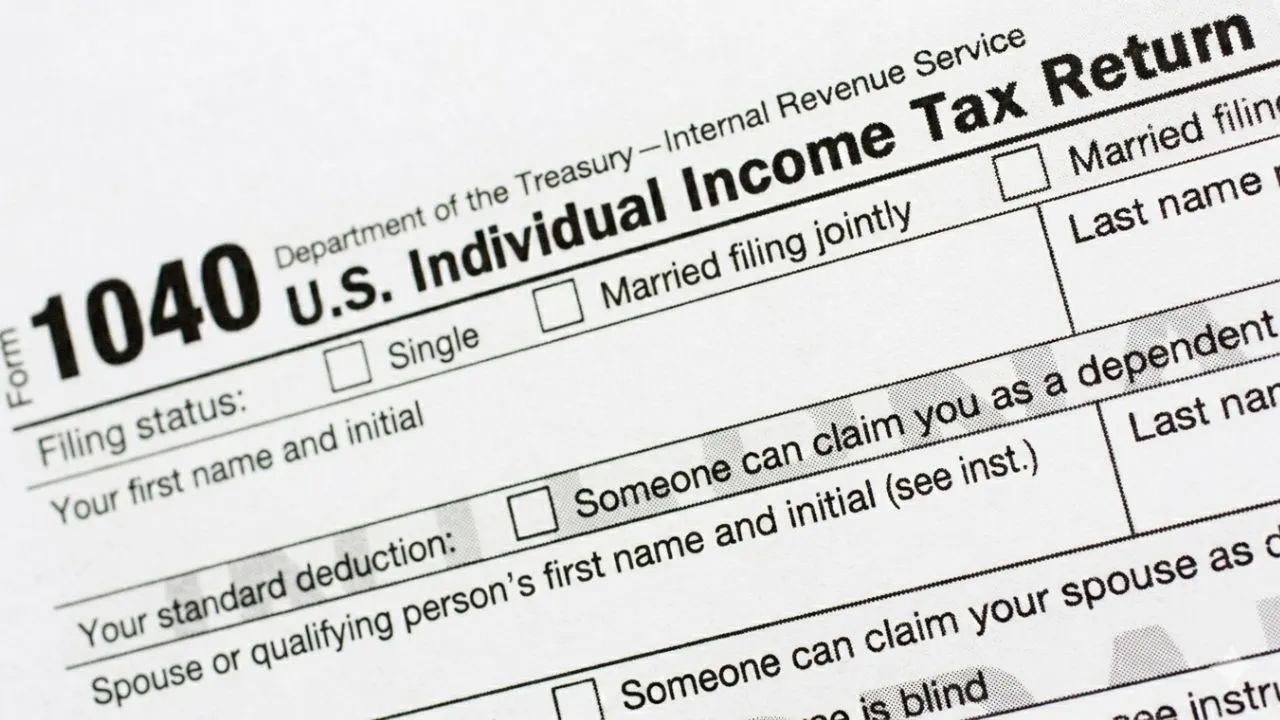


The IRS confirms that refund direct deposits continue to process through the federal ACH network for returns filed on extension and those held in systemic review queues, per IRS.gov account transcript records updated this week.
IRS refund June 2026 direct deposit activity is real and it is moving. If you filed your 2025 federal income tax return on time in April and your refund has not arrived, you are not alone and you are not forgotten.
Millions of returns filed between February and April 2026 remain in various stages of the IRS Individual Master File processing cycle heading into this first week of June. The structural backlog does not mean your refund is lost. It means the IRS system needs to complete its automated review before it releases the deposit to your bank.
The most important thing you can do right now is pull your official IRS account transcript rather than relying on the standard Where’s My Refund tool, which shows only three status categories and none of the granular processing data that tells you where your return actually sits in the pipeline.



Log into your IRS Online Account at IRS.gov, authenticate through ID.me, and select Account Transcript for the 2025 tax year. The raw processing log behind your return is sitting there with every internal action the agency has taken since your filing arrived. For the complete transcript extraction procedure, the IRS publishes step-by-step authentication guidance on its support portal.
The three codes that matter most when you are waiting on a refund in June are Code 150, Code 846, and Code 570. Code 150 means your return has been received and filed into the system. Code 846 is the one you want to see. It means your refund has been formally approved and a deposit date has been assigned.
That deposit date is typically your bank account posting date, not the date the IRS initiates the transfer. The federal ACH timeline between IRS initiation and your bank’s posting window is typically one to two business days depending on your financial institution’s settlement schedule.
Code 570 is the flag that requires your attention. It signals an additional action pending inside the IRS processing system, a hold that prevents the system from issuing a Code 846 until the underlying issue is resolved. Code 570 does not mean an audit.
It frequently reflects an identity verification flag, a third-party data mismatch between your W-2 and employer filings, or an automated math review. Code 971 appearing directly after Code 570 on your transcript indicates the IRS has issued or is preparing to issue a formal notice explaining the specific hold.
Do not call the IRS about a Code 570 hold until at least 21 days have passed from the date shown on that transaction line. For complete Code 570 diagnostics, the IRS Internal Revenue Manual section governing these holds is publicly available.
There is a statutory protection that most taxpayers do not know exists. Under federal tax law, if the IRS has not processed your timely-filed return and issued your refund within 45 days of the filing deadline, the agency is legally required to pay interest on your delayed refund amount.
That interest compounds daily and is calculated at the current federal short-term rate plus three percentage points. For 2026 refunds delayed beyond the statutory window, the IRS late refund interest rate is currently set at a rate that adds a meaningful dollar amount for returns delayed several months.
The official IRS tax transcript guide at IRS.gov includes the authoritative explanation of how interest accrual appears on your account transcript once it begins posting. The IRS refund June 2026 window is active.
If your transcript shows Code 846 with a date, your deposit is in motion. If it shows Code 570, your refund is held but not gone. If it shows only Code 150 with no further action, your return is queued for standard review and the 45-day interest clock is running.
Understanding the refund pipeline mechanics from the IRS Individual Master File to your bank account makes the waiting far more navigable than refreshing a status page that was never designed to give you the full picture.
For retirement income context on how these refund amounts interact with Social Security benefit math, the full statutory calculation framework is available for households managing both federal income streams simultaneously.