
The U.S. Energy Information Administration confirmed on June 25, 2026 that average residential electricity prices reached 16.4 cents per kilowatt-hour nationally this summer, up 7.8 percent from June 2025, with peak demand in Texas, Arizona, and the Gulf Coast states running at record levels for the third consecutive week, per eia.gov.
The heat dome sitting over the southern and central United States is not a weather event in the casual sense. It is a sustained high-pressure atmospheric trap that has locked temperatures above 100 degrees Fahrenheit across a thirteen-state band for twenty-three consecutive days, and the electricity bill arriving in millions of households this month is the direct financial consequence of a physical phenomenon that utility rate structures were not designed to absorb at this duration or scale.
Understanding why your power bill jumped requires understanding how utilities actually price residential electricity during sustained demand events. Most Americans operate under a flat residential rate that averages their annual cost across seasons.
But behind that flat billing number, the utility is purchasing wholesale power at real-time market prices that spike dramatically when a heat dome forces every home, business, hospital, and commercial building to run cooling systems simultaneously at maximum capacity.
The gap between what the utility paid and what it charged you does not disappear, it is deferred into your future bills through rate adjustment clauses that most customers never read.
The Federal Energy Regulatory Commission oversees the interstate transmission grid that moves power across regional markets, and their energy market data confirms that wholesale spot prices in the Southwest Power Pool and ERCOT, Texas’s isolated grid, have already exceeded prior summer records by margins that regulators are describing as historically significant.
When wholesale prices spike in July and August at this magnitude, the rate adjustment clause typically appears on bills anywhere from three to six months later, meaning the full financial impact of this heat dome will not be visible in a single billing cycle. It will be distributed across bills through December and potentially into early 2027.
Where the Rate Increases Are Sharpest
Texas is the case study because ERCOT operates as its own island grid, disconnected from the broader national interconnected system. That isolation was a vulnerability exposed publicly in February 2021, and it remains a structural reality in summer 2026.
When demand exceeds generation capacity on ERCOT, there is no simple pathway to import power from neighboring grid regions. The grid operator must either incentivize demand reduction through emergency pricing signals or manage rolling curtailments. Both outcomes push retail costs higher, and both transfer costs to consumers through mechanisms that lag the actual event.
Arizona and Nevada present a different profile. Their utilities are interconnected with the Western Interconnection, which means they can import power during extreme demand events, but at prices set by whoever has surplus capacity on the hottest days. The interconnection is a buffer against blackouts, but it is not a price shield.
Imported power during peak heat dome conditions costs approximately three to seven times the normal wholesale rate, and that premium enters the rate base that eventually appears on residential bills. For readers already tracking how federal reserve rate decisions interact with household expenses, the energy cost surge is a significant data point.
The Federal Reserve’s current rate posture under Chair Kevin Warsh means that the financing costs utilities carry on infrastructure debt remain elevated, and those financing costs are already embedded in the base rates customers pay before any weather adjustment. The FOMC June decision held rates at their current level, meaning no near-term relief from the borrowing cost side of the utility equation.
Why Fixed Incomes Feel This First
The households absorbing this shock most acutely are those on fixed monthly incomes, particularly Social Security recipients and disability beneficiaries whose monthly cash flow is set by federal payment schedules that do not adjust for energy price spikes.
A Social Security payment arriving on the third Wednesday of the month through the federal payment system is a fixed number in a month where the utility bill has risen by 40 to 80 dollars above the prior year’s average for the same household.
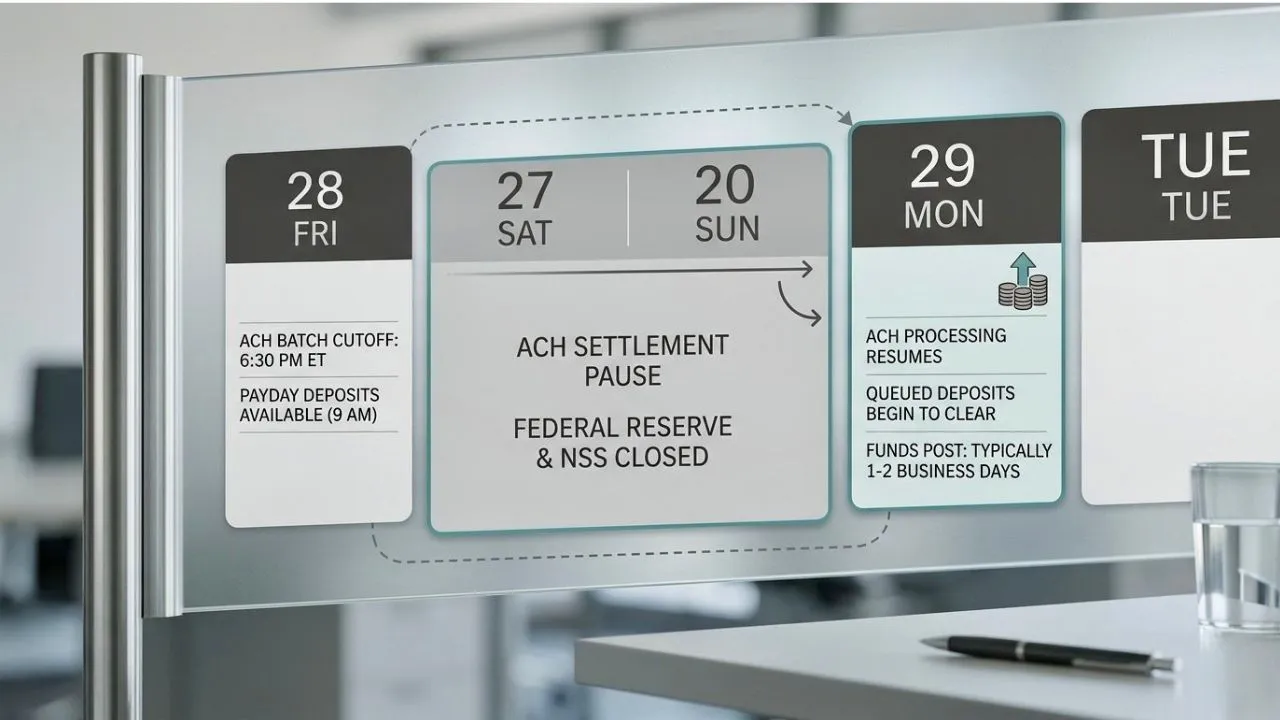
The direct deposit schedule that governs when federal benefits land in bank accounts does not flex based on unexpected household expenses. The money arrives when it arrives, in the amount calculated by the prior year’s COLA adjustment, against a cost environment the adjustment could not have anticipated.
That structural mismatch is the financial reality for approximately 22 million Social Security households this summer, and it is why the energy cost surge inside a heat dome is simultaneously a climate story, an infrastructure story, and a federal benefits story.
The Low Income Home Energy Assistance Program, known as LIHEAP and administered through the Department of Health and Human Services, provides a partial buffer for qualifying households, but program funding is distributed in advance of the summer billing cycle, and the application window in most states has already closed for the current fiscal year.
Households that did not apply in the spring enrollment period are not eligible for crisis assistance in most states until the next funding allocation, which typically opens in the fall.
The heat dome will lift eventually. The bills it is generating will not disappear when it does. They will flow through rate adjustment clauses, deferred cost recovery mechanisms, and infrastructure carrying costs across a recovery timeline measured in months.
Readers who understand this cycle are positioned to anticipate the secondary bill impact rather than be surprised by it in the fall. That is the distinction between following weather news and understanding the financial infrastructure behind it. The summer energy cost story will remain live well into the fourth quarter of 2026.