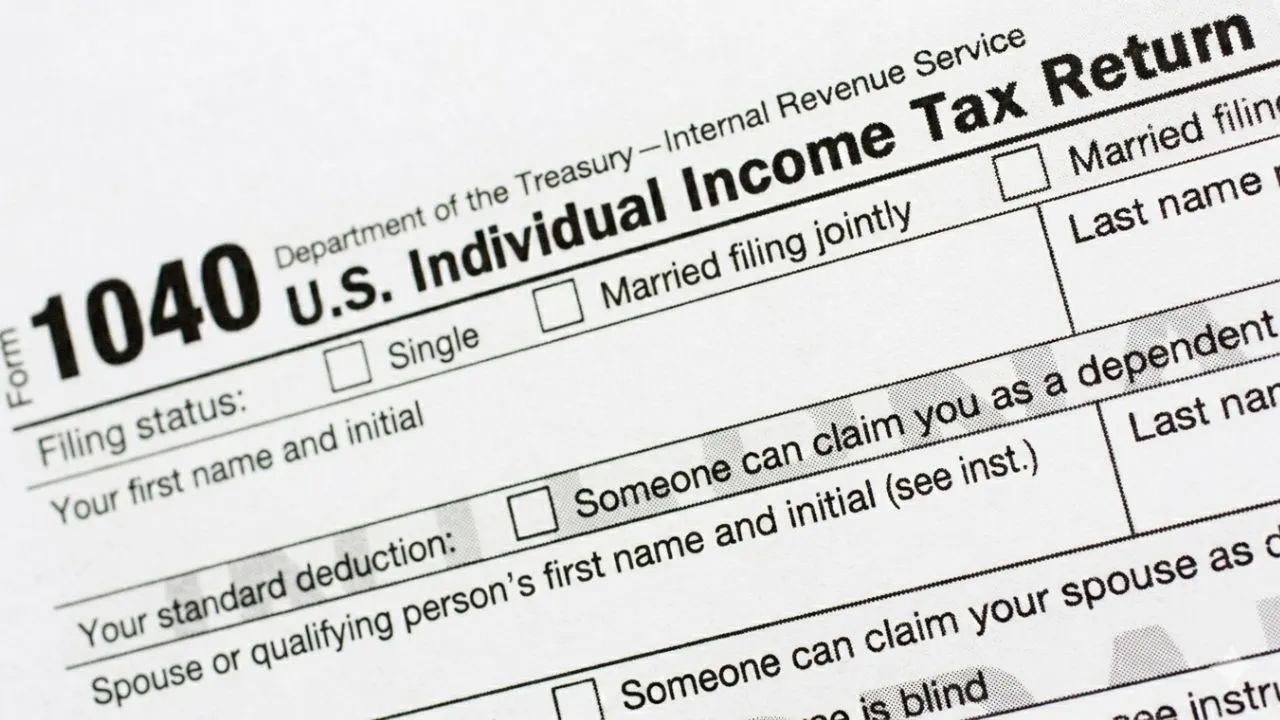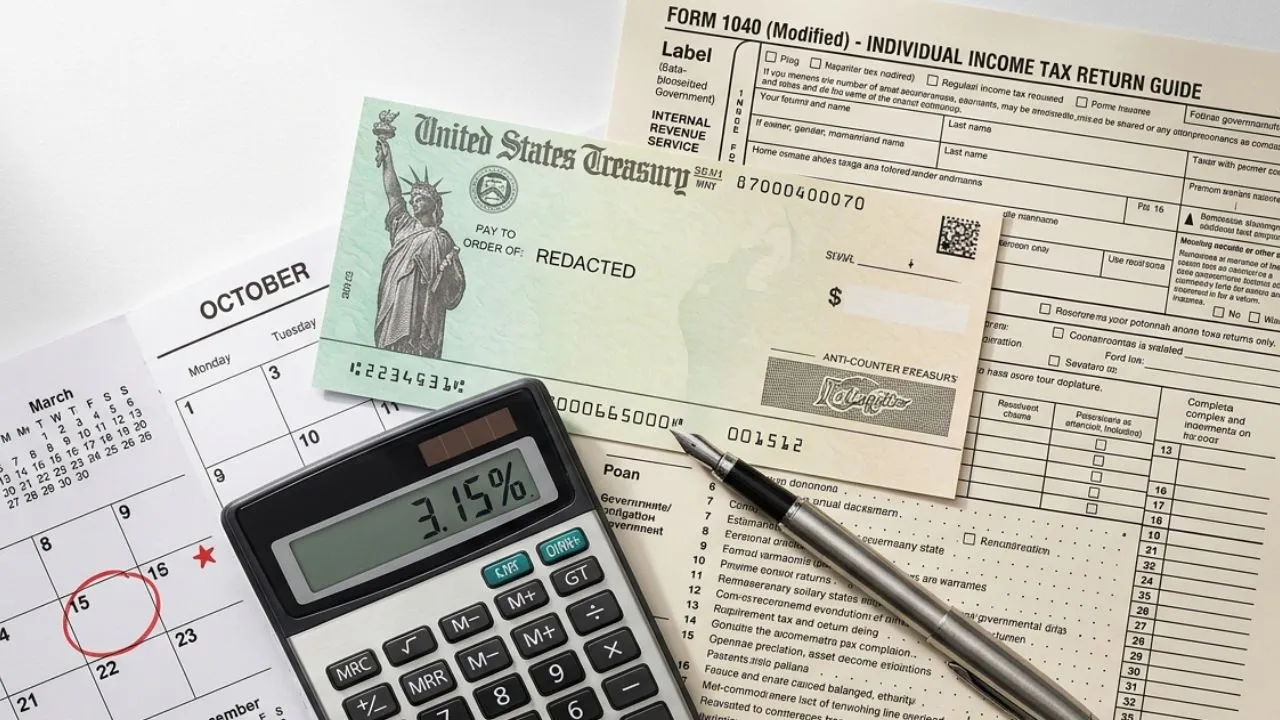
WASHINGTON — If you paid federal tax penalties or interest between January 20, 2020 and July 10, 2023, the IRS says you may have only until July 10, 2026 to protect your right to a refund.
This deadline traces back to a court decision known as Kwong v. United States, and the National Taxpayer Advocate’s own office is urging affected taxpayers to act now rather than wait for the courts to settle the underlying question.
Here’s the issue in plain terms. Under the reasoning of Kwong, certain filing and payment deadlines that fell between January 2020 and July 2023 were treated as postponed through July 10, 2023.
Because the standard rule for a refund claim is the later of three years from filing or two years from payment, that postponement ,if it holds, pushes some taxpayers’ windows out to July 10, 2026. The law remains unsettled, which is exactly why the Taxpayer Advocate is telling people not to wait for a final ruling before filing.
This matters because relief is not automatic. If you think you were affected, you may need to file a refund claim, an amended return, an abatement request, or what’s called a protective claim, which preserves your right while the law is still being decided.
The IRS made this easier this month: on July 1, the agency announced a new online option for taxpayers with an IRS Online Account to file Form 843 electronically for claims involving fully paid interest and penalties, a meaningful upgrade from the old paper-only process for tracking late refund interest.
The consequence of missing the window is blunt: taxpayers who miss the deadline won’t be eligible for relief even if Kwong is ultimately upheld.
Filing by July 10 doesn’t guarantee money back, the law could still be decided against taxpayers, but not filing forecloses the possibility entirely, which is why the Taxpayer Advocate frames this as a rights issue rather than a technical formality, distinct from the ordinary process of tracking a refund status online.
If this applies to you, treat July 10 as a hard cutoff. Start by pulling your own records for any penalties or interest paid to the IRS between January 2020 and July 2023, and check whether you already have an IRS Online Account, since that’s the fastest path to filing Form 843 electronically.
If you’re unsure which type of claim applies, the Taxpayer Advocate recommends talking to a tax professional given how unsettled the law still is, and it also warns taxpayers to be wary of anyone promising a guaranteed refund or pressuring a claim they don’t understand.