
Updated: June 22, 2026 – The IRS confirmed the 2026 filing season opened January 26, 2026, processing returns for tax year 2025. The agency reports issuing more than 80% of electronic refunds within 21 days, with delayed cases concentrated in identity verification and paper check rerouting, per the IRS 2026 filing season progress report.
If the IRS Where’s My Refund tool or the IRS2Go app has stopped updating and days or weeks have passed without a status change, your return has left the automated processing stream. This happens for specific, documentable reasons and most of them have a defined resolution pathway.
The Internal Revenue Service opened the 2026 tax filing season on January 26, 2026, accepting returns for tax year 2025. For the majority of filers, IRS refund not updating is not a sign of a problem. It is a sign that your return has entered a secondary processing queue with a longer timeline. The difference between a 21-day refund and a 10-week refund is almost always determined by which queue your return entered and why.
The IRS refund processing pipeline operates as a sequential system. Automated processing handles the large majority of returns without human review. The tracker freezes when your return exits that automated stream.
The CP53E Notice Is the Primary Culprit in 2026
The most significant cause of a frozen IRS refund tracker in 2026 is a CP53E notice. The Internal Revenue Service issues this notice when a direct deposit refund has been rejected by a financial institution. Rejection occurs most often because of a name mismatch between the tax return and the bank account, an incorrect routing number, or a closed account at the destination bank.
When the CP53E triggers, the IRS cannot reissue the refund electronically without updated account information from the taxpayer. The tracker stops updating because the agency is waiting for you to respond, not because your return is under audit or facing a penalty. The CP53E notice guide at Investozora documents exactly what information the IRS requires and where to submit it.

The practical consequence is a processing pause of 6 to 10 weeks from the date the notice was issued. If you have not received a CP53E notice by mail but the tracker has been frozen for more than four weeks, check the mailing address on file with the IRS. A CP53E mailed to an outdated address will never arrive, and the clock on the resolution window keeps running.
Executive Order 14247 Is Creating a Structural Backlog
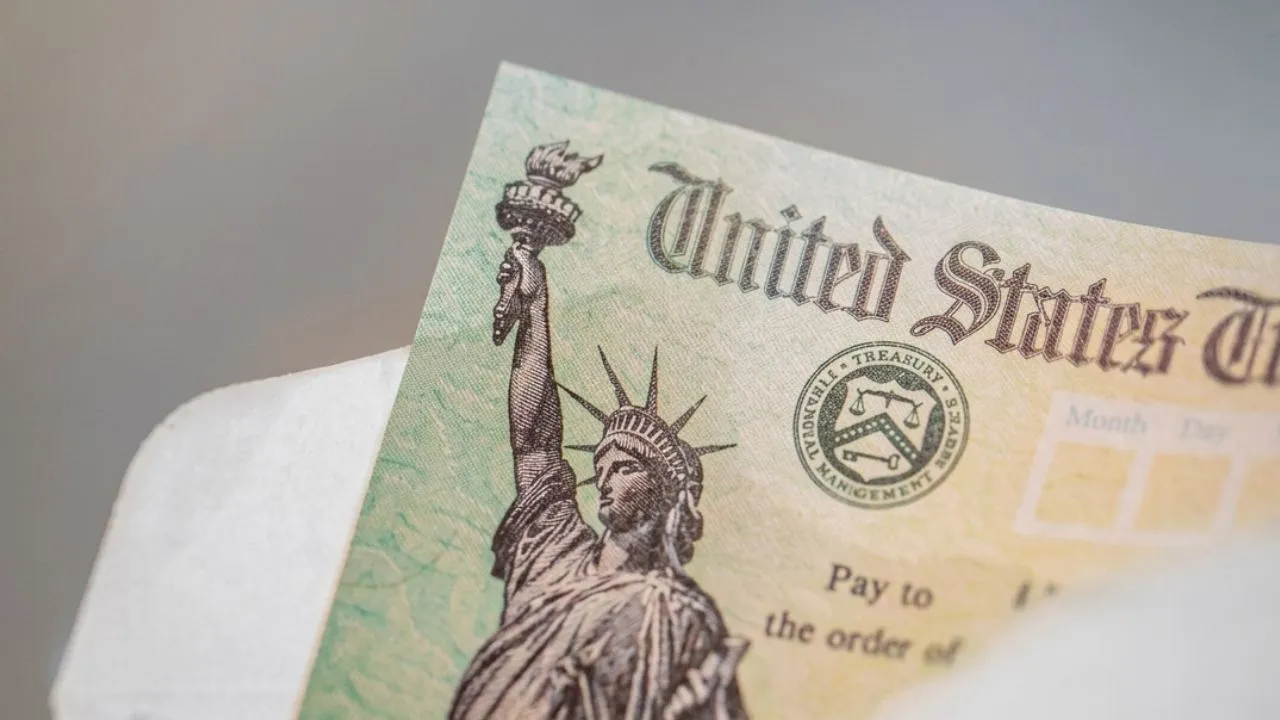
Under Executive Order 14247, the IRS has significantly reduced paper check issuance for tax refunds as part of a broader federal transition to electronic payment delivery. For filers who are unbanked, who have closed the bank account listed on their return, or who have filed a form requesting a paper check, this policy shift has created a defined structural delay.
The paper check phase-out mechanics affect a specific category of taxpayer: those for whom electronic delivery has failed and who would previously have received an automatic paper check reissuance. Under the post-EO 14247 processing rules, these cases route to a manual review queue for identity verification and alternative payment method confirmation before any refund can be released.
This is why some taxpayers whose refunds were approved weeks ago are still waiting. The approval occurred inside the automated system. The delivery mechanism has stalled outside it. The tracker does not distinguish between these two states with useful clarity. It shows a status that appears unchanged when the underlying situation has changed considerably.
For readers who want to understand how this connects to the broader US money movement system, the federal payment infrastructure was not built to handle individualized payment method exceptions at scale. The transition away from paper checks is the right long-term direction. The short-term friction is real, and it is disproportionately felt by the most financially vulnerable filers.
Math Errors and Manual Review Add 6 or More Weeks
A third category of IRS refund not updating involves math discrepancies, incomplete signatures, or wage figures that do not match W-2 data reported by employers. These errors are caught during automated processing and route the return to a manual correction queue.
The IRS does not require a taxpayer to do anything in most math-error cases. The agency corrects the discrepancy, adjusts the refund amount, and mails a notification. But the manual review itself adds a minimum of six weeks to the processing timeline, and the tracker will not reflect meaningful progress during that period.
The IRS Individual Master File processing cycles govern when these corrected returns re-enter the payment queue. Updates post to the tracker on Tuesday and Wednesday mornings for most filers. If your tracker has not changed by Wednesday morning after a six-week wait, the next step is to call the IRS Taxpayer Assistance line directly and request a case status update with your Social Security number, filing status, and exact refund amount ready.
The official IRS refund status portal remains the authoritative tool for checking current status. The tracker updates once per day for most account types. Checking more frequently than once per day does not produce additional information.
The IRS refund delay documentation covering May and June 2026 cases confirms that all three delay categories described above are active and that resolution timelines are running at the longer end of the documented ranges due to increased manual review volume.
What You Should Do Now
- Check your mail immediately for a CP53E notice. If received, follow the instructions on the notice to resubmit your direct deposit information. Do not call the general IRS line for CP53E resolution; use the specific portal or mailing address listed on the notice itself.
- Log in to your IRS online account and verify the bank account information associated with your refund. If the account has been closed, update it immediately before your case enters a longer manual correction queue.
- If your refund tracker has not updated in more than six weeks and you have received no notice by mail, call the IRS Taxpayer Assistance Center at 1-800-829-1040 on a Tuesday or Wednesday morning when call volumes are typically lower. Have your Social Security number, filing status, and exact refund amount available.
- Track your status using the IRS refunds gateway directly. Check once each morning, since updates generally post overnight. Avoid relying on third-party tracker tools because they do not have access to real-time IRS system data.
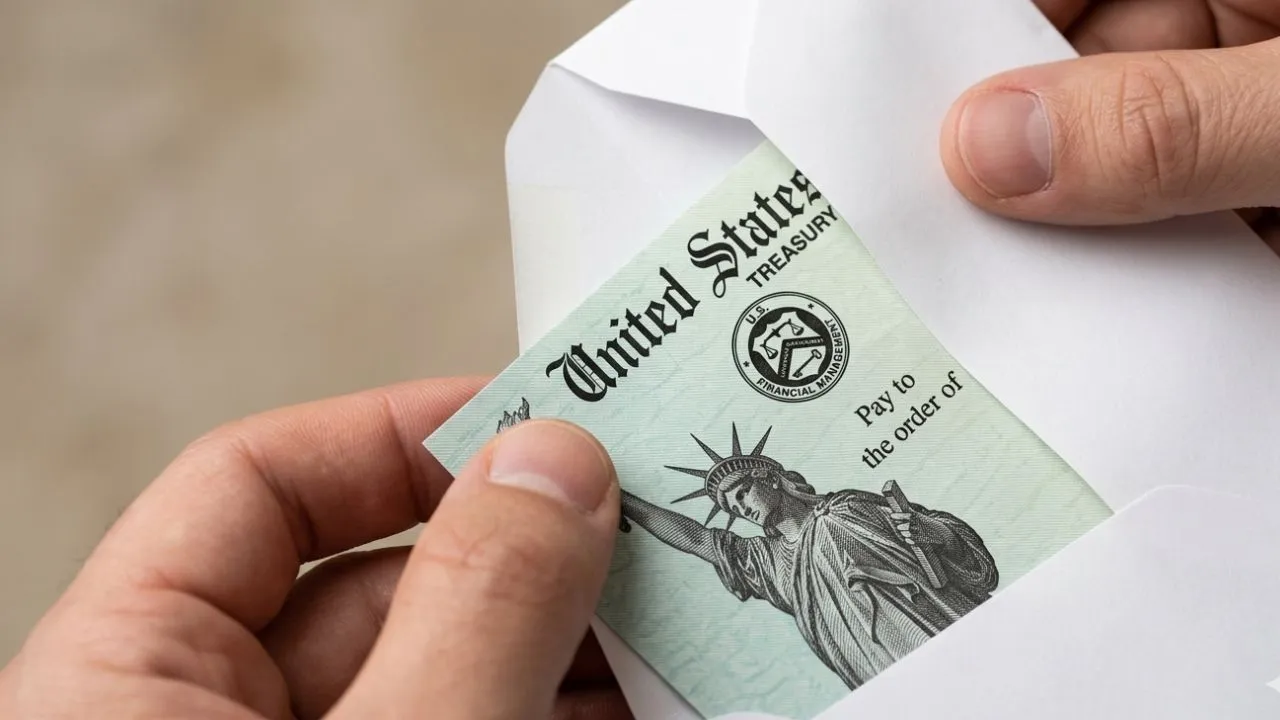
- If you believe a paper refund check is in transit, verify that the mailing address on your most recent tax return matches your current address. If it does not, file Form 8822 immediately to update your address with the IRS.
IRS refund not updating is a solvable problem in every case documented above. The system is not broken. It has routed your return into a specific queue for a specific reason. Knowing which queue and why is the only information you need to resolve it.