

The Social Security Administration confirms that SSI and SSA benefit payments scheduled for weekends or federal holidays in June 2026 are released on the preceding business day, as documented at SSA’s official payment calendar.
The most common question among Chime account holders this week is not whether a deposit is coming. It is why the balance still shows pending when the money is technically already there.
Chime direct deposit does not follow the standard banking hold schedule. When the Automated Clearing House network delivers a payroll notification to Chime’s partner banks, The Bancorp Bank, N.A. or Stride Bank, N.A., Chime credits the account immediately at the pended state rather than waiting for the standard ACH settlement to finalize.
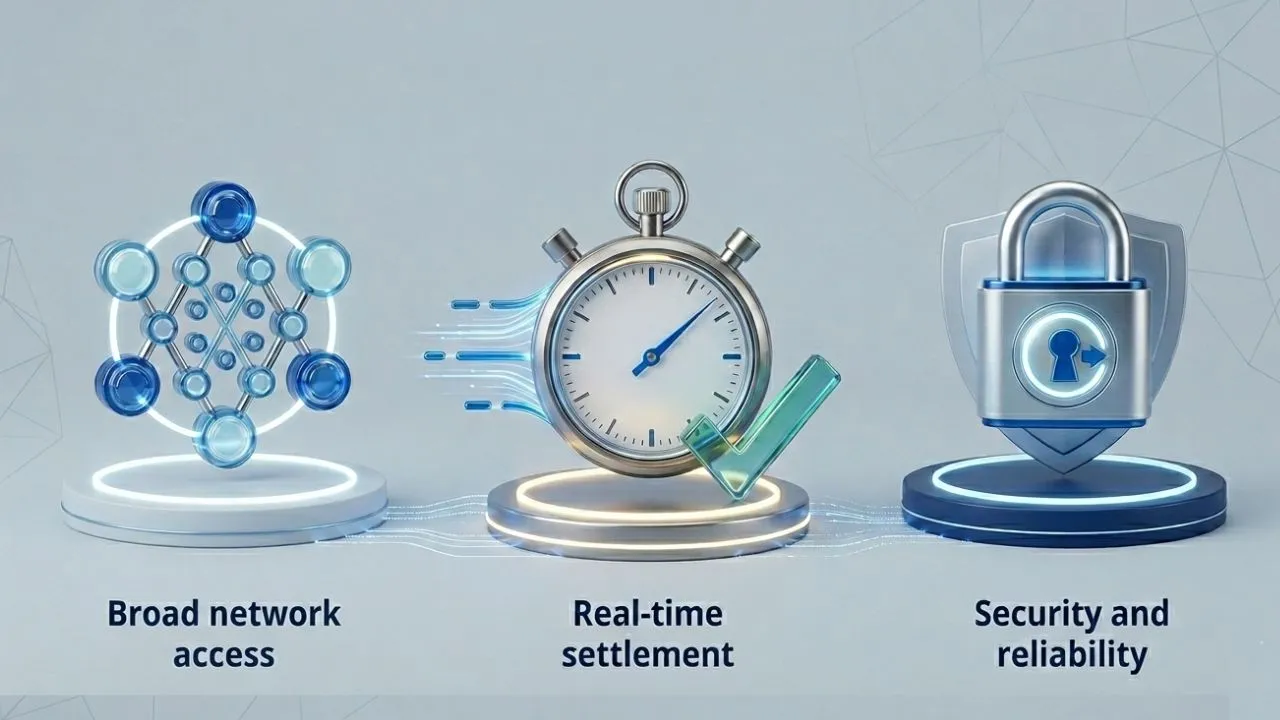
This is the operational mechanism behind the up-to-two-days-early pay feature. The employer has already transmitted the payroll file. The money exists in the system. Chime simply does not hold it. Understanding the ACH payment network architecture is the fastest way to understand why your balance moves when it does.
The Exact Posting Windows
Chime direct deposit clears during two distinct windows on business days Monday through Friday. The first window opens between 6:00 AM and 9:00 AM Eastern Time. The second window runs from 4:00 PM to 6:00 PM Eastern Time.
Which window your deposit falls into depends entirely on when your employer’s payroll manager submitted the ACH batch to their bank, and which Federal Reserve processing cycle that batch entered.
The phrase “Chime shows pending” describes a specific technical state. Your funds are sitting between the Federal Reserve’s settlement network and Chime’s banking partners. Chime has received the notification and credited your balance. The underlying settlement has not yet finalized. For practical purposes, funds showing as pending in a Chime account are accessible. The pending label is a systems label, not a hold.
For government benefit recipients specifically, the timing of government deposits follows a separate rule. If your SSI, SSA, or VA benefit date falls on a Saturday, Sunday, or a federal holiday, the payment clears on the last business day of the preceding week. This is not a bank delay. It is the federal calendar rule built into the US money movement system, and Chime applies it exactly as the government instructs.
Why Two Days Early Is Real
The early access feature is a direct product of how Chime structured its relationship with the ACH network. Most banks receive the payroll notification, match it against the scheduled settlement date, and hold the funds until that date arrives. Chime treats the notification itself as authorization to release funds. This is operationally permitted under NACHA rules and carries no penalty for the account holder.
Chime’s own documentation confirms the benefit timing mechanics for government recipients, as detailed in Chime’s government benefits timing guide. For Social Security recipients, this means a payment scheduled for the first of July, which falls on a Wednesday, processes on the morning of July 1 under normal conditions. A payment scheduled for a Saturday posts on Friday.
The federal deposit timing rules that govern this system are not Chime-specific. They reflect how the Federal Reserve’s Fedwire and FedACH settlement infrastructure releases funds to all financial institutions participating in the network.
What Still Causes a Delay in 2026
Chime does not delay deposits. But three conditions outside Chime’s control do.
The first is an employer payroll file submitted late. If your company’s payroll processor submitted the ACH file after the last same-day settlement window closed, the deposit enters the next-day cycle. This is the most common cause of a deposit arriving later than expected.
The second is a federal holiday. The ACH network does not run on federal holidays. A payroll batch submitted the day before a holiday enters a delayed settlement queue. The deposit posts on the next business day after the holiday.
The third is a name or account number mismatch at the receiving bank. If your employer’s payroll file contains an error in your account information, the ACH network rejects the transaction and routes it back to the originating payroll processor for correction. Chime cannot post a deposit it did not receive.
If your Chime direct deposit has not appeared by 9:00 AM Eastern on your expected pay date, the most efficient first step is to contact your employer’s payroll department and confirm the ACH origination date, the routing number used, and the account number on file. Chime’s support team can confirm receipt of an ACH notification but cannot create one that was not sent.
For readers tracking the broader relationship between deposit timing and Federal Reserve decisions, the settlement window structure is a function of ACH infrastructure, not monetary policy. Rate decisions affect savings yields and borrowing costs. They do not change when your payroll posts.
What You Should Do Now
- Check your Chime balance before 9:00 AM Eastern on your expected pay date. If the deposit shows as pending, your funds have already been credited and are generally available to use.
- If no pending balance appears by 9:00 AM, contact your employer’s payroll department and verify both the ACH origination date and the account information on file.
- If you receive Social Security, SSI, or VA benefits, verify your payment date using the official SSA payment calendar to determine whether a weekend or federal holiday adjustment applies this month.
- If your Chime direct deposit has not arrived by the end of business on your expected pay date, request a trace number from your employer’s payroll processor. This tracking number allows Chime support to locate the transaction within the ACH network and identify potential delays.
Chime direct deposit operates on a defined, predictable schedule. The system is not arbitrary. Knowing the exact posting windows and the three conditions that can delay them puts you in control of your own financial calendar.