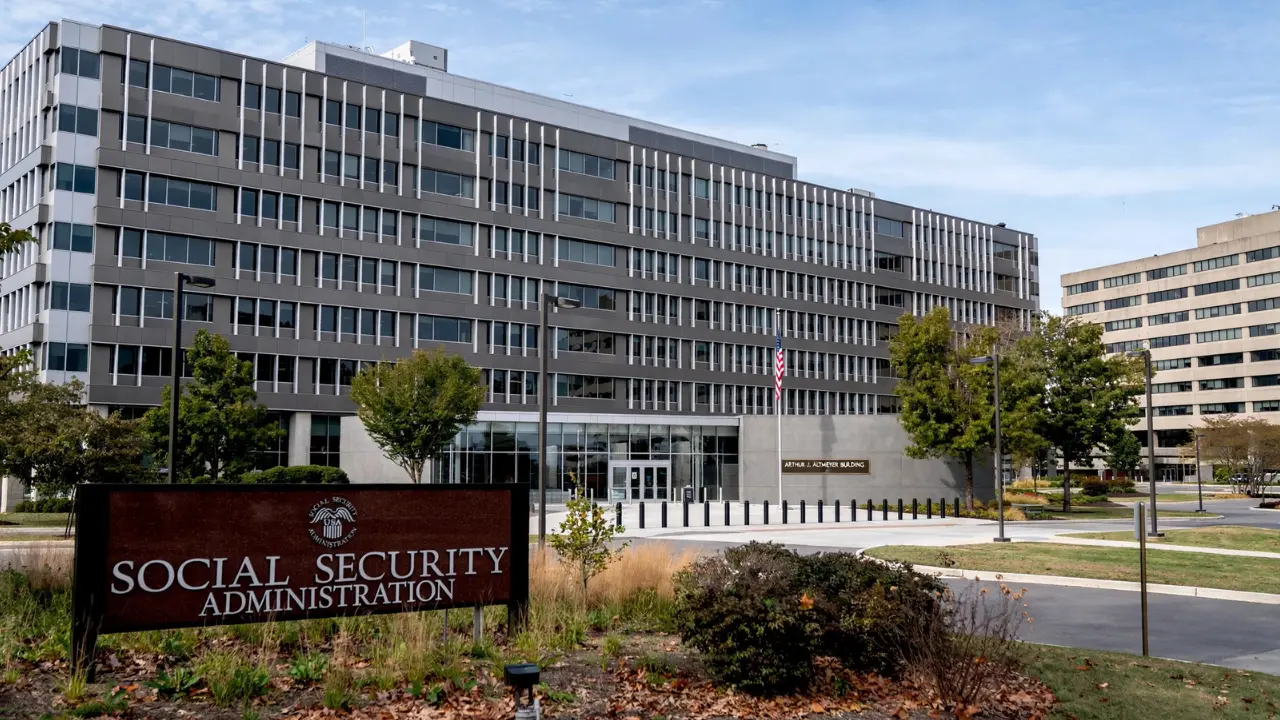


The Social Security Administration’s 2026 payment calendar confirms that Supplemental Security Income recipients will receive two deposits this month: the regular July payment and the August payment, paid early on Friday, July 31, because August 1 falls on a Saturday.
Millions of people who receive Supplemental Security Income are about to see something unusual land in their bank accounts this month: a second deposit that looks, at first glance, like a mistake or a bonus. It is neither.
This SSI double payment is the direct result of a calendar rule that has governed federal benefit delivery for decades, and understanding it now can prevent a lot of unnecessary worry over the next three weeks.
Here is the practical answer first. SSI recipients already received their regular July payment on July 1. A second SSI payment will arrive on Friday, July 31. That second deposit is not a bonus, an extra benefit, or a sign that payments have increased. It is the August SSI payment, released four days early because August 1, 2026 falls on a Saturday, and federal law does not permit benefit payments to be issued on a non-business day.
The rule behind this SSI double payment is written directly into federal law. Under Section 708 of the Social Security Act, if the day regularly scheduled for a benefit payment falls on a Saturday, Sunday, or legal public holiday, the payment must instead be issued on the last business day before that date, regardless of whether that pushes the payment into the prior month.
The Social Security Administration confirms this plainly: when a scheduled payment date falls on a weekend or holiday, benefits are paid the business day before the due date. Since SSI is paid on the first of each month by default, and the first of August 2026 is a Saturday, the payment simply moves backward on the calendar to Friday, July 31, landing inside the same calendar month as the regular July payment.
This is not a new phenomenon, and it is not unique to SSI recipients this year. It has happened before, and a look at the Social Security Administration’s own 2026 benefit calendar shows it will happen twice more before the year is out. October 2026 will see the same pattern, because November 1 falls on a Sunday, moving the November SSI payment to Friday, October 30.
December will see it again, because January 1, 2027 is a federal holiday, pushing the January payment back into the final days of December. Readers who track their own budgets around SSI should mark all three shifts now rather than being surprised by each one individually.
It’s worth being precise about who this affects. The shift applies only to Supplemental Security Income, the needs-based program for older adults, blind individuals, and people with disabilities. Standard Social Security retirement, survivor, and disability benefits are unaffected, since those payments follow a separate birth-date-based Wednesday schedule that does not fall on the first of the month at all.
Someone who receives both SSI and standard Social Security benefits will notice the SSI portion of their payments move, while their regular Social Security deposit continues on its usual second, third, or fourth Wednesday of the month.
The most common follow-up question is what happens in August itself, once the early payment has already gone out. The answer is that there is no separate SSI deposit on August 1. The payment that would normally arrive at the start of August has already been delivered on July 31, so recipients should not expect anything further from the program until the next scheduled date, September 1.
Budgeting for this gap matters as much as noticing the extra deposit did. Financial counselors and consumer advocates have repeatedly cautioned that treating the early payment as extra spending money, rather than August’s rent or grocery money arriving four weeks early, is the most common mistake people make when this shift occurs.
For anyone managing a household budget on a fixed SSI income, the safest approach is to treat the July 31 deposit exactly as August’s payment, set it aside accordingly, and continue to plan as though the next payment will not arrive until September 1.
If a payment does not appear in an account by the expected date, the Administration recommends confirming the exact scheduled date against the official 2026 payment calendar, checking with the receiving bank for processing delays, and contacting the Social Security Administration directly if the deposit still has not posted after a few business days.
This same underlying settlement mechanism, and how deposits move through the federal payment system before reaching a bank account, is explained in Investozora’s guide to Fedwire and ACH timing.
Readers curious about how this fits into the broader federal payment calendar can also see Investozora’s breakdown of the July payment dates for standard Social Security benefits, the August payment dates for the month ahead, and a plain-English explainer on how the Social Security Administration structures its monthly disbursement system.
For those who rely on Direct Express rather than a bank account, Investozora’s guide on Direct Express changes covers how the same calendar rule applies to prepaid card deposits.
Sources: Social Security Administration, Schedule of Social Security Benefit Payments 2026 (Publication No. 05-10031), accessed July 10, 2026; Social Security Administration, “When will I get my benefits if the payment date falls on a weekend or holiday?” accessed July 10, 2026; Social Security Act, Section 708 [42 U.S.C. 909].