
As of the Bureau of Labor Statistics’ most recent release, June 2026 CPI inflation fell to 3.5% year-over-year, down sharply from 4.2% in May. The federal funds rate remains at 3.50%–3.75%, and the next FOMC decision is scheduled for July 29, 2026.
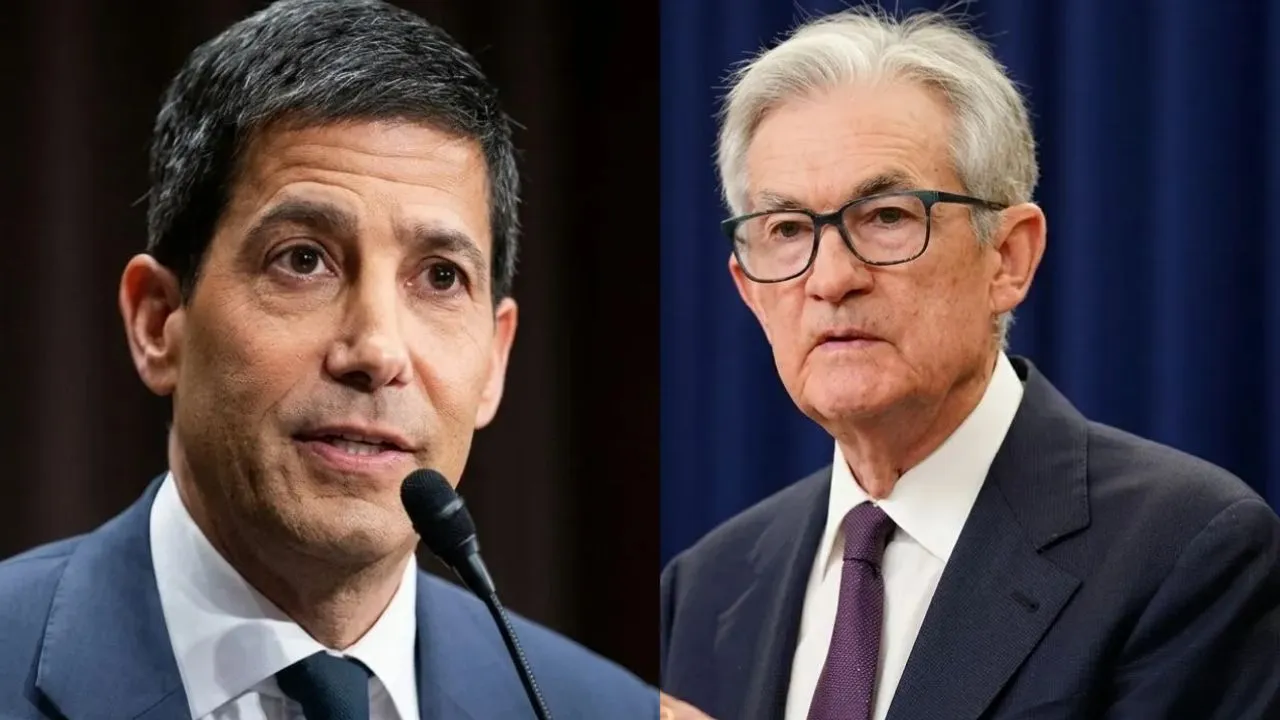
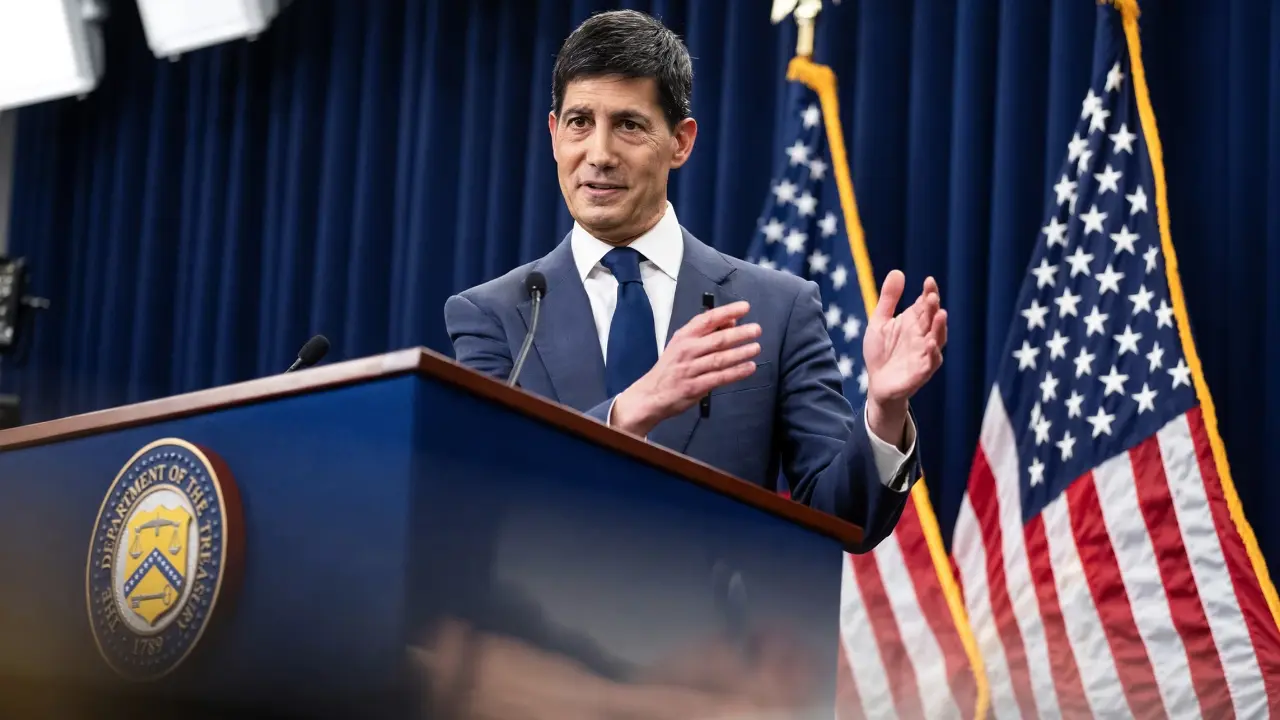
Inflation just posted its sharpest one-month decline in more than six years, and yet Federal Reserve Chair Kevin Warsh is signaling that the fight against high prices is far from over.
The Bureau of Labor Statistics reported that the Consumer Price Index fell 0.4% in June, pulling the annual inflation rate down to 3.5% from a worrisome 4.2% in May, well below the 3.8% economists had expected.
Core inflation, which strips out volatile food and energy costs, held steady at an annual rate of 2.6%, better than the 2.9% forecast. For a household watching mortgage rates, credit card APRs, or savings account yields, the obvious question is whether this good news translates into lower borrowing costs soon.
Based on Warsh’s own public comments, the answer appears to be not yet, a dynamic our companion piece on the money movement system explains in the context of how federal rate decisions ripple through everyday banking.
What the data actually shows
The decline in June’s inflation reading was driven primarily by falling energy prices and softer service costs, according to the Bureau of Labor Statistics’ own release, a detail that matters given how directly it connects to the gas price swings covered in our companion piece on the gas prices blockade outlook.
The Fed’s preferred inflation gauge, the Personal Consumption Expenditures index, had been running hotter in May, at 4.1% overall with a 3.4% core reading, reinforcing the view at the time that price pressures remained embedded in the economy.
The June CPI reading suggests some of that pressure eased, though the Fed’s own PCE data for June has not yet been published as of this writing, and readers should wait for that release rather than assume PCE moved in exact lockstep with CPI.
It is worth being precise about what one month of data can and cannot tell you. A single favorable CPI print, however large, does not by itself confirm a durable trend, and Fed officials have historically preferred to see several consecutive months of consistent data before shifting policy meaningfully. That caution appears to be shaping the current moment directly.
Why Warsh is still cautious
Kevin Warsh took over as Federal Reserve Chair in May 2026 and has moved to distinguish his approach from his predecessor’s in several concrete ways, most notably by scaling back the kind of forward guidance that once accompanied FOMC statements.
Despite the encouraging June inflation print, Warsh’s public tone has remained guarded, reflecting an overall economy still absorbing the effects of the Iran conflict and the Hormuz closure inflation shock that pushed energy costs sharply higher earlier this year.
Fed officials in their most recent projections indicated they still expect one rate cut in 2026, a projection unchanged from December, while simultaneously raising their inflation forecast for the year to 2.7% from an earlier 2.4% estimate, reflecting how unresolved the energy-price question remains for policymakers weighing the path ahead.
Market participants have noticed the shift in tone. As of July 13, roughly 36% of market participants were pricing in a rate hike at the Fed’s next meeting, according to the CME FedWatch Tool, up sharply from just 18% on July 2.
That increase happened despite, not because of, the favorable June inflation data, underscoring how much weight traders are placing on Warsh’s cautious public language over the raw numbers themselves.
Readers tracking how a potential rate change would affect specific consumer costs may find our explainer on the fed rate hike and credit card APR relationship useful context here.
What the Fed actually controls
It helps to separate what the Federal Reserve directly controls from what it merely reacts to. The FOMC sets the federal funds rate, currently held at 3.50% to 3.75% since December 2025, which serves as the benchmark that ripples out to everything from mortgage rates to savings account yields, a mechanism our prime rate Federal Reserve explainer covers in detail.
The Fed does not directly set gas prices, grocery prices, or mortgage rates, but its rate decisions influence the borrowing costs banks pass on to consumers. Given that framework, this month’s inflation improvement is meaningful precisely because it changes the inputs the Fed is weighing, even if it has not yet changed the output, the rate itself.
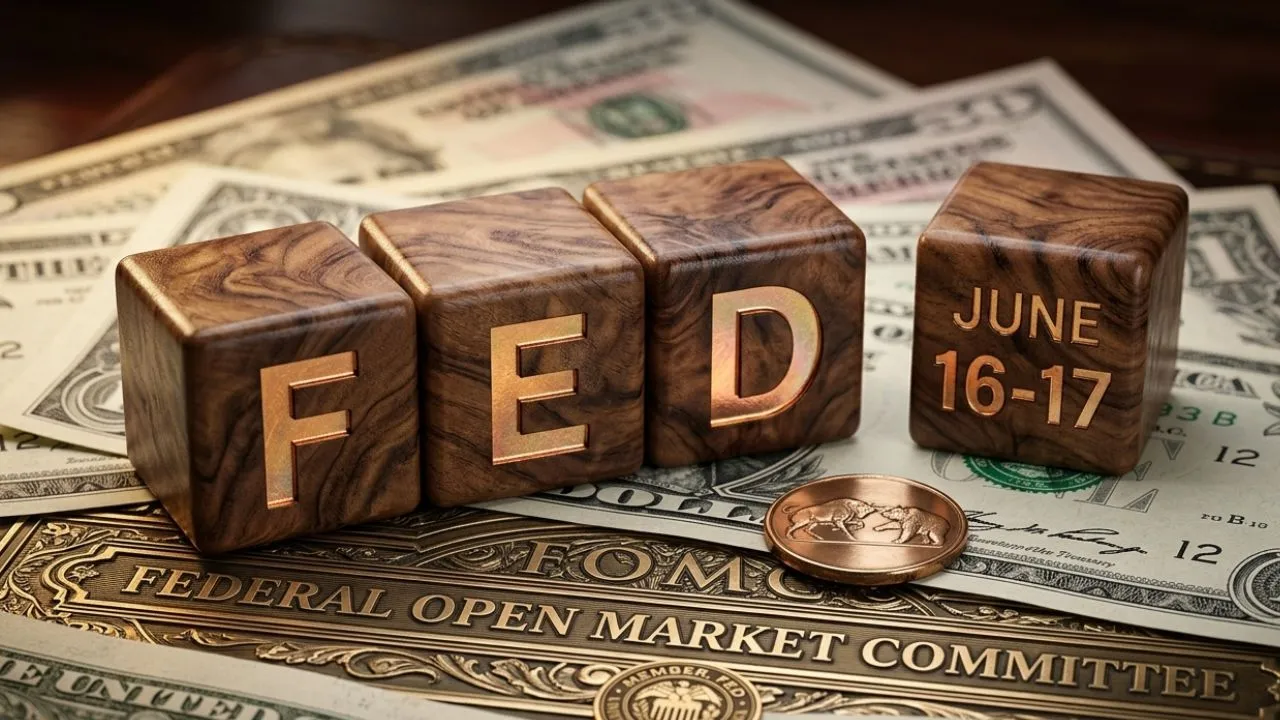
The Fed’s next scheduled decision arrives July 29, 2026, following a two-day meeting beginning July 28. The Committee will also release fresh economic projections at that meeting, including an updated dot plot showing individual members’ rate expectations, since July’s meeting falls in the quarterly cycle that includes the Summary of Economic Projections.
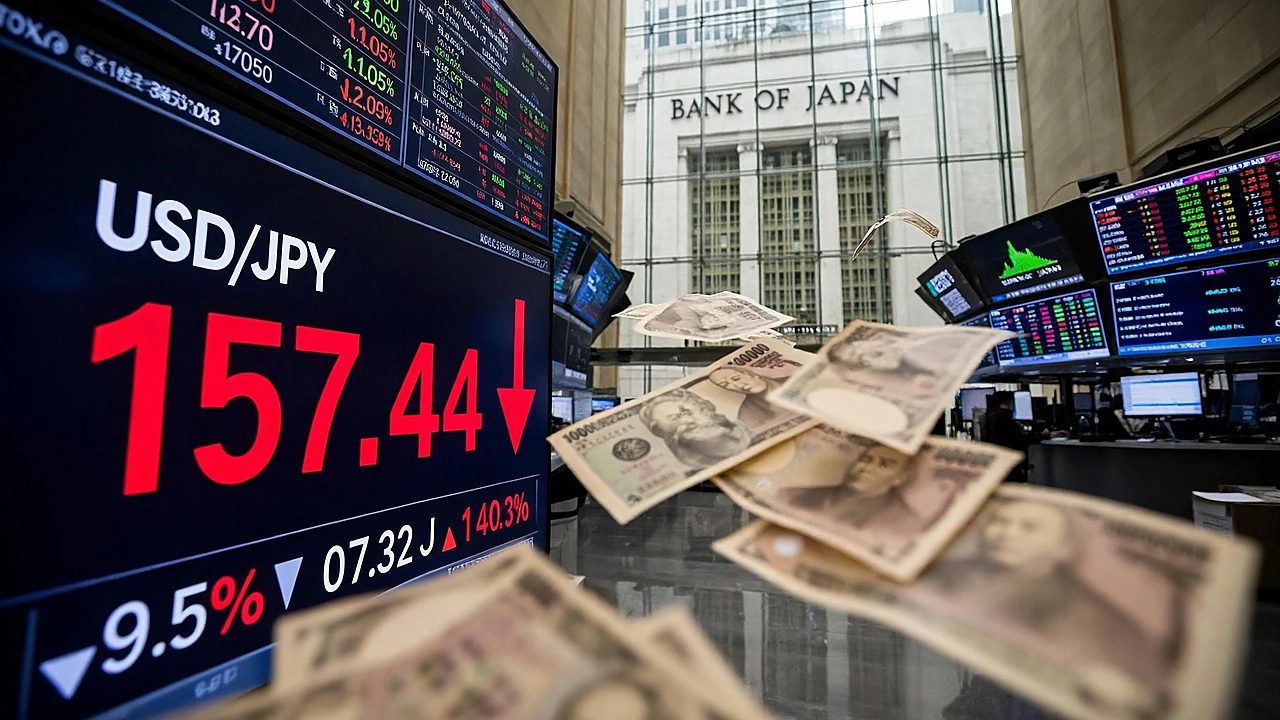
Whether the committee moves the rate at all will depend on data released between now and then, including any updated PCE reading and the ongoing trajectory of energy costs tied to the Strait of Hormuz situation described in our Treasury coverage.
What history suggests
Comparing this year’s inflation path to recent history offers useful context. The Fed held rates steady through the first half of 2026, maintaining the 3.50%–3.75% range across multiple consecutive meetings even as inflation readings bounced between 3.5% and 4.2%, a wider swing than the Fed typically tolerates without at least discussing a policy shift publicly.
The current range has now held since December 2025, following a string of quarter-point cuts through the latter half of 2025. Whether July’s meeting extends that pause, or breaks it in either direction, remains genuinely uncertain based on the data available as of this writing, and this article does not predict which outcome the Committee will choose.
Readers who want the complete mechanics behind a single Fed meeting, from the vote count to the consumer impact, can review our full rate decision explained guide, which breaks down how a hold or hike moves through mortgages, savings, and credit cards after each announcement.
That resource is built to stay accurate across meetings, not just this one, since the transmission mechanics described there don’t change even when the vote does. It’s a useful companion to the inflation-specific analysis in this piece.
What you should do now
Borrowers with adjustable-rate loans or credit card balances tied to the prime rate should not assume a rate cut is imminent simply because inflation improved in June, since Warsh’s own public comments suggest the Fed wants more sustained evidence before shifting policy.
Savers holding money market funds or high-yield savings accounts benefiting from the current elevated rate environment should likewise not expect an immediate change following the July 29 decision, though it is worth monitoring the Fed’s post-meeting statement and press conference directly rather than relying on secondhand market speculation.
Readers can track the official outcome through the Federal Reserve’s own published statement, released at 2:00 p.m. Eastern on July 29, followed by Chair Warsh’s press conference at 2:30 p.m. For context on how a hold versus a hike would flow through to specific account types, our explainer on savings account rates after Fed decisions offers a practical next step.
Methodology: This article combines publicly available data from the Bureau of Labor Statistics’ Consumer Price Index release, the Federal Reserve’s most recent Summary of Economic Projections, on-the-record testimony and public remarks from Fed Chair Kevin Warsh, and the CME FedWatch Tool’s market-implied probability data. Inflation figures and rate projections were independently reviewed from the primary sources.