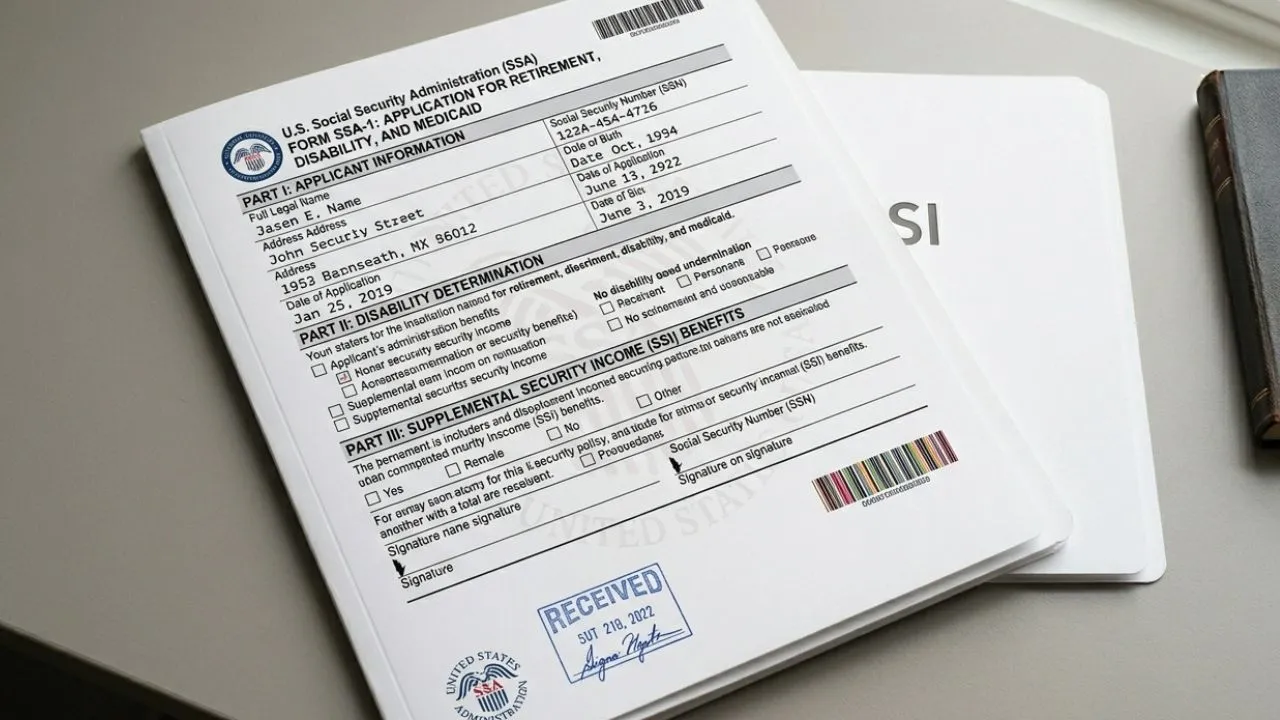


If you receive Social Security Disability Insurance, the Social Security Administration may periodically review your medical condition to decide whether you still meet its disability rules. This is called a Continuing Disability Review, or CDR. A review does not mean your SSDI benefits will automatically stop.
SSA generally looks at whether your medical condition has improved and whether any improvement affects your ability to work. Understanding the process before a review starts can make it much easier to respond accurately, gather your medical records, and avoid missed requests or deadlines.
What Is CDR?
A Continuing Disability Review is SSA’s process for checking whether a person receiving disability benefits continues to meet the medical requirements for those benefits.
Federal rules require periodic reviews of disability cases. SSA explains on its review page that it may ask you to complete a report about your health, treatment, and daily life when your case comes up for review.
This is different from applying for disability benefits for the first time. During an initial SSDI claim, SSA decides whether you meet its disability standard. During a CDR, it generally compares your present condition with the medical condition documented when SSA most recently found that you were disabled.
Readers who are still at the application stage can see our SSDI application guide for the initial claims process. Investozora also explains the basic SSDI eligibility rules for people trying to understand how SSDI and SSI differ.
Review Timing Rules
How often SSA reviews your case depends largely on whether it expects your medical condition to improve. SSA says its normal review schedule is:
- Medical improvement expected: usually within 6 to 18 months.
- Medical improvement possible: usually about every 3 years.
- Medical improvement not expected: usually about every 5 to 7 years.
SSA’s regulations provide the underlying review schedule, while its current disability guidance explains the same general timing in simpler terms.
The date is not necessarily exact. Agency workload and individual case circumstances can affect when a review actually begins. Your original disability award notice may also tell you when SSA expects to review your medical condition.
SSA can conduct a review outside the normal schedule in certain circumstances. The regulations identify situations that can raise a question about continuing disability, including reports of medical improvement and some changes involving work activity.
What SSA Reviews
The central question in an adult SSDI medical review is not simply whether you feel somewhat better than before. SSA generally considers whether there has been medical improvement in the condition that supported the earlier disability decision and, when improvement occurred, whether that improvement is related to your ability to work.
Under the federal disability standard, medical improvement means a decrease in the medical severity of the impairment that existed at the time of the most recent favorable disability decision. SSA looks for changes in symptoms, medical signs, or laboratory findings.
The distinction matters. A person’s test results or symptoms could improve without producing enough functional improvement to return to substantial work. The federal rules specifically recognize that medical improvement may occur without being related to a person’s ability to work.
SSA therefore looks at both medical evidence and function. Depending on the case, that may include your ability to:
- walk or stand;
- sit for extended periods;
- lift or carry things;
- use your hands;
- concentrate or remember;
- follow instructions;
- interact with other people;
- adapt to changes;
- complete tasks reliably.
The agency generally compares your present medical condition with the condition documented at what it calls the most recent favorable medical decision.
CDR Forms Used
Not every Continuing Disability Review begins with the same form. SSA uses the Disability Update Report, Form SSA-455, in some cases. It is a shorter questionnaire used to collect updated information about a person’s medical condition and treatment. SSA says the form is part of its CDR process.
The SSA-455 asks about matters such as whether your health has become better, stayed the same, or worsened, along with recent medical treatment, hospital stays, surgery, work training, and whether a doctor has discussed returning to work.
A more detailed review generally uses Form SSA-454-BK, the Continuing Disability Review Report. The CDR report asks for much more information about your medical conditions, treatment sources, medications, testing, activities, work, and other matters SSA needs to evaluate continuing disability.
SSA also allows eligible adults to complete the SSA-454 through its online disability review process. After the report is submitted, SSA may send the case to the state Disability Determination Services agency. An examiner may request more information or arrange a medical examination if additional evidence is needed.
How To Prepare
The best preparation is accurate, organized information about what has happened since SSA’s last disability decision. Start by making a simple list of your current medical treatment. Include doctors, specialists, clinics, hospitals, therapy providers, tests, emergency visits, surgeries, and other treatment connected to your disabling conditions.
For each provider, keep basic details such as:
- provider or clinic name;
- address and phone number;
- approximate treatment dates;
- reason for treatment;
- important tests or procedures;
- medications prescribed.
Do not try to make your condition sound better or worse than it is. Answer the questions accurately and consistently. Your medical records are important, but your functional limitations matter too. Think about how your conditions affect ordinary activities and work-related tasks now compared with the period when SSA last determined that you were disabled.
For example, a person with chronic back problems may still have difficulty standing, sitting, bending, lifting, or maintaining a full work schedule even if one symptom has improved.
A person with a mental health condition may need to explain continuing problems with concentration, memory, stress, social interaction, attendance, or completing tasks. Specific information is usually clearer than broad statements such as “I still cannot work.”
Keep Treatment Records
Ongoing medical treatment can provide SSA with current evidence about the severity and effects of your condition. Keep track of appointments, medication changes, testing, therapy, hospital care, and recommendations from your medical providers. If your treatment has changed or stopped, be prepared to explain the reason accurately when the form asks for relevant information.
SSA may contact your medical providers or request additional evidence during a full review. It may also arrange a consultative medical examination when it needs information that is not available from existing records. If you receive a request from SSA or Disability Determination Services, read it carefully and respond within the requested period.
Failure to cooperate without good cause can itself create serious problems. Federal rules allow disability to end in certain circumstances when a beneficiary does not provide requested evidence or fails to attend a required examination without good cause.
Working During CDR
Working does not automatically mean that your medical disability has ended, and SSDI has specific work-incentive rules. However, people receiving disability benefits must report work activity to SSA.
SSA’s work rules include a trial work period and other protections that can allow certain SSDI beneficiaries to test their ability to work while remaining eligible under specific conditions. The amounts used in these rules can change each year, so beneficiaries should use the current SSA figures rather than relying on an old article or earnings limit.
Work activity and medical CDR rules also interact in ways that can become technical. Federal regulations contain special protections concerning CDRs based on work activity for certain Title II disability beneficiaries who have received disability benefits for at least 24 months. Those protections do not prevent SSA from starting a review for another valid reason, such as a scheduled medical review.
Report work honestly and keep records of earnings, hours, job duties, accommodations, unsuccessful work attempts, and changes in your ability to continue working.
If Benefits Continue
If SSA determines that you continue to meet its disability requirements, it will notify you and your SSDI benefits generally continue. Another review may be scheduled for the future based on the likelihood of medical improvement.
A condition that has worsened or become less likely to improve may also result in a different future review schedule because SSA can change the medical review classification when new evidence supports doing so. That is one reason the timing between CDRs can differ greatly from one beneficiary to another.
If Benefits Stop
If SSA decides after a medical review that you are no longer disabled, it will send a written notice explaining the decision and your appeal rights. A medical cessation decision can be appealed.
SSA says a person challenging a disability cessation generally uses a Request for Reconsideration – Disability Cessation Right to Appear, Form SSA-789. The normal deadline to appeal an SSA determination is generally 60 days after receiving the notice, subject to SSA’s rules concerning receipt and good cause for a late request.
There is a much shorter deadline if you want disability payments to continue while the medical cessation is being appealed. Under the federal continuation rule, an SSDI beneficiary generally must request reconsideration and elect continued benefits no later than 10 days after receiving the cessation notice to receive continued payments while the initial appeal is pending.
Because these deadlines can affect ongoing income and Medicare coverage, read the cessation notice immediately rather than waiting until the general appeal deadline approaches.
CDR Preparation Checklist
Before submitting a Continuing Disability Review, check that you have:
- read the entire SSA notice;
- confirmed which form SSA wants;
- listed all current medical conditions;
- listed recent doctors and treatment facilities;
- included hospital and surgery information;
- reviewed medication changes;
- documented recent testing and therapy;
- described current functional limitations accurately;
- reported work activity correctly;
- kept a copy of what you submitted;
- responded to any follow-up request from SSA.
Do not leave out a medical condition simply because it was not the main condition in your original disability claim. A full review may consider your current impairments when SSA evaluates whether you remain disabled under its rules.
For a broader look at disability programs and qualification rules, see our disability eligibility guide. Readers researching the claims process itself can also review our disability claims guide.
Can SSDI stop after a CDR?
Yes, but a CDR does not automatically end SSDI. SSA generally must apply its continuing-disability rules and determine whether the evidence supports ending disability status.
For adult SSDI cases, medical improvement and its relationship to the ability to work are central parts of that process, subject to specific exceptions in federal law. If SSA decides your disability has ended, it must send you a notice explaining the decision and appeal rights.
How often are CDRs?
The schedule depends on the likelihood that your condition will improve. SSA generally reviews cases classified as medical improvement expected within 6 to 18 months, medical improvement possible about every three years, and medical improvement not expected about every five to seven years.
Your actual review may occur later or under different circumstances depending on the case. Your award notice may state when SSA expects the first medical review.
What triggers CDR?
Many CDRs happen because a scheduled medical review date arrives. SSA regulations also allow reviews when other circumstances raise a question about whether disability continues, including certain reports about medical improvement or work.
Receiving a CDR letter does not itself mean SSA believes you are no longer disabled. It means SSA is reviewing whether you continue to meet its requirements.
What records matter?
Current medical records are especially important because SSA needs evidence about the present severity of your condition. Treatment notes, testing, hospital care, surgery, medications, therapy, and information about your functional limitations may all be relevant.
SSA may obtain records from treatment sources or request a medical examination if more evidence is needed. Accurate provider names and treatment dates can therefore make the review easier to process.
Can I appeal?
Yes. If SSA determines that your disability has medically ceased, you have the right to appeal the decision. The general appeal period is usually 60 days after receiving the notice, but requesting continued disability payments requires much faster action.
For a medical cessation, an SSDI beneficiary generally must request reconsideration and continued benefits within 10 days after receiving the notice if they want payments to continue during that stage of the appeal. Read the exact SSA notice because it explains the rights and deadlines that apply to your case.
The Bottom Line
An SSDI Continuing Disability Review is a routine but important check of whether you still meet Social Security’s medical disability requirements. The strongest preparation is not trying to predict what SSA wants to hear. It is providing complete, accurate, current information about your treatment, medical condition, daily limitations, and work activity.
Keep your treatment information organized, answer every SSA request carefully, and save copies of anything you submit. If SSA decides that your disability has ended, check the notice immediately because the deadline for requesting payment continuation during an appeal is much shorter than the ordinary appeal period.
Freshness note: This guide reflects SSA rules and published procedures reviewed as of September 5, 2026. It should be reviewed again if SSA changes its Continuing Disability Review procedures, forms, medical-improvement rules, appeal procedures, or federal disability regulations.