

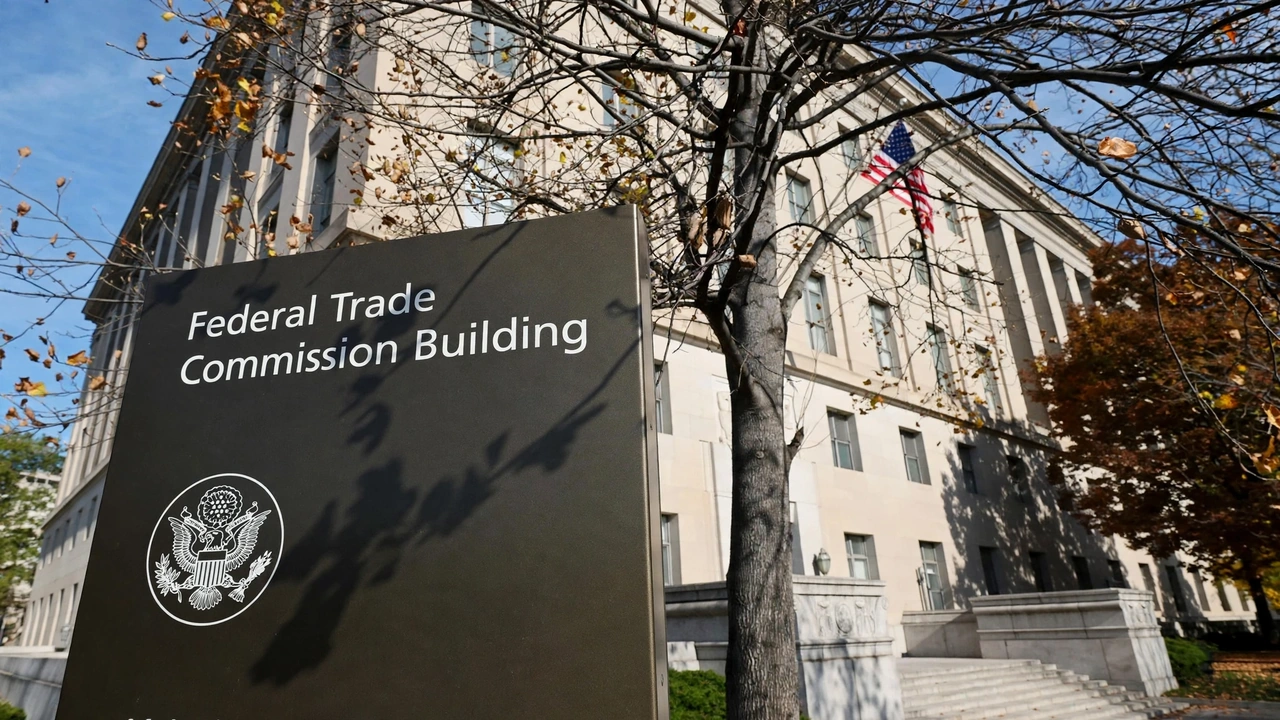
Americans aged 60 and older reported losing more than $3 billion to fraud in 2025, up from approximately $2.4 billion in 2024, as a relatively small number of six-figure losses accounted for most of the financial damage, according to a Federal Trade Commission report released Monday, October 19.
The FTC’s annual fraud report found that reports involving losses of $100,000 or more represented just 6% of older adults’ fraud reports indicating a monetary loss but accounted for 70% of their reported losses.
Investment scams remained the costliest fraud category for older consumers, with reported losses climbing 42% in 2025 to more than $1 billion. The findings point to the increasing financial damage associated with large investment frauds, impersonation schemes and scams that persuade consumers to transfer substantial savings.
Six-Figure Losses Drive Increase
The FTC’s Protecting Older Consumers 2025–2026 report showed that aggregate reported fraud losses among people aged 60 and older increased fivefold from about $600 million in 2020 to approximately $3 billion in 2025.
The number of reports involving losses above $100,000 rose from 1,136 in 2020 to 6,769 in 2025, an increase of 496%. Meanwhile, reports involving losses below $10,000 increased 53% over the same period.
That difference helps explain why reported financial losses rose substantially faster than the overall number of reports involving monetary harm. Older adults were also more than twice as likely as younger adults to report a six-figure fraud loss after adjusting for differences in population size.
Older Americans’ Fraud Losses: What the FTC Data Show
Investozora calculated the change in reported fraud losses among Americans aged 60 and older using the Federal Trade Commission’s 2025 Consumer Sentinel findings and historical comparison figures.
FTC rounded figures: approximately $600 million in 2020 and $3 billion in 2025.
Change in the number of reported individual fraud losses exceeding $100,000.
What the calculation establishes
Reported total losses rose approximately fivefold between 2020 and 2025, while reports involving losses exceeding $100,000 increased nearly sixfold. In 2025, these exceptionally large losses represented just 6% of older adults’ reports involving financial loss but accounted for 70% of their aggregate reported losses.
Methodology: Percentage change = (2025 value − 2020 value) ÷ 2020 value × 100. The dollar-loss comparison uses rounded FTC figures; the report-count calculation uses published counts. These are reported nominal losses, not inflation-adjusted estimates of all fraud. The approximately 25% increase implied by the rounded 2024 and 2025 dollar totals should not be treated as an exact annual growth rate.
The FTC identified investment fraud, romance scams and impersonation schemes involving government agencies or familiar businesses among the recurring sources of exceptionally large losses.
Older adults’ reported fraud losses
FTC figures show reported fraud losses among Americans aged 60 and older rising from about $600 million in 2020 to about $3 billion in 2025. The chart below uses rounded FTC figures in billions of U.S. dollars.
Older adults’ reported fraud losses
FTC Consumer Sentinel Network; figures rounded to billions of U.S. dollars. These are reported losses, not estimated total fraud costs.
| Year | Reported losses | Unit | Notes |
|---|---|---|---|
| 2020 | $600 million | Rounded FTC figure | Approximate total reported fraud losses among adults aged 60 and older. |
| 2024 | $2.4 billion | Rounded FTC figure | Previous comparable FTC annual report figure for older adults’ reported losses. |
| 2025 | $3.0 billion | Rounded FTC figure | Reported fraud losses among Americans aged 60 and older in the latest FTC report. |
Investment Scams Lead Losses
Investment scams produced the largest aggregate reported losses among older adults in 2025, increasing 42% from the previous year. The FTC said consumers frequently described being directed from social media to fraudulent cryptocurrency investment platforms. Government impersonation ranked second by aggregate losses, followed by business impersonation, particularly schemes posing as banks.
Those tactics overlap with broader concerns about investment fraud schemes, in which supposed investment opportunities can be used to obtain substantial sums from unsuspecting consumers.
Social media was the leading initial contact method by both total reported losses and the number of loss reports among older adults. However, scams that began with a phone call produced a higher median individual loss of $3,000, compared with $599 for fraud originating on social media.
Bank transfers accounted for the greatest aggregate reported losses by payment method, followed by cryptocurrency. Credit cards were the payment method most frequently identified in older adults’ fraud reports.
Older Victims Face Higher Losses
The FTC found that the median individual fraud loss reported by consumers aged 60 and older remained approximately $900 in 2025. For adults aged 80 and older, the median reached $2,000, a 21% increase from 2024 and the highest among the age groups examined.
Yet older adults were not more likely to report losing money across fraud categories overall. After adjusting for population differences, they reported monetary losses at a 14% lower rate than people aged 18 to 59. About 74% of fraud reports filed by older adults indicated no monetary loss.
The agency also found that older adults were 324% more likely than younger consumers to report losing money to tech-support scams and 112% more likely to report losses involving prizes, sweepstakes or lotteries.
Fraudulent government communications remain another concern. Consumers should independently verify supposed agency requests, particularly when contacted unexpectedly about taxes, payments or financial accounts. Understanding the distinction between an IRS notice scam and an authentic government communication can help consumers avoid responding to fraudulent demands.
Actual Fraud Costs Remain Uncertain
The FTC cautioned that its $3 billion reported-loss figure does not represent the full financial cost of fraud affecting older Americans. Its report estimated that total losses, after attempting to account for fraud that goes unreported, could range from $13.3 billion to $119.5 billion in 2025, depending on the methodology and underlying assumptions.
These figures are estimates rather than independently observed losses, and the agency acknowledged considerable uncertainty about the extent of underreporting, particularly for large financial losses.
The Consumer Sentinel Network received more than 6.2 million consumer reports across all age groups in 2025, including over 3 million fraud reports. Only about 46% of fraud reports included age information.
A further limitation is that the FTC did not take reports directly from consumers between October 1 and November 13, 2025, because of a funding lapse. The published dataset also excludes certain FBI Internet Crime Complaint Center submissions because of incompatible age categories.
FTC Outlines Protection Efforts
Alongside its findings, the FTC detailed enforcement actions against alleged tax-relief fraud, deceptive debt-relief services, government and business impersonation schemes, and fraudulent tech-support operations.
The agency also highlighted education and outreach efforts intended to help consumers recognize scams before transferring money or disclosing sensitive information. Consumers who encounter suspected fraud can submit a report through the FTC’s fraud reporting portal, even if they did not lose money.
The findings underline a central distinction in the agency’s data: older adults frequently recognize and report attempted fraud without financial loss, but a relatively small share of incidents involving exceptionally large losses continues to account for most of the recorded financial damage.