
American shoppers placing orders on Black Friday, November 27, have two important protections under federal law if a retailer cannot ship their purchases on time. They can agree to wait for a delayed shipment or cancel their order and receive a full refund.
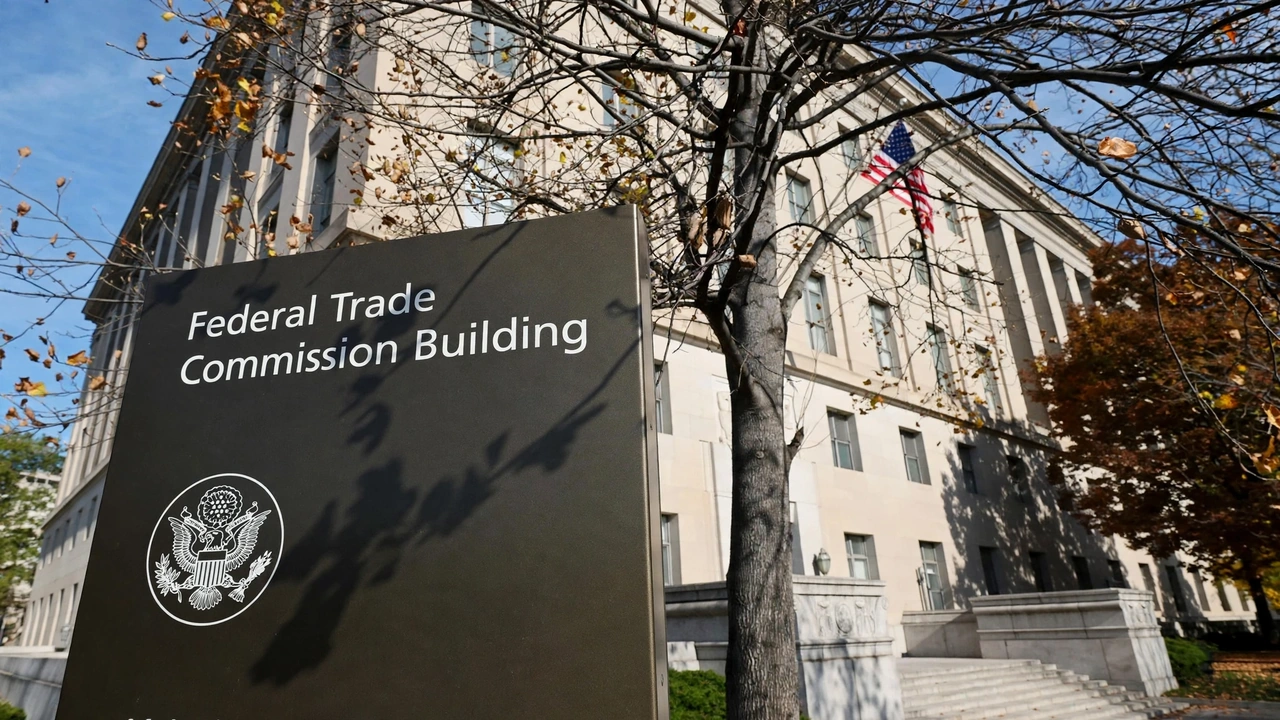
The protections are particularly relevant this holiday season. On November 24, the Federal Trade Commission (FTC) announced a settlement under which online fashion retailer SHEIN agreed to pay $100 million in consumer redress over allegations involving shipping promises, customer service and other business practices.
The case highlights an important consumer right that extends beyond any individual retailer. Under federal regulations, sellers generally cannot miss an applicable shipping deadline and continue holding a customer’s money without following specific notification, cancellation and refund requirements.
My reading of the federal rule reveals another important distinction for holiday shoppers: remaining silent after receiving a shipping delay notice can have different legal consequences depending on how long the delay is and whether the retailer provides a definite new shipping date.
What federal law requires
The FTC’s merchandise order rule requires sellers accepting orders online, by telephone or through the mail to have a reasonable basis for believing they can ship merchandise within the advertised period.
When a seller does not specify a shipping period, the general deadline is 30 days after receiving a properly completed order. A limited 50-day exception applies when no shipping period is specified and the buyer applies to the seller for credit at the time of ordering.
The 30-day provision does not give retailers an additional month to fulfill an order when they have already promised an earlier shipping date. A retailer advertising shipment within three days must have a reasonable basis for meeting that commitment.
If the retailer determines that it cannot meet the applicable deadline, it must notify the customer within a reasonable period and no later than that deadline. The notice must explain the available choices and provide a revised shipping date when the seller has a reasonable basis for specifying one.
These requirements apply independently of broader holiday spending trends. Increased seasonal demand does not remove a retailer’s responsibilities under the rule. The protection is also not a new Black Friday policy. The original federal rule dates back to 1975, while 2014 amendments expressly clarified its application to all internet merchandise orders and strengthened certain refund requirements.
1. Accept the shipping delay
The first option is to allow the retailer additional time to ship your purchase. This may make sense if you secured a substantial Black Friday discount, cannot find the same product elsewhere or do not need it by a particular date.
However, accepting a delay deserves more attention than simply dismissing an email from the retailer. Federal regulations distinguish between shorter delays, longer delays and situations where the seller cannot provide a definite shipping date.
Under Section 435.2(b), a properly issued first delay notice specifying a new shipping date no more than 30 days beyond the original deadline may allow the seller to interpret your silence as agreement. The notice must properly explain that consequence and your cancellation rights.
The rules become more protective when the proposed delay exceeds 30 days or the retailer cannot provide a definite revised shipping date. Generally, the order must be treated as canceled if the seller neither ships within the permitted additional period nor obtains your express agreement to wait longer.
Further delays also generally require affirmative consent rather than relying on a customer’s silence. The FTC’s business guidance explains these different notification obligations in greater detail.
Consider a hypothetical Black Friday purchase with a promised shipping date of December 1. If the retailer properly notifies you that it expects to ship on December 15, your failure to respond could constitute acceptance of that first delay under the applicable conditions.
If the seller instead proposes January 15, the revised date falls more than 30 days beyond the original deadline. Different consent and automatic cancellation requirements would apply.
I consider this distinction particularly important for people buying Christmas presents. A discounted product may lose much of its practical value if it cannot arrive before the occasion for which it was purchased.
2. Cancel for a refund
The second option is to reject the shipping delay and cancel the unshipped order for a full refund. You do not have to accept a substitute product or store credit instead of a refund required under the federal rule.
The FTC’s consumer guidance distinguishes these refunds from ordinary merchandise returns. A retailer’s usual restrictions on returning discounted products do not eliminate its obligations when it fails to ship covered merchandise as required.
Federal law also establishes deadlines for making the applicable refund. For purchases made using third-party credit cards, cash and several other payment methods, the general requirement is seven working days after the right to a refund arises.
When the retailer itself provides the credit used to purchase the merchandise, a different deadline of one billing cycle generally applies. The timing of the merchant’s refund action should not be confused with the date on which your financial institution displays the adjustment.
This is another reason to understand the payment arrangements before completing a Black Friday purchase. Shoppers using installment payment plans may need to communicate with both the retailer and their financing provider to ensure the canceled purchase is properly reflected in their accounts.
Consumers should not assume that canceling an order automatically stops every scheduled installment. Similarly, shoppers should distinguish a legally required refund from the voluntary exchange and redemption arrangements associated with holiday gift cards.
When refunds become difficult
A separate federal protection may become important if the retailer fails to issue the required refund or the merchandise never arrives. Under the Fair Credit Billing Act, certain credit card charges involving merchandise that was not delivered as agreed can qualify as billing errors. Consumers generally must submit a written dispute within 60 days after the card issuer sends the first statement containing the disputed charge.
That deadline is particularly important when agreeing to an extended shipping delay. Waiting several months for a retailer to resolve an order could mean losing some statutory credit card dispute protections. Some card issuers voluntarily allow disputes beyond the federal 60-day period in certain circumstances. Nevertheless, I would not rely on an extension without confirming it directly with the issuer.
During a qualifying billing error investigation, consumers generally do not have to pay the disputed amount or associated charges, although undisputed portions of the bill remain payable. Understanding these obligations is especially important for households already managing credit card payments.
Debit card transactions have different protections, and consumers may not have the same statutory remedies for merchandise that never arrives. Anyone experiencing a problem should contact their financial institution promptly rather than assuming that all payment methods provide identical rights.
It is also important to distinguish a late shipment from a package that was shipped on time but subsequently delayed by a delivery company. The FTC merchandise order rule focuses on shipment, while delivery guarantees, non-delivery disputes and other contractual protections may involve separate considerations.
Protecting your holiday purchases
Before placing a Black Friday order, I would save a copy of the advertised shipping commitment, the order confirmation, the payment receipt and the retailer’s cancellation terms. These records can become important if the promised date changes or the retailer disputes what was originally advertised.
If a delay notice arrives, check the revised date and decide whether the purchase is still worth waiting for. Communicate any cancellation clearly, retain the confirmation and monitor your payment account for the refund.
Shoppers should also be cautious about unexpected messages demanding additional delivery payments. Fraudulent package notifications are among the holiday shopping scams that can expose consumers to additional financial losses.
Unresolved shipping and refund problems can be reported through the FTC’s fraud reporting portal. Reporting a problem, however, does not automatically guarantee individual reimbursement. The recent SHEIN case illustrates why these protections matter. The FTC’s official case record lists the proceeding as pending, and the proposed $100 million settlement should not be interpreted as an automatic payment entitlement for every customer.
As holiday purchases increase, the consumer protections examined across Investozora remain particularly relevant to households trying to manage their spending without unnecessary financial losses.
The most important thing to remember this Black Friday is that a retailer’s inability to ship your purchase on time does not automatically require you to keep waiting. For covered orders, federal law gives you a choice, and understanding the conditions attached to that choice can help protect both your money and your holiday plans.