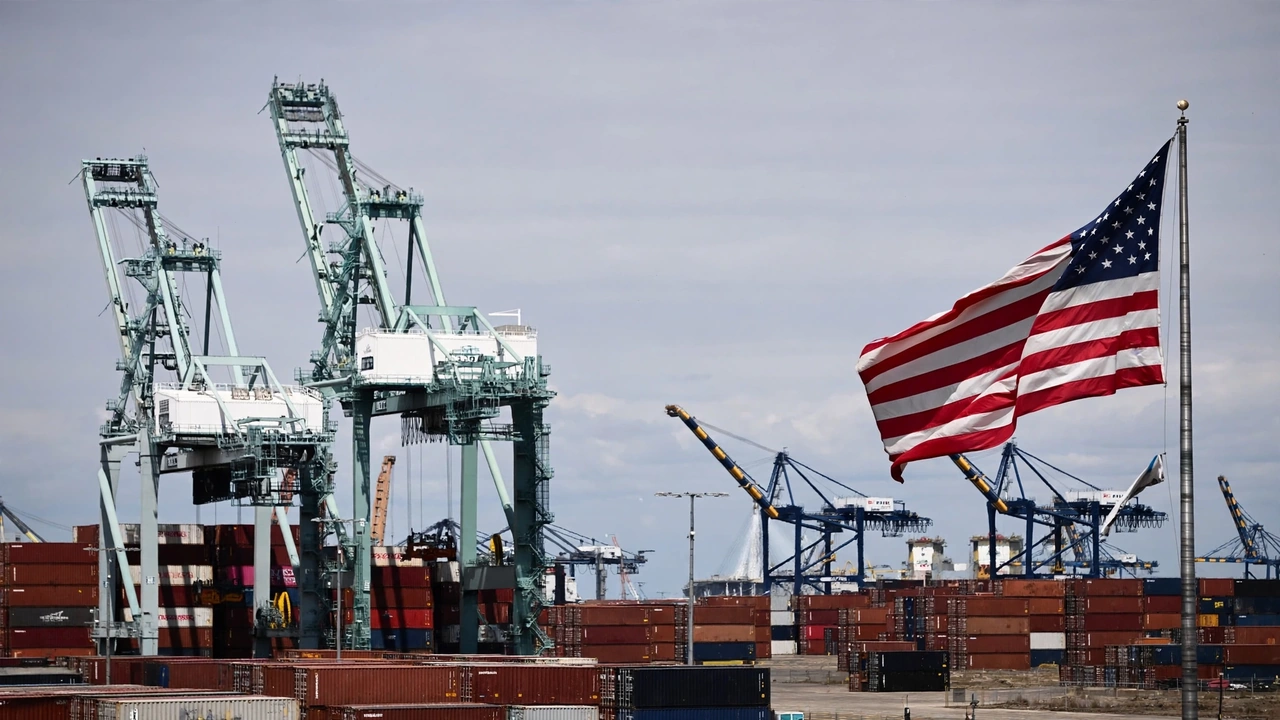
The United States has proposed a new round of tariffs targeting imports from 14 major trading partners, including China, the European Union, Japan and India, as President Donald Trump’s administration moves to counter foreign industrial policies it says undermine American manufacturing and employment. The proposed rates reach as high as 35% for certain imports from Vietnam and 25% for goods from India.
The official announcement, released Wednesday, November 25, by U.S. Trade Representative Jamieson Greer, follows an investigation lasting more than eight months under Section 301 of the Trade Act of 1974. The proposed measures have not yet taken effect, and their final terms remain subject to public consultation.
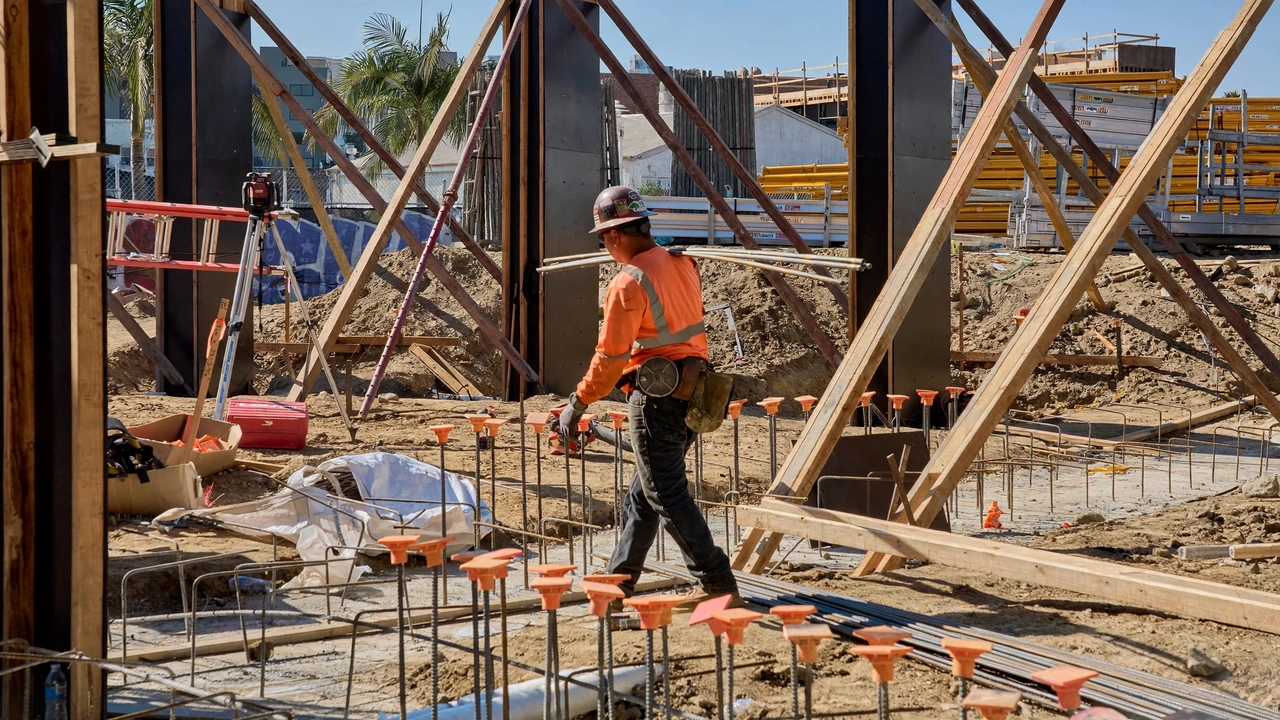
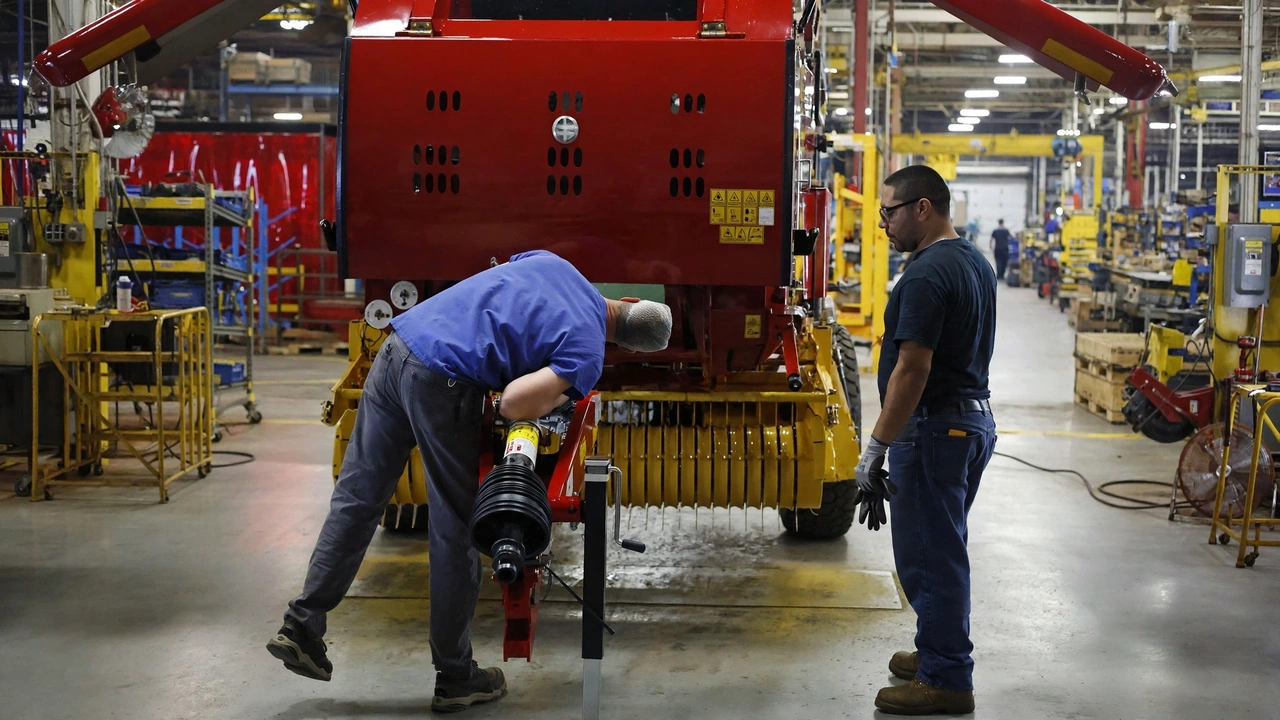
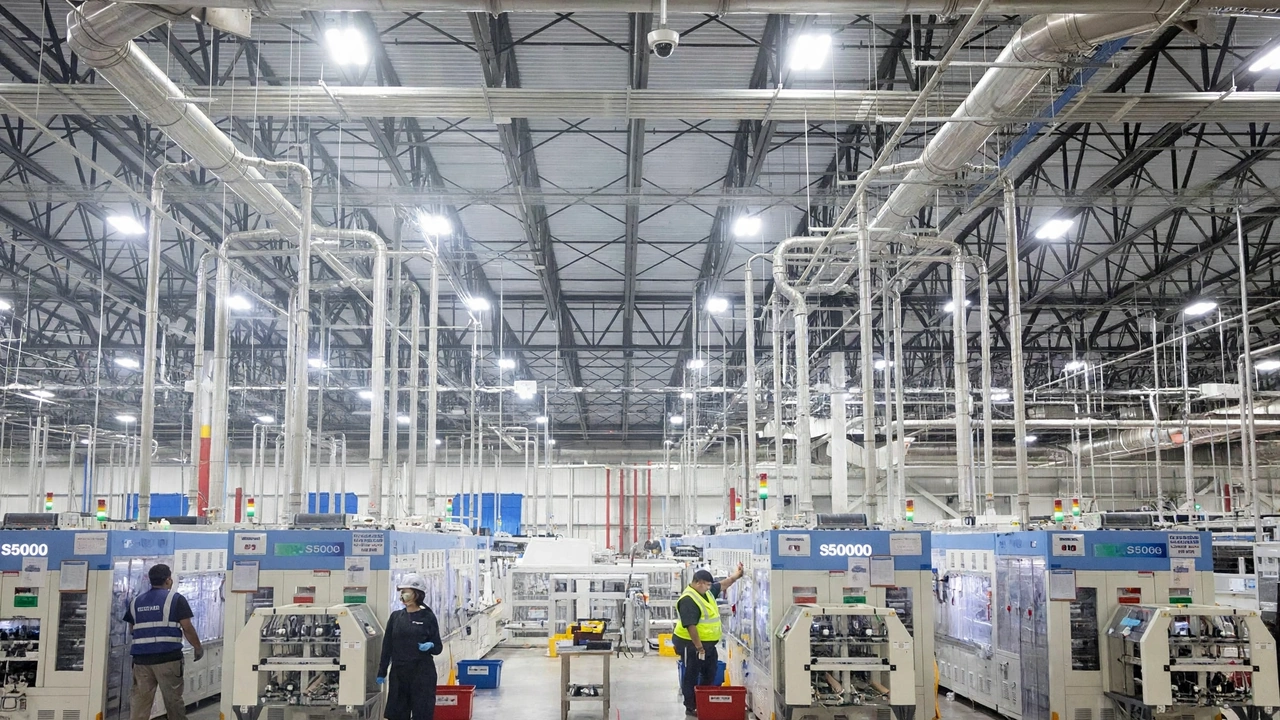
Washington argues that foreign government subsidies, industrial expansion strategies and other market interventions have disadvantaged American producers. The administration intends to protect domestic manufacturing capacity, encourage investment and address competitive pressures facing U.S. manufacturers.
The proposal covers China, the European Union, Japan, South Korea, Taiwan, Switzerland, India, Singapore, Vietnam, Bangladesh, Cambodia, Indonesia, Malaysia and Thailand. Mexico and Norway were included in the original investigation, launched on March 11, but neither faces a new determination under Wednesday’s announcement.
Vietnam could face duties of up to 35%, although a qualifying trade agreement could bring the proposed rate to 20%. India’s proposed rate could reach 25%, with a potential reduction to 17% if Washington and New Delhi reach an agreement addressing the investigation’s findings.
Singapore faces proposed duties of up to 20%, potentially falling to 10% following successful trade negotiations. Bangladesh, Cambodia, Indonesia, Malaysia and Thailand each face proposed rates of up to 18%.
The European Union, Japan, South Korea, Switzerland and Taiwan face proposed tariff arrangements centered on 15%, accounting for applicable existing duties. The individual tariff notices also identify exemptions and conditions that could affect the duties imposed on specific products.
China’s proposed tariff structure is more complicated. Washington is considering duties of up to 20% on many Chinese products, lower rates of up to 10% on designated goods and exemptions for selected imports, meaning the actual tariff burden will depend on product classification and existing trade measures.
China pushed back on Thursday, November 26. In an official press briefing, Commerce Ministry spokesperson He Yadong rejected the U.S. investigation, argued that the measures violate World Trade Organization rules and said Beijing reserved the right to take necessary action while calling for negotiations.
For American businesses, the proposed tariffs introduce uncertainty over sourcing costs, supplier contracts and future inventory purchases. Companies relying on overseas manufacturing could face additional expenses, potentially affecting wholesale prices and retail pricing decisions.
A federal trade study published by the U.S. International Trade Commission in 2023 found that American importers absorbed almost the entire direct cost of the Section 232 and Section 301 tariffs examined between 2018 and 2021. That historical finding does not establish how much consumers would pay under the latest proposal.
Businesses and consumers should also distinguish between tariff-related costs and published U.S. import prices. The Bureau of Labor Statistics’ pricing methodology excludes customs duties from its import price indexes, while changes in retail prices may eventually appear in the consumer price index.
The proposal adds another source of uncertainty to the U.S. economy as Federal Reserve officials assess persistent inflation pressures. Its eventual economic impact will depend on final tariff rates, exemptions, trade negotiations and how businesses respond to higher import costs.
Written comments and requests to participate in public hearings are due January 5, 2027. Hearings are scheduled to begin January 25, with the final tariff rates and implementation dates still to be determined.