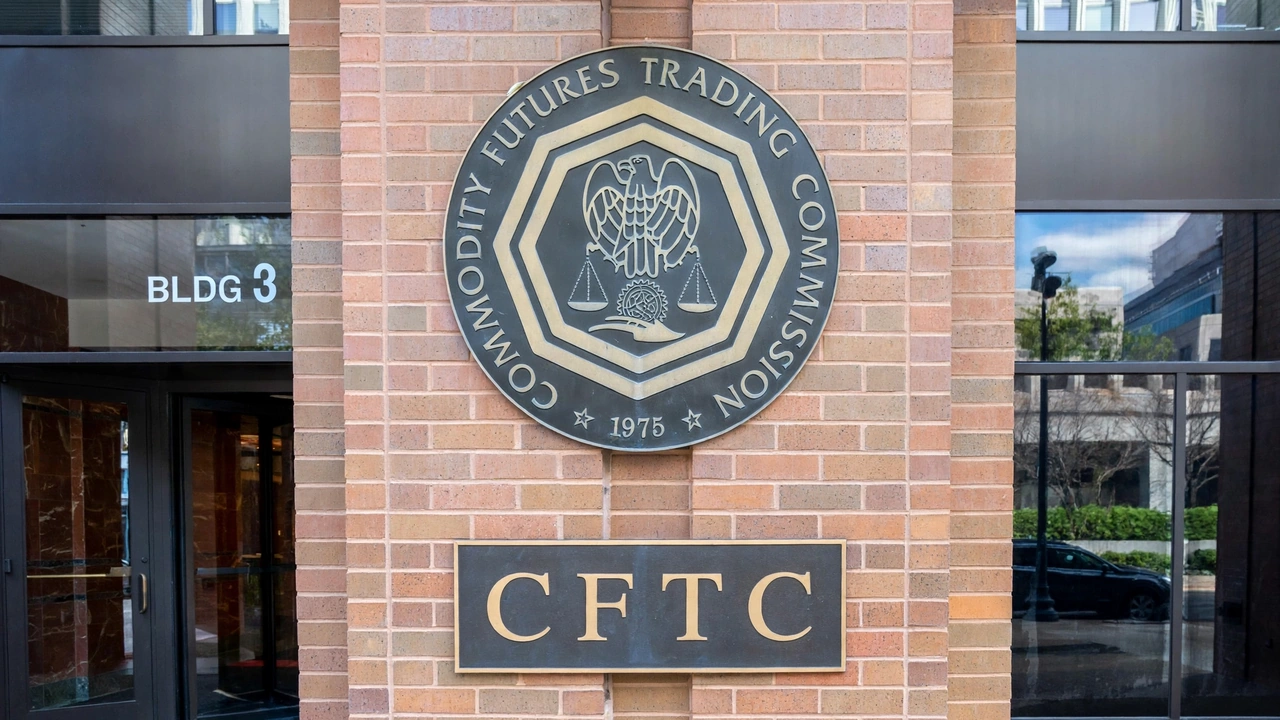


Live Update: The Federal Aviation Administration lifted a nationwide ground stop late Friday, November 13, after a communications outage at air traffic control facilities disrupted flights across the United States, forcing airlines to cancel thousands of departures and leaving passengers facing widespread travel delays. The suspension lasted more than four hours, and aviation officials warned that restoring normal flight schedules could take considerably longer.
The disruption affected airports across the country, creating cascading problems for airlines attempting to reposition aircraft, crews and passengers. Although departures were allowed to resume, lifting the nationwide restriction did not mean that individual airports and airlines had returned to normal operations.
The FAA’s operational advisory, issued early Saturday in Coordinated Universal Time, documented the nationwide restriction while some international departures were being selectively released. It also listed separate ground-delay programs at airports including Boston Logan, LaGuardia, Las Vegas, San Diego and San Francisco, illustrating how individual airport restrictions could remain important as the broader disruption evolved.
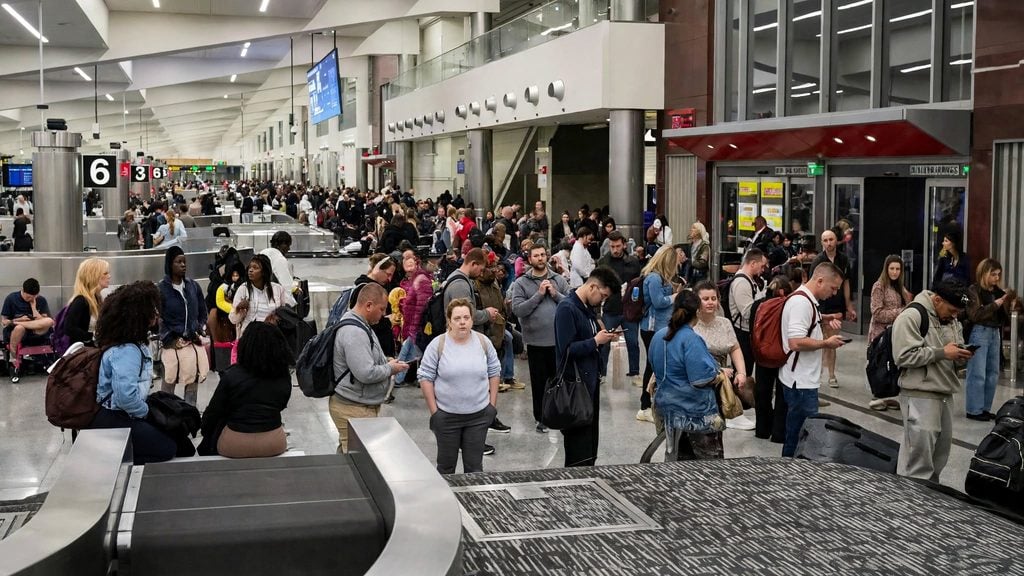
The communications failure affected the air traffic control network responsible for coordinating aircraft movements across U.S. airspace. The nationwide ground stop was imposed as a safety precaution, preventing additional departures from entering a system experiencing significant operational difficulties.
Transportation Secretary Sean Duffy attributed the disruption to overloaded equipment within an aging telecommunications system used by air traffic controllers. Homeland Security Secretary Markwayne Mullin said officials had found no evidence of a cyberattack, distinguishing the operational breakdown from a deliberate attack on aviation infrastructure.
Officials indicated that aircraft already airborne could continue operating while the FAA managed the disruption. The distinction matters because a nationwide departure restriction does not automatically mean that every aircraft in U.S. airspace has lost contact with air traffic control or must immediately land.
The outage had consequences beyond passengers waiting at departure gates. When aircraft cannot depart as scheduled, planes may remain at airports far from their next assignments, while pilots and cabin crews can run into operating-hour limits or miss connections needed for subsequent flights.
Those effects can continue after the original technical problem is addressed. Airlines must rebuild schedules around aircraft availability, crew assignments, airport capacity and passengers displaced by cancellations, making recovery a separate challenge from restoring communications.
The scale of the interruption also drew attention to the resilience of the U.S. air traffic control system. Federal aviation infrastructure relies on communications, surveillance and traffic-management networks that must operate reliably across different regions while accommodating commercial airlines, cargo operators and other aircraft.
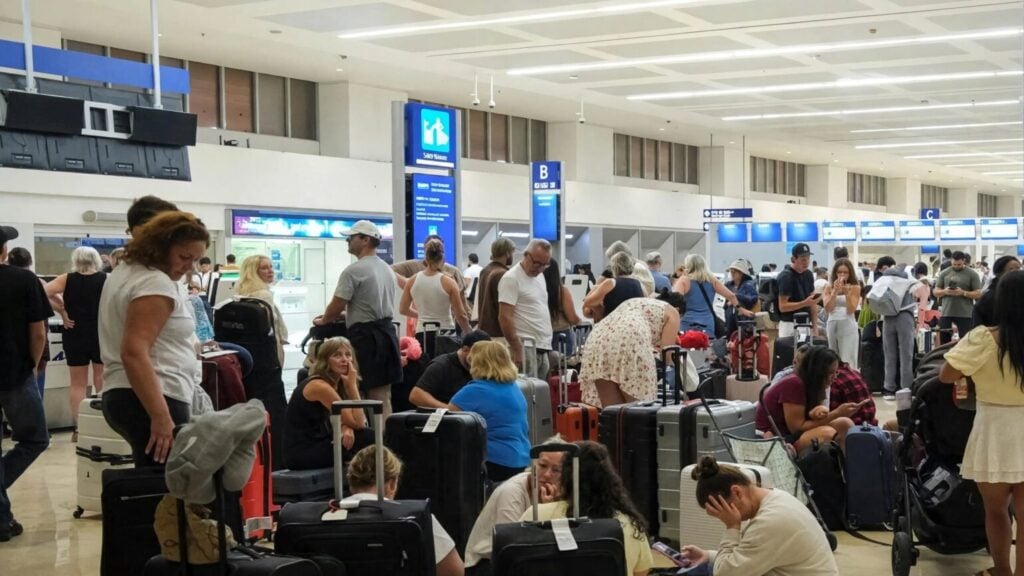
The November disruption highlights the consequences when problems arise in infrastructure connecting those operations. It also raises questions about equipment redundancy, system modernization and the safeguards needed to prevent a localized technical failure from producing nationwide restrictions.
For affected travelers, the immediate concern is whether scheduled flights will operate and what options are available if an itinerary has already been disrupted. Passengers should check directly with their airline before traveling to the airport because a nationwide announcement does not establish the status of any individual flight.
Under the Department of Transportation’s refund rules, passengers whose flights are canceled are generally entitled to a refund if they choose not to travel or accept alternative transportation or compensation. Qualifying significant delays or schedule changes may also trigger refund rights, regardless of whether the underlying disruption was within the airline’s control.
Additional benefits, including meals, hotels or transportation, depend on the circumstances and applicable airline commitments. The department’s airline dashboard distinguishes those commitments from the separate legal right to a refund.
The FAA’s decision to end the nationwide ground stop removes the broadest departure restriction imposed during the outage, but the longer-term consequences depend on how quickly airlines restore their networks. The next important developments are the recovery of normal flight operations and any additional official findings explaining the communications failure and measures intended to prevent a recurrence.