April 13, 2026 • 10:55 AM ET
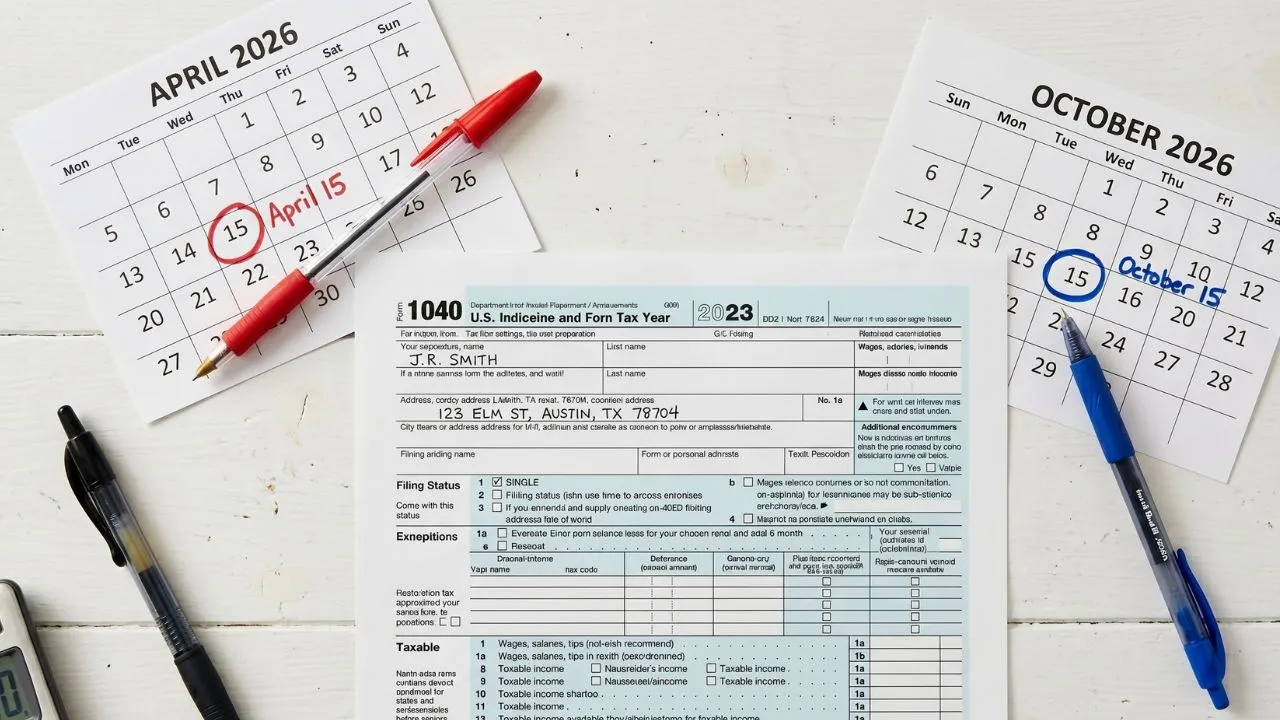
The IRS Free File program remains open through Tuesday, April 15, 2026 for taxpayers with adjusted gross income of $84,000 or less, after that date, the guided free filing window for the 2025 tax year closes permanently. Taxpayers who file electronically with direct deposit selected can receive any refund on the fastest possible timeline, typically within the standard 21-day IRS processing window.
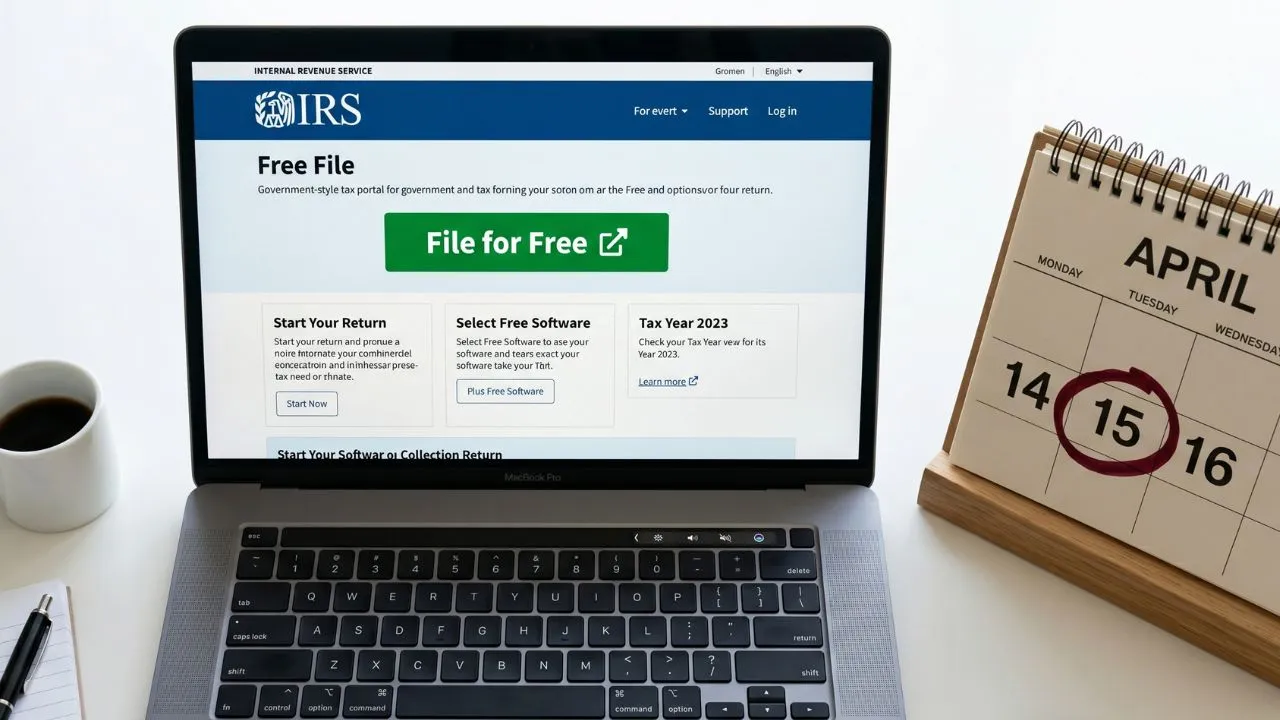
The Internal Revenue Service Free File closes on April 15, 2026 for the 2025 tax year, ending the last opportunity for eligible taxpayers to file their 2025 federal return at zero cost through the IRS’s official guided software portal. Every taxpayer with adjusted gross income of $84,000 or less in 2025 qualifies for IRS Free File at irs.gov/freefile, and these are the final hours before the April 15 deadline. After Tuesday, free guided federal filing through this program ends for the entire 2025 tax year with no extension.
The stakes are real. A taxpayer who earned $60,000, had $3,000 withheld in federal taxes, and is owed a $1,200 refund will receive that $1,200 only if they file. IRS Free File is the path that costs nothing, takes less than an hour, and produces an electronic return accepted by the IRS quickly.
What IRS Free File Is and Why It Only Works Through irs.gov
IRS Free File is a public-private partnership between the IRS and the Free File Alliance, a group of brand-name tax software companies that provide free federal return preparation and e-filing services to eligible taxpayers through the IRS portal. The program has been available since 2003 and has helped file more than 60 million returns at no cost per IRS filing free file.

The access point matters critically. Going directly to TurboTax.com, HRBlock.com, or any other software company’s website will route you to their paid products. IRS Free File is only available through the IRS portal at irs.gov/freefile, which serves as the exclusive gateway to the free versions. The IRS controls access to guarantee that eligible taxpayers reach the free product, not the commercial upsell version.
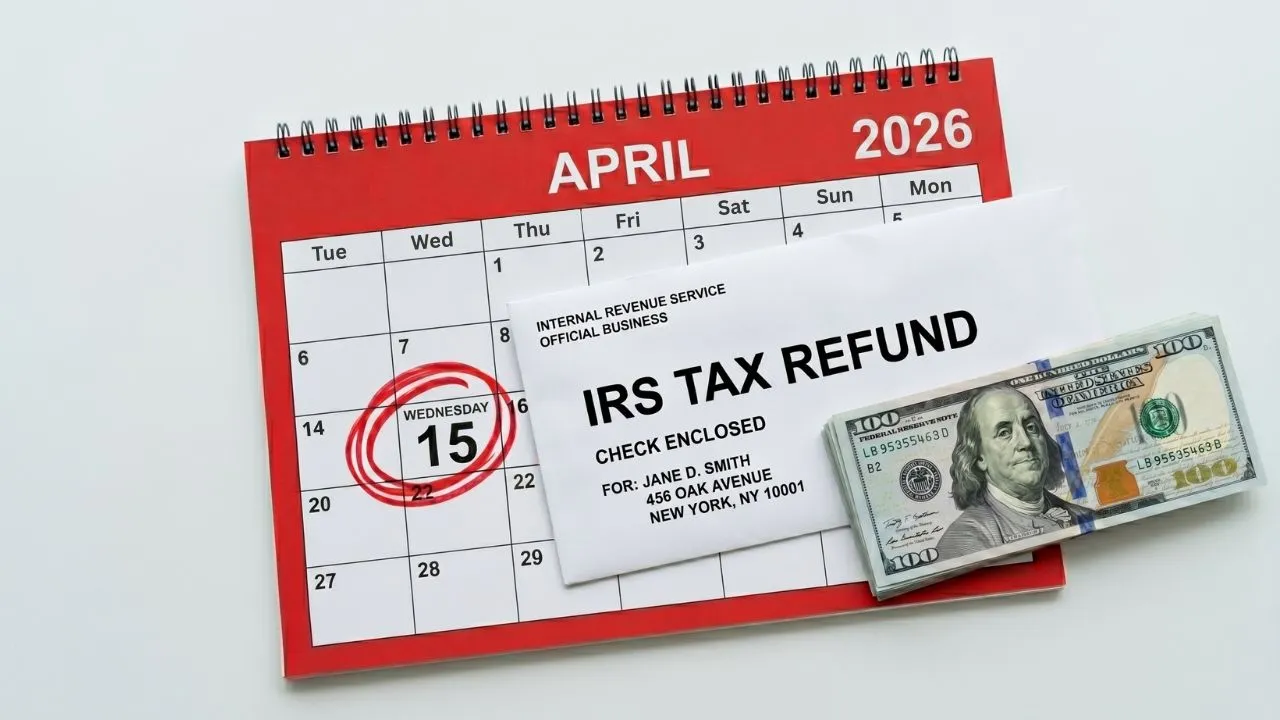
The IRS processes all returns filed through IRS Free File identically to any other electronically filed return. The Bureau of the Fiscal Service at the U.S. Treasury then disburses any refund through the Federal Reserve’s FedACH network to the bank account you designate during filing. The Free File path produces the same processing speed and the same refund delivery timeline as any other electronic return.
Who Qualifies and Which Software Partners Are Available
The primary eligibility rule is adjusted gross income of $84,000 or less for 2025. Adjusted gross income, Line 11 of your Form 1040, is your total income minus above-the-line deductions such as student loan interest, HSA contributions, and self-employed health insurance. For most wage earners, AGI is close to but slightly lower than gross wages.
Individual software partners within IRS Free File may set additional eligibility criteria, age limits, state residency rules, or income caps below the $84,000 maximum. If the first product you try does not accept you, another will. The IRS Free File portal matches you to all products you qualify for after answering a few questions. For the current 2026 filing season, participating partners include TaxAct, TaxSlayer, FreeTaxUSA, 1040Now, and others. The IRS publishes the current partner list at irs.gov/freefile.
Federal filing is free through all IRS Free File partners. State return availability varies by partner, some include free state filing, others charge separately for state returns. If your state return is a priority, confirm before you start which partner covers it.
Taxpayers above the $84,000 AGI threshold have access to IRS Free File Fillable Forms, electronic versions of IRS paper forms that perform basic math with no guided assistance and no income cap. Fillable Forms remain available through April 15 and continue after the deadline for extension filers. They are suitable for taxpayers who are comfortable preparing their own return from scratch but provide none of the interview-style guidance of the full Free File product.
Why Filing Before the Deadline Gives the Fastest Refund
Filing electronically through IRS Free File before the deadline gives you the same refund speed as any electronically filed return. The IRS typically issues refunds within 21 calendar days of accepting an e-filed return with direct deposit selected, per irs.gov/refunds. There is no processing penalty or additional delay for filing near the April 15 deadline, returns filed on April 14 and returns filed on January 20 move through the same processing pipeline on the same timeline after acceptance.
Paper returns take six to eight weeks under normal processing conditions and longer during peak filing season. The combination of electronic filing and direct deposit is the fastest path available within the rules of the current system. Choosing a paper check instead of direct deposit adds U.S. Mail transit time to whatever processing time applies.
If you filed IRS Form 4868 for an extension but want to receive your refund sooner rather than waiting until October, you can file your complete return at any time before October 15. Filing now instead of in September simply moves your refund from fall to spring. For taxpayers expecting a refund, there is no reason to wait.
What This Means Going Forward
After April 15, IRS Free File guided software for the 2025 tax year closes. IRS Free File Fillable Forms will remain available for extension filers through October 15. The next IRS Free File guided filing season opens in January 2027 for tax year 2026 returns.
For taxpayers who miss today’s window and still need to file their 2025 return after April 15, options include paid commercial software, paid tax professionals, and VITA sites that operate year-round for eligible populations. The IRS Free File option for 2025 returns will not reopen.
The broader takeaway is structural: IRS Free File is a permanent annual resource that opens each January and closes each April 15. For tax year 2026, the return you will file in early 2027, IRS Free File will be available again starting in January 2027 at the same portal with the same $84,000 income threshold, adjusted for any inflation changes. Taxpayers who rely on free filing should plan to use the portal during the January-through-April window each year, not the final 48 hours.
What You Should Do Now
- Go to IRS Free File now and answer the short eligibility questions to find the right free software for your situation.
- Have your documents ready: W-2s, 1099s, Social Security number, and your bank routing number and account number for direct deposit.
- Select direct deposit during filing, this is the most important single choice for receiving your refund as quickly as possible.
- If you also need more time to file, use IRS Free File to submit Form 4868 for a free extension before April 15, but pay any taxes owed by that deadline to avoid failure-to-pay penalties.
- After filing, track your return status using Where’s My Refund — available 24 hours after electronic submission.
IRS Free File closing Tuesday is a real and permanent deadline for the 2025 filing season. For any taxpayer who has not yet filed and qualifies, the final hours before the April 15 deadline are here, this zero-cost path remains open. For context on the $1.2 billion in unclaimed refunds that also expire April 15, see our unclaimed refund deadline article.
For the complete guide to filing an extension if you need more time, see our tax extension guide. For the full picture of how IRS refunds are processed from acceptance to bank deposit, see our IRS refund guide. And for the institutional explanation of how Treasury and FedACH move your refund from IRS authorization to your account, see the money movement system.
Editorial Note: Investozora is an independent news publication. This content is for informational purposes only. For official guidance, please visit irs.gov.