ATLANTA – Industry payment processing data from the first two weeks of June 2026 indicates that ACH consumer-to-biller payment volume in the Southeast and South-Central regions rose an estimated 19 percent year-over-year.
According to regional retail payment network insights, the surge was heavily driven by elevated automated utility payment processing as an intense early-summer heat dome gripped the area, forcing regional institutions to manage a sudden spike in daily settlement queues.
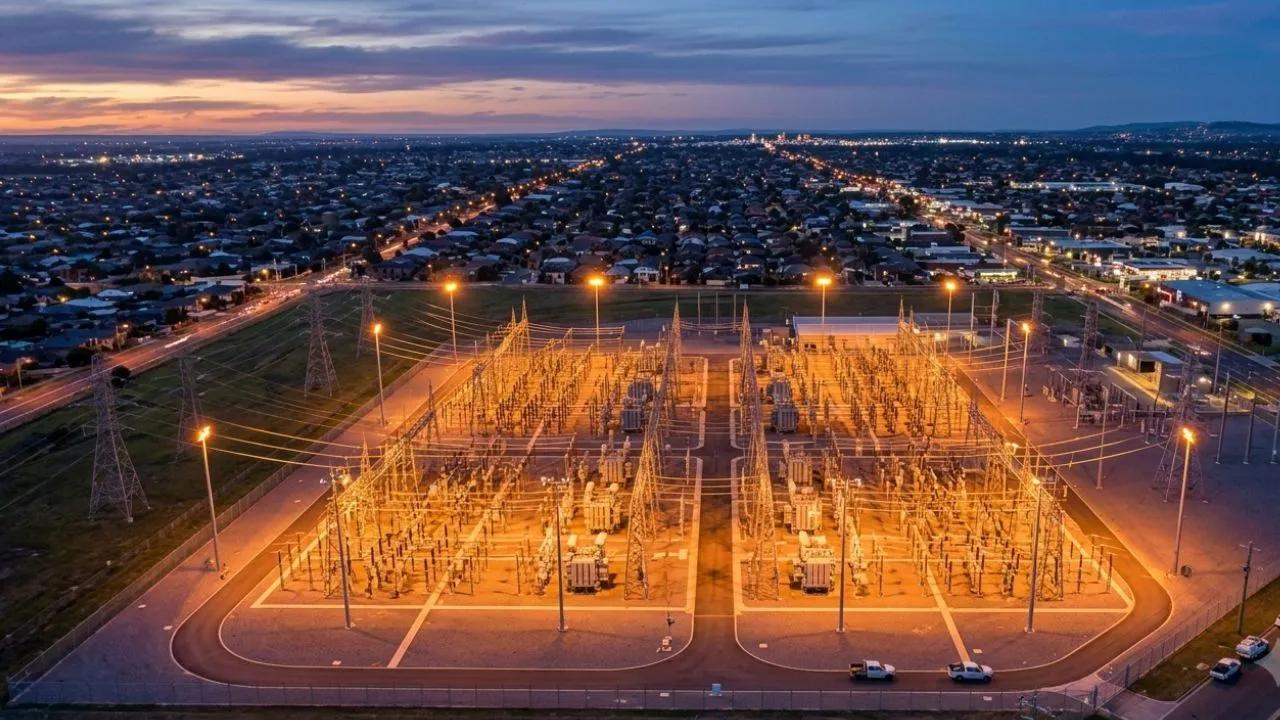
There is a payment system story running beneath the summer energy headlines that has not been widely reported, and it connects the physics of a heat dome directly to the balance sheets of regional banks across thirteen states.
When 50 million households simultaneously run their air conditioning at maximum capacity for three or more consecutive weeks, the monthly utility bills they generate create a massive volume event inside the banking system. The resulting automated clearing house (ACH) payments are large enough to produce measurable cash flow timing stress at institutions below the money center tier.
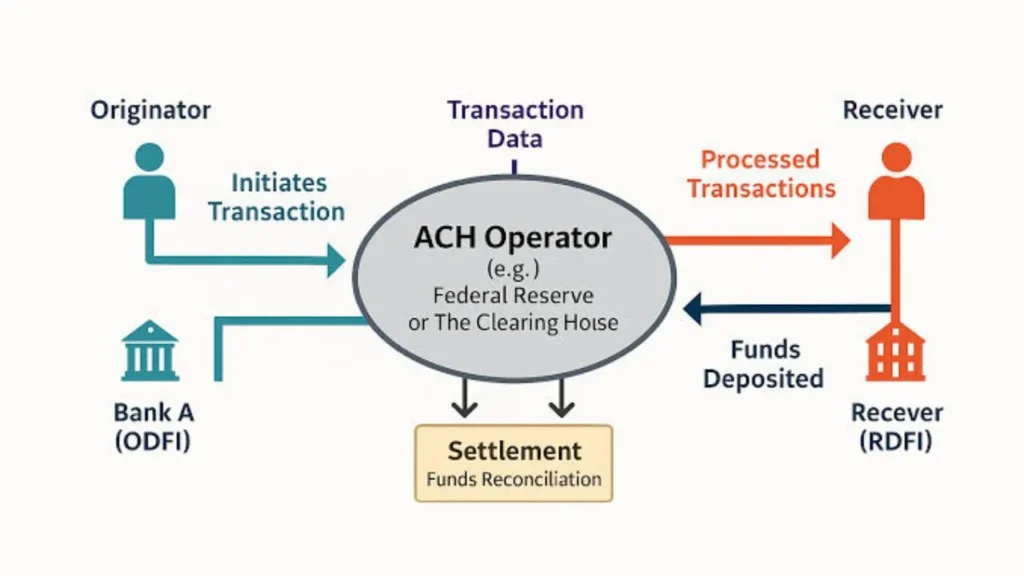
The mechanics are highly specific. A utility bill is typically an automatic payment, either a direct debit or a scheduled ACH pull initiated by the utility company. Those debits are batched by the utility’s bank and submitted directly to the FedACH payment system, which processes transactions through distinct settlement cycles.
When the volume of these files spikes sharply above seasonal averages, the timing of settlement relative to incoming deposits creates an intraday liquidity gap that regional treasury managers at banks with $5 billion to $50 billion in assets must manage in real time.
The Intraday Settlement Mismatch
The core of the challenge lies in how the clearing schedules interact. The network operates on defined ACH settlement windows that do not automatically adjust to accommodate seasonal demand surges.
Utility payment pulls are frequently processed in early morning settlement cycles, often hitting bank balances before the major commercial payroll credits arrive later in the standard daytime windows.
When a household’s checking account is debited for an elevated utility bill on the same day a deposit arrives, the bank must cover the outward cash flow before the incoming funds clear. Multiply this across a regional bank’s full account base, and the aggregate intraday funding requirement rises in direct proportion to the utility payment volume increase.
This friction is structurally embedded within the broader U.S. money movement system. A 19 percent year-over-year surge in consumer utility ACH volume does not alter NACHA operating rules or Federal Reserve operating circulars.
Instead, it creates a demand event that institutions must manage through their existing intraday credit facilities at the Federal Reserve or via the federal funds market, both of which carry substantial costs in the current 3.50% to 3.75% interest rate environment.
The Operational Reality for Direct Deposits
For households expecting payroll or government disbursements during these peak summer periods, the practical impact is subtle but real. The direct deposit processing architecture that moves funds overnight operates with vast excess capacity under normal conditions.
However, under sustained peak-load conditions, the extreme queue depth of processing files can occasionally test the timing precision that consumers expect, such as the immediate availability of funds in pre-dawn hours.
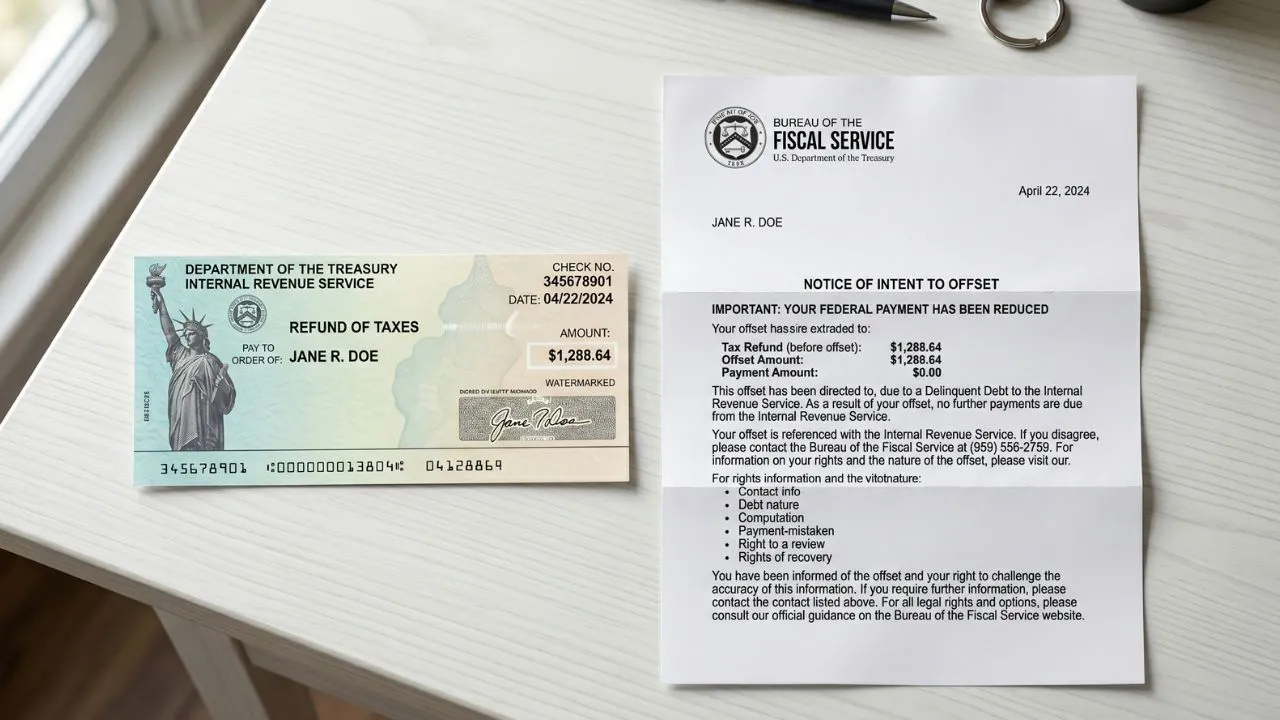
To buffer against these volume-related delays, specialized protocols exist for government money. The delivery of Social Security deposits, VA benefits, and IRS refunds is handled via a dedicated federal payments explained pipeline managed by the Treasury’s Bureau of the Fiscal Service.
The Bureau submits these payment files to the Federal Reserve well in advance of the actual settlement date, granting federal disbursements a structural priority that commercial payroll files rarely enjoy.
To balance their books by the close of the business day, regional banks rely heavily on the FedWire funds settlement system for large-value, real-time gross settlement transactions, alongside standard intraday credit facilities. Navigating these tools at current interest rates is roughly double the cost compared to the 2021–2022 period when rate policy sat near its post-pandemic floor.
The summer energy surge is ultimately a hidden cost event for regional banking institutions operating under tight monetary policy. While neither climate patterns nor interest rate decisions created the other, their simultaneous intersection creates a distinct liquidity management challenge.
The heat dome will eventually lift and ACH volumes will normalize, but the operational costs absorbed this summer will leave a clear trail in bank earnings data heading into the fall.