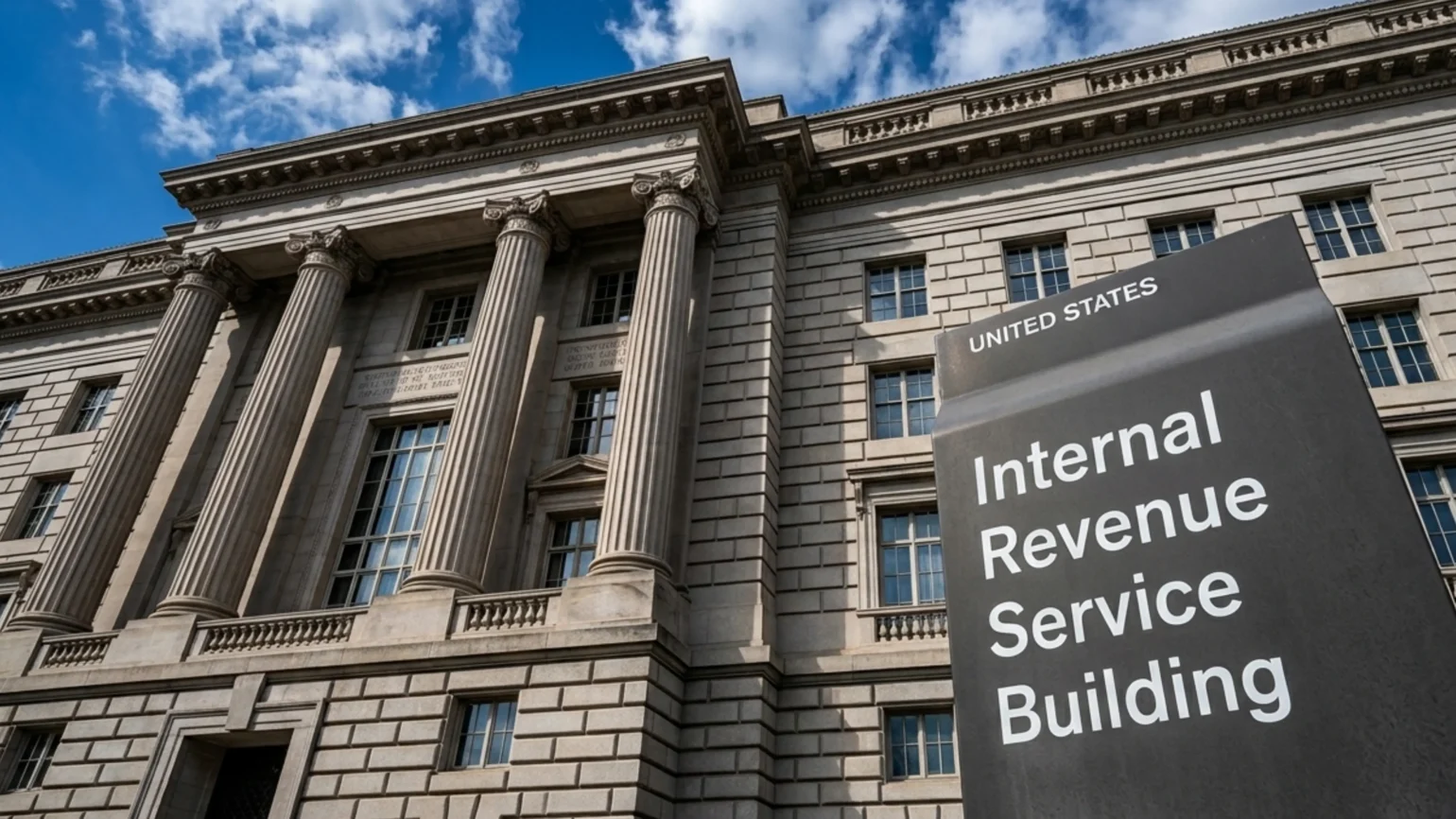


On April 17, 2026, lawyers for President Trump and the IRS filed a joint motion in federal court requesting a 90-day pause in litigation to pursue settlement discussions. The $10 billion lawsuit alleges unauthorized disclosure of presidential tax records between 2018 and 2020. The IRS has not publicly confirmed settlement terms. Source: IRS newsroom.
President Trump’s lawyers and the IRS are in active settlement discussions over the president’s $10 billion lawsuit alleging the unauthorized disclosure of his confidential tax records, according to a joint court filing submitted April 17, 2026. Both sides requested a 90-day pause in the federal litigation to allow those discussions to proceed.
The IRS, as a bureau within the U.S. Department of the Treasury, is among the same agencies responsible for processing over 140 million federal tax returns and issuing hundreds of billions of dollars in refunds annually, and the settlement discussions have generated significant public attention about the relationship between the White House and the nation’s tax collection apparatus.
The filing states, per the Washington Times and multiple wire services, that “the Parties are engaging in discussions and need time to work through how to ensure those discussions can take place productively to avoid protracted litigation.” The IRS did not publicly comment on the settlement status as of Saturday evening, April 18.
What the Lawsuit Alleges and What Led to It
The lawsuit, originally filed in 2022 and amended in subsequent court proceedings, alleges that the IRS and Treasury Department failed to safeguard Trump’s confidential tax records, allowing an IRS contractor to unlawfully disclose them to news outlets between 2018 and 2020.
The disclosures led to reporting that Trump paid $750 in federal income taxes in both 2016 and 2017. Trump, his two sons Donald Trump Jr. and Eric Trump, and the Trump Organization are named as plaintiffs. The defendants are the IRS and the U.S. Treasury Department.


In 2024, IRS contractor Charles Littlejohn pleaded guilty and was sentenced to five years in federal prison for the leaks. Littlejohn admitted to disclosing not only Trump’s tax records but also the confidential tax data of thousands of other high-profile individuals, including senior executives at major U.S. corporations. The IRS characterized the breach as “unacceptable” and said it had taken steps to strengthen data security following Littlejohn’s disclosure.
Under Internal Revenue Code Section 7431, taxpayers whose confidential tax information is unlawfully disclosed can file civil lawsuits against the government. The statute allows damages of $1,000 per unauthorized disclosure, actual damages, and in some cases punitive damages. Trump’s lawsuit claims $10 billion in damages, though no court has adjudicated the merits of that amount.
The IRS and Treasury Department operate as the institutional infrastructure through which all federal tax collection and refund disbursement flows. The Bureau of the Fiscal Service at Treasury processes all refund payments through the FedACH network. Settlement discussions involving the IRS and Treasury as defendants are handled through the Department of Justice, which represents federal agencies in civil litigation.
What the April 17 Court Filing Actually Says
The joint filing, reviewed by multiple major outlets including the Associated Press and NBC News, contains specific language that both sides agreed to submit to the court. The key passage, quoted directly in multiple published reports: “Good cause exists to grant an extension in this matter while the Parties engage in discussions designed to resolve this matter and to avoid protracted litigation.
This limited pause will neither prejudice the Parties nor delay ultimate resolution. Rather, the extension will promote judicial economy and allow the Parties to explore avenues that could narrow or resolve the issues efficiently.”
The filing was submitted by Trump’s lawyers with the IRS’s consent, meaning both sides agreed to request the pause. The 90-day extension would delay litigation proceedings while the parties negotiate.
No settlement amount has been publicly disclosed. No settlement agreement has been confirmed. Senate Democrats introduced legislation on April 17 specifically to prevent the president, vice president, or their families from receiving lawsuit settlement payments from the federal government.
Senator Elizabeth Warren stated that the bill “will close the loopholes that enable this apparent corruption,” according to NBC News. The bill had not passed as of the date of this publication.
Democratic senators including Ron Wyden of Oregon publicly questioned the arrangement. “I’m supposed to work out a settlement with myself,” Wyden was reported as saying, per multiple outlets, referencing the structural tension of a sitting president negotiating with agencies under his own executive authority. These characterizations are the views of named officials, not assessments by Investozora.
Any payment resulting from a settlement would come from Treasury funds, meaning taxpayer money, per established federal civil litigation procedures. The scale of any potential settlement has not been disclosed by either party.
What This Means for IRS Operations and Everyday Taxpayers
The settlement discussions do not affect IRS operations for individual taxpayers. This is the institutional distinction that matters.
The IRS processes returns, conducts examinations, and authorizes refunds through its internal systems and workforce. Litigation involving the IRS as a defendant is handled by the Department of Justice, not by IRS employees who process returns. Settlement discussions between the White House legal team and DOJ attorneys do not affect the IRS processing pipeline, refund timelines, transcript access, payment plans, or any taxpayer-facing service.
The Bureau of the Fiscal Service at the U.S. Treasury continues disbursing all federal payments, Social Security, IRS refunds, federal salary payments, and veterans benefits, through the FedACH network on its normal schedule regardless of any litigation involving the Treasury as a named defendant.
For the estimated 30 to 40 million taxpayers still awaiting refunds, extension filers, or taxpayers in payment plans, no operational change at the IRS results from these settlement discussions. Tax transcripts remain accessible. Payment plans remain active. The IRS online account at irs.gov continues to update normally.
What Happens Next
Within 90 days from April 17: If the court grants the pause, both parties have a 90-day window to reach a settlement or confirm that negotiations have failed. No specific timeline for a resolution has been disclosed.
If a settlement is reached: Any agreement would likely require court approval given the scale of the claimed damages. Congress could also take legislative action. Democratic senators have already introduced legislation to prohibit settlement payments in this specific category of case.
If negotiations fail: The litigation resumes. The case would proceed through the standard federal civil litigation process discovery, motions, and potentially trial, which typically extends over years for cases of this complexity and dollar amount.
For individual taxpayers: Watch for any Congressional action on the pending Democratic legislation, which if passed could affect the legal landscape for this type of case. The IRS newsroom at irs.gov remains the authoritative source for any agency-level statements on this matter.
What This Means
The Trump-IRS settlement discussions are a significant legal and political development that reflects ongoing tension between executive branch authority and the independence of tax administration.
For individual Americans, the practical takeaway is straightforward: the IRS’s operational capacity to process returns, issue refunds, and provide taxpayer services is separate from and unaffected by this litigation. The Bureau of the Fiscal Service continues processing all federal payments through its standard institutional channels.
What You Should Do Now
- Monitor the IRS newsroom for any official IRS statements about this case as it develops.
- Check your own IRS refund status at irs.gov/refunds your individual refund timeline is determined by your return’s processing status, not by this litigation.
- If you have concerns about your own tax transcript or confidential tax data security, review the IRS’s current data security policies at irs.gov .
- Follow the Congressional action on the Democratic legislation introduced April 17 if passed, it could affect the legal framework for presidential lawsuit settlements with federal agencies.
For context on how the IRS processes returns and issues refunds through the institutional pipeline that is unaffected by this litigation, see our refund processing guide. For the IRS filing season update confirming that operations continued normally through April 15, see our filing season update.
For the complete penalty structure that applies to any taxpayer who missed the April 15 deadline separately from this news, see our IRS penalty guide. And for the full institutional architecture of how the IRS, Treasury, and the Bureau of the Fiscal Service interact in federal payment operations, see the money movement system.
Editorial Note: Investozora is an independent news publication. This content is for informational purposes only. For official guidance, please visit irs.gov and home.treasury.gov.