April 25, 2026 • 6:45 AM ET
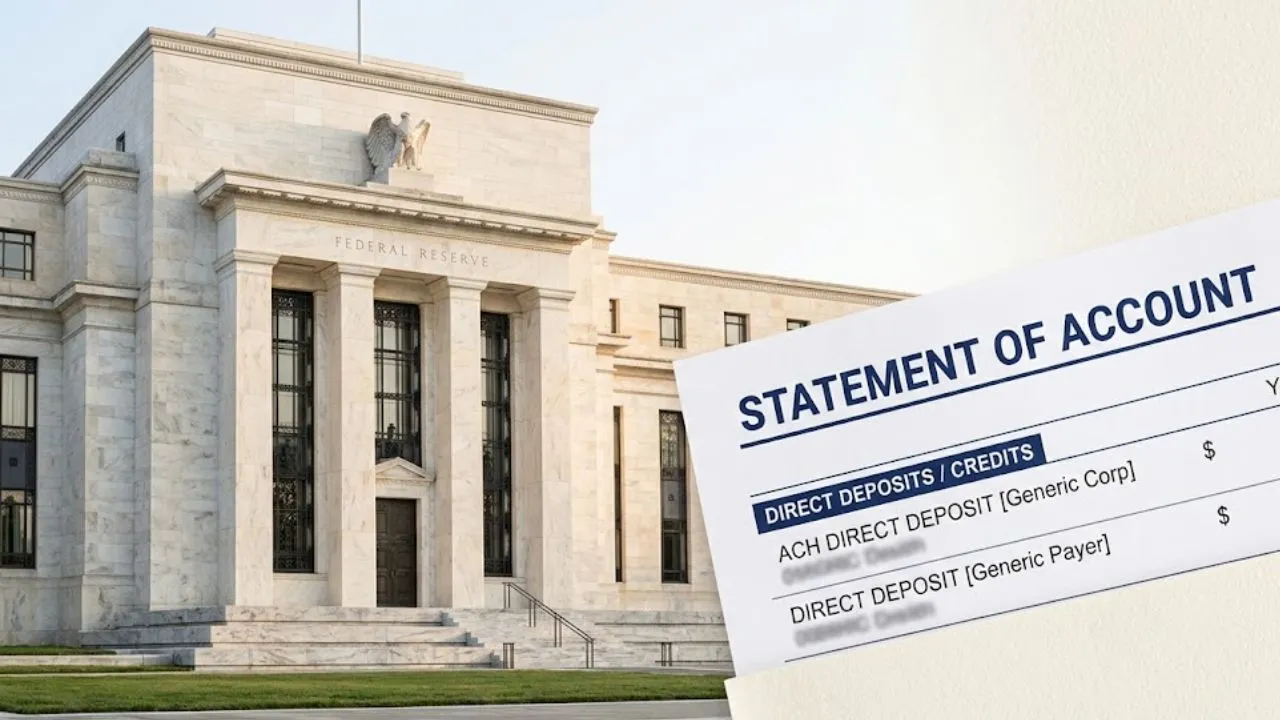
The DOJ dropped its criminal investigation of Federal Reserve Chair Jerome Powell on April 24, 2026. The FOMC convenes Monday April 28. The rate decision is announced Tuesday April 29 at 2:00 PM ET. The current federal funds rate is 3.50–3.75 percent, unchanged since March 18.
The Powell probe dropped Thursday morning. The Federal Reserve’s leadership crisis cleared at least criminally three days before the rate decision that will determine what 150 million American savers earn on their deposits for the next several months.
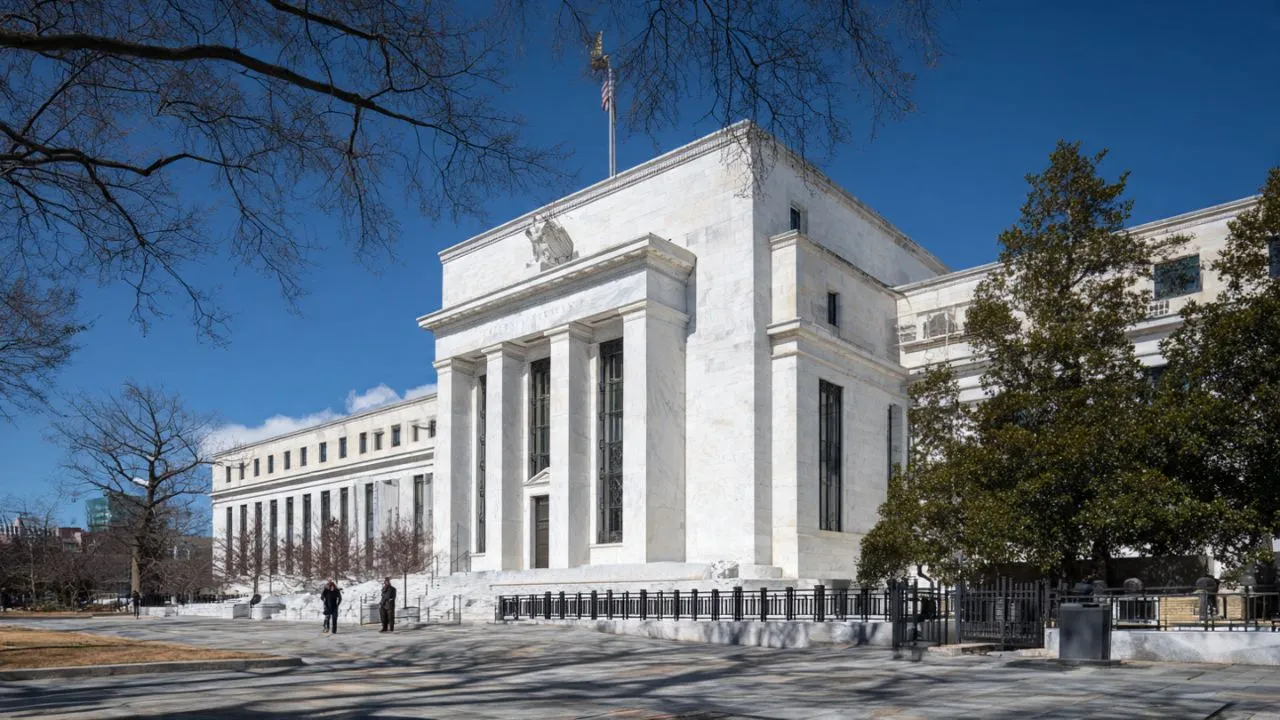
The Justice Department closed its criminal investigation of Fed Chair Jerome Powell on April 24. The probe had centered on cost overruns in an estimated $2.5 billion Federal Reserve renovation project and had cast a direct shadow over Powell’s ability to lead, communicate, and survive as chair through the remainder of his term.
Now it is closed. Powell chairs the April 28–29 FOMC meeting as a sitting Fed chair without active criminal exposure and that single institutional fact changes the weight of everything that comes out of Tuesday’s announcement.
This is not abstract political news. The federal funds rate, currently sitting at 3.50 to 3.75 percent, is the number your high-yield savings account, your money market fund, your HELOC, and your adjustable-rate mortgage are all anchored to. What the Fed says Tuesday and the credibility with which it says it flows directly into what you earn and what you pay.
What the DOJ Actually Did — and the One Qualifier That Matters
The Justice Department, under Attorney General Jeanine Pirro, closed the criminal probe of Powell on April 24 and referred the matter to the Federal Reserve’s Inspector General for a separate administrative review. On the surface, that is a clean resolution. But the White House press secretary added one notable qualifier Thursday: the probe was “not necessarily dropped” but rather “being moved over to the inspector general.”
That distinction is legally meaningful but operationally irrelevant to the FOMC meeting. The IG review operates on a months-long timeline. It produces findings in quarters, not days. It will not affect Monday’s opening session, Tuesday’s rate decision, or Powell’s press conference.
What it does mean is that the criminal chapter is closed while an administrative chapter opens and the two operate on entirely different timelines with entirely different consequences for Fed leadership.
Powell himself had drawn a clear line before Thursday’s news. He would not resign while the investigation was active. Not until it was, in his own words, “well and truly over.” The criminal dimension is over. Whether the IG review eventually produces findings that create a separate political pressure is a different question and a question for a different week.
For this week, Powell runs the FOMC meeting, delivers the rate decision, and holds the press conference without the cloud of active criminal investigation over his head.
How that changes the quality of Tuesday’s forward guidance matters enormously to depositors. The full context of how Fed rate decisions flow into deposit timing from the FOMC statement through the federal funds target to the yield adjustments banks make on savings products is the institutional chain that connects Tuesday’s announcement to your actual bank balance.
The Warsh Succession: What It Means for Your Savings Rate
The timing of Senator Thom Tillis removing his confirmation hold on Kevin Warsh is not coincidental, and it is not a minor footnote.
Warsh is the leading candidate to succeed Powell as Federal Reserve Chair. Tillis’s hold had been a practical blockade on Warsh’s confirmation path. With the hold removed and the criminal probe closed in the same 48-hour window, the question of who runs the Federal Reserve for the next several years moved from hypothetical to active and that question has a direct consequence for the interest rate on every savings account, CD, and money market fund in the country.
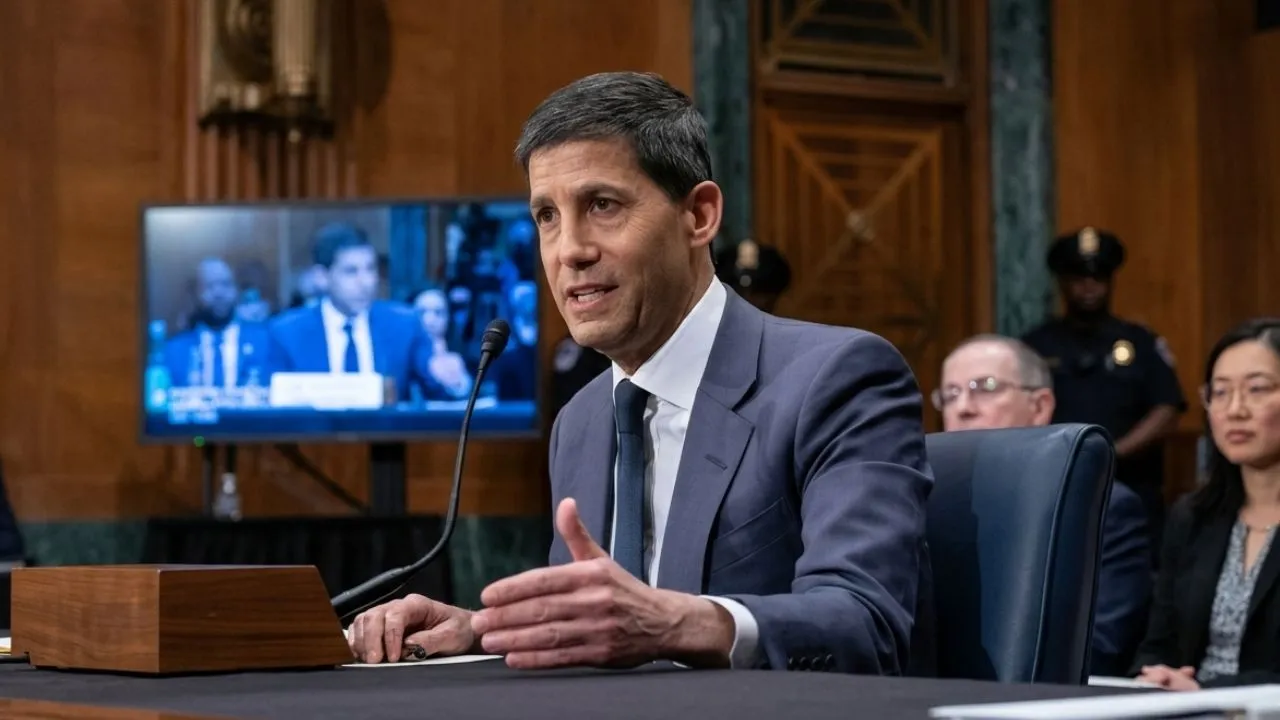
The Warsh hearing coverage details what a Warsh-led Fed would mean specifically for consumer deposit rates. The short version is that a Warsh Fed historically carries tighter policy preferences than the current Powell-led institution.
Tighter policy in the near term tends to be favorable for savers earning on deposits. The longer-term trajectory under different leadership, however, is a different calculation that depends on how the new chair reads economic conditions in 2026 and 2027.
For the average American currently earning 4.5 percent or higher on a high-yield savings account, the leadership question is not abstract. It is the forward guidance signal that determines whether that yield holds through the rest of 2026 or begins compressing sooner than the market currently expects.
Watch the language of Tuesday’s statement and Powell’s press conference for any indication of how the transition affects the Fed’s communications posture in the months ahead.
What the April 29 Decision Means for Deposits Right Now
The current federal funds rate is 3.50 to 3.75 percent, unchanged since the March 18 FOMC meeting. That meeting’s statement set the baseline: hold the rate, monitor inflation data, defer definitive forward guidance on cuts.
Tuesday’s statement will be measured word-for-word against that baseline. Every shift in language, every addition, every deletion carries a signal for rate traders, bank treasury desks, and ultimately the yields consumers see on their deposits.
The consensus going into this week was a hold at 3.50 to 3.75 percent not a cut. The Powell probe had created an unusual layer of uncertainty that made credible forward guidance nearly impossible to deliver.
A Fed chair under criminal investigation cannot project the kind of institutional stability that anchors long-term rate guidance. That structural problem is now removed from the equation. What remains is the inflation data, the labor market data, and the Fed’s mandate and those variables have not changed because the DOJ closed a file.
Our FOMC one-week preview laid out all three realistic scenarios before Thursday’s news. A hold with dovish language signaling cuts later in 2026. A hold with neutral language deferring any commitment. An outside-probability cut that markets have not priced as the base case. The probe resolution does not eliminate any of those scenarios. It improves the credibility of whichever one the Fed chooses.
Here is the institutional reality behind how that choice reaches your bank account. The Federal Reserve sets the federal funds rate target. Banks use that target as a reference rate for pricing savings products, CDs, and lending.
When the Fed signals that cuts are approaching, banks begin compressing deposit yields in advance often weeks before the actual cut because they price forward expectations into their product rates. When the Fed signals a sustained hold, yields stabilize at current levels. The signal is not the number announced Tuesday.
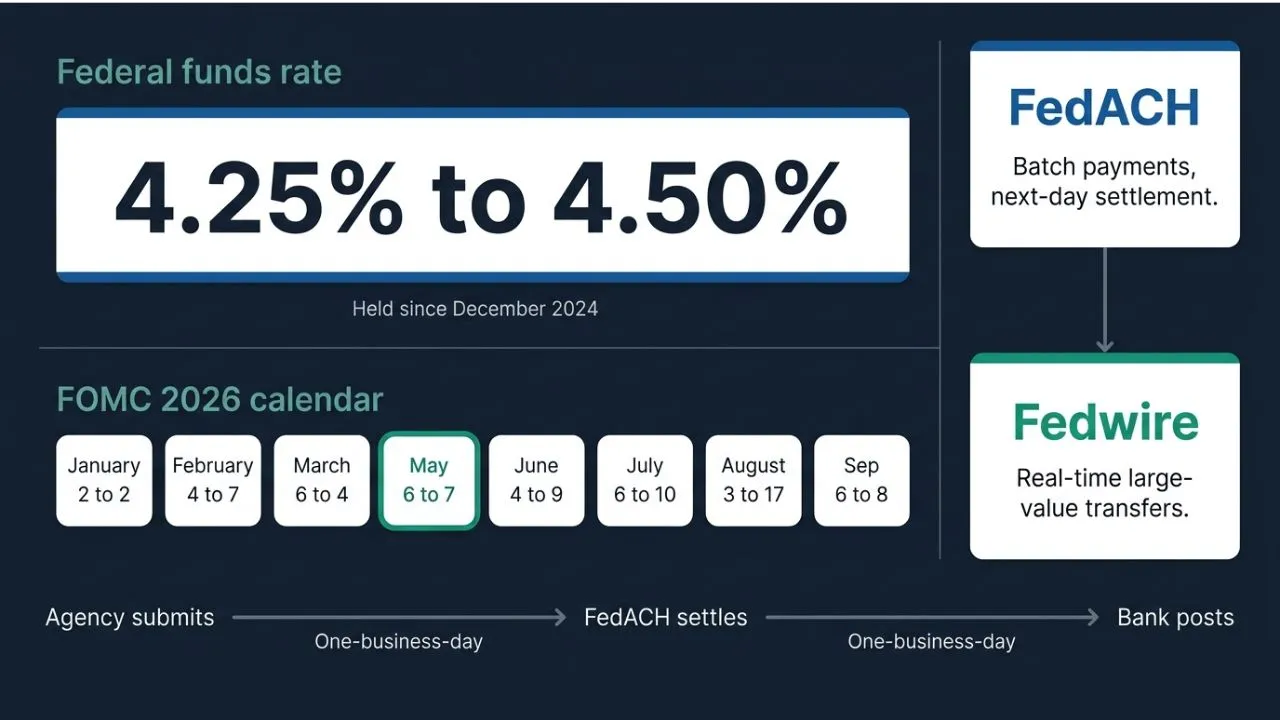
The signal is the language surrounding what comes after it. The U.S. money movement system connects the Fed’s policy target to the actual ACH disbursements that move money through the banking system understanding that pipeline is understanding why the Fed’s words on Tuesday matter to the deposit you see on Wednesday.
What Happens Between Now and Tuesday at 2:00 PM ET
The FOMC meeting opens Monday, April 28. The rate decision and the full statement text are released simultaneously Tuesday, April 29, at 2:00 PM ET. Chair Powell holds his press conference immediately following the statement release.
The press conference this week will carry weight that goes beyond the usual monetary policy questions. Every journalist in that room will ask about Powell’s tenure, the Warsh transition, the IG review, and the Fed’s institutional independence. How Powell answers or declines to answer will define the final chapter of his chairmanship in real time.
The FOMC meeting calendar at federalreserve.gov shows the remaining 2026 meeting schedule. If Tuesday’s decision is a hold, the next opportunity for a rate cut is the following meeting.
If Tuesday’s statement language signals urgency about deteriorating economic conditions, that cut timeline could compress quickly. If it signals patience and confidence in current policy, savers have more runway at current yields before any compression begins.
The Fed Inspector General’s review runs on its own track entirely separate from the monetary policy calendar. It will produce findings on its own schedule, measured in months. It is not a factor in Tuesday’s decision, in the press conference, or in the immediate rate trajectory.
What is a factor is that the Fed’s Inspector General office now holds the file that the DOJ closed and that transition gives the matter a different institutional character than a criminal investigation while keeping it alive as a potential pressure point on Fed leadership.
What This Means
The Powell probe dropped at the moment it mattered most three days before the rate decision that sets the direction of consumer deposit yields for the next quarter. The Fed enters Tuesday’s meeting with restored institutional footing, a sitting chair who is not under criminal investigation, and a succession question that is now actively in motion rather than dormant.
None of that guarantees a cut. None of that guarantees a hold with dovish language. What it guarantees is that whatever the Fed communicates Tuesday will be delivered by an institution that is not simultaneously managing a criminal crisis and that the communication will carry more credibility as a result.
What You Should Do Right Now
- Read the March 18 FOMC statement at federalreserve.gov today so you understand exactly what language Tuesday’s statement will be compared against word by word.
- Note your current savings rate on every high-yield account you hold and record whether your bank has sent any yield change notices for May.
- Watch the 2:00 PM ET announcement on April 29 and read the full statement text directly at federalreserve.gov before acting on any financial decision based on media headlines.
- If you hold variable-rate products HELOCs, adjustable-rate mortgages, or variable auto loans, review your rate adjustment terms and cap structures now, before Tuesday’s communication moves market expectations faster than you can respond.
The rate decision is 96 hours away. The press conference follows immediately. The number matters. The language matters more.
Editorial Note: Investozora is an independent news publication. This content is for informational purposes only. For official guidance, visit federalreserve.gov.