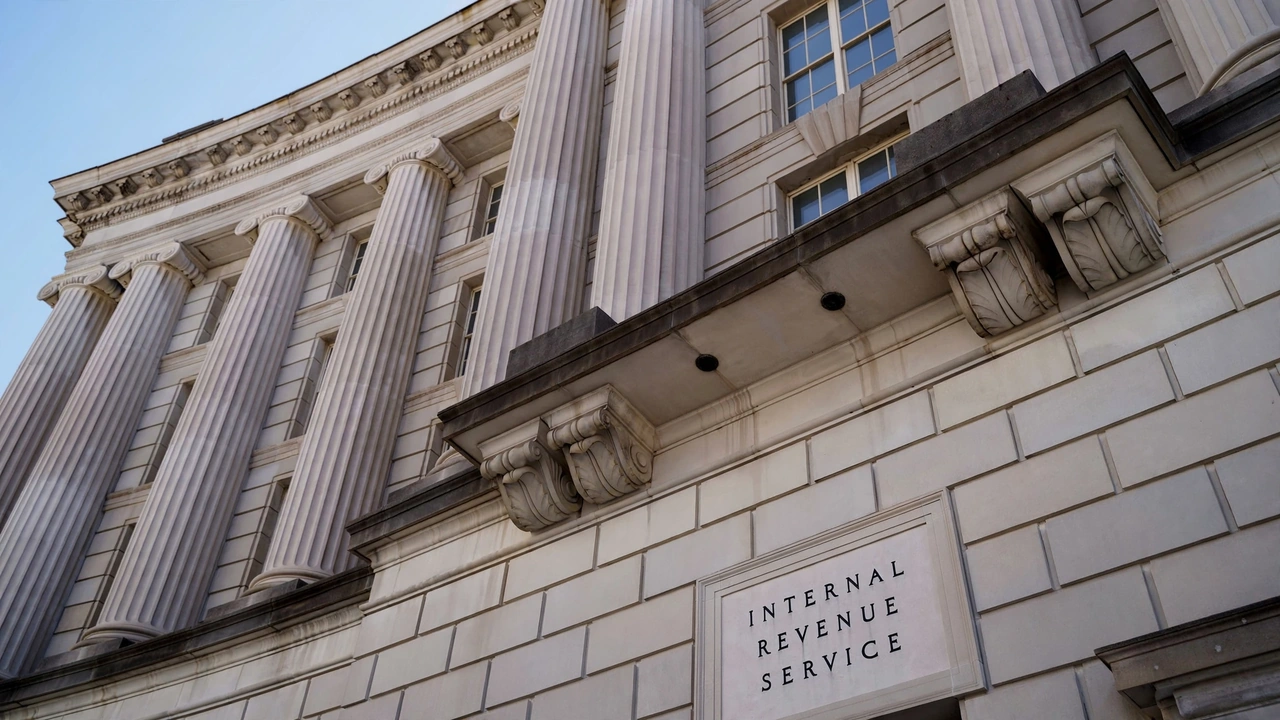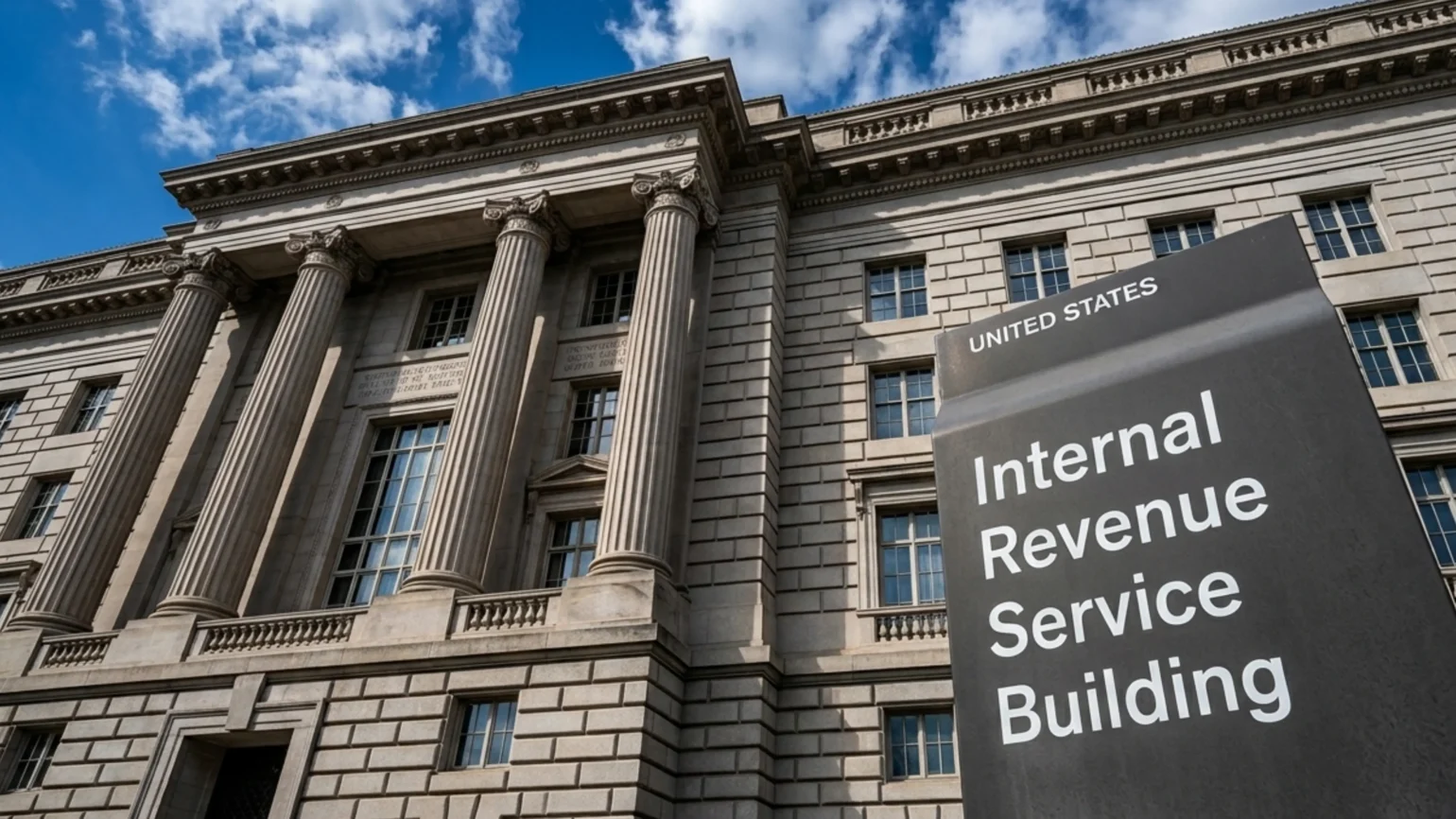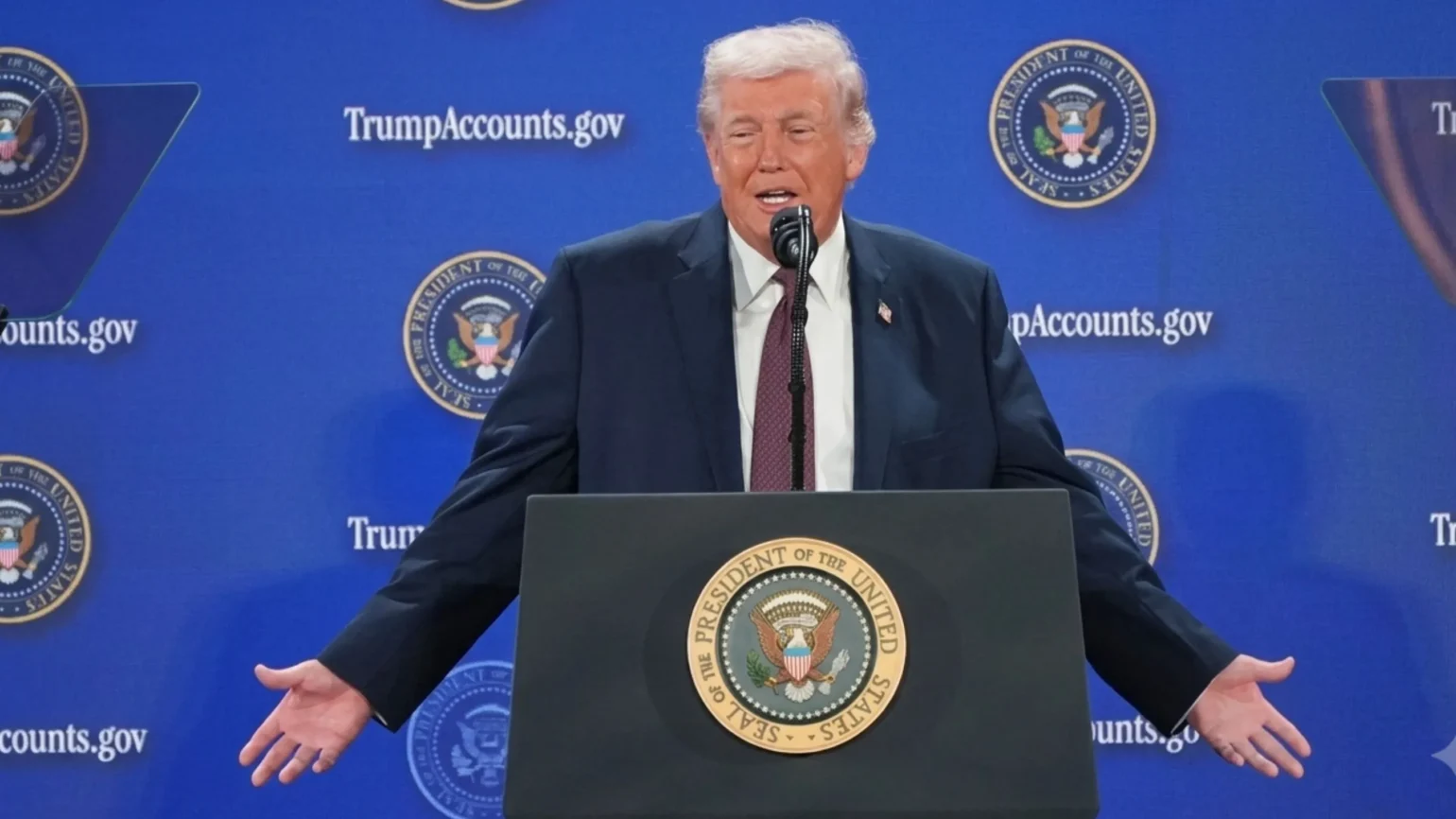

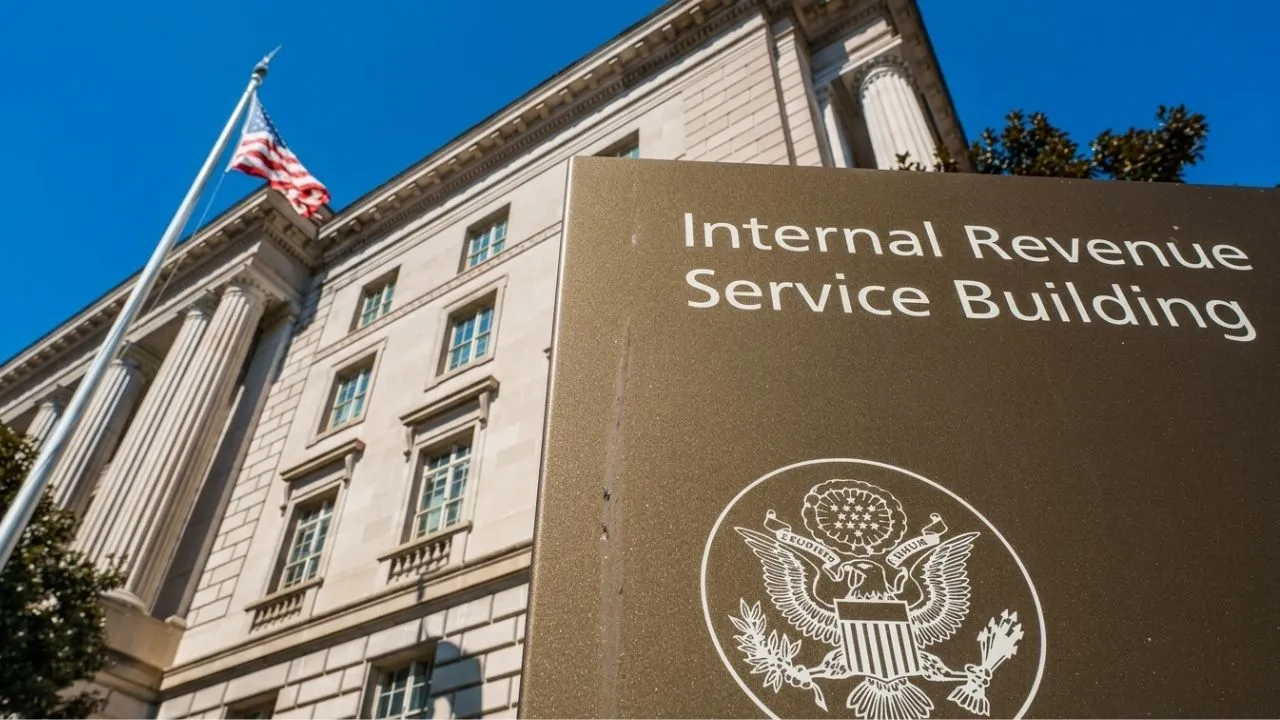
A federal judge has ordered Trump’s legal team and the Department of Justice to justify the jurisdictional basis for the president’s $10 billion lawsuit against the IRS and the Treasury Department over alleged unauthorized disclosures of his tax records. The order was reported by NBC News, CNN, Politico, and Bloomberg on April 25.
A federal judge has questioned whether Donald Trump’s $10 billion lawsuit against the IRS and Treasury Department has the legal standing to proceed, introducing a new dimension to a case that had already drawn national attention for its scale and its conflict-of-interest complications.
The Trump lawsuit judge’s action does not resolve the case. It raises a threshold legal question that must be answered before the case can advance to any substantive hearing.
The judge ordered attorneys for the president and for the Department of Justice to file briefs justifying why the court has jurisdiction over the lawsuit at all.
That order is significant. Federal courts do not assume jurisdiction over lawsuits against the U.S. government. The government must consent to be sued, and that consent is strictly governed by statute.
What Sovereign Immunity Means and Why It Matters Here
Sovereign immunity is the legal doctrine that prevents citizens from suing the federal government unless Congress has explicitly authorized such a lawsuit. The U.S. government cannot be dragged into court on a $10 billion damages claim simply because a plaintiff believes a government agency acted wrongly. There must be a specific federal statute that waives the government’s immunity and creates a legal pathway for the claim.
The Trump lawsuit alleges that IRS and Treasury employees improperly disclosed the president’s private tax records without authorization. The lawsuit was filed seeking $10 billion in damages.


The question now before the court is whether any applicable federal statute actually allows such a damages claim to proceed against the IRS and Treasury in this manner, for this amount, under these circumstances.
If the court determines that no sufficient jurisdictional basis exists, the case can be dismissed before it ever reaches the merits. The judge’s order asking both parties to address jurisdiction is a standard procedural mechanism, but the fact that the court raised it proactively signals that the bench has identified a genuine question that the parties must answer before the litigation moves forward.
The IRS operates as a bureau of the Treasury Department. In a lawsuit alleging IRS misconduct, the institutional defendant is ultimately the Treasury. The Bureau of the Fiscal Service, which handles disbursement of federal payments including tax refunds through the FedACH network, is a separate Treasury bureau and is not named in the Trump lawsuit.
Normal IRS operations, including refund processing and tax administration, are entirely unaffected by this litigation. For a current view of where regular refund processing stands, the IRS has confirmed that the 2026 filing season is progressing on schedule.
The DOJ Conflict and What the Settlement Talks Were About
This case has carried an unusual structural complication from the beginning. The Department of Justice represents federal agencies in civil litigation. In the Trump lawsuit, the DOJ is simultaneously positioned as the legal representative of the defendant agencies, the IRS and Treasury, and as a department operating within an executive branch headed by the plaintiff president. That is not a typical alignment of interests.
Earlier this month, attorneys for the president stated they were in discussions about potentially resolving the lawsuit without trial. Those settlement discussions, which were covered in the Trump IRS settlement article, were the most recent significant development before this week’s jurisdictional order.
Settlement discussions and jurisdictional challenges are not mutually exclusive. A court can continue to ask questions about its own authority to hear a case while the parties separately explore a negotiated resolution.
The jurisdictional challenge, however, changes the calculus. If the court ultimately finds that sovereign immunity bars the claim, there is nothing to settle. The case ends. Settlement discussions would become moot. Conversely, if the parties reach a negotiated agreement before the court rules on jurisdiction, the case would be dismissed on the parties’ own motion and the jurisdictional question would never be formally resolved.
For a full understanding of how the IRS and Treasury interact within the federal payment infrastructure, the money movement system guide explains the institutional roles of every agency in the federal disbursement chain.
What This Means for Regular Taxpayers and IRS Operations
The answer is direct: nothing in this lawsuit affects any taxpayer’s refund, filing status, account standing, or any interaction with the IRS. The lawsuit involves alleged conduct related to confidential return information disclosure. It does not challenge IRS operational authority, refund processing systems, or any aspect of tax administration that touches ordinary filers.
The IRS processes tens of millions of returns each filing season. That work continues through its own operational infrastructure regardless of litigation involving the agency. Anyone waiting on a 2026 refund can check status through the IRS Where’s My Refund tool.
Anyone with questions about their return should consult the IRS newsroom for official guidance. For a complete explanation of how refunds are processed and timed, the refund processing guide covers the complete lifecycle from filing to deposit.
The filing season update covers the 2026 tax season timeline and any relevant deadlines still in effect.
What Happens Next
The court’s jurisdictional order requires responses from Trump’s legal team and the DOJ before the case proceeds. Both sides will submit legal briefs arguing their position on whether the court has authority to hear the lawsuit. The judge will then review those arguments and issue a ruling.
If the court finds jurisdiction is absent, the case is dismissed. The plaintiff could appeal that dismissal to a higher federal court.
If the court finds jurisdiction exists, the case advances to the next stage of litigation, which would likely involve discovery, motions on the merits, and the potential for a trial or settlement.
The timeline for a jurisdictional ruling depends on the court’s briefing schedule and docket. Such rulings can take weeks to months after briefing is complete.
The development is significant for the legal record of executive branch litigation against federal agencies. It is not significant for anyone waiting on a tax refund or interacting with the IRS in any standard capacity.
What This Means and What You Should Do Now
- If you are waiting on a 2026 tax refund, this case has no effect on your refund timeline. Check your refund status through the IRS Where’s My Refund tool at irs.gov.
- If you have questions about your IRS account, tax return status, or any correspondence from the IRS, consult irs.gov/newsroom for official current guidance.
- Monitor this story for the court’s ruling on jurisdiction. The ruling will determine whether the $10 billion case proceeds, is dismissed, or is rendered moot by settlement.
- Understand that IRS operational functions, including refund disbursement through Treasury’s FedACH network, operate on separate administrative authority from this litigation and are not subject to disruption by its outcome.
Editorial Note: Investozora is an independent news publication. This content is for informational purposes only. For official guidance, please visit irs.gov or home.treasury.gov.