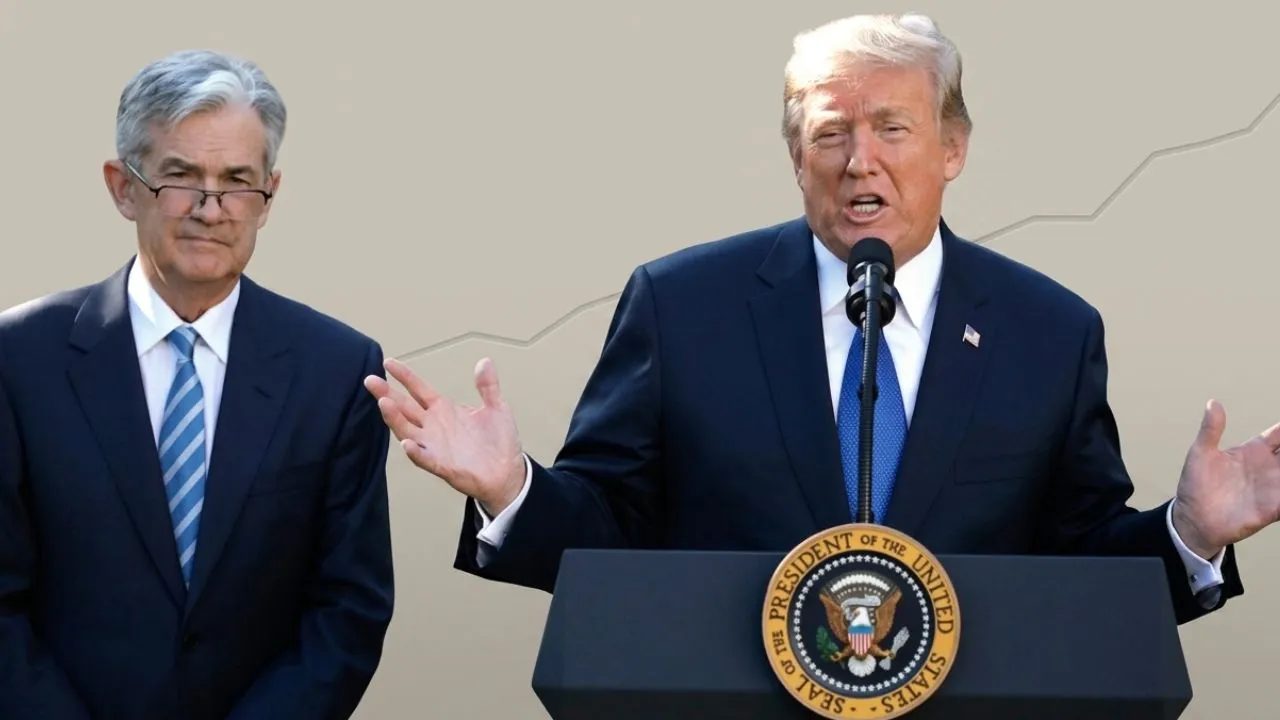

The Federal Reserve announces its rate decision at 2:00 PM ET on April 29, 2026, concluding a two-day meeting that marks Chair Jerome Powell’s final policy session before his term expires on May 15. The federal funds rate is expected to hold at 3.50 to 3.75 percent, the third consecutive hold of 2026.
The FOMC calendar shows the April 29 decision as the fifth policy meeting of Powell’s final year. The Federal Reserve’s Board of Governors sets the federal funds target rate, which cascades through the U.S. banking system to affect borrowing costs, savings yields, and mortgage rates for every American household.
What Happens on April 29
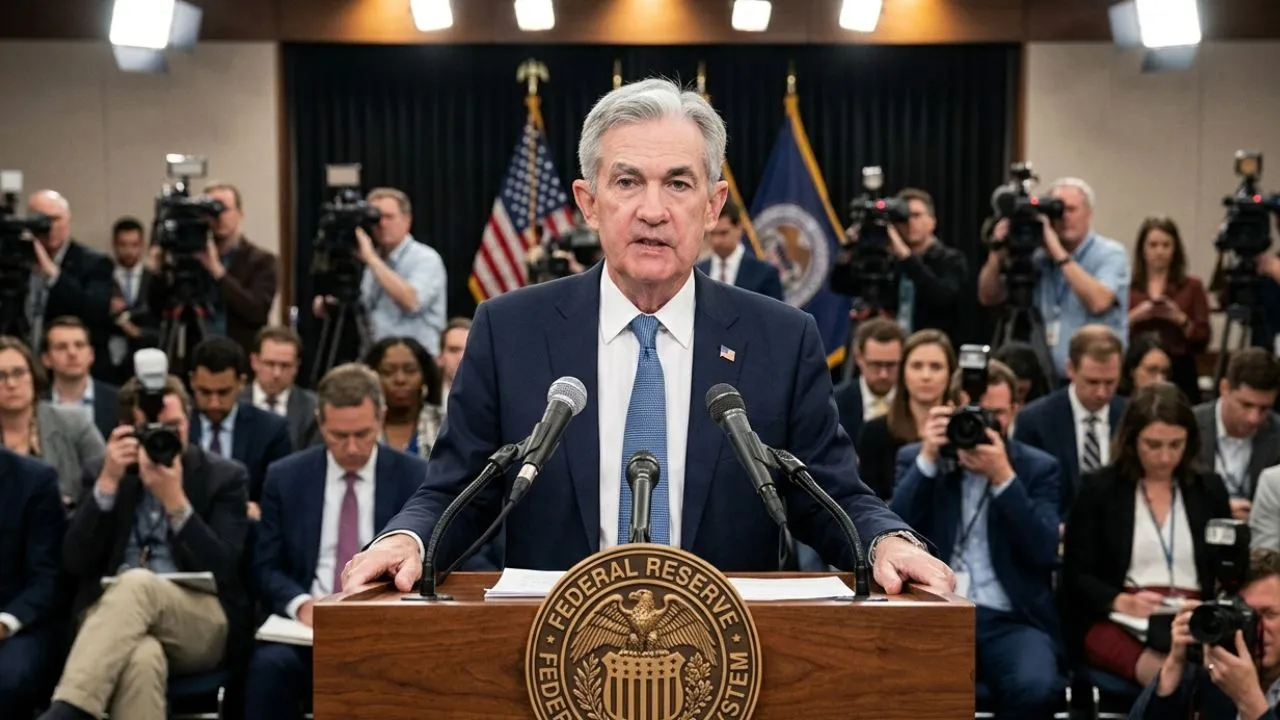
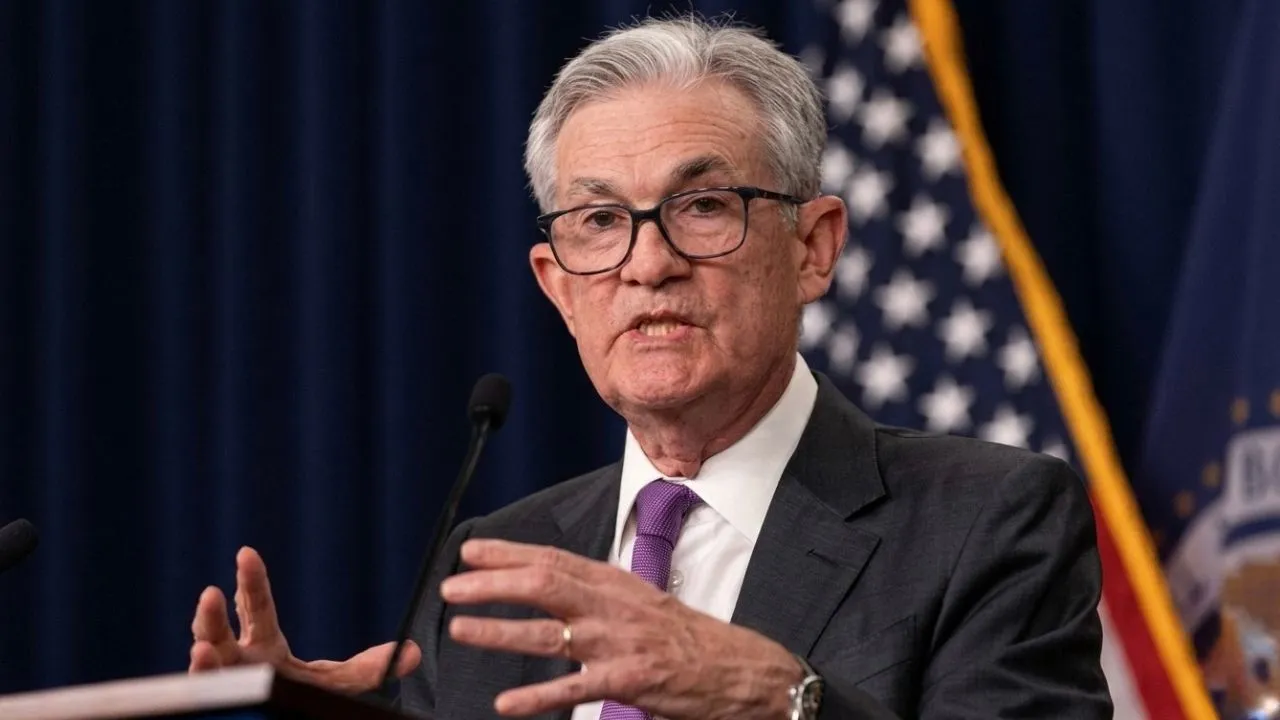
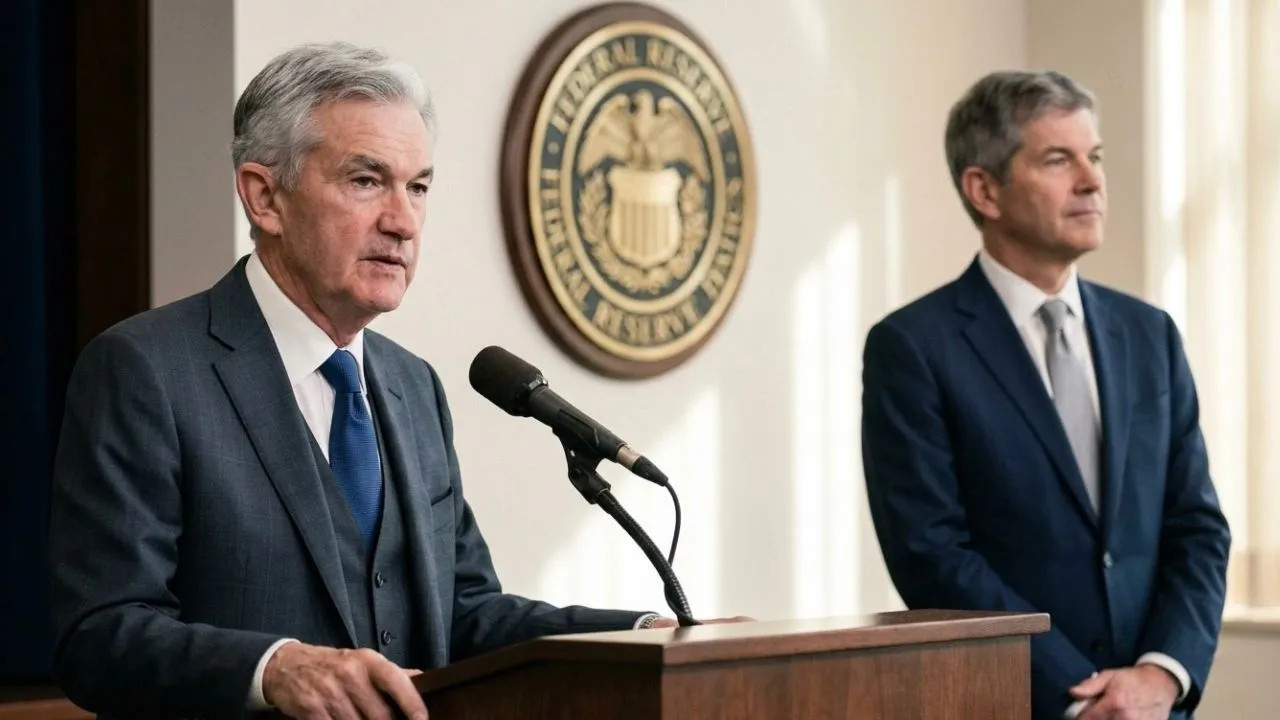
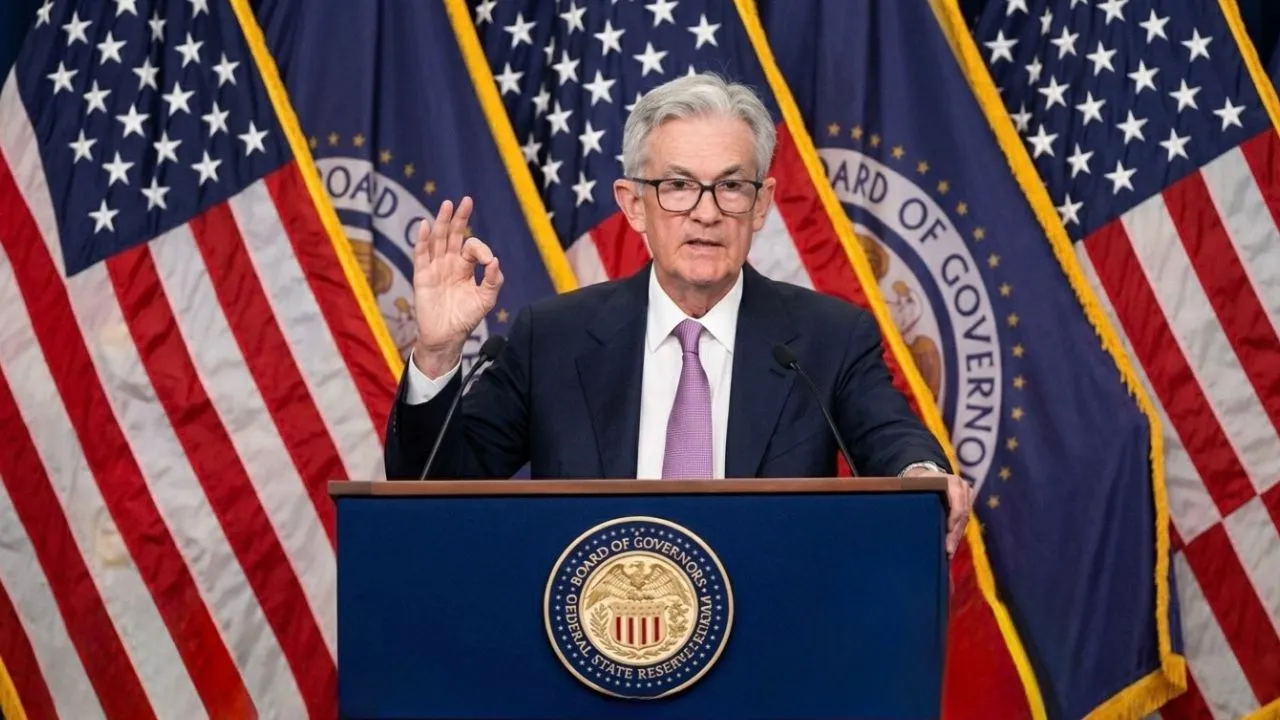
The Federal Open Market Committee releases its rate statement at exactly 2:00 PM ET on April 29. Powell follows with a press conference at 2:30 PM ET, which will be broadcast live at federalreserve.gov/live-broadcast.htm.
The statement and press conference together constitute the Fed’s complete communication to markets, banks, and the public. Both will be parsed for signals about the June meeting and beyond.
CME FedWatch places the probability of a hold at 99.9 percent as of the morning of April 29. Polymarket data confirms the same near-certainty. The federal funds rate has been held at 3.50 to 3.75 percent since January 28, 2026. The January hold and the March 18 hold precede April 29, making this the third straight meeting with no change.
Why the Fed Is Holding
March CPI rose 3.3 percent year over year, up sharply from 2.4 percent in February. Core CPI, which excludes food and energy, came in at 2.6 percent year over year and 0.2 percent month over month. The primary driver of the CPI spike is an oil supply disruption linked to Middle East conflict and reduced throughput at the Strait of Hormuz.
Energy price shocks of this kind complicate the Fed’s inflation calculus because they are supply-driven rather than demand-driven, but the committee cannot cut rates while headline inflation runs above 3 percent without risking a signal that it is tolerating elevated prices.
The March FOMC statement described conditions of “elevated uncertainty,” language that has appeared in both 2026 statements and reflects the committee’s reluctance to commit to a timeline for easing. That phrase is the baseline against which April 29’s statement will be measured word for word. Our FOMC preview coverage detailed the oil shock dynamic and its role in the committee’s deliberations.
The Dissent Vote
At both the January 28 and March 18 meetings, Federal Reserve Governor Christopher Waller and Fed Governor Stephen Miran voted for a 25 basis point cut. Their dissents were the only votes against the hold at both meetings. If additional committee members join Miran and Waller on April 29, it signals building internal pressure for a June cut. If the dissent count holds at two, the June 16 to 17 meeting remains genuinely uncertain.
The dissent record matters because it is one of the few public windows into committee dynamics before minutes are released. The April meeting minutes will be published on May 20, 2026. Investors and economists will compare the April 29 vote count directly to January and March. Our coverage of the DOJ’s dropped investigation into Powell provides context on the political environment surrounding this final meeting.
What to Watch in Powell’s Press Conference
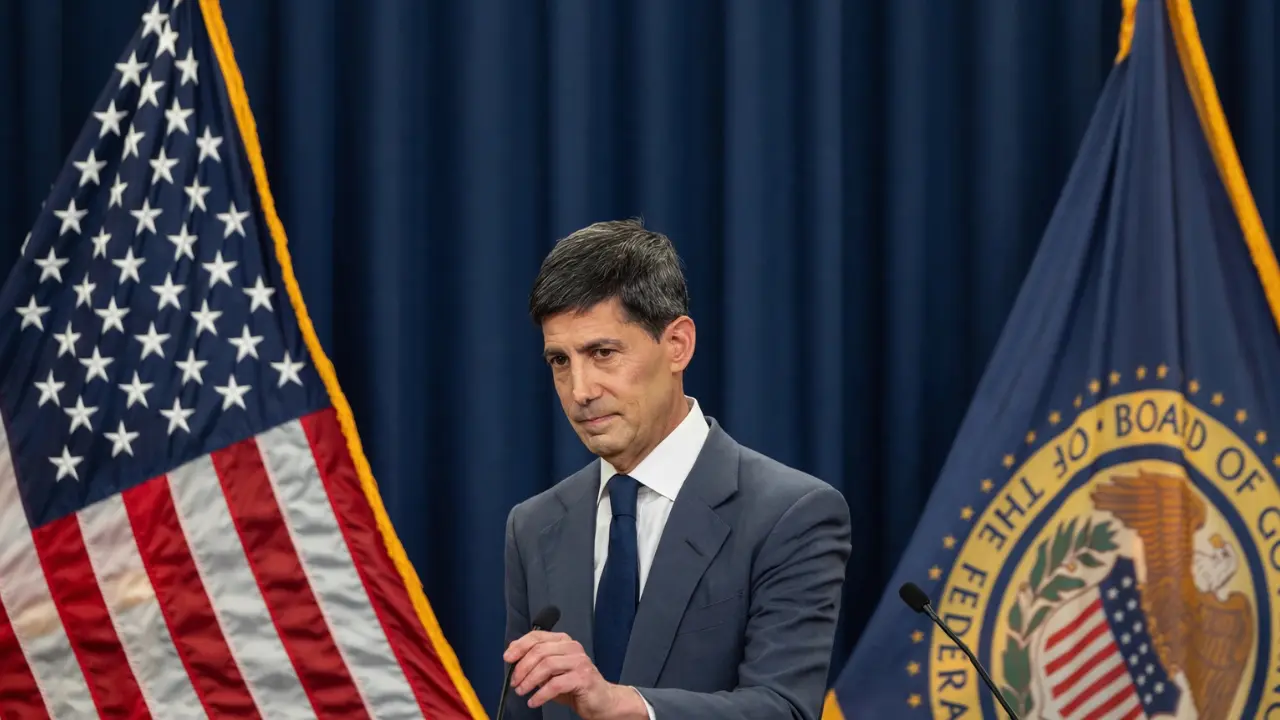
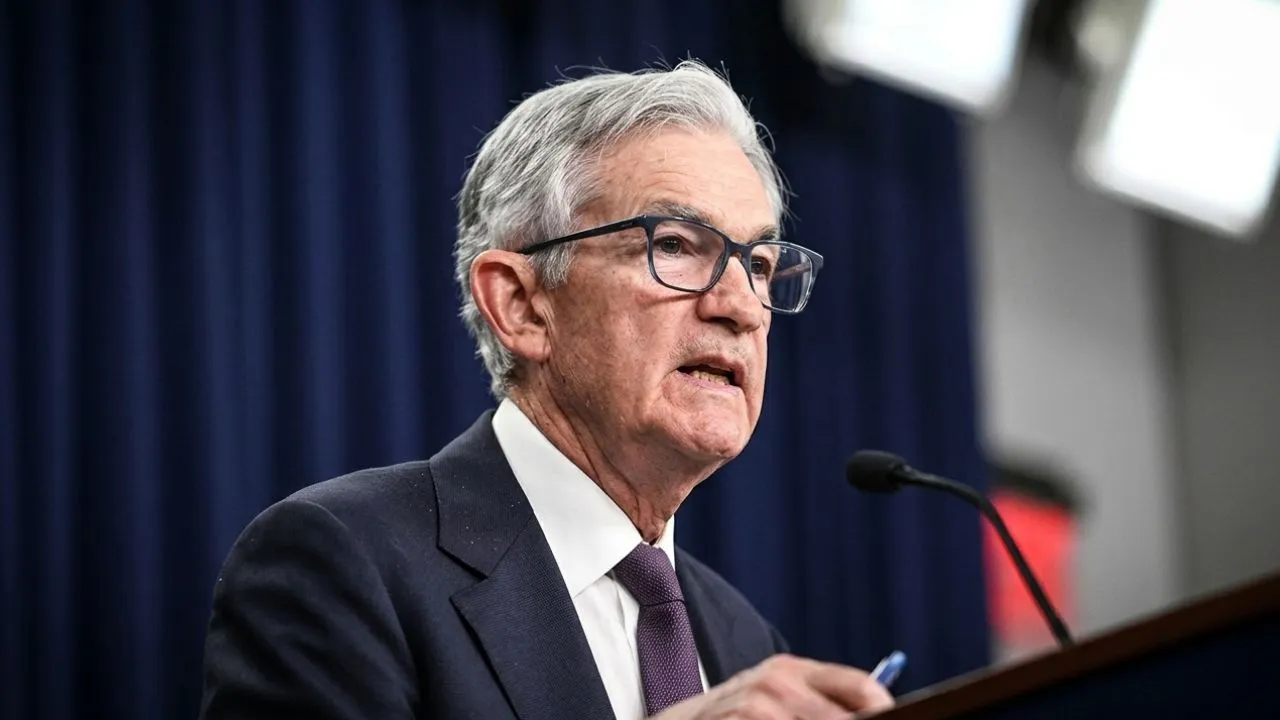
Powell’s 2:30 PM ET press conference on April 29 is his last as Federal Reserve Chair. Three questions will define how markets read his final communication.
First, will Powell confirm whether he intends to remain on the Federal Reserve Board of Governors after May 15? His Governor term runs through January 31, 2028. He has not confirmed publicly whether he will stay. His answer, or his non-answer, will affect perceptions of institutional continuity during the transition to his nominated successor.
Second, what tone does Powell set for the Kevin Warsh transition? The Senate confirmation path for Warsh cleared after Senator Tillis removed his hold. Warsh’s confirmation hearing coverage is available for those tracking how the incoming chair’s views differ from Powell’s on inflation tolerance and rate policy.
Third, does Powell offer any language about when rate cuts become appropriate? Any shift in his framing of the inflation outlook, the oil shock, or the committee’s confidence in returning to 2 percent would constitute a meaningful forward signal.
What This Means for Your Money
The hold at 3.50 to 3.75 percent preserves the rate environment that has kept high-yield savings accounts at 4.0 to 4.5 percent annual percentage yield at competitive online banks. That yield does not change on April 29. Banks set their own deposit rates with a lag after Fed moves, so a hold means no near-term reduction in what savers earn.
For borrowers, the 30-year fixed mortgage rate remains in the upper 5 to low 6 percent range. A hold on April 29 means no relief for homebuyers in May. The IRS underpayment interest rate, which is tied to the federal funds rate, also remains unchanged.
Understanding how Federal Reserve rate decisions flow through the banking system to consumer accounts is explained in our guide to the U.S. money movement system. The Federal Reserve does not transmit rate changes directly to bank accounts; banks adjust deposit and lending rates on their own timeline after each FOMC decision. Deutsche Bank projects no rate changes for the remainder of 2026, a forecast consistent with the inflation picture as of April 29.
What Comes Next
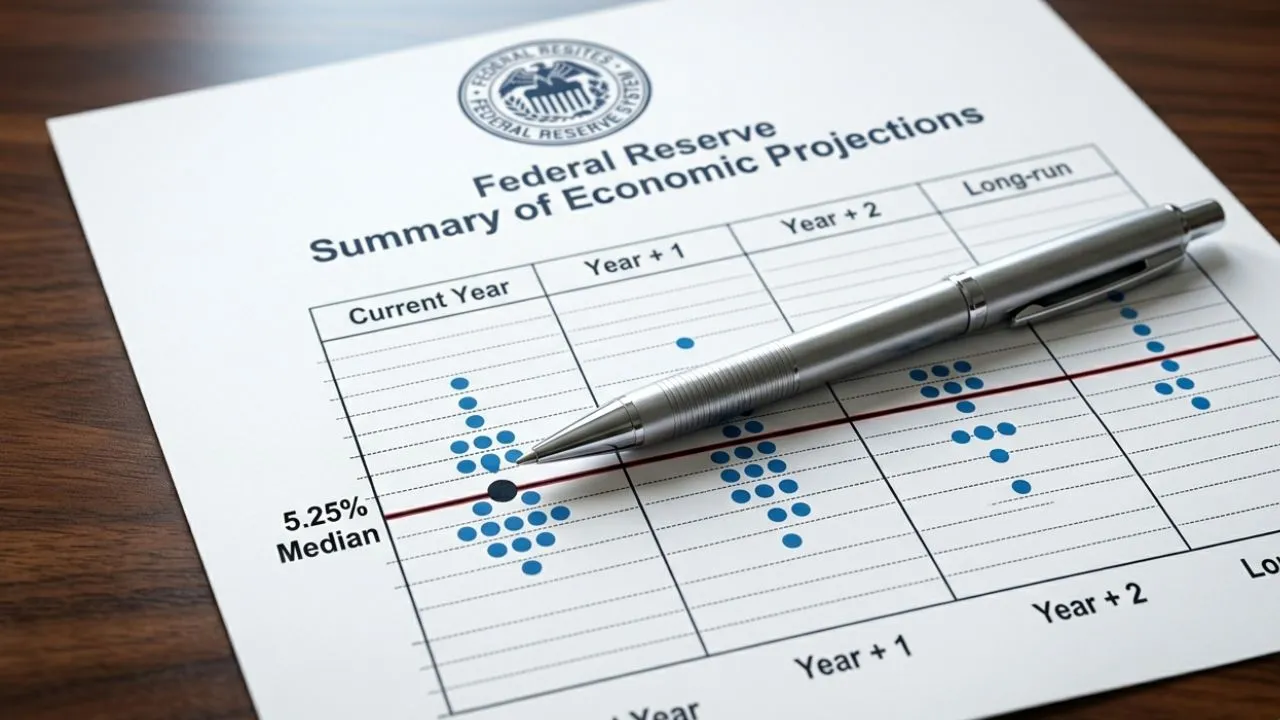
The next FOMC meeting is June 16 to 17, 2026. That meeting is significant because it includes the Summary of Economic Projections and the dot plot, which show each committee member’s rate forecast for the next two years. The dot plot will be the first concrete view of where the committee sees rates going after Powell’s departure.
April meeting minutes will be published on May 20, 2026. The minutes will detail the internal debate at the April 29 session, including the full context of any dissents and the committee’s discussion of the oil shock and inflation trajectory.
What You Should Do Now
- Watch the 2:00 PM ET rate statement on April 29 at federalreserve.gov/live-broadcast.htm for the exact vote count and any language changes from the March statement.
- Check your high-yield savings rate at your online bank. Rates should remain at 4.0 to 4.5 percent APY with no change expected.
- If you are shopping for a mortgage, expect rates to remain in the upper 5 to low 6 percent range through at least the June 16 meeting.
- Watch the June 16 to 17 FOMC meeting for the dot plot, which will be the first public rate forecast under the Warsh-era Fed.
- Review the April minutes when they are published on May 20, 2026 for full context on the dissent votes and committee debate.