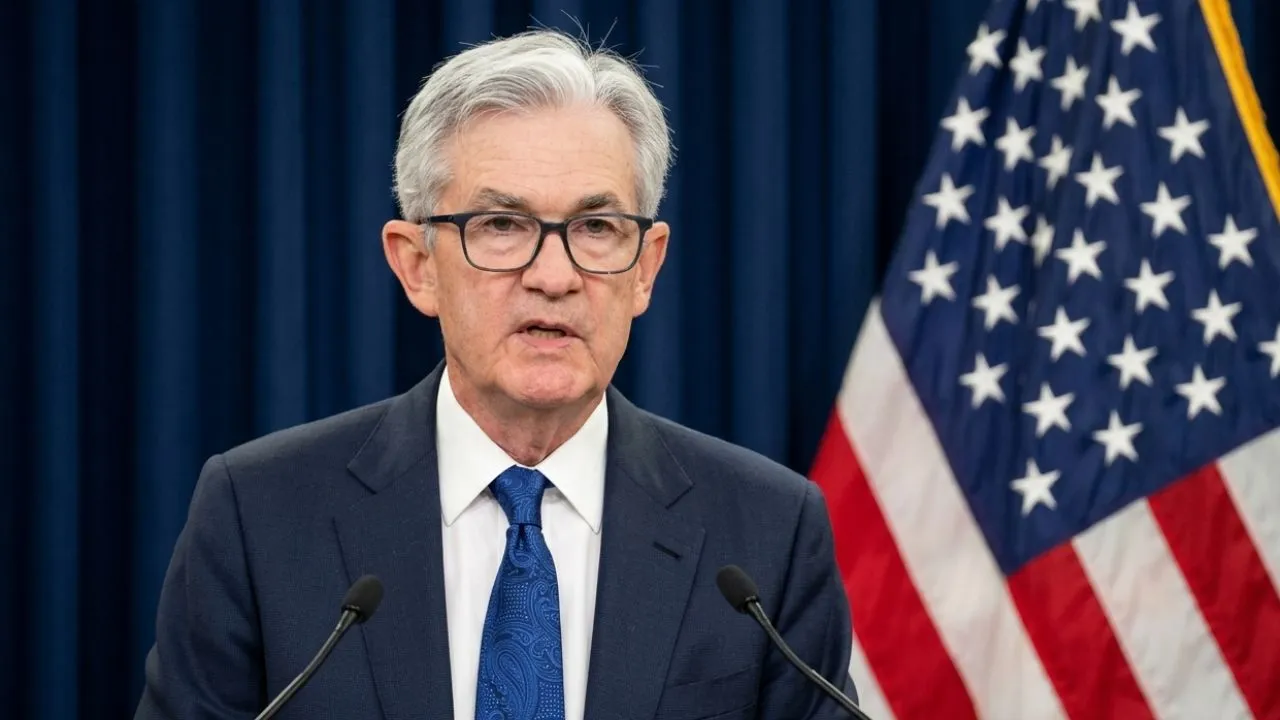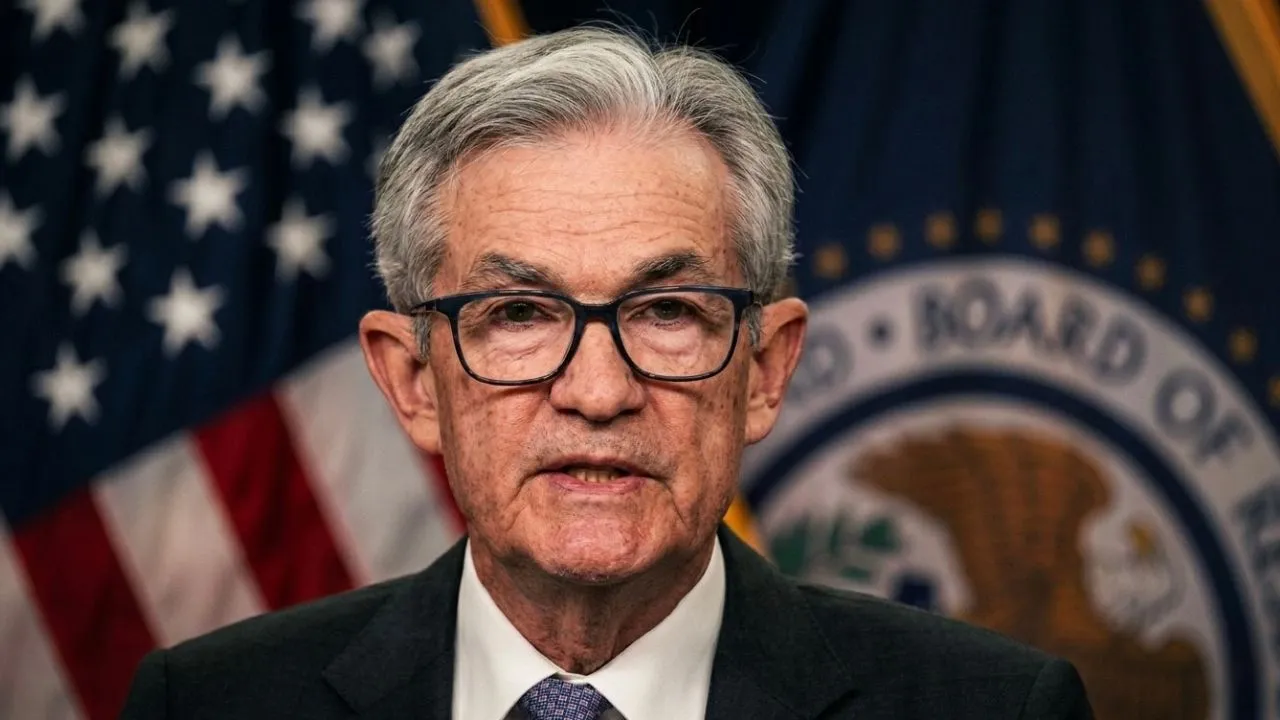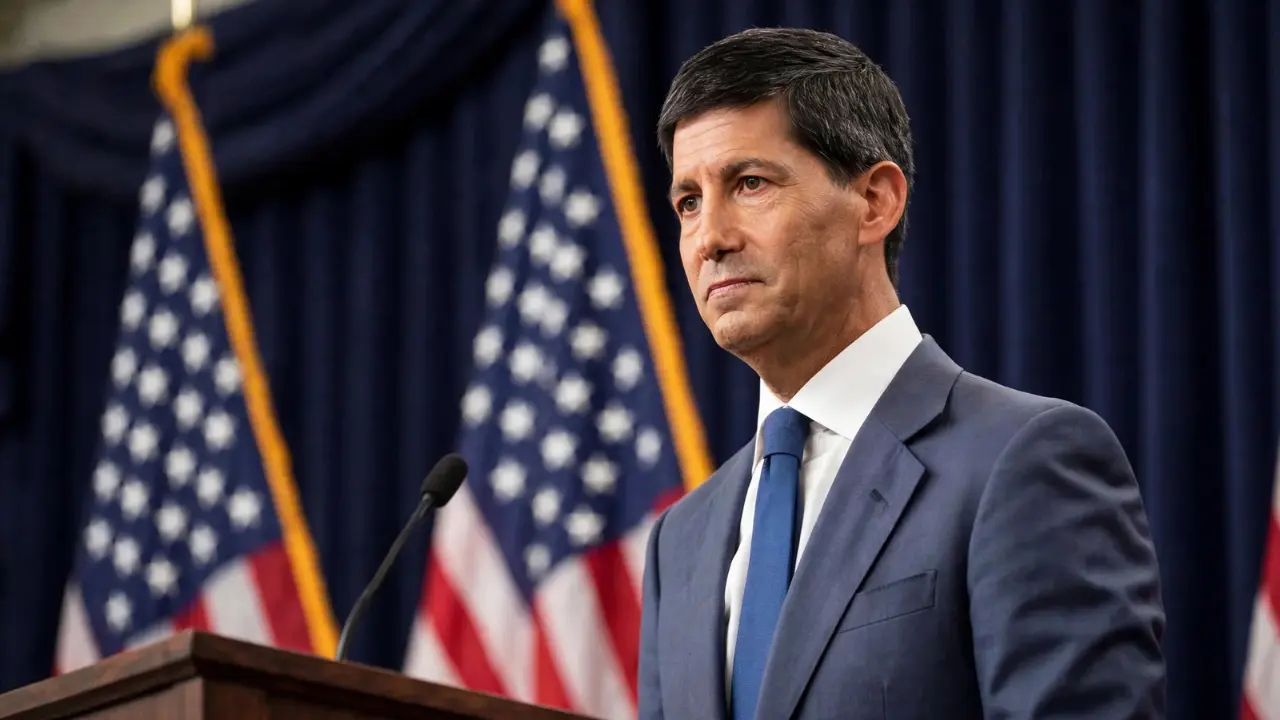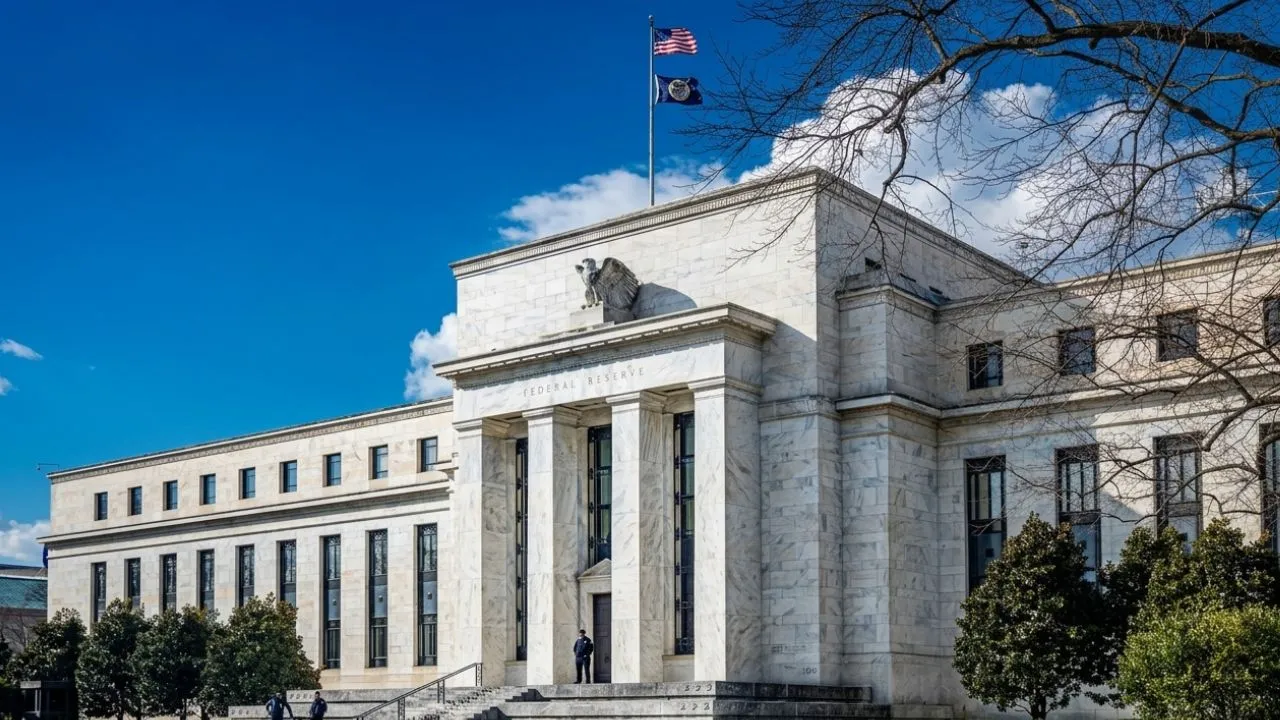

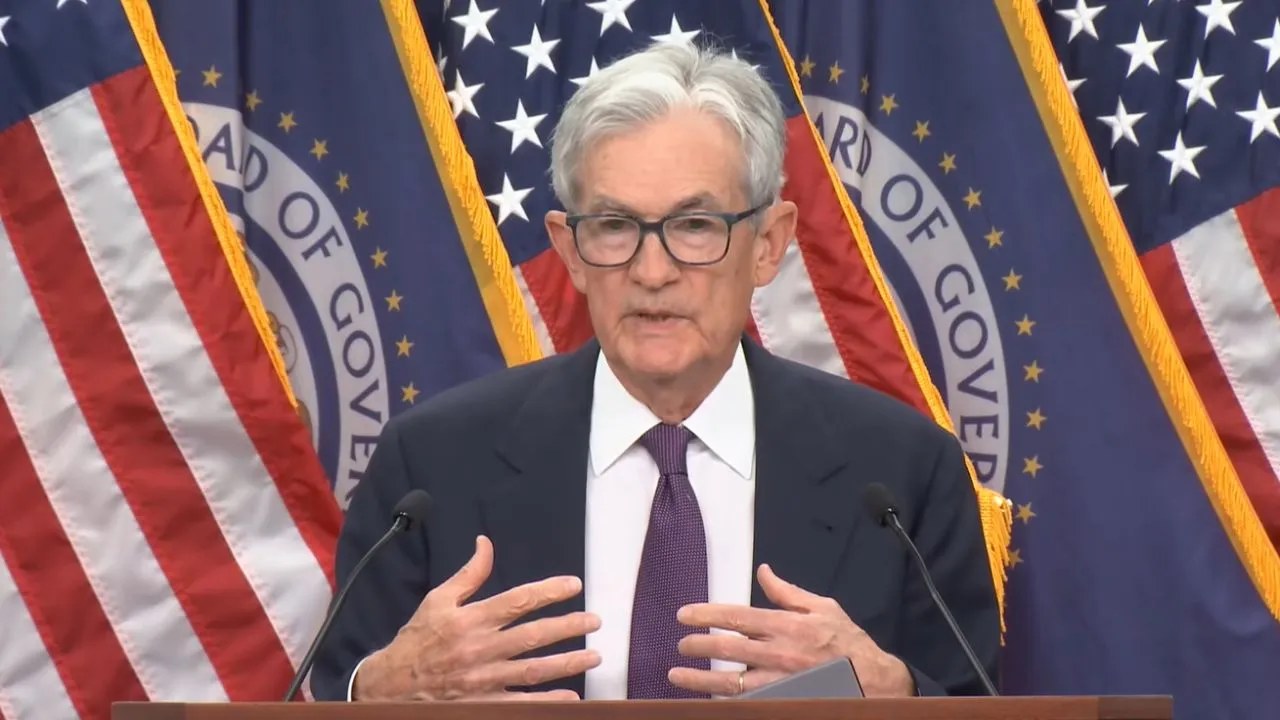
Federal Reserve Chair Jerome Powell held interest rates steady April 29 and defended the committee’s easing bias, even as oil approaches $120 a barrel, core inflation sits at 3.2 percent, and three committee members broke ranks.
What the Fed Decided
The Federal Open Market Committee voted to hold the federal funds rate unchanged at its April 28–29 meeting, a decision that drew no dissent on the rate itself. The disagreement was sharper on language.
Three committee members wanted to drop the easing bias — the signal that the Fed’s next move is more likely a cut than a hike and shift to a neutral stance. Powell acknowledged the committee’s discussion was vigorous and that the number of members willing to support that language change had grown since March.
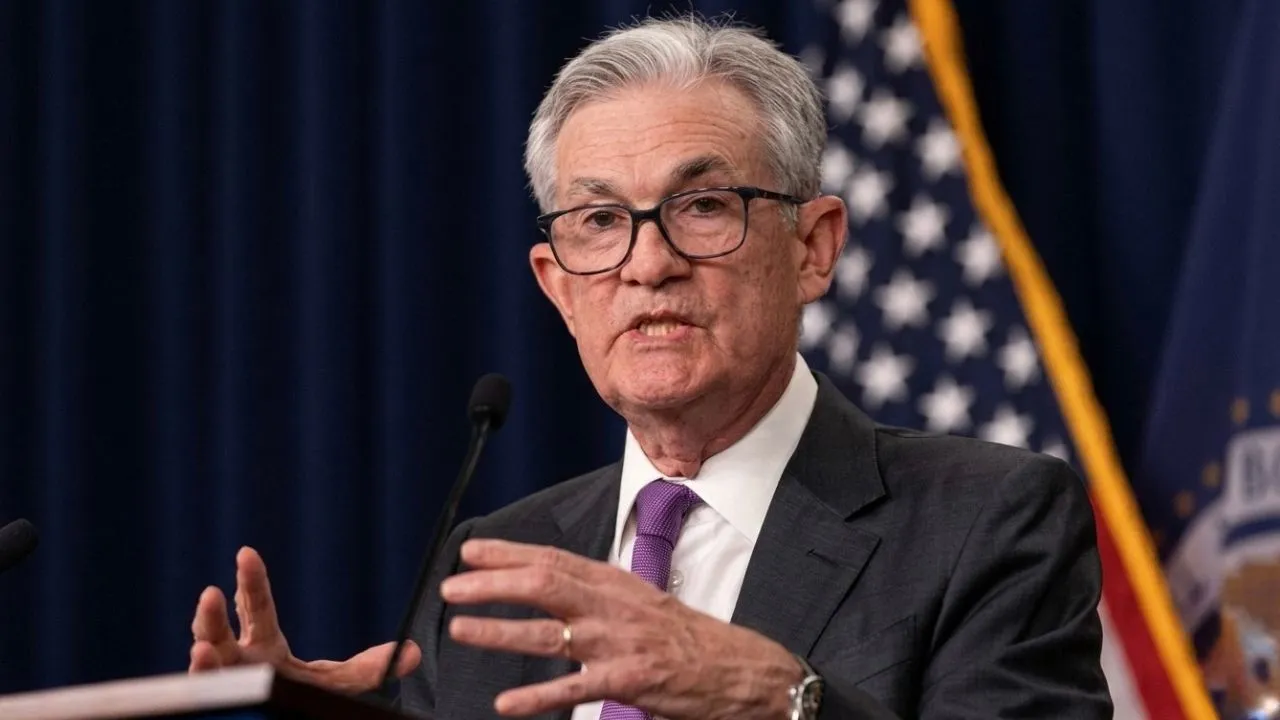
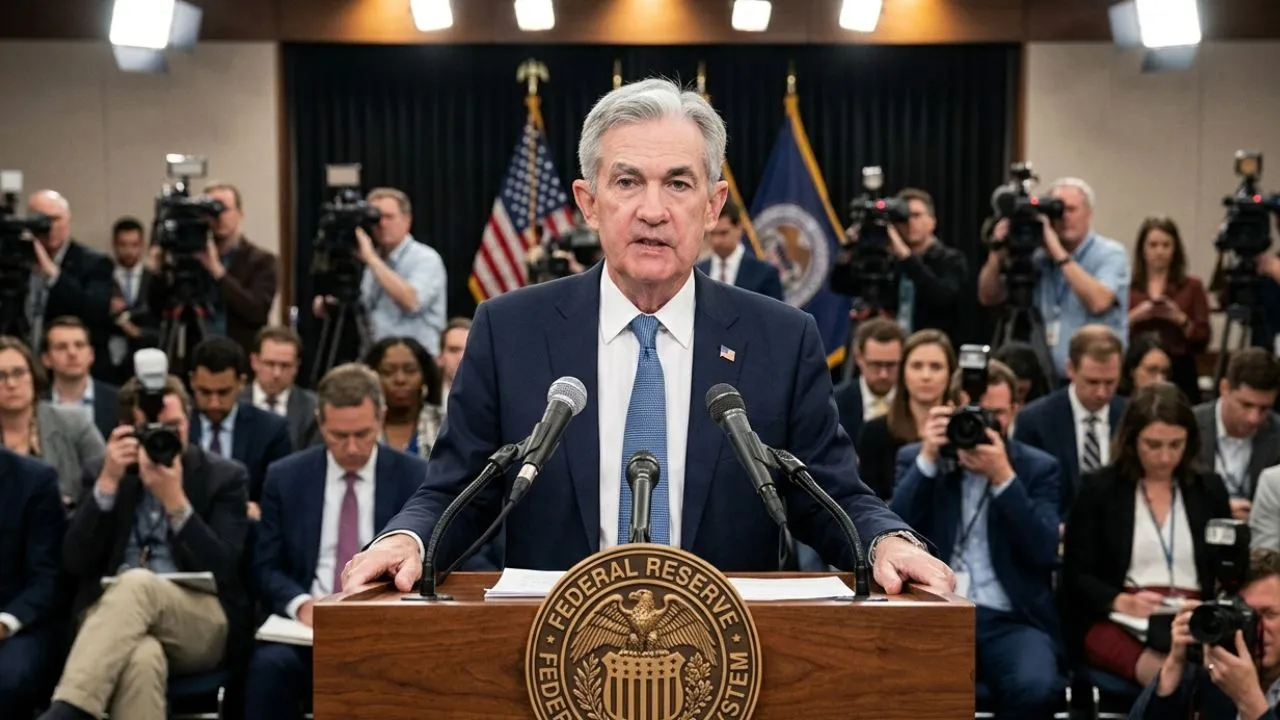
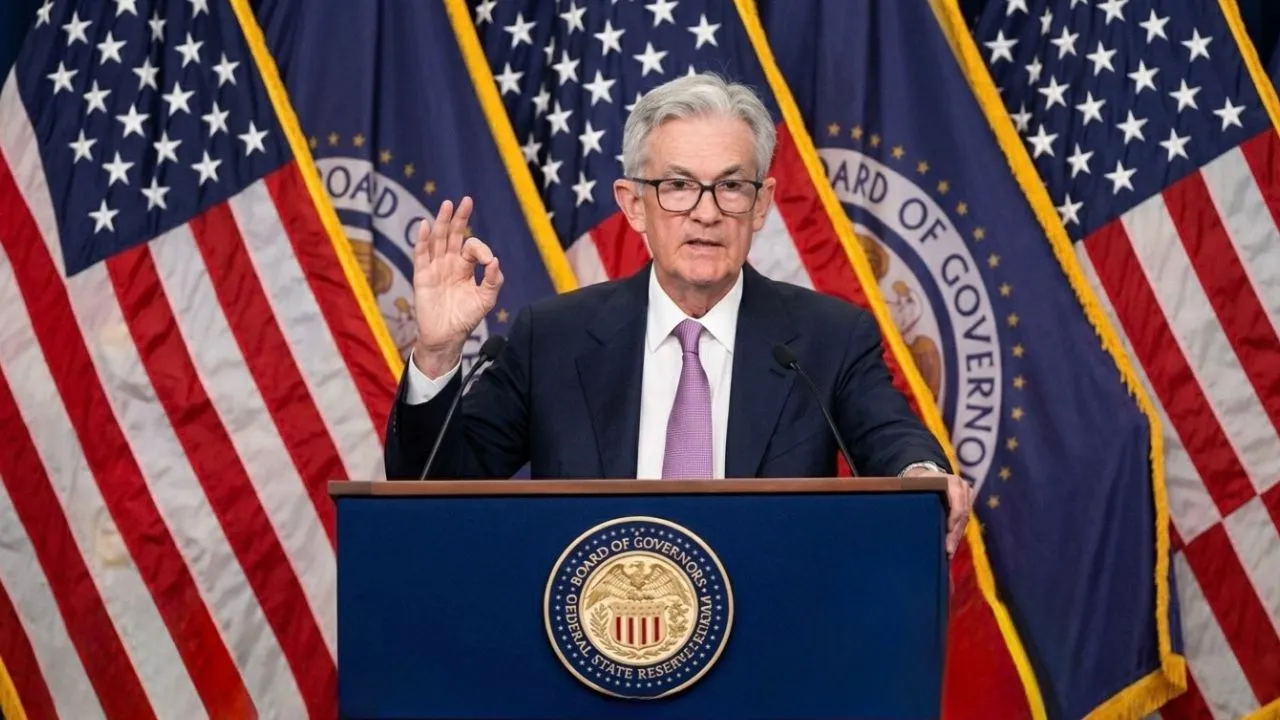
He held the line anyway. “There doesn’t need to be any rush to make that decision now,” Powell said. “What happens in the next thirty, sixty days could really change the picture.”
Core PCE inflation now stands at 3.2 percent. Oil is approaching $120 a barrel. Both figures moved in the wrong direction since the March meeting and both were front and center in the press room.
The Oil Question — and Why Powell Won’t Act Yet
Asked directly whether the easing bias would survive if oil holds near $120 through the June meeting, Powell declined to forecast. He noted that new Fed leadership would be in place by then and that the question of looking through an energy shock is, in his words, “not even in front of us right now.”
The textbook case for looking through oil shocks, that they are short-lived and monetary policy operates with long lags, applies here, Powell argued. But he added a meaningful qualifier: the Fed is already looking through the tariff shock. A second simultaneous pass on energy would require more confidence than the data currently justifies.
“We want to see the back side of that and progress on tariffs before we even think about reducing rates,” he said.
The tariff framework remains centered on the Fed’s longstanding hypothesis: price increases from import duties are one-time in nature and do not compound. Powell said the committee expects to see that play out over the next two quarters and is watching carefully.
Powell Stays — and Explains Why
In unusually direct language for a central banker, Powell addressed his decision to remain on the Board of Governors after his chairmanship ends May 15.
He framed it not as a political act but as an institutional one. The legal actions taken by the administration against the Fed are, in his words, “unprecedented in the 113-year history” of the institution. He described them as threatening the Fed’s ability to conduct monetary policy free of political influence, a condition he called foundational to the U.S. economy’s global standing.
“That piece of institutional architecture separates successful countries from unsuccessful ones,” Powell said.
He pushed back against the characterization that staying constitutes a political move in itself, noting that he had long planned to retire and that recent developments left him no choice but to see the process through. He said his plans as Governor are to keep a low profile and work within the tradition of supporting the incoming Chair.
Powell confirmed the DOJ has provided assurances it will not reopen the criminal investigation absent a referral from the Fed’s Inspector General. He called recent developments encouraging and said he is watching remaining steps carefully.
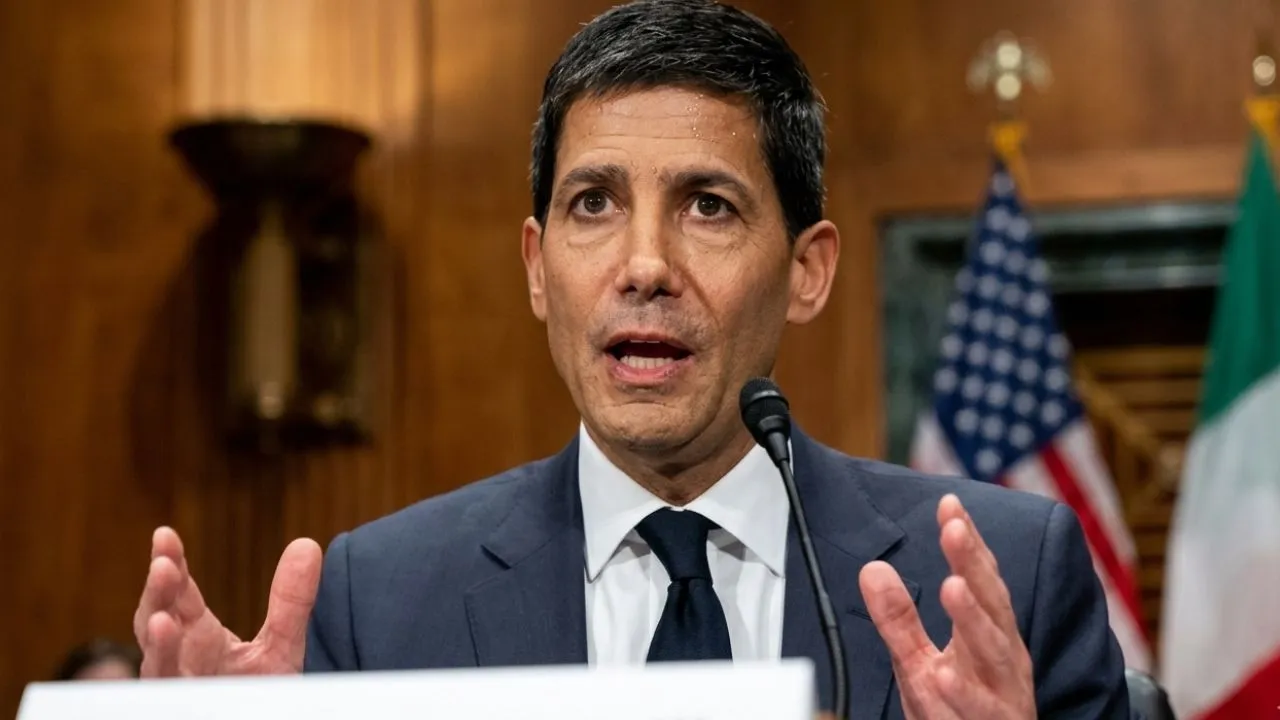
On transition: Powell said he has seen incoming Chair Kevin Warsh once at a dinner and expects a normal, standard handover. He declined to offer public advice on communications tools, including press conferences and the dot plot, after a reporter noted Warsh has expressed skepticism about both.
Q&A concluded with Powell reinforcing a cautious, data-dependent easing bias despite rising oil and inflation pressures. No commitment was made on timing of cuts, and policy direction remains contingent on incoming data and the June meeting outlook under the upcoming leadership transition.