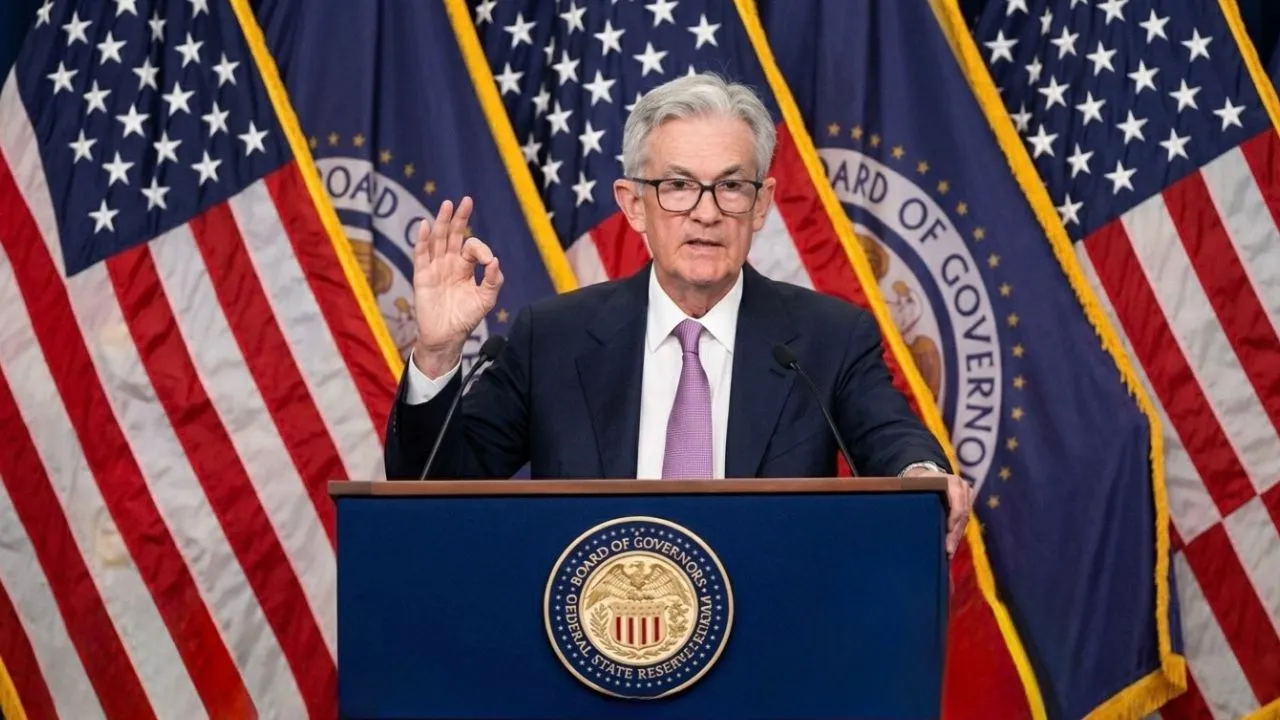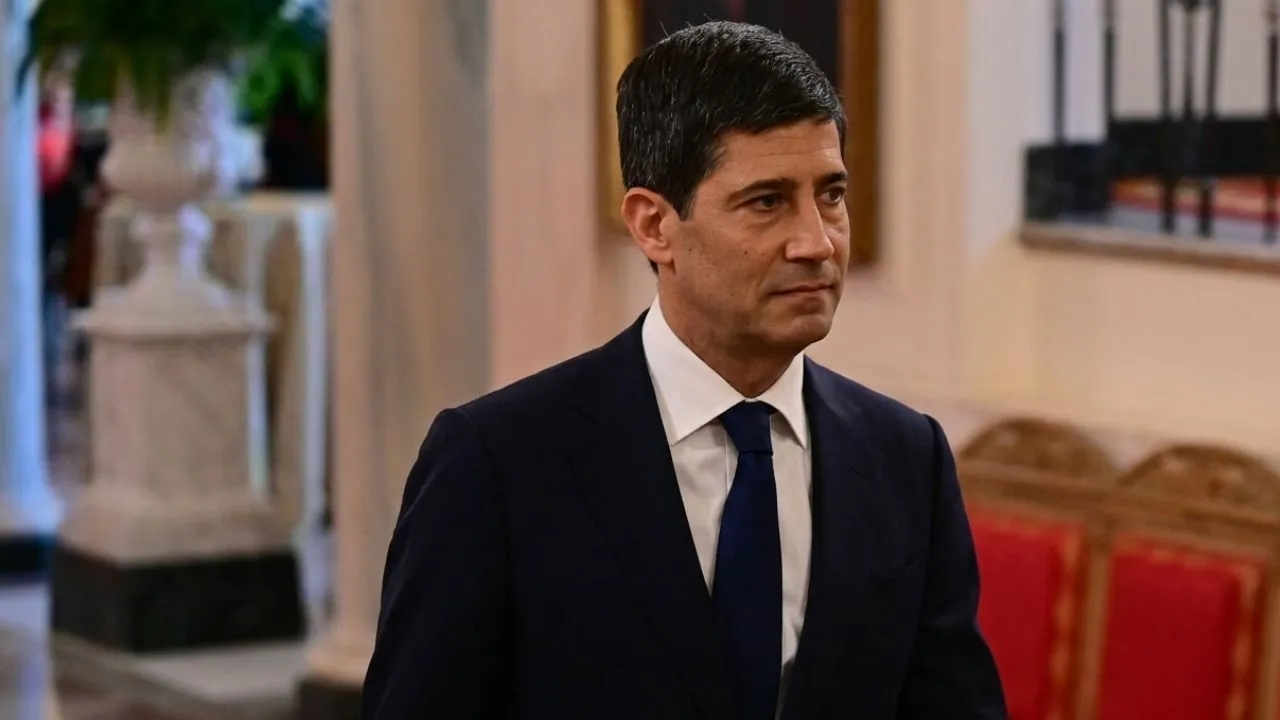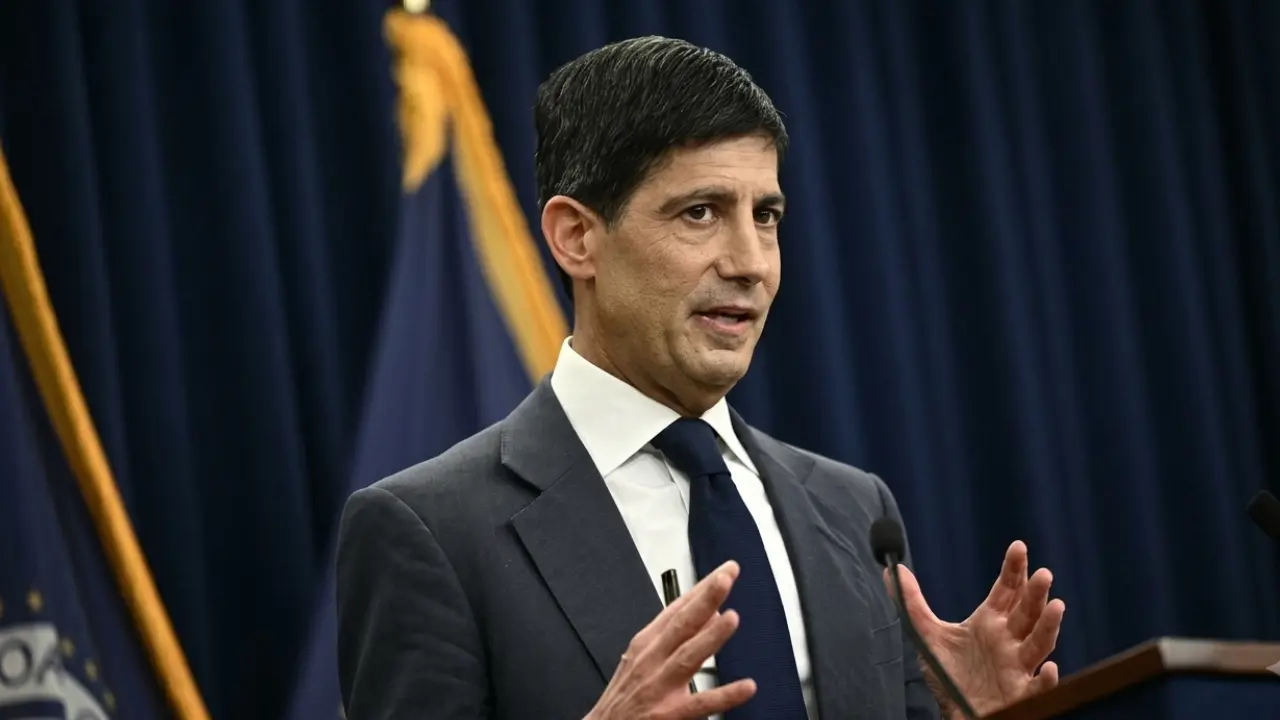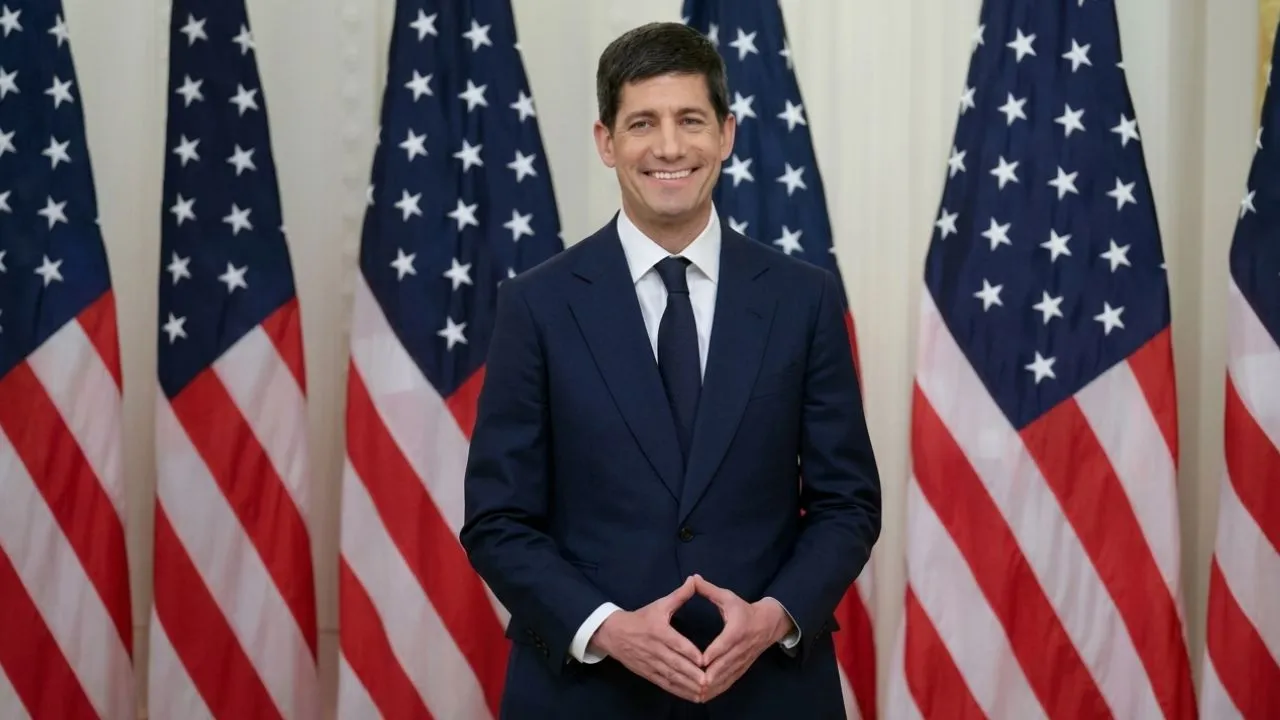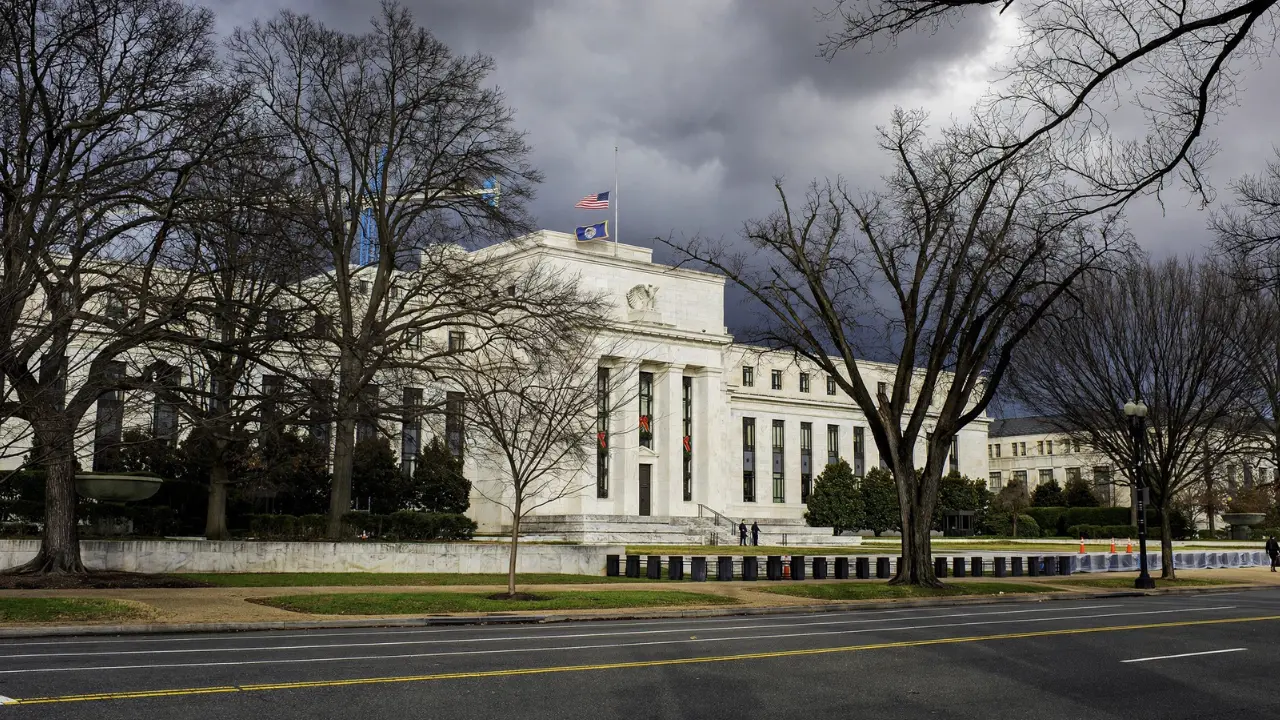

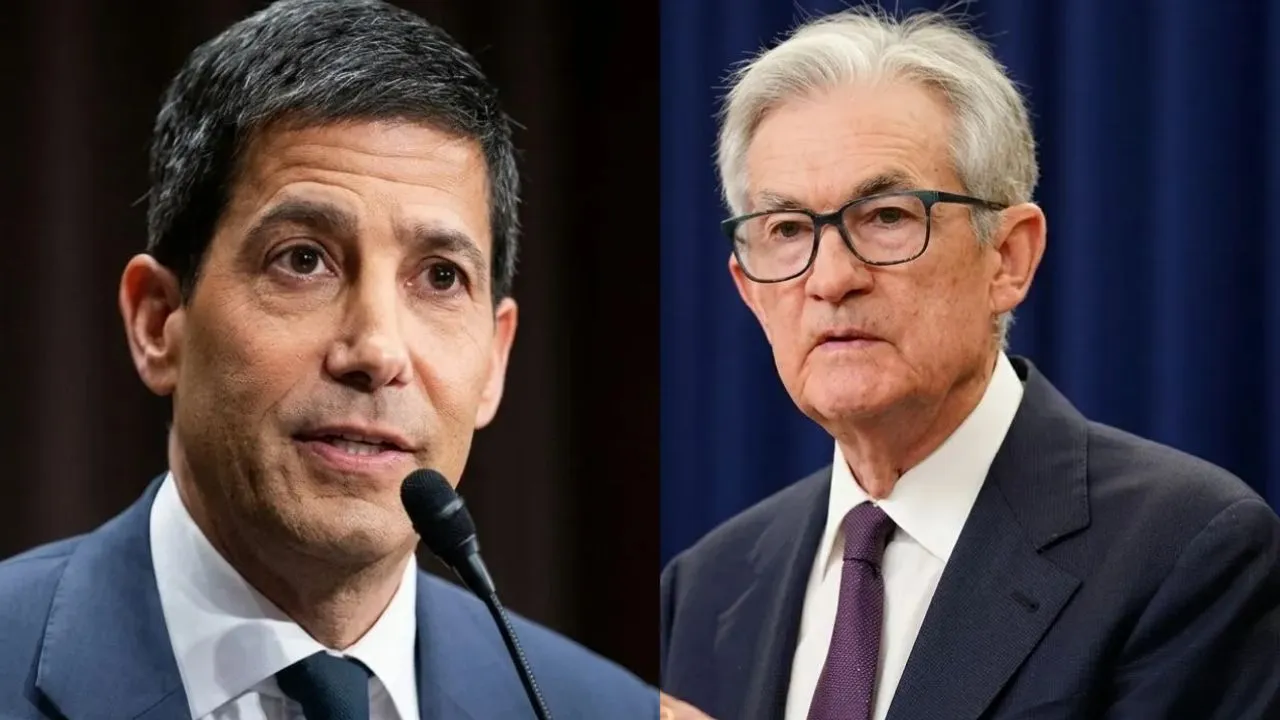
Jerome Powell just held interest rates unchanged for what is almost certainly his final time as Federal Reserve chair. Kevin Warsh is one Senate vote from replacing him.
The question every American with a savings account, a mortgage, or a car loan needs answered right now is simple and specific: what does this transition actually change for your money?
The Federal Reserve chair does not set rates alone. The Federal Open Market Committee, composed of twelve voting members, decides by majority vote. But the chair sets the agenda, shapes the consensus, runs the press conference, and communicates the policy framework to markets. When the chair changes, the policy framework changes with it, sometimes subtly, sometimes sharply.
The transition from Alan Greenspan to Ben Bernanke in 2006 fundamentally altered how the Fed communicated forward guidance. The transition from Janet Yellen to Powell in 2018 changed the pace of balance sheet reduction. The transition from Powell to Warsh is likely to be the most consequential in a generation.
The Federal Reserve operates FedACH, the payment network that settles every federal direct deposit, and sets the rate that determines what your bank earns lending overnight. Both functions will continue unchanged regardless of who chairs the committee. For the complete picture of how the Fed connects to your account, see our guide on how money moves through the federal payment system.
What Warsh Believes About Interest Rates
Kevin Warsh served as a Federal Reserve governor from 2006 to 2011. During that period he was among the most public internal critics of quantitative easing, arguing that the Fed’s bond-buying programs distorted market pricing and created long-term inflation risk.
His academic papers and public writings since leaving the Fed have consistently argued for a smaller Fed balance sheet, higher baseline interest rates, and faster response to inflationary signals.
Federal Reserve Policy
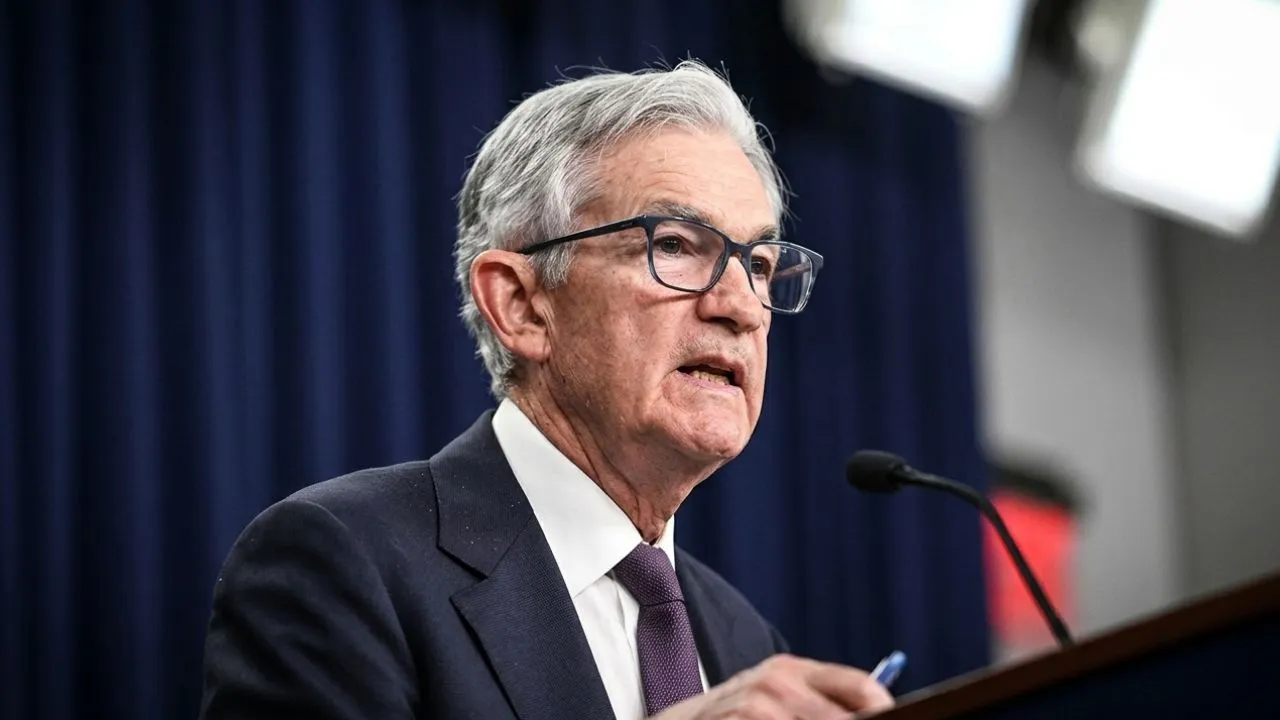
Fed Just Held Rates — Here’s Every Signal Powell Sent Today
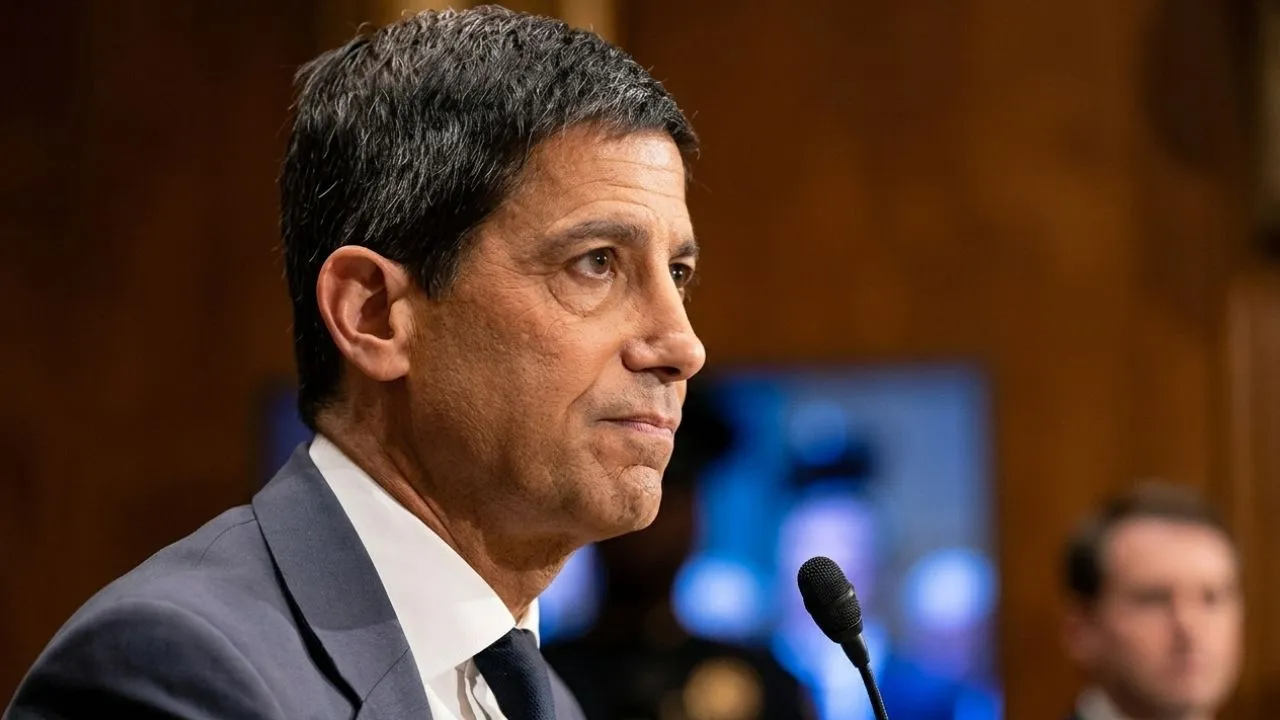
Kevin Warsh Is One Vote Away — What Changes for Your Rates
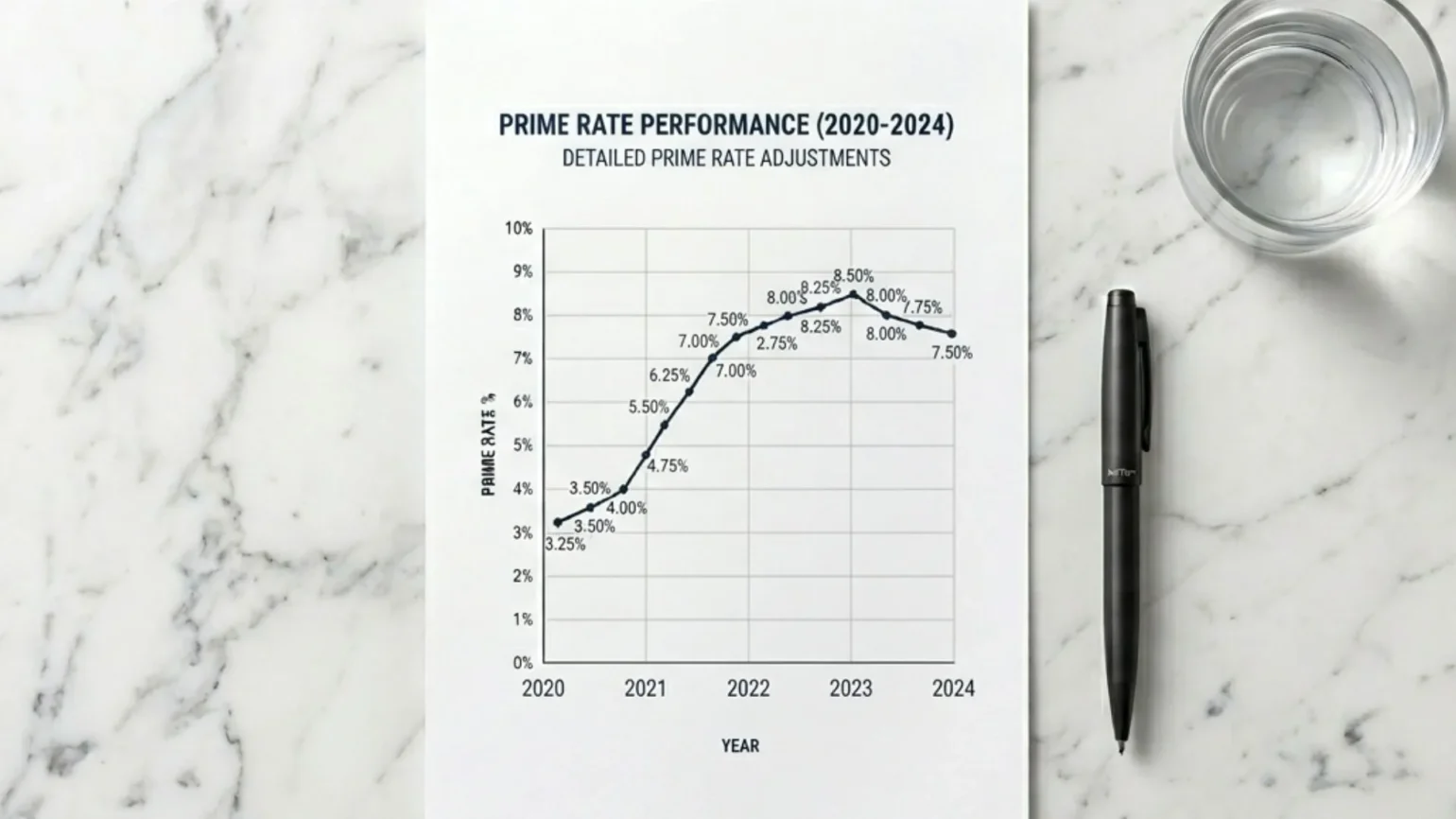
The current FOMC holds a federal funds rate of 4.25 to 4.50 percent and has held it there since December 2024. Powell’s May 7 statement, which you can read in full at federalreserve.gov, retained cautious language about inflation uncertainty without signaling imminent rate cuts.
Markets currently price two rate cuts before year end 2026. Warsh’s public record suggests he would view those priced-in cuts as premature. For the full breakdown of how Powell structured his final meeting, see our May 7 rate analysis.
This matters for your accounts in direct dollar terms. If Warsh delays rate cuts by one additional meeting cycle, high-yield savings account holders gain roughly $400 more per year on a $100,000 balance at 4.5 percent versus 3.5 percent.
Mortgage borrowers hoping rates fall gain nothing in that scenario. Variable-rate borrowers on HELOCs remain at elevated costs. The rate path Warsh chooses in his first six months will produce measurably different financial outcomes depending on which side of the borrower-saver divide you stand on.
The One Thing Warsh Cannot Change Immediately
The Federal Reserve’s institutional inertia is significant and by design. No incoming chair can unilaterally reset rates, immediately fire governors, or override a committee majority. Warsh will chair meetings and set agendas, but the twelve FOMC voters include seven board members who serve 14-year terms and five regional bank presidents on rotating schedules. Jerome Powell himself remains a board governor after stepping down as chair.
The precedent for how quickly new chairs reshape policy is instructive. When Powell took the chair in 2018, it took three FOMC meetings before markets clearly understood his framework differed from Yellen’s. Warsh’s first clear policy signal will come at his first press conference, tentatively the June 17 and 18 FOMC meeting if his confirmation completes before then.
For the context of how the committee voted heading into this transition and what Powell told his final meeting, see our Powell final meeting coverage and our earlier analysis of the DOJ Powell probe and its resolution.
What You Should Do Now
- If you hold variable-rate debt including HELOCs or adjustable-rate mortgages, model your budget assuming no rate cuts until September 2026 at the earliest. This is the conservative scenario consistent with Warsh’s public record.
- If you hold high-yield savings accounts or CDs, current rates above 4% are likely to persist through at least June. Check your CD maturity dates against the FOMC calendar before locking new terms.
- Monitor the Senate schedule. Warsh’s exact start date determines whether he chairs the June meeting or the July 28–29 meeting.