
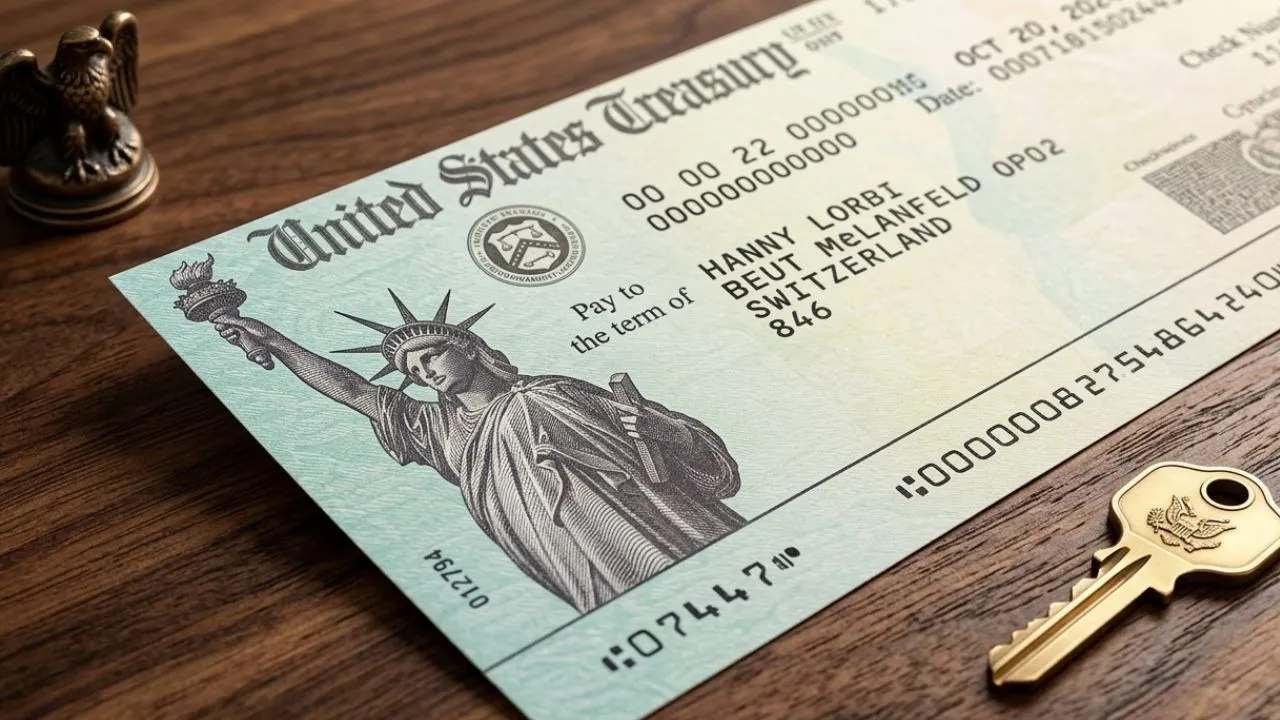
Executive Order 14247, signed in 2025, directs the Treasury Department to eliminate paper check disbursements for federal payments including IRS tax refunds. The Treasury Department is implementing this transition in phases throughout 2026.
Tens of millions of Americans receive their IRS tax refund by paper check every year. That option is being eliminated. IRS paper checks are being phased out under a White House executive order that directs the Treasury Department to shift all federal disbursements to electronic payment methods.
For the roughly 8 million U.S. households that are unbanked or underbanked, this transition is not a minor administrative change. It is a direct disruption to when and how they receive money the federal government owes them. The phase-out timeline is moving faster than most filers realize, and the alternatives require action before a return is filed, not after.
What Executive Order 14247 Actually Requires
Executive Order 14247, issued in 2025, directs the Secretary of the Treasury to take all lawful steps to eliminate paper-based disbursements of federal funds, including tax refunds, Social Security benefits, and other government payments.
The Treasury Department, through the Bureau of the Fiscal Service, is the agency that executes all federal payment disbursements. The IRS authorizes refunds after processing returns, but the Bureau of the Fiscal Service at Treasury handles the actual disbursement through the Federal Reserve’s FedACH network to the account the filer designates.
Under the current implementation timeline, the IRS is prioritizing electronic methods for all refunds processed in 2026. Filers who do not provide a valid bank account and routing number on their return will face longer delays as paper processing infrastructure is reduced. The Treasury Department’s official payment modernization guidance is available at fiscal.treasury.gov.
The IRS paper check phase-out piece published here covers the executive order itself in detail. For filers who have already submitted returns with wrong bank account information, the wrong bank account guide explains the recovery process.
What Unbanked Filers Must Do Right Now
The IRS and Treasury have identified three primary electronic alternatives for filers without traditional bank accounts. The first is a prepaid debit card with a routing and account number.
Most major prepaid cards, including the Direct Express card administered by the Bureau of the Fiscal Service, accept direct deposit from the IRS. The IRS accepts any valid routing and account number regardless of the financial institution type, including prepaid card accounts, credit unions, and digital banks.
The second option is opening a basic bank account. Under the FDIC’s Model Safe Accounts Template, participating banks offer accounts with no minimum balance requirement and no overdraft fees specifically designed for unbanked consumers. A list of participating institutions is available through fdic.gov.
The third option is the IRS’s own direct deposit to multiple accounts feature, which allows filers to split a refund across up to three accounts using Form 8888. For a filer with limited banking access, directing the refund to a trusted family member’s account and using Form 8888 is a legitimate option the IRS explicitly supports.
The IRS refund guide 2026 covers the full refund timeline and processing sequence from filing through deposit. The context of how that payment moves through the money movement system explains why direct deposit arrives faster than a check regardless of processing speed at the IRS level.
What Happens to Filers Who Submit Wrong Bank Account Information
This is the question most filers ask after learning their refund failed to deposit. If the IRS sends an electronic refund to an account that does not exist or has been closed, the receiving bank rejects the deposit and returns the funds to the Bureau of the Fiscal Service within five business days.
The IRS then reissues the refund. Under normal circumstances, that reissuance was a paper check. Under the EO 14247 transition, the reissuance process is being redesigned to route failed deposits back through electronic channels rather than defaulting to paper.
The practical implication is that a failed direct deposit under the new system may take longer to resolve than a failed deposit under the old system, because the paper fallback is no longer automatic. Filers who suspect their bank account information on file is incorrect should submit a corrected Form 8822-B and contact the IRS directly.
The current IRS refund status tool is at irs.gov. The federal payment balance zero piece explains what happens institutionally when a payment is authorized but does not appear in your account.
What This Means
The elimination of paper IRS refund checks is not optional and it is not reversible. Filers who do not arrange electronic deposit now will face delays that grow longer as the paper infrastructure continues to be reduced. The time to solve this problem is before your return is processed, not after your refund is delayed.
What You Should Do Now
If you do not have a bank account, open one through an FDIC-participating safe accounts program or apply for a Direct Express prepaid card through the Bureau of the Fiscal Service at fiscal.treasury.gov.
If your bank account information on file with the IRS is outdated or incorrect, verify your most recent return’s direct deposit information immediately.
If you are expecting a 2026 refund and want to split it across accounts, download and complete IRS Form 8888 before submitting your return. Check your refund status at the IRS’s official tool at irs.gov/refunds after 21 days for an electronically filed return.