
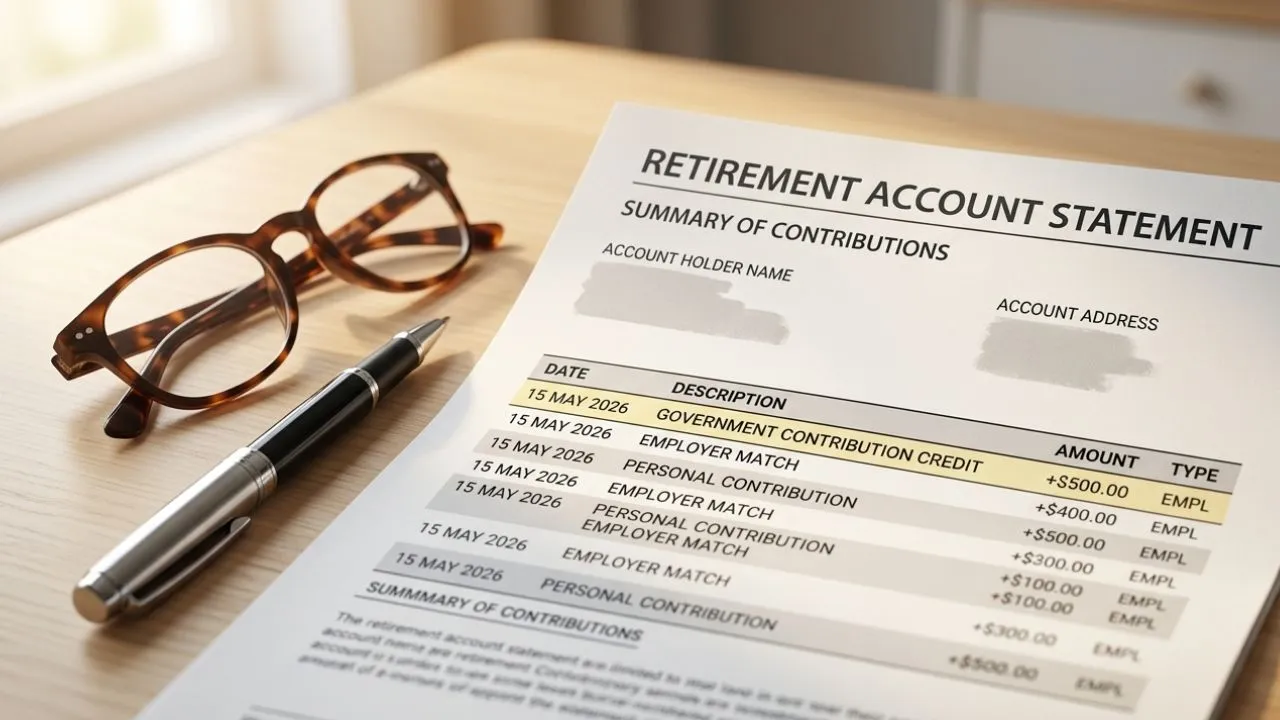
The federal government is about to deposit money directly into the retirement accounts of millions of working Americans. Not as a tax credit that reduces what you owe. Not as a deduction that lowers your taxable income.
As an actual cash deposit into your IRA or workplace retirement plan. The Savers Match is a program most Americans have never heard of, which means most Americans who qualify are not prepared to receive it.
Understanding Savers Match eligibility and the steps required before 2027 is the difference between receiving a government contribution to your retirement and missing it entirely because you did not know it existed.
What the Savers Match Is and Where It Comes From
Congress created the Savers Match through the SECURE 2.0 Act, signed into law in December 2022. SECURE 2.0 made dozens of changes to U.S. retirement savings law.
The Savers Match is among the most significant for lower and middle income workers because it replaces the non-refundable Saver’s Credit, which only reduced tax liability, with a refundable government matching contribution that goes directly into a retirement account regardless of tax liability.
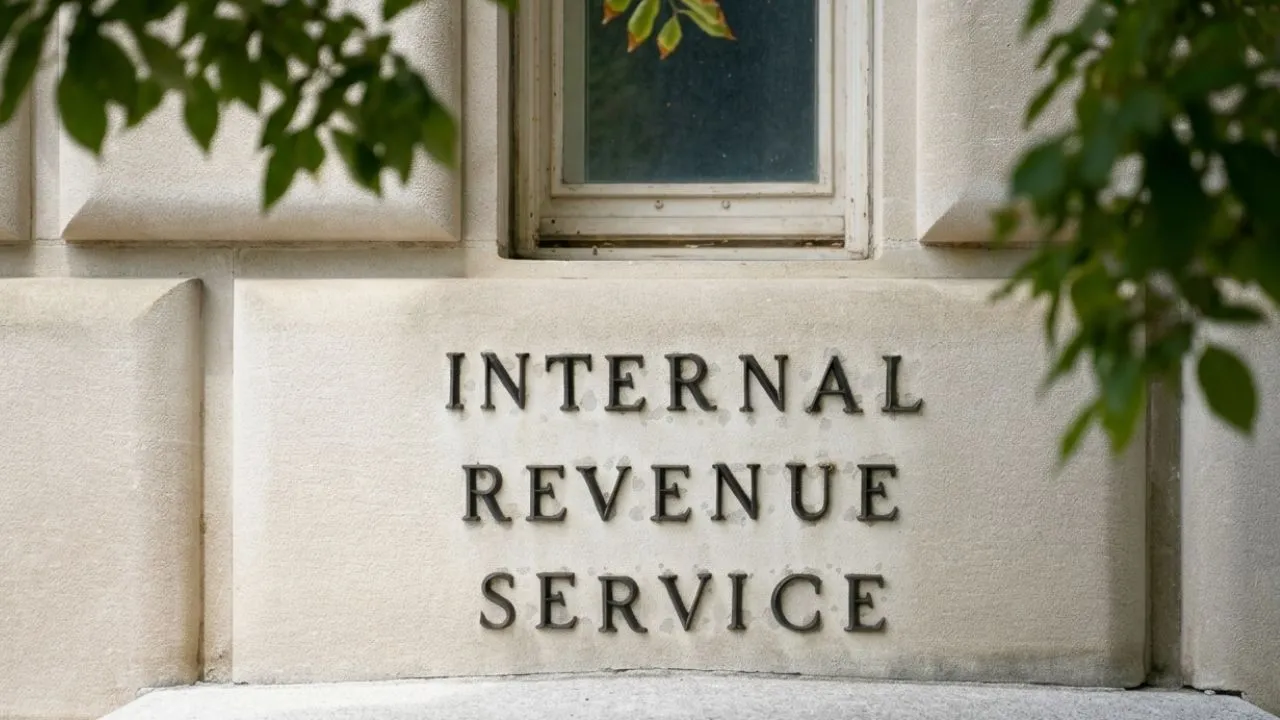

The IRS administers the program. The Bureau of the Fiscal Service at the U.S. Treasury executes the actual deposit into the account the taxpayer designates on their return. This is the same pipeline that processes tax refunds through the Federal Reserve’s FedACH network, which means the deposit timeline and mechanics mirror what filers already experience with standard refunds.
The IRS’s official SECURE 2.0 guidance is published at irs.gov. The Savers Match existing piece published here covers the program’s creation under SECURE 2.0. The full context of how IRS deposits flow through the federal payment system is explained in the money movement system pillar.
Who Qualifies and What the Income Limits Are
The Savers Match has three eligibility requirements. First, the filer must be at least 18 years old and not claimed as a dependent on another person’s return. Second, the filer must have made a qualifying contribution to an IRA, 401(k), 403(b), SIMPLE IRA, or similar workplace retirement plan during the tax year. Third, the filer’s income must fall at or below the program’s adjusted gross income thresholds.
For tax year 2027, the specific income thresholds have not yet been finalized by the IRS, as they will be adjusted for inflation between now and the program’s launch.
The Savers Credit income limits for 2026, which serve as the structural baseline, are $36,500 for single filers and $73,000 for married filing jointly, per the IRS Saver’s Credit page. The Savers Match thresholds for 2027 are expected to follow the same inflation adjustment methodology.
The maximum government match is $1,000 per individual or $2,000 for married couples filing jointly. The match rate is 50 percent of the first $2,000 contributed by the filer. A worker who contributes $2,000 to a qualifying retirement account receives a $1,000 government deposit. A worker who contributes $1,000 receives a $500 government deposit.
The IRS refund guide covers how IRS-initiated deposits are processed and timed. The federal payments explained piece provides context on the institutional pipeline through which the Savers Match deposit will flow.
What You Need to Set Up Before 2027
The Savers Match deposit goes into a retirement account. That means the filer must have a qualifying account open and must designate it correctly on the 2027 tax return. The IRS cannot deposit the match into a general bank account. It must go into an IRA, 401(k), or other qualifying plan.
Filers who do not currently have an IRA have 14 months to open one before the first Savers Match tax year begins. A traditional IRA or Roth IRA can be opened with most banks, credit unions, and brokerage firms. There is no income floor requirement to open an IRA. There is no minimum contribution required to participate in the Savers Match beyond the $1 minimum that triggers the 50 percent match calculation.
The most important preparation step is confirming that your employer’s payroll system or your IRA custodian will provide the specific account number and routing information required for the IRS to execute the direct deposit.
The IRS will provide a designated form for this on the 2027 tax return. Preparing that information in advance prevents the same wrong-account delays that currently affect roughly 2 percent of all electronic refunds annually.
The IRS paper check phase-out piece is directly relevant here: under EO 14247, the Savers Match will be disbursed electronically only. There will be no paper check option for this program from the day it launches.
What You Should Do Now
- Confirm you have a qualifying retirement account open before December 31, 2026. Contributions made for tax year 2027 must go into an account that exists before the contribution deadline.
- Make at least one qualifying retirement contribution of any amount in 2027. Even $100 triggers a $50 Savers Match deposit from the government.
- Verify your retirement account’s routing number and account number are accessible. You will enter these on your 2027 tax return to designate where the IRS deposits your match.
- Review the official IRS SECURE 2.0 guidance and the SSA COLA context to understand how this program fits alongside other federal benefit adjustments coming in 2027. SSA COLA context.
- Check current income thresholds annually at the official IRS Saver’s Credit page as the 2027-specific limits are published. IRS Saver’s Credit page.