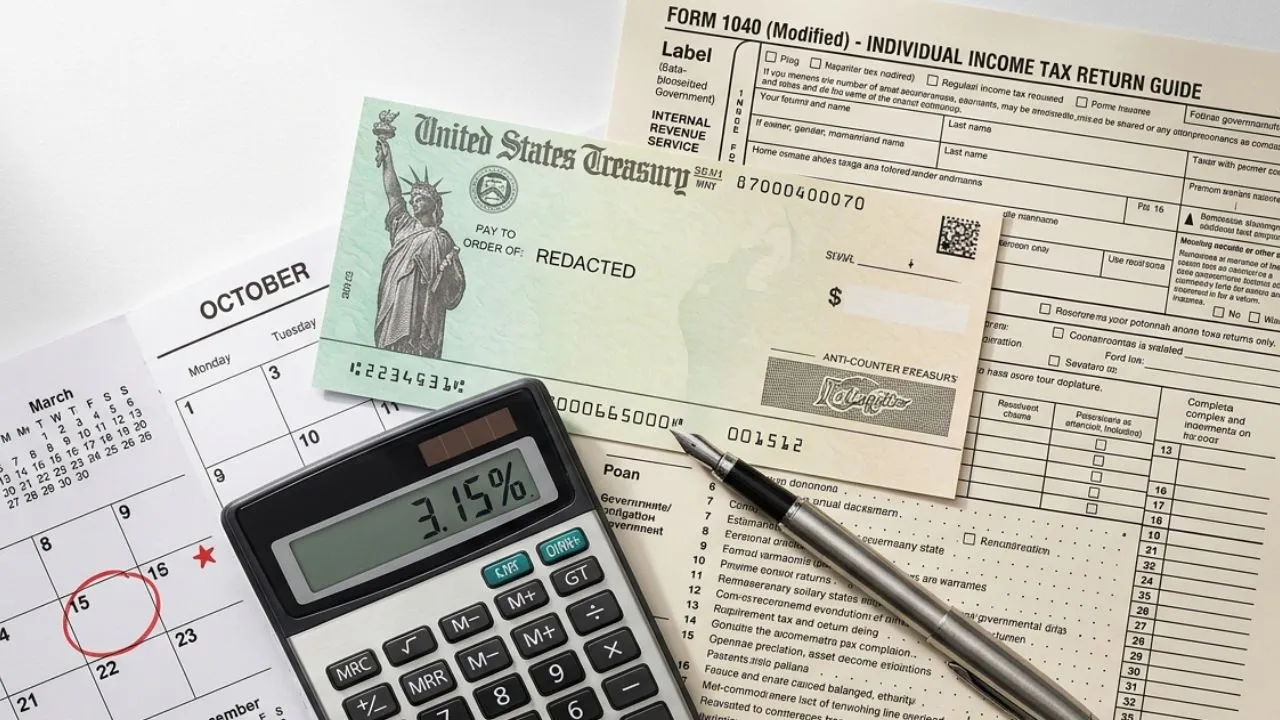

An IRS tax refund offset happens when the government approves your refund and then intercepts it before it reaches your bank account. The IRS does not take your money. The Bureau of the Fiscal Service at the U.S. Treasury does, using a program called the Treasury Offset Program.
If you filed, saw Code 846 on your transcript, and then received a smaller deposit than expected or nothing at all, an offset is the most likely explanation. In 2026, one critical offset category is temporarily paused, and you need to know the deadline before it restarts.
What Is the Treasury Offset Program and Who Actually Runs It
The Treasury Offset Program is not an IRS program. This is the most important distinction most Americans miss. The IRS authorizes your refund. The Bureau of the Fiscal Service at the U.S. Treasury intercepts it.
The BFS operates the TOP system, which cross-references every federal refund payment against a database of outstanding debts submitted by federal and state agencies.
If your name and Social Security number match a debt in the TOP database, the BFS seizes all or part of your refund before it reaches your bank account through the Federal Reserve’s FedACH network.
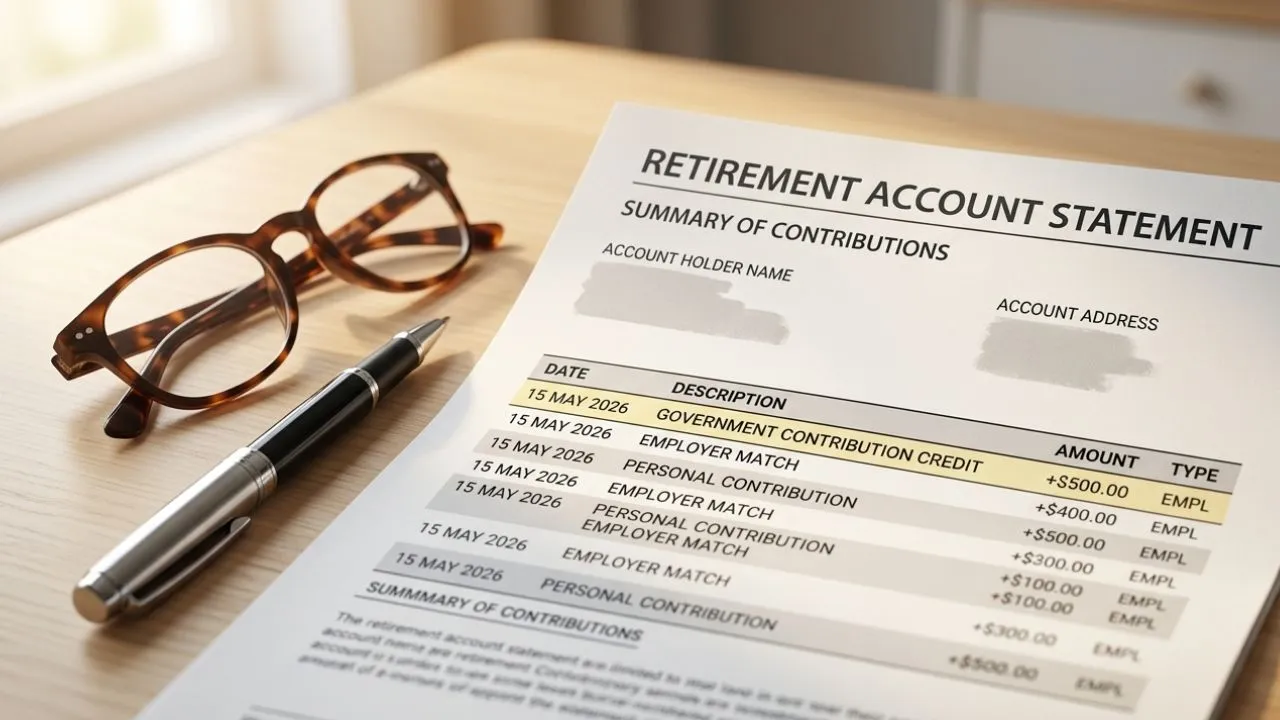

The offset program basics begin with understanding that the IRS has no authority to stop an offset once Treasury identifies a match. Calling the IRS about an offset will not release the hold. The dispute process runs entirely through the Bureau of the Fiscal Service and the creditor agency that submitted your debt to the TOP database, not through the IRS.
The 10 Debts That Trigger a Refund Offset in 2026
The TOP rules fact sheet published by the Bureau of Fiscal Service identifies the full range of debts eligible for TOP collection. Defaulted federal student loans trigger an offset. Unpaid child support triggers an offset. State income tax debt triggers an offset.
State unemployment insurance overpayments trigger an offset. VA benefit overpayments, HUD debts, SBA loans, USDA farm loan defaults, SSA overpayments, and federal salary overpayments also qualify. Any federal or state agency that certifies a debt to the BFS can have that debt collected through your federal tax refund.
The legal limits on how much can be taken depend on the debt type. The IRS reduced refund page confirms that child support and federal nontax debts can result in 100% of your refund being seized. There is no floor protection on those categories.
Federal salary overpayments are limited to 15% of disposable pay. Up to 65% of disposable wages can be taken for child support through wage garnishment. Understanding which debt category applies to your situation determines how much of your refund you can realistically recover.
The July 2026 Deadline Every Defaulted Student Loan Borrower Must Know
Student loan offset collections through the Treasury Offset Program were paused on January 16, 2026. They are expected to resume in July 2026. If you have federally held student loans in default status, you are currently in a protected window. Your 2025 tax refund was not seized for student loan debt if it was processed after January 16, 2026. That protection ends when collections resume.
The Federal Student Aid offset page explains that loan rehabilitation and consolidation are the two primary paths out of default that remove you from the TOP database permanently. Rehabilitation requires nine consecutive on-time payments.
Consolidation through an income-driven repayment plan can remove the default status faster. Both processes take time. If you begin neither before July 2026, your next federal tax refund is at risk of full seizure. The refund complete guide covers the full transcript and deposit timeline once an offset is resolved.
How to Find Out If You Are in the TOP System Before You File
Call 800-304-3107. That is the official IRS offset hotline operated by the Bureau of Fiscal Service. The number is confirmed on the IRS.gov reduced refund page. The automated system will confirm whether a debt has been certified against your Social Security number before you file.
You can also check your IRS online account for any notation reading “applied to past-due obligation,” which indicates a completed or pending offset. If you have federal student loans, check your account at StudentAid.gov to confirm whether your loans are in default status before filing.
How to Dispute an Offset Step by Step
Disputing an offset requires contacting the Bureau of Fiscal Service at 800-304-3107, not the IRS. The BFS will provide a TOP trace number from your intercept notice. You then contact the creditor agency directly, because only the agency that submitted your debt can release or reduce the offset.
For joint filers whose refund was seized for a debt belonging only to one spouse, IRS Form 8379 for injured spouses allows the non-liable spouse to claim their portion of the refund. A frozen refund notice triggers a separate dispute path through the IRS rather than the BFS.
If your debt is less than your total refund, the remainder deposits to your bank on the standard ACH timeline after the offset is processed. The code 846 explained guide covers what the deposit date on your transcript means after a partial offset resolves.
The Bureau of Fiscal Service sends a written notice to every taxpayer whose refund was intercepted, regardless of the debt amount, confirming the agency that received the funds and the amount taken.
If your refund was smaller than expected and you received no notice, call 800-304-3107 immediately. The money movement system that routes your refund from Treasury to your bank creates a traceable record the BFS can access to confirm whether an offset occurred.
What You Should Do Now
- Call 800-304-3107 to confirm whether your Social Security number is matched against any debt in the TOP database before you file or before your next refund is processed.
- If you have defaulted federal student loans, contact your loan servicer or visit StudentAid.gov to begin rehabilitation or consolidation before July 2026, when TOP collections are expected to resume.
- If you are a joint filer and your refund was seized for your spouse’s debt, file Form 8379 with the IRS to claim your portion of the refund.
- If your refund was fully seized and you believe the debt amount is incorrect, request the TOP trace number from the BFS at 800-304-3107 and contact the creditor agency directly to dispute the certified amount.