 Prefer Investozora on Google
Get real-time financial updates.
May 18, 2026 • 5:22 AM ET
The FOMC minutes from the May 6 to 7, 2026 meeting are confirmed for release Wednesday, May 20, 2026 at 2:00 PM ET, per the Federal Reserve meeting calendar. The federal funds rate remains at 3.5% to 3.75% per the April 29 FOMC implementation note. This is the last intelligence document before Kevin Warsh chairs his first FOMC meeting on June 16 to 17.
The Federal Reserve releases its most consequential policy document in months in exactly 48 hours. The FOMC minutes from the May 6 to 7 meeting publish Wednesday, May 20 at 2:00 PM ET and the signals inside them will move the savings rate, CD yield, and mortgage rate for roughly 130 million American households within two weeks of publication.
For every American who has been watching rates and wondering whether June 16 will bring a hike, a hold, or a cut under new Fed chair Kevin Warsh, Wednesday afternoon is the answer. The U.S. money movement system explains how a Fed signal travels from Washington to your bank account within 14 to 30 days of publication.
The federal funds rate sits at 3.5% to 3.75% right now. The minutes will not change that rate on Wednesday. What they will change is the probability of a rate hike at Warsh’s June 16 first meeting, and that probability is what banks use today to price your savings APY and your mortgage.
Knowing which three signals to watch in the minutes document before any media commentary summarizes it gives you a genuine two-week financial advantage over readers who wait for headlines.
Why Wednesday’s release is the most important Fed document since April 29
The FOMC minutes are not a summary. They are the verbatim record of what all 19 Fed officials said during the May 6 to 7 meeting, the last session under Jerome Powell’s chairmanship. The April 29 vote split 8 to 4, the most divided FOMC since October 1992, per the official April 29 statement.
Three officials dissented because they wanted to remove language suggesting future rate cuts were coming. One official dissented because he wanted to cut rates immediately.

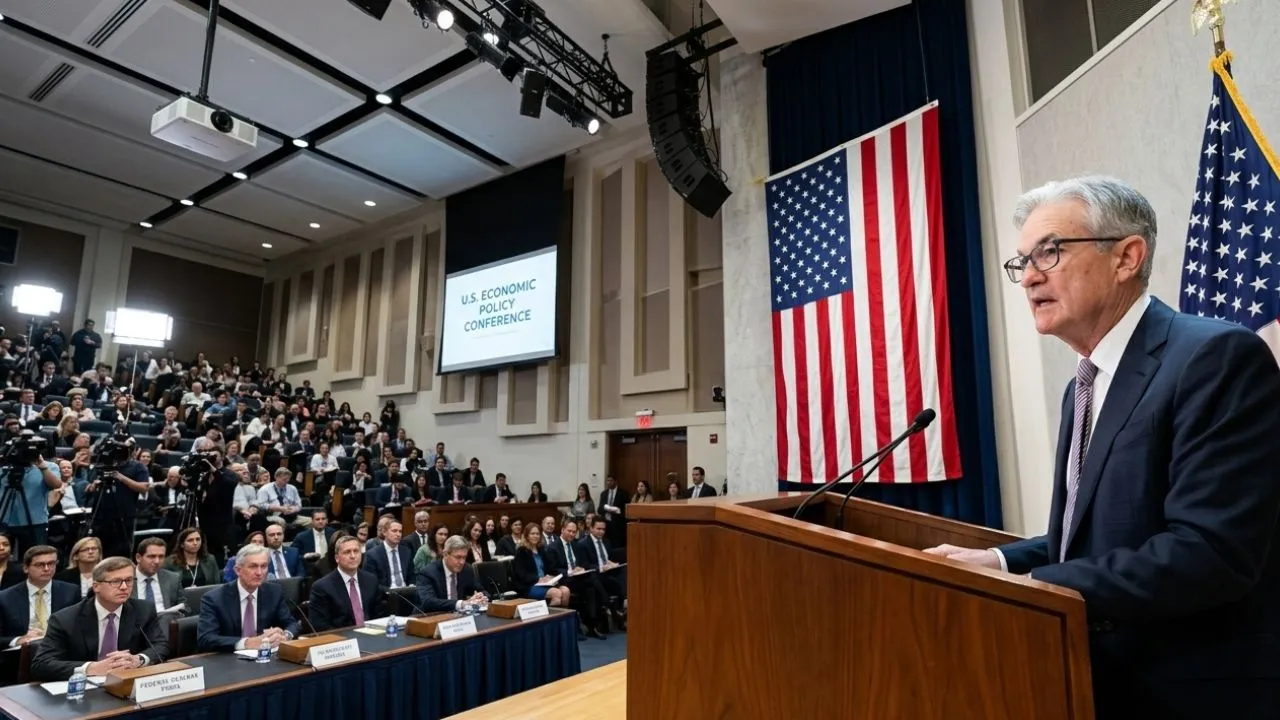

Warsh now chairs that divided room. The May 6 to 7 minutes will reveal whether the hawkish bloc of three was isolated or whether the broader committee had shifted closer to their position in the weeks after April 29.
That distinction is the single most important thing the document reveals, and it is something no news article published before 2 PM Wednesday can tell you. Every preview analysis, including this one, is working from inference. After 2 PM Wednesday, the record is public and the signal is definitive.
The FOMC minutes five signals guide covers every signal in the document in depth. The Warsh divided committee analysis explains why the 8-to-4 dissent composition directly shapes what Warsh can do on June 16.
Three signals in the Wednesday document that change your savings math
Signal one: how many participants discussed rate hike scenarios
The minutes use precise quantitative language. “A few participants” means 2 to 3 people. “Several participants” means 4 to 5. “A number of participants” means 6 or more. If “several” or “a number of” participants discussed rate hike scenarios as a genuine 2026 possibility, June 16 under Warsh becomes a live event for a 25 basis point increase.
On a $75,000 high-yield savings account currently earning 4.20% APY, a 25 basis point hike that flows through within 14 to 30 days of June 16 adds approximately $188 in annual interest income. That is the dollar value of reading the right signal at 2 PM Wednesday.
Signal two: the word “persistent” applied to inflation
The April 29 statement described inflation as “elevated.” The minutes will show whether officials internally used stronger language. If “persistent” appears multiple times in connection with current inflation, Fed officials believe the Hormuz energy shock is structural rather than temporary.
A persistent inflation view makes a June hold more likely than a cut, and a hike more possible than markets are currently pricing. PPI rose 6.0% annually in April per BLS and CPI rose 3.8% per BLS. If officials called that “persistent” in May, summer CPI readings will likely stay elevated and the 2027 Social Security COLA trajectory moves upward.
Signal three: any balance sheet discussion
Warsh has publicly stated a preference for accelerating the Fed’s balance sheet reduction, which currently holds approximately $6.7 trillion in assets per CNN reporting from his confirmation. If the May 6 to 7 minutes contain discussion of faster balance sheet reduction, that represents a second tightening tool operating alongside the rate vote.
Two simultaneous tightening signals widen the spread between the federal funds rate and consumer product rates, meaning your mortgage rate would rise more than a simple 25 basis point hike alone would produce. The how the Fed controls savings and mortgages guide explains the balance sheet transmission in full consumer terms.
What each signal outcome does to your money starting Wednesday afternoon
If all three signals are hawkish: the 10-year Treasury yield will rise within 60 seconds of 2 PM Wednesday. Mortgage lenders will revise quotes upward within 48 hours. Banks will slow savings APY reductions and begin internally modeling June 16 hike pricing. If you have a CD maturing before July, rolling it in late May rather than immediately after Wednesday captures the repricing window.
If signals are mixed or neutral: current rates hold near today’s levels through June 16. The FOMC minutes expectations and savings guide covers the neutral scenario action steps in detail.
If signals are dovish: unlikely given April inflation data, but if the minutes show a committee increasingly concerned about labor market weakness rather than inflation, rates ease before June 16 through bond market pricing and CD rates begin to fall.
This is the signal that argues for locking a CD before Wednesday at 2 PM. The June 16 savings and CD action guide walks through the specific account-by-account response for each scenario.
What you should do now
- Note your current savings APY today. Write it down or screenshot it. Compare it exactly 14 days after Wednesday’s release. The difference will show the direct dollar impact of the FOMC minutes on your savings.
- If you have a CD maturing in the next 30 days, do not roll it before Wednesday at 2 PM. Thirty minutes of reading the minutes on Wednesday afternoon will help you judge whether June is likely to bring higher rates than today.
- If you are shopping for a mortgage, request a rate quote today and again on Thursday morning. The difference between the two shows how bond markets interpreted Wednesday’s FOMC minutes.
- Bookmark Federal Reserve FOMC Calendar and access the document directly at 2 PM Wednesday. Focus on inflation risks and participant views before news commentary shapes the narrative.
- Watch the Federal Reserve H.15 Daily Rates Page after 2 PM Wednesday. A move of 8+ basis points in the 10-year Treasury within 30 minutes signals a hawkish market interpretation.